Photo: Wikipedia
Quality of Life in Saint George, UT
Above-average quality of iife. The area offers a reasonable cost of living, decent mobility, and a mix of neighborhood amenities.
What does Quality of Life tell us?
Quality of Life blends cost of living, nearby amenities, socioeconomic signals, and neighborhood character. City-level scores represent the whole municipality; individual neighborhoods can differ.
What does this tell us?
Quality of Life blends cost of living, nearby amenities, socioeconomic signals, and neighborhood character. City-level scores represent the whole municipality; individual neighborhoods can differ.
Cost of Living
39% above national average
The Real Cost of Living in Saint George, UT for 2026
| Tier | Individual | Family (4) |
|---|---|---|
| Survival | $23k | $43k |
| Comfortable | $89k | $130k |
| Luxury | $131k+ | $204k+ |
| Elite (Top 5%) | $154k+ | $239k+ |
56%
The Area Signal
A metric tracking the socioeconomic signals of the area.
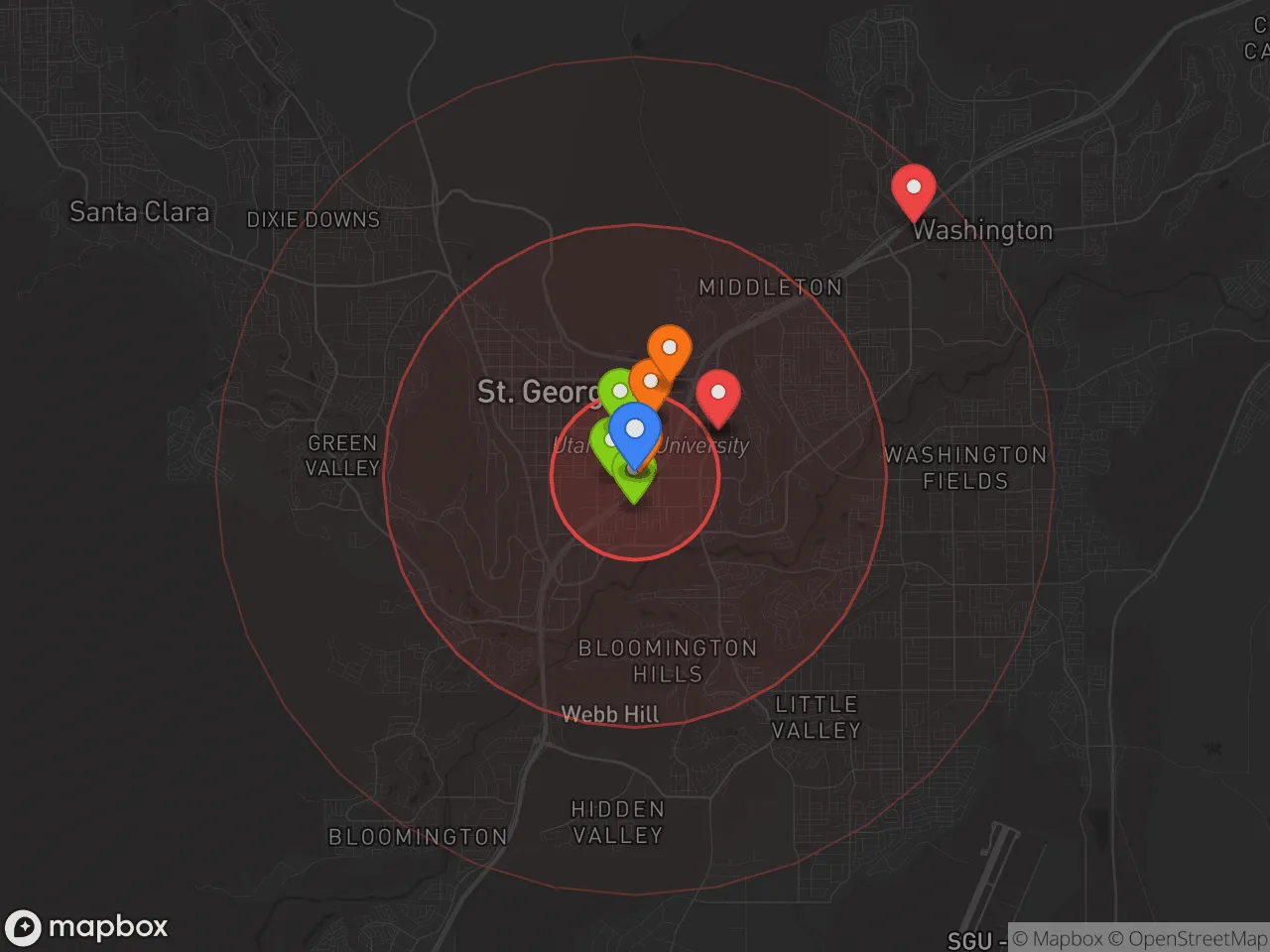
Hobbies
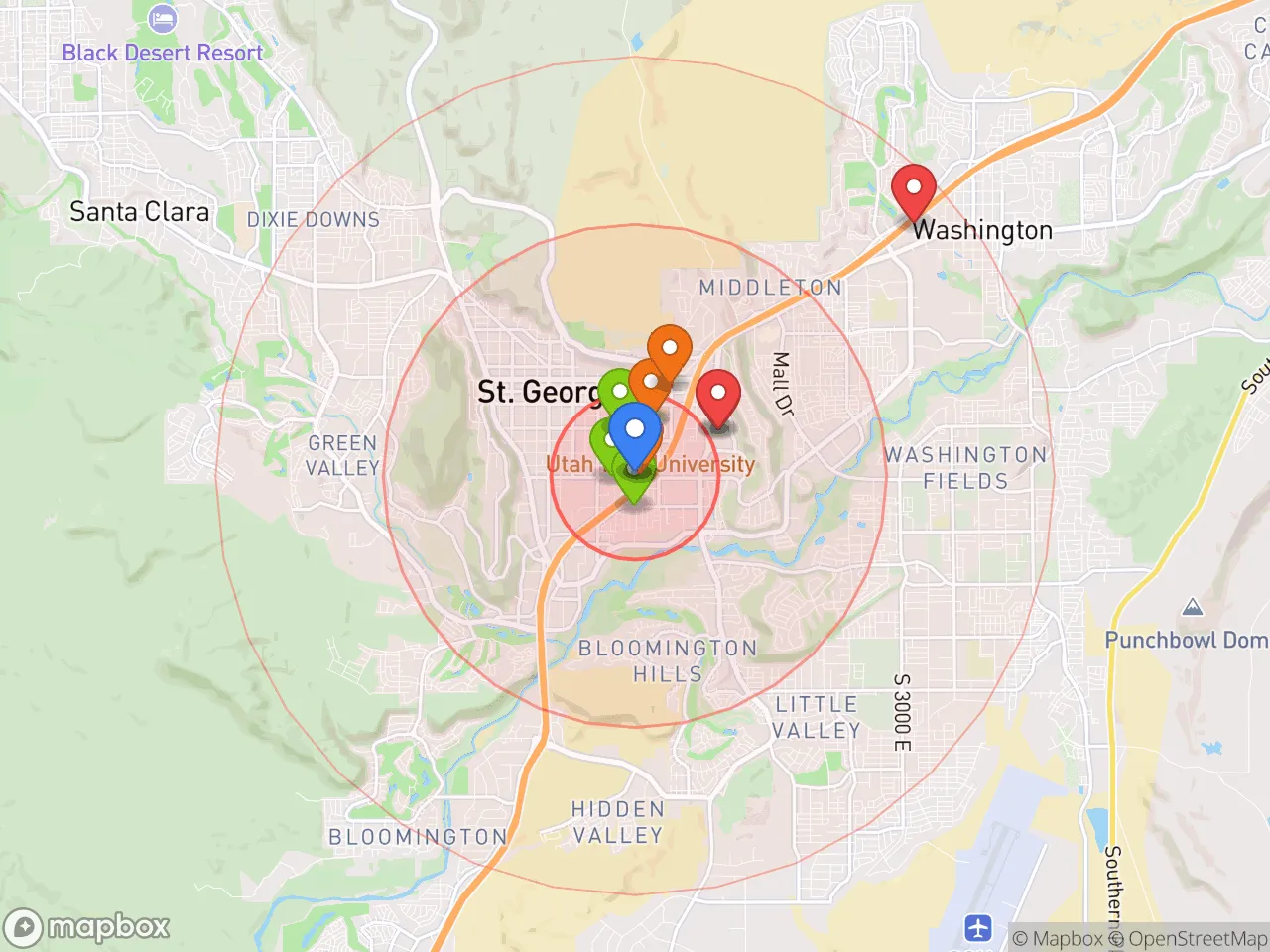
Explore the areaGroceries
6 within 10 miles
Gas
20 within 10 miles
Hospital
1 within 20 miles
Airport
LAS — North Las Vegas
Post Office
USPS — St George, UT
Critical Amenities
Quality-of-Life Analysis
Saint George, Utah, presents a quality of life defined by rapid growth, relative affluence, and a demographic skewing toward retirees, outdoor enthusiasts, and families seeking a warm-weather alternative to the Wasatch Front. With a cost of living index of 139 (where 100 equals the U.S. average), the city is notably more expensive than the national norm, yet it remains a magnet for those priced out of Southern California or drawn to the region's red-rock landscape and year-round sunshine. The population is a blend of long-time Mormon families, out-of-state transplants, and a growing number of remote workers, creating a community that balances conservative values with a steady influx of new perspectives.
Cost of living, housing affordability, and how Saint George compares to nearby cities
Saint George's cost of living sits well above the national average, driven primarily by housing. The median home value is $456,900, a figure that has climbed sharply over the past five years and now rivals prices in parts of the Salt Lake City suburbs. For renters, the median rent is $1,429, which is high for Southern Utah but still below the averages seen in St. George's primary competitor, Las Vegas, where comparable rents often exceed $1,600. Compared to nearby Cedar City, roughly 50 miles north, Saint George is significantly pricier—Cedar City's median home value hovers around $350,000—but offers a larger job market and more amenities. The average commute in Saint George is just 16.8 minutes, a figure that underscores the city's manageable scale and stands in stark contrast to the 30-minute-plus commutes common in larger metro areas. This short drive time is a major quality-of-life advantage, allowing residents more time for recreation and family.
Amenities, schools, and what daily life feels like for families and retirees
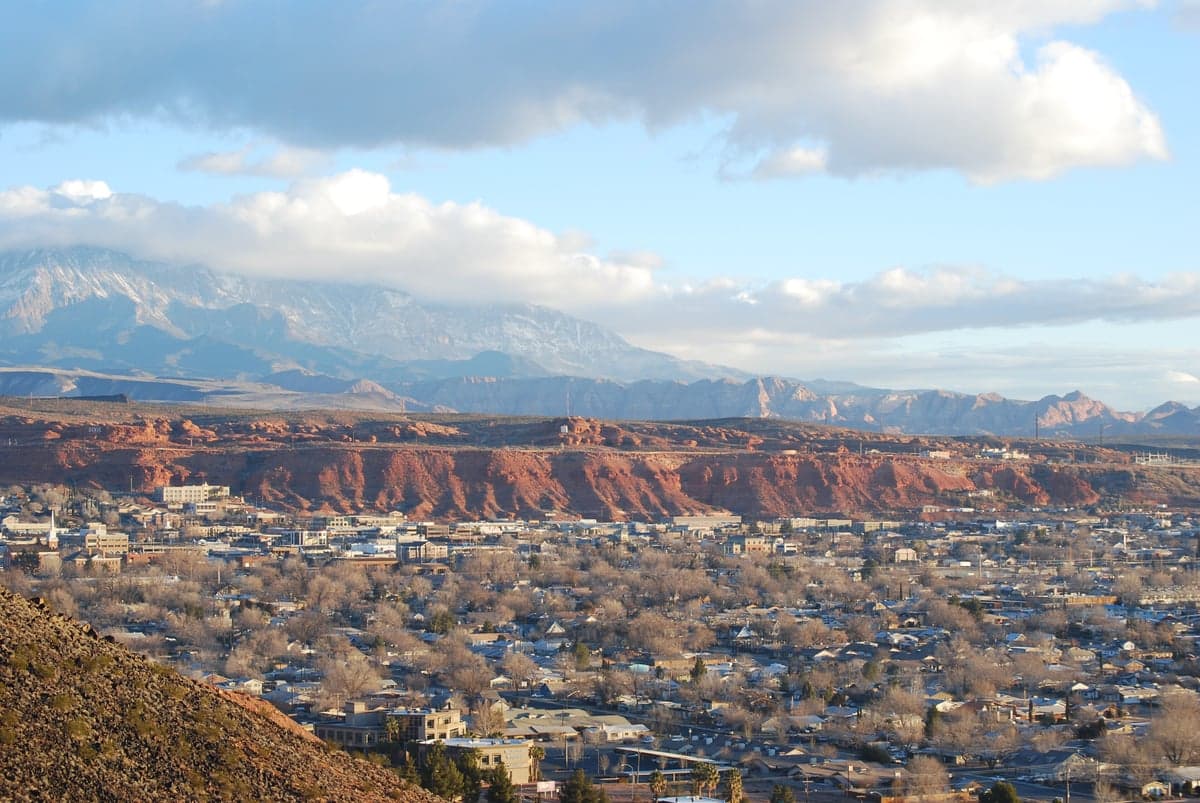
Daily life in Saint George revolves around outdoor recreation, community events, and a slower pace than Utah's northern cities. The city is the gateway to Zion National Park, Snow Canyon State Park, and numerous golf courses, making hiking, biking, and golfing central to the local lifestyle. For families, the Washington County School District operates several highly rated schools, including Desert Hills High School and Crimson Cliffs High School, both of which have strong academic and extracurricular programs. The presence of Utah Tech University adds a collegiate energy and provides cultural events, continuing education, and a growing healthcare workforce pipeline. Retirees are drawn to the area's mild winters, abundant senior centers, and the St. George Regional Hospital, which offers comprehensive medical services. The city's downtown has seen revitalization, with new restaurants, breweries, and the Dixie Convention Center hosting events, though nightlife remains limited compared to larger cities. The overall rhythm is active but unhurried, with weekends often spent on the trails or at local farmers markets.
Saint George is best suited for those who prioritize outdoor access, warm weather, and a tight-knit community feel over urban diversity and lower housing costs. Families will find good schools and safe neighborhoods, while retirees appreciate the climate and healthcare infrastructure. Remote workers and professionals who can absorb the elevated cost of living will enjoy the short commute and recreational lifestyle. Those seeking a low cost of living or a vibrant nightlife scene may find the city lacking, but for the right demographic, Saint George offers a high quality of life in one of the most scenic settings in the American Southwest.

Crime in Saint George, UT
Generally safer than 67% of comparable U.S. locations.
Violent CrimeViolent Crime Analysis
Property CrimeProperty Crime Analysis
Crime Analysis
Saint George, Utah, maintains a safety profile well below national averages for both violent and property crime, making it one of the safer mid-sized cities in the Intermountain West. With a violent crime rate of 222.7 per 100,000 residents and a property crime rate of 1,306.3 per 100,000, the city offers a notably lower risk environment compared to the U.S. averages of roughly 380 and 1,950 per 100,000, respectively. This relative safety is a key factor for families and retirees considering relocation to this fast-growing Washington County hub.
Crime in context
Saint George’s violent crime rate sits about 41% below the national average and slightly under Utah’s state rate of approximately 240 per 100,000. Property crime, while higher than the state average of roughly 1,700 per 100,000, still falls 33% below the national figure. The city’s location in a conservative, low-crime region—far from the liberal-leaning metro areas with progressive prosecution policies that can inflate crime statistics—helps keep these numbers in check. Utah’s justice system emphasizes accountability and victim rights, which contributes to the lower recidivism and crime rates seen across the state.
What residents experience
Daily life in Saint George feels safe, with most crime concentrated in commercial corridors and near tourist attractions like Zion National Park. Theft from vehicles and shoplifting are the most common property offenses, while violent incidents—typically assaults and domestic disputes—are rare and often isolated. Residents report feeling secure walking in neighborhoods and downtown, especially during daylight hours. The city’s police department maintains a visible presence and community-oriented approach, further reinforcing public confidence.
Neighborhood-level variation is modest but worth noting. Newer subdivisions on the city’s outskirts, such as those near Snow Canyon and the SunRiver area, experience the lowest crime rates. Older central neighborhoods and areas along Interstate 15 see slightly higher property crime, but violent crime remains uniformly low across all districts. Overall, Saint George’s safety record, combined with its conservative governance and family-oriented culture, makes it a compelling choice for those prioritizing security in their relocation decision.
* Values derived from national, state, county, city and local statistics and may differ in a specific area. Last updated: 2026-11-20T05:13:53.000Z
Narrative content on this page is AI-generated and may contain mistakes. Verify any details that matter before acting on them.
ReloMaps may earn a commission from affiliate links at no extra cost to you.

