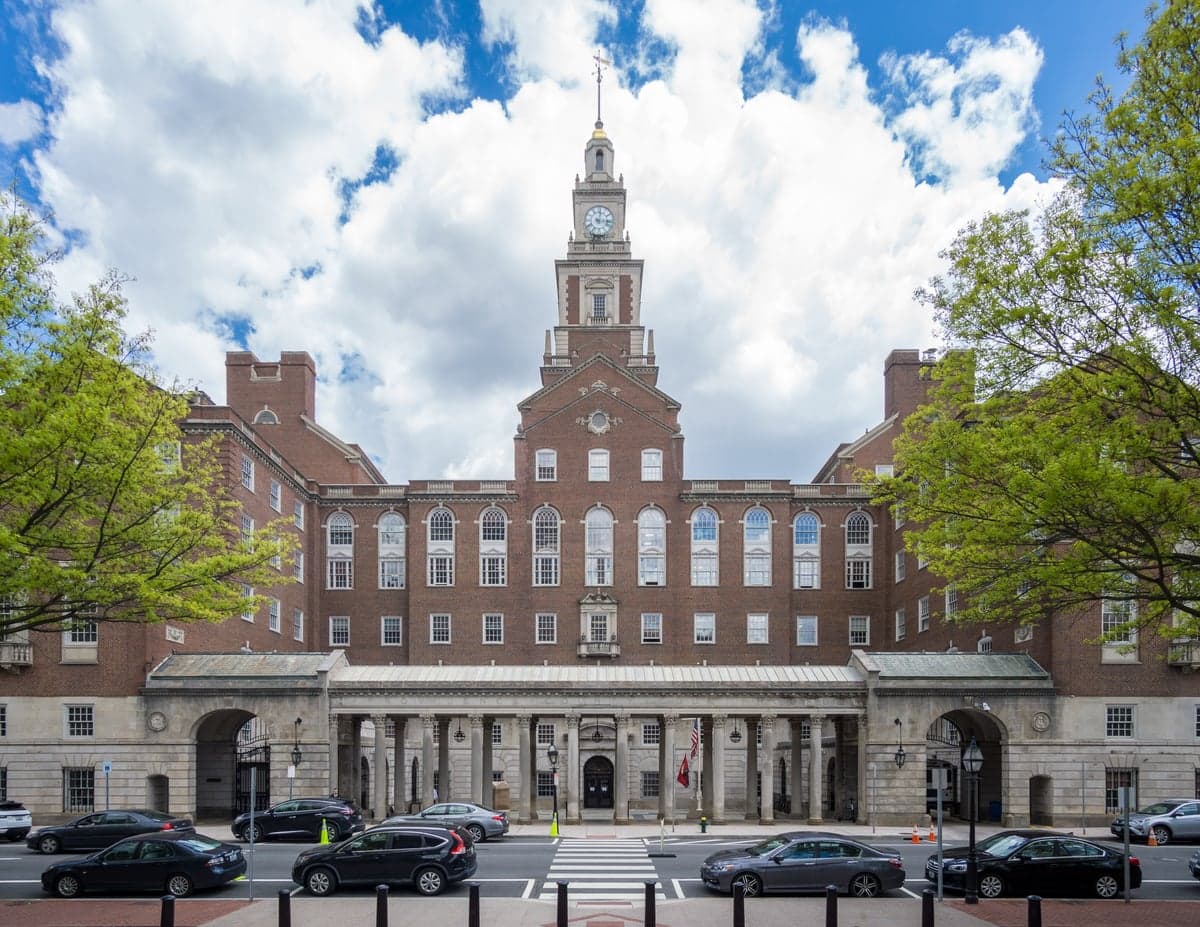
Photo: Wikipedia
Personal Sovereignty in Providence County
Viable for self-reliance. Generally workable, though some barriers may limit total independence.
What does Personal Sovereignty tell us?
Personal Sovereignty measures your capacity for self-reliance and independence with minimal government friction. Higher scores mean fewer barriers between you and the way you want to live... but it assumes you have the space you need and good neighbors.
What does this tell us?
Personal Sovereignty measures your capacity for self-reliance and independence with minimal government friction. Higher scores mean fewer barriers between you and the way you want to live... but it assumes you have the space you need and good neighbors.
State Policy
Energy independence: Importer (1% of energy produced in-state)
Personal Liberty
Homesteading

Personal Liberty Analysis
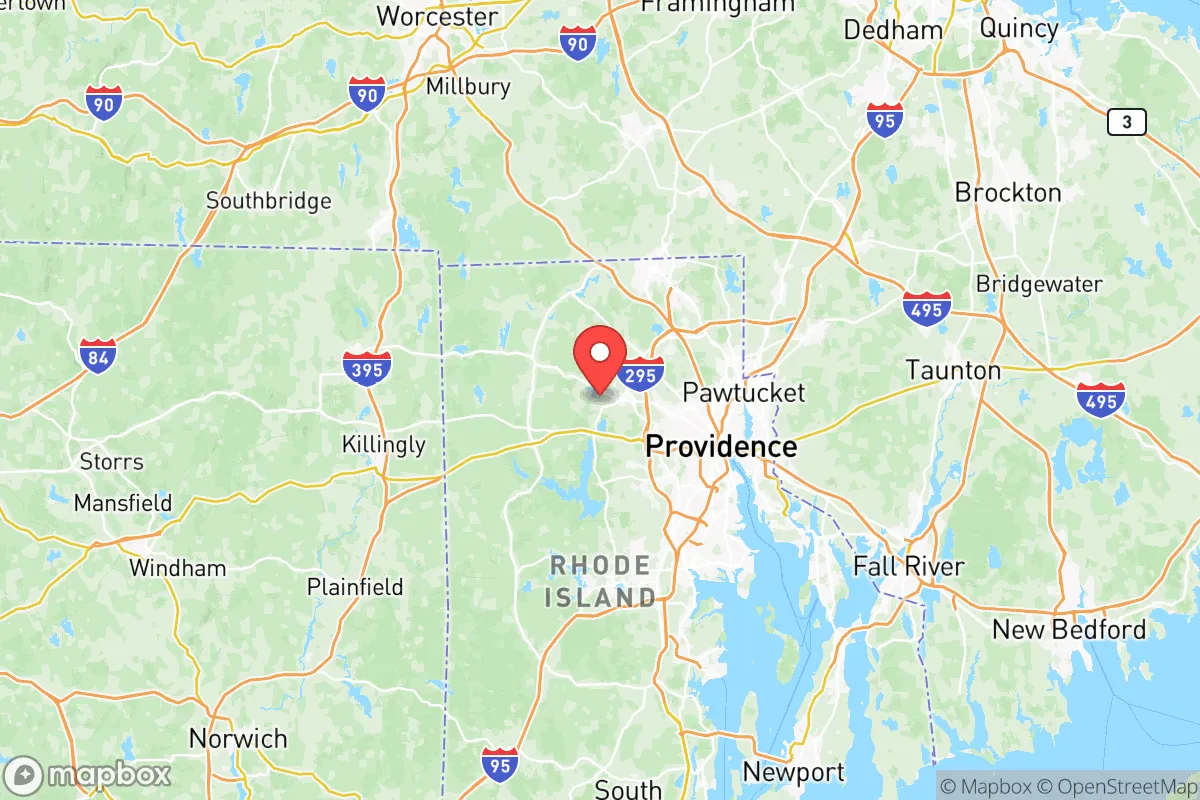
For the conservative-leaning individual or family evaluating Providence County, Rhode Island, the reality of personal sovereignty is a study in stark contrasts. The county, anchored by the state capital of Providence, operates under a dense web of state-level mandates that consistently rank among the most restrictive in New England for gun rights, tax policy, and regulatory freedom. While the rural towns of Foster and Glocester offer a whisper of the self-reliant, independent lifestyle that many preppers and liberty-minded families seek, the overwhelming gravitational pull of the state's progressive apparatus—from its income tax structure to its firearm licensing regime—means that personal autonomy here is heavily circumscribed. For those prioritizing maximum freedom from government overreach, Providence County is a location to approach with extreme caution, not a refuge.
Tax burden and regulatory posture: A heavy hand on income and property
Rhode Island’s tax climate is a primary concern for anyone seeking to maximize personal financial sovereignty. The state imposes a progressive income tax with a top marginal rate of 5.99%, which kicks in at a relatively modest income level, directly reducing the capital a family can retain for savings, investments, or prepping supplies. Property taxes are a significant burden, with effective rates in Providence County averaging well above the national median. In the city of Providence itself, the combined state and local tax burden is among the highest in the nation. However, there is some variation: towns like Scituate and Foster have historically maintained lower municipal tax rates than the urban core, though they still operate under the state's high overall levy. The regulatory posture is equally stifling. Rhode Island is notorious for its complex business licensing and environmental regulations, which can frustrate any attempt at starting a home-based business, running a small farm, or engaging in construction without permits. The state’s building codes and coastal management rules are particularly stringent, limiting the ability to modify property without bureaucratic approval. For the prepper, this means that even basic improvements like adding a root cellar or a rainwater catchment system may require navigating a costly and time-consuming permitting process.
Self-defense and gun law specifics: A restrictive regime with limited exceptions
For those who view the Second Amendment as a cornerstone of personal sovereignty, Providence County is a deeply challenging environment. Rhode Island is a "may-issue" state for concealed carry permits, meaning local law enforcement—in this case, the Providence County Sheriff or the local police chief—has broad discretion to deny a permit even if an applicant meets all statutory requirements. In practice, this discretion is often used to deny permits to law-abiding citizens without a specific, documented threat. The state also has a ban on "large capacity" magazines (over 10 rounds), a red flag law that allows for the temporary seizure of firearms without a criminal conviction, and a requirement for a background check on all firearm transfers, including private sales. The city of Providence and its immediate suburbs like Pawtucket and Cranston are the most restrictive, with a culture that is openly hostile to gun ownership. In contrast, the more rural towns of Burrillville and Glocester have a stronger hunting and sport-shooting tradition, and some residents report a slightly more permissive attitude from local authorities, though they are still bound by the same state laws. The bottom line is clear: if you value the ability to own standard-capacity firearms, carry concealed without government permission, or defend your home without fear of legal reprisal, Providence County is not a safe harbor. The legal climate actively discourages self-reliance in this critical area.
Self-reliance and homesteading viability: Limited land, restrictive zoning
The dream of a self-sufficient homestead faces significant headwinds in Providence County. The county is the most densely populated in Rhode Island, and developable land is at a premium. While the western towns of Foster, Glocester, and Scituate offer larger parcels—often 2 to 5 acres or more—they are still subject to state and local zoning that can be hostile to off-grid living. Many towns have minimum lot sizes that are smaller than what is needed for true agricultural self-sufficiency, and zoning ordinances often prohibit or heavily restrict the keeping of livestock like pigs, goats, or even chickens in residential zones. The feasibility of going off-grid is extremely low. Rhode Island’s building codes require connection to the electrical grid for new construction, and while solar panels are permitted, net metering policies are complex. Rainwater collection for potable use is generally not allowed without a permit and treatment system. Composting toilets are often illegal unless part of a state-approved alternative septic system. The state’s wetlands and water rights regulations are also notoriously strict, limiting the ability to dig a pond or divert a stream. For a family seeking to build a truly independent, self-reliant lifestyle, the regulatory hurdles in Providence County are a near-insurmountable barrier. The land itself may be beautiful, but the legal framework is designed to prevent the kind of autonomy that preppers and survivalists prioritize.
Personal liberties: Parental rights, medical autonomy, speech, and property
Beyond taxes and guns, the broader landscape of personal liberties in Providence County is concerning. Parental rights are under consistent pressure from the state’s education system. Rhode Island has a robust, state-mandated curriculum that includes comprehensive sex education and social-emotional learning standards that many conservative parents find intrusive. The state also has a relatively low threshold for reporting parents to child protective services, which can be weaponized against families who choose alternative medical treatments or homeschooling approaches. Medical autonomy is severely limited. Rhode Island has strict vaccine mandates for school attendance, and during the COVID-19 pandemic, it was one of the most aggressive states in imposing lockdowns and mandates. The state’s health department has broad powers to compel treatment. Freedom of speech is legally protected, but the cultural climate in Providence and its suburbs is overwhelmingly progressive, and expressing dissenting views on topics like immigration, gender, or government overreach can lead to social ostracism or professional consequences. Property rights are also weak. The state’s extensive use of eminent domain, combined with aggressive zoning and environmental regulations, means that the government has a heavy hand in determining how you can use your own land. For the individual who values the right to live, speak, and raise their family according to their own conscience, without state interference, Providence County offers a hostile environment.
In the final analysis, Providence County, Rhode Island, ranks very low on the spectrum of personal sovereignty for a conservative or prepper-minded individual. The state’s high tax burden, restrictive gun laws, anti-homesteading zoning, and encroachments on parental and medical autonomy create a system that is fundamentally at odds with the principles of self-reliance and limited government. While the rural pockets of Foster, Glocester, and Scituate offer a slightly more independent feel than the urban core of Providence or Pawtucket, they are still fully subject to the same state-level restrictions. Compared to counties in New Hampshire, Maine, or even parts of western Massachusetts, Providence County is a poor choice for anyone seeking to maximize their personal freedom and minimize government overreach. It is a location to be avoided by those who prioritize sovereignty above all else.

* Values derived from national, state, county, city and local statistics and may differ in a specific area. Last updated: 2026-05-12T04:33:20.000Z
Narrative content on this page is AI-generated and may contain mistakes. Verify any details that matter before acting on them.
ReloMaps may earn a commission from affiliate links at no extra cost to you.

