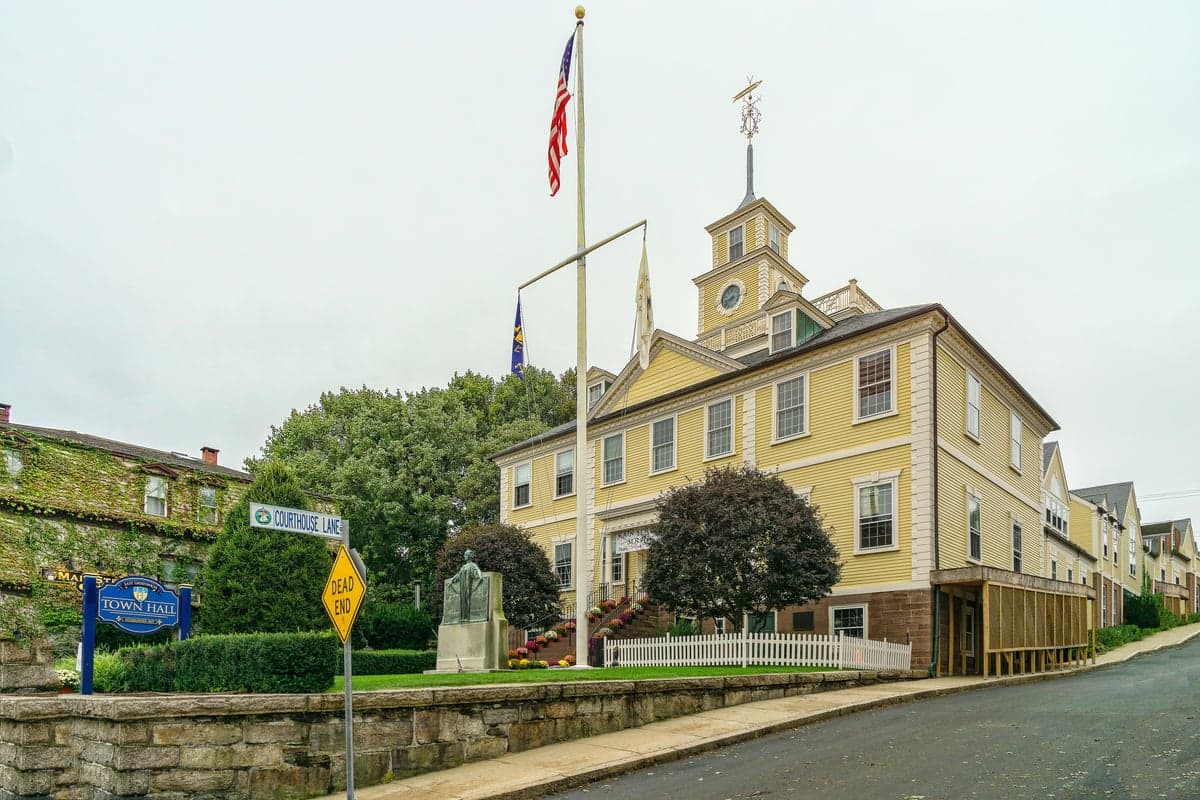
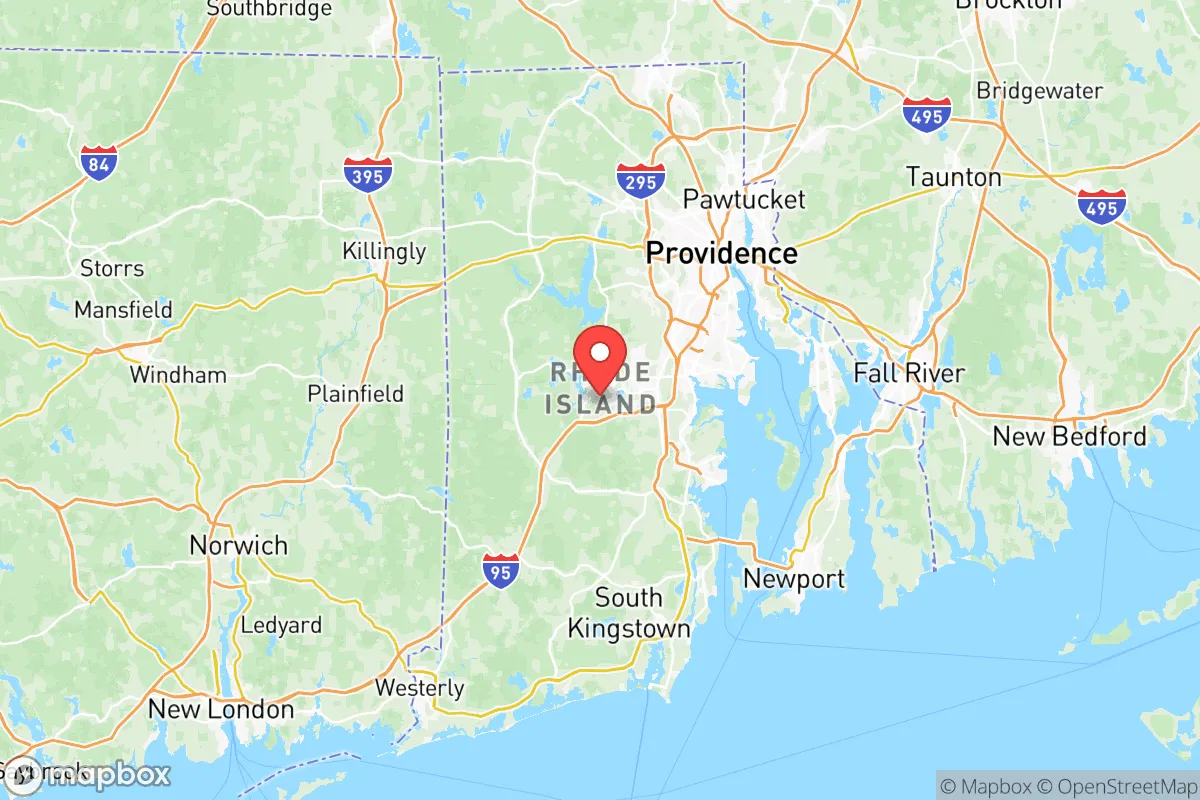
Photo: Wikipedia
Quality of Life in Kent County
A livable area that tracks near national norms for affordability, walkability, and neighborhood health.
What does Quality of Life tell us?
Quality of Life measures an area by evaluating factors like cost of living, nearby amenities, country club access, airport proximity, socioeconomic signals and neighborhood character. For large states, this is a general average — quality of life can vary dramatically between metro areas, suburbs, and rural communities within the same state.
What does this tell us?
Quality of Life measures an area by evaluating factors like cost of living, nearby amenities, country club access, airport proximity, socioeconomic signals and neighborhood character. For large states, this is a general average — quality of life can vary dramatically between metro areas, suburbs, and rural communities within the same state.
Cost of Living
13% above national average
96%
The Real Cost of Living in Kent County for 2026
| Tier | Individual | Family (4) |
|---|---|---|
| Survival | $20k | $38k |
| Comfortable | $65k | $95k |
| Luxury | $151k+ | $234k+ |
| Elite (Top 5%) | $178k+ | $275k+ |
Quality-of-Life Analysis
Kent County, Rhode Island, offers a quality-of-life spectrum that spans dense, amenity-rich suburban towns, quiet historic villages, and working rural landscapes, drawing everyone from Providence commuters and college-town residents to equestrians and small-scale farmers. The county’s character shifts noticeably from the Narragansett Bay shoreline inland, with Warwick providing the urban-suburban core, West Warwick and East Greenwich offering distinct historic and commuter niches, and Coventry, West Greenwich, and Exeter delivering progressively more land and privacy. With a cost-of-living index of 113 (13% above the U.S. average), a median home value of $333,900, and a median rent of $1,264, the county presents a notable price spread between its waterfront and inland communities.
Largest town(s) & population centers
Warwick, the county’s largest municipality with roughly 82,000 residents, functions as the region’s commercial and transportation hub. Daily life here centers on the Providence Place–style retail corridor along Route 2, the TF Green Airport employment zone, and the waterfront parks and marinas along Greenwich Bay. Warwick offers the widest range of housing stock, from $200,000 condos near the airport to $500,000+ waterfront colonials, and its school system is the county’s largest. West Warwick, a smaller, denser former mill town of about 29,000, provides more affordable entry points — older triple-deckers and capes in the $250,000–$300,000 range — and a walkable Main Street with Portuguese bakeries and local pubs. East Greenwich, by contrast, is the county’s most affluent population center, with a historic hilltop village, a highly rated school system, and a median home value well above the county average; its Main Street draws visitors for boutique shopping and dining, and the town’s commuter rail station offers a 30-minute ride to Providence or a 90-minute trip to Boston. The average commute across the county is about 25 minutes, but East Greenwich residents often report slightly longer times due to train schedules, while Warwick commuters can reach downtown Providence in under 20 minutes by car.
Smaller towns & rural pockets
Coventry, the county’s largest town by land area, blends suburban subdivisions along the Washington Secondary Bike Path with genuinely rural stretches near the Connecticut line. The village of Greene, in western Coventry, still operates as a crossroads with a general store and volunteer fire station, and the town’s 15,000 acres of open space include the 3,000-acre George B. Parker Woodland. West Greenwich, with fewer than 6,000 residents, is almost entirely rural — no downtown, no traffic lights on most roads, and large-lot zoning that keeps development sparse. The Big River Management Area, a 5,000-acre former reservoir watershed, offers hiking, hunting, and mountain biking. Exeter, population roughly 6,500, is the county’s quietest town, with working horse farms, the Arcadia Management Area, and the state’s only public shooting range. These towns lack municipal water and sewer in many areas, meaning well and septic are standard, and internet options can be limited to DSL or fixed wireless outside the village cores. Home values in these rural pockets typically range from $280,000 for a fixer-upper ranch to $450,000 for a modern colonial on five acres, offering a significant price-per-square-foot discount compared to East Greenwich or coastal Warwick.
Cost & lifestyle range
The cost spread across Kent County is wide. At the high end, East Greenwich and the waterfront neighborhoods of Warwick’s Oakland Beach and Conimicut command median home values above $450,000, with some waterfront properties exceeding $700,000. These areas offer walkable village centers, top-tier schools, and direct bay access. At the affordable end, West Warwick and the rural stretches of Coventry and Exeter offer median home values closer to $280,000–$310,000, with rents often falling below the county median of $1,264. The trade-off is clear: lower prices in the western towns come with longer drives to grocery stores, fewer restaurant options, and higher reliance on personal vehicles. Amenities also vary sharply — East Greenwich has a weekly farmers market, a public library with robust programming, and a commuter rail stop, while Exeter has no supermarket, no pharmacy, and no public water system. Property taxes reflect these differences, with East Greenwich’s mill rate roughly 20% lower than West Warwick’s, though the higher assessed values in East Greenwich mean total tax bills are often comparable.
Kent County suits a broad range of households, but the fit depends heavily on which part of the spectrum a buyer or renter chooses. Commuters who want a walkable downtown and a train to Providence or Boston will gravitate toward East Greenwich. Families seeking the most schools and shopping options will land in Warwick. Those who prioritize land, privacy, and outdoor recreation — and are willing to trade away sidewalks and city water — will find their match in Coventry, West Greenwich, or Exeter. The county’s strength is that it offers all these options within a 25-minute average commute, making it one of Rhode Island’s most versatile places to live.

Crime in Kent County
Lower crime rates than 75% of comparable U.S. locations.
Violent CrimeViolent Crime Analysis
Property CrimeProperty Crime Analysis
Crime Analysis
Kent County, Rhode Island, presents a mixed safety profile that is significantly safer than the national average but requires careful neighborhood-level evaluation, particularly in its more urbanized areas. With a violent crime rate of 143.9 per 100,000 residents and a property crime rate of 909.3 per 100,000, the county is a study in contrasts: its suburban towns like East Greenwich and West Warwick generally report lower incident rates, while the county seat of Warwick and the city of Cranbrook experience higher concentrations of property offenses. The county's overall safety picture is shaped by its position within the Providence metropolitan area, where progressive judicial policies in the state's court system have drawn criticism for prioritizing offender rehabilitation over public safety, a factor that residents and prospective movers should weigh carefully.
Crime in context
When measured against national benchmarks, Kent County's violent crime rate of 143.9 per 100,000 is roughly 60% lower than the U.S. average of 380 per 100,000, placing it among the safer suburban counties in New England. Property crime, however, at 909.3 per 100,000, sits closer to the national figure of 1,954 per 100,000 but still represents a meaningful gap. Compared to the rest of Rhode Island, Kent County's violent crime rate is slightly below the state average of 200 per 100,000, while its property crime rate is near the state median. The county benefits from a relatively small geographic footprint and a population of roughly 170,000, which allows for more responsive policing than in sprawling metro areas. However, the presence of progressive district attorneys in Rhode Island's judicial districts—particularly in Providence County, which borders Kent—has led to lenient sentencing patterns and reduced incarceration rates that critics argue embolden repeat offenders and undermine deterrence. This regional justice philosophy means that even in a statistically safe county, the risk of property crime recidivism remains elevated.
What residents experience
Daily life in Kent County is generally peaceful, but residents in the more densely populated towns of Warwick and Cranston report higher instances of vehicle break-ins, package theft, and vandalism—crimes that are often linked to regional property crime rings. Warwick, the largest city in the county with over 80,000 residents, sees the bulk of reported property offenses, particularly in commercial corridors like Route 2 and the T.F. Green Airport area. In contrast, East Greenwich and West Greenwich consistently post the lowest crime rates in the county, with violent incidents being rare and property crime largely limited to isolated thefts. The town of Coventry occupies a middle ground, with a modest but noticeable uptick in drug-related offenses tied to the broader opioid crisis affecting Rhode Island. Residents in these communities often express frustration that the state's justice system, influenced by progressive prosecutors in the Rhode Island Attorney General's office, does not adequately hold property offenders accountable, leading to a sense that "catch and release" policies are the norm for non-violent crimes. This perception is supported by data showing that property crime clearance rates in Rhode Island hover around 15%, well below the national average of 20%.
Neighborhood-level variation
Within Kent County, safety varies sharply by municipality and even by neighborhood. The Apponaug and Pawtuxet Village areas of Warwick have higher reported crime densities than the more affluent, lakefront neighborhoods of Oakland Beach. Cranston's western neighborhoods, closer to the Scituate line, are markedly safer than its eastern edge abutting Providence. For prospective residents, the safest bets are the smaller, more insular towns: East Greenwich (violent crime rate under 100 per 100,000) and West Greenwich (essentially rural, with negligible crime). The county's most significant safety concern is not violent crime but the persistent property crime problem, which is exacerbated by Rhode Island's progressive judicial policies that prioritize diversion programs over incarceration. Anyone considering a move to Kent County should research specific street-level crime maps and factor in the county's proximity to Providence's more troubled neighborhoods, as well as the state's overall approach to criminal justice, which prioritizes rehabilitation over punishment.
* Values derived from national, state, county, city and local statistics and may differ in a specific area. Last updated: 2026-07-01T17:05:23.000Z
Narrative content on this page is AI-generated and may contain mistakes. Verify any details that matter before acting on them.
ReloMaps may earn a commission from affiliate links at no extra cost to you.

