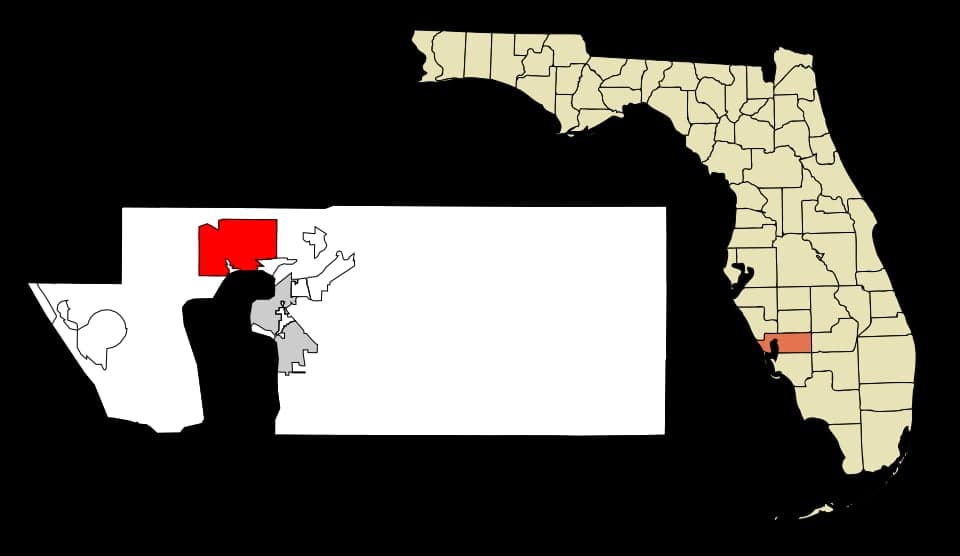
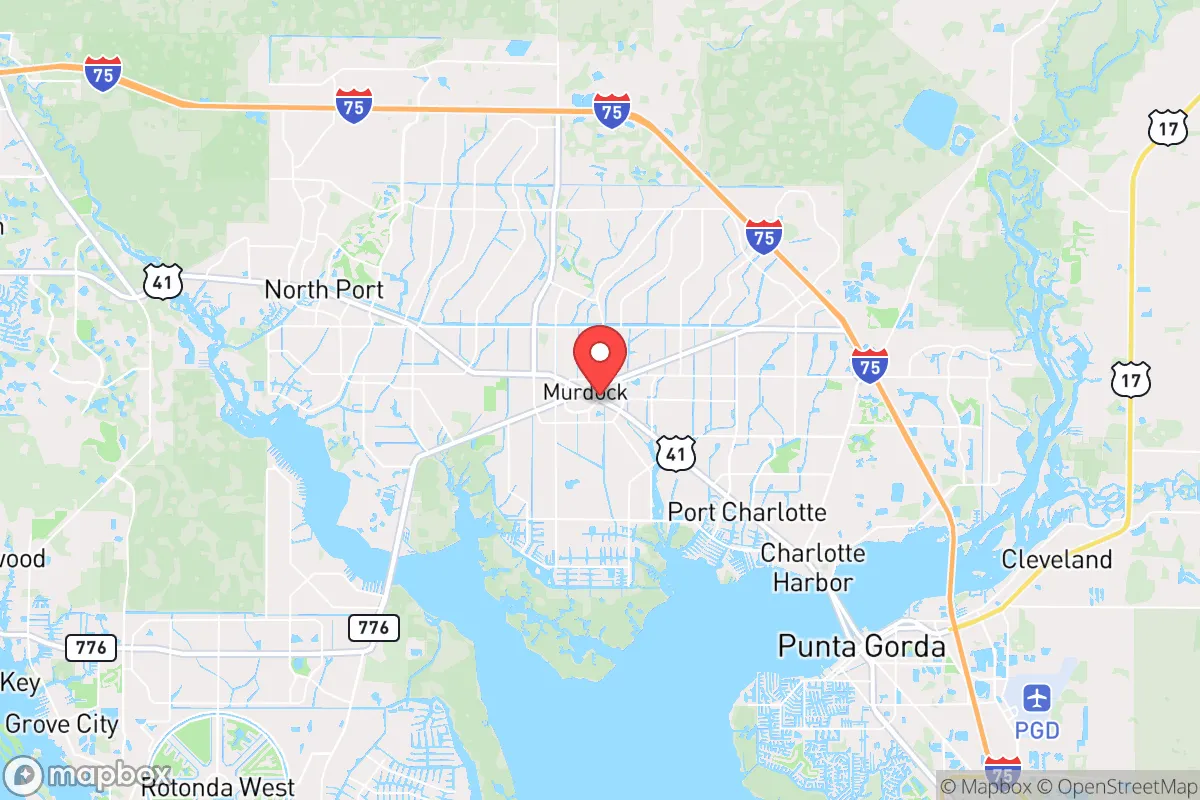
Photo: Wikipedia
Quality of Life in Port Charlotte, FL
A high quality of life with strong walkability, manageable living costs, healthy neighborhood signals, and solid amenity access.
What does Quality of Life tell us?
Quality of Life blends cost of living, nearby amenities, socioeconomic signals, and neighborhood character. City-level scores represent the whole municipality; individual neighborhoods can differ.
What does this tell us?
Quality of Life blends cost of living, nearby amenities, socioeconomic signals, and neighborhood character. City-level scores represent the whole municipality; individual neighborhoods can differ.
Cost of Living
4% above national average
The Real Cost of Living in Port Charlotte, FL for 2026
| Tier | Individual | Family (4) |
|---|---|---|
| Survival | $21k | $40k |
| Comfortable | $48k | $71k |
| Luxury | $101k+ | $157k+ |
| Elite (Top 5%) | $119k+ | $185k+ |
85%
The Area Signal
A metric tracking the socioeconomic signals of the area.
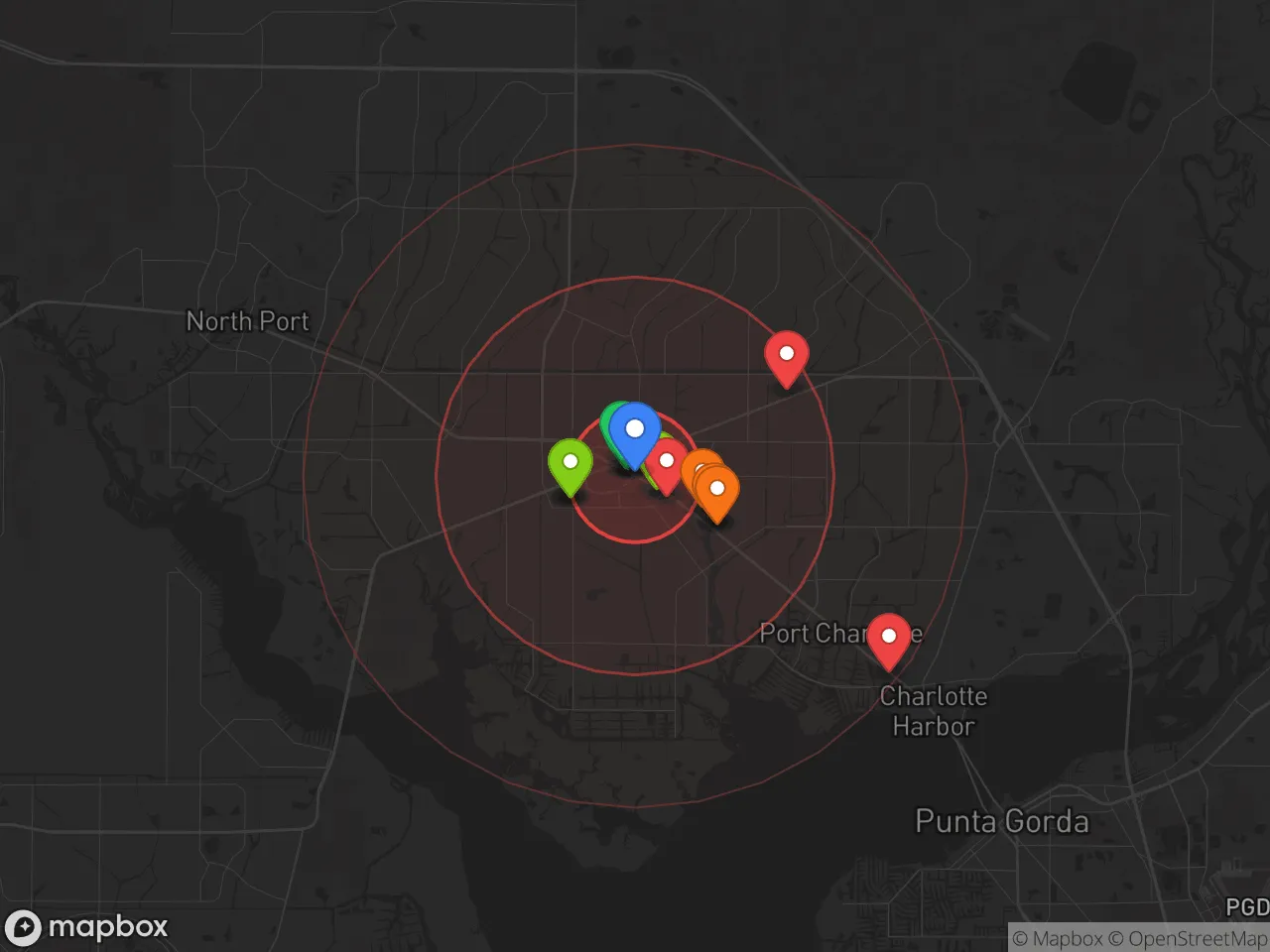
Hobbies
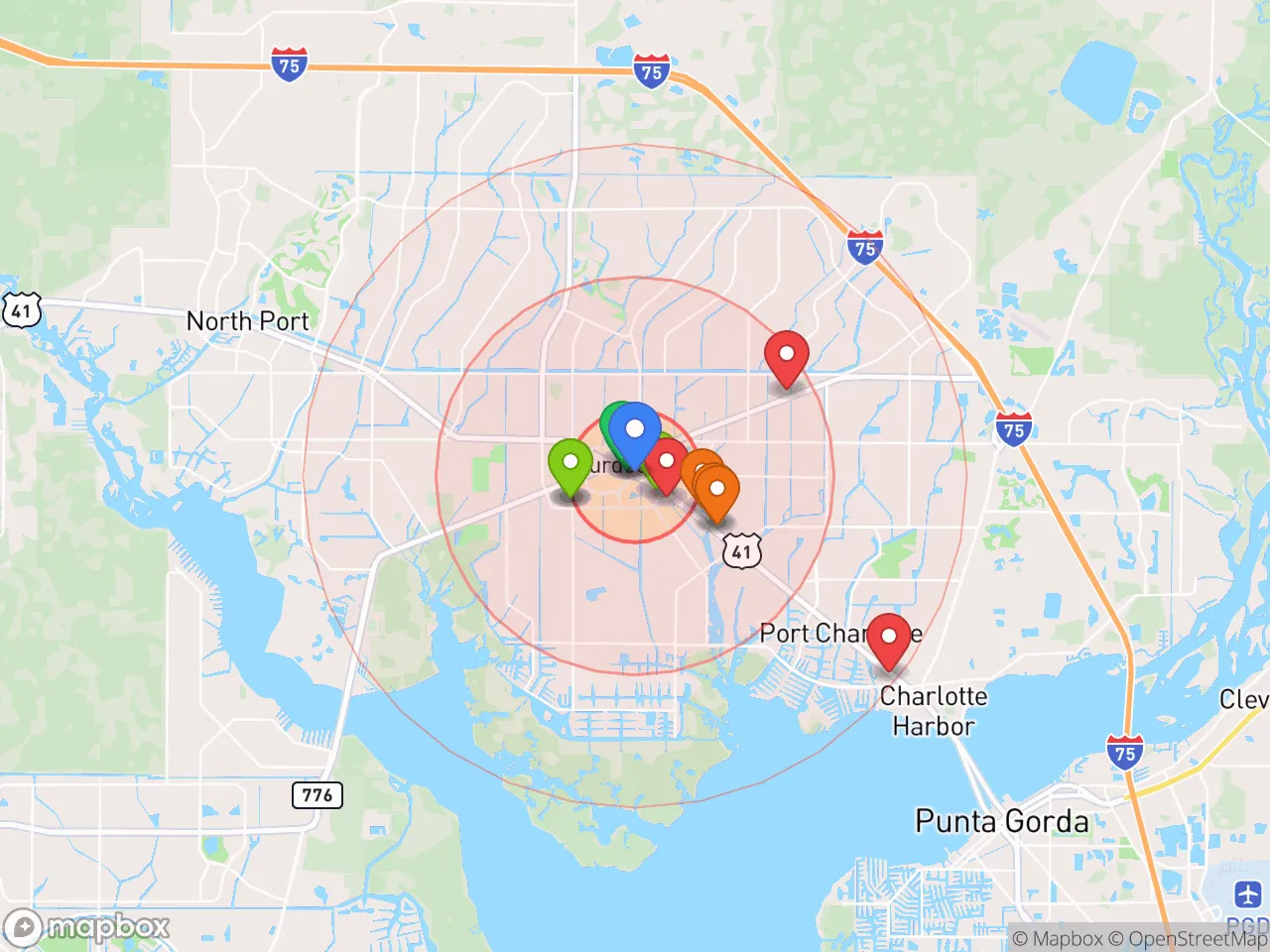
Explore the areaGroceries
8 within 10 miles
Gas
20 within 10 miles
Hospital
8 within 20 miles
Airport
TPA — Tampa International
Post Office
USPS — Port Charlotte, FL
Critical Amenities
Quality-of-Life Analysis
Port Charlotte, Florida, offers a middle-market quality of life that appeals strongly to retirees, remote workers, and families seeking a quieter, more affordable alternative to Sarasota or Fort Myers. With a cost of living index of 104 (just 4% above the national average) and a median home value of $249,400, the area attracts residents who want Gulf Coast access without the premium price tags of nearby coastal cities. The population skews older — roughly 30% of residents are 65 or older — but a growing number of younger families are drawn by the area’s relative affordability and slower pace.
Cost of living, housing affordability, and how Port Charlotte compares to nearby cities
Port Charlotte’s cost of living sits at 104 on the national index, meaning everyday expenses are only slightly above the U.S. average — a stark contrast to Sarasota (index ~115) or Naples (index ~130). The median home value of $249,400 is roughly $100,000 less than the median in Sarasota and about $200,000 less than in Naples, making Port Charlotte one of the more attainable entry points for homeownership on Florida’s southwest coast. Median rent of $1,335 is similarly competitive: a two-bedroom apartment in Port Charlotte typically costs $200–$400 less per month than a comparable unit in Fort Myers or Sarasota. The average commute of 25.6 minutes is manageable, with most residents driving to jobs in the Port Charlotte–North Port area or south to Punta Gorda. However, property insurance costs are high — expect annual premiums of $3,000–$5,000 for a standard home — and flood insurance is required in many zones, which can add $800–$1,500 per year to housing costs.
What daily life is like: amenities, schools, and the local rhythm
Daily life in Port Charlotte revolves around outdoor recreation and low-key convenience. The area is crisscrossed by the Myakka River and Charlotte Harbor, offering boating, fishing, and kayaking access from multiple public ramps and parks. The Charlotte Sports Park (spring training home of the Tampa Bay Rays) and the Port Charlotte Town Center Mall anchor the retail and entertainment scene, while the Charlotte County Public Schools system serves most families — Port Charlotte High School and Charlotte High School both maintain C ratings from the Florida Department of Education, with some charter options like the Port Charlotte Preparatory Academy offering alternative curricula. Healthcare is a strong point: HCA Florida Fawcett Hospital and ShorePoint Health Port Charlotte provide emergency and specialty care within a 10-minute drive for most residents. The area lacks a dense urban core; instead, life centers on strip-mall plazas, chain restaurants, and the waterfront. For nightlife or fine dining, residents typically drive 20–30 minutes north to Sarasota or south to Fort Myers.
Port Charlotte is best suited for people who prioritize affordability, water access, and a slower pace over urban energy or top-tier schools. Retirees on fixed incomes will appreciate the low housing costs relative to the rest of the Gulf Coast, while remote workers and tradespeople benefit from the reasonable commute times and lower rent. Families should weigh the average school ratings and consider charter or private options. Those seeking a vibrant downtown, walkable neighborhoods, or high-end cultural amenities will likely find Port Charlotte too suburban — but for anyone who wants a solid, budget-friendly base near the water, it delivers consistently.

Crime in Port Charlotte, FL
Generally safer than 68% of comparable U.S. locations.
Violent CrimeViolent Crime Analysis
Property CrimeProperty Crime Analysis
Crime Analysis
Port Charlotte, Florida, presents a mixed safety profile that demands careful consideration from potential residents. The area's violent crime rate of 207.9 incidents per 100,000 people is notably lower than both the Florida state average and the national median, offering a degree of reassurance. However, the property crime rate of 901.5 per 100,000 is a significant concern, exceeding national averages and indicating that theft and burglary are more common risks for homeowners and renters in this unincorporated community.
Crime in context
When compared to broader benchmarks, Port Charlotte's violent crime rate is a clear positive. The figure of 207.9 per 100,000 is roughly 40% lower than the national average of approximately 380 per 100,000, and it also sits comfortably below the Florida state average. This suggests that serious offenses like homicide, assault, and robbery are statistically less frequent here than in many other parts of the country. In contrast, the property crime rate of 901.5 per 100,000 is a point of caution. This rate is roughly 20% higher than the national average of around 750 per 100,000, placing Port Charlotte in a higher-risk category for larceny, motor vehicle theft, and especially burglary, which is a persistent issue in many Florida communities.
What residents experience
Daily life in Port Charlotte involves a practical awareness of property security. Residents frequently report that unlocked vehicles and homes are primary targets for opportunistic theft, making simple preventative measures—like locking doors and securing garages—a standard part of the routine. The lower violent crime rate means that random acts of serious violence are not a common fear, but the community is not immune to drug-related offenses and domestic incidents that can spike in certain pockets. A significant factor for many is the local judicial environment. As part of the 20th Judicial Circuit, which covers Charlotte County, the area is influenced by a broader regional trend toward progressive prosecution policies. Critics argue that such an approach, which often prioritizes rehabilitation and reduced sentencing for non-violent offenders, can lead to a revolving-door effect for property criminals, undermining deterrence and increasing the likelihood of repeat offenses against the same neighborhoods.
Neighborhood-level safety in Port Charlotte varies considerably. Areas closer to the U.S. 41 corridor and older, denser subdivisions near the Myakka River tend to report higher incidences of property crime. In contrast, newer master-planned communities like West Port and those along the Gulf Coast, such as South Gulf Cove, often benefit from homeowners' association security measures and lower traffic, resulting in fewer reported incidents. Prospective residents should examine crime maps for specific subdivisions, as a few blocks can make a meaningful difference in daily safety and peace of mind.
* Values derived from national, state, county, city and local statistics and may differ in a specific area. Last updated: 2026-07-20T01:34:21.000Z
Narrative content on this page is AI-generated and may contain mistakes. Verify any details that matter before acting on them.
ReloMaps may earn a commission from affiliate links at no extra cost to you.

