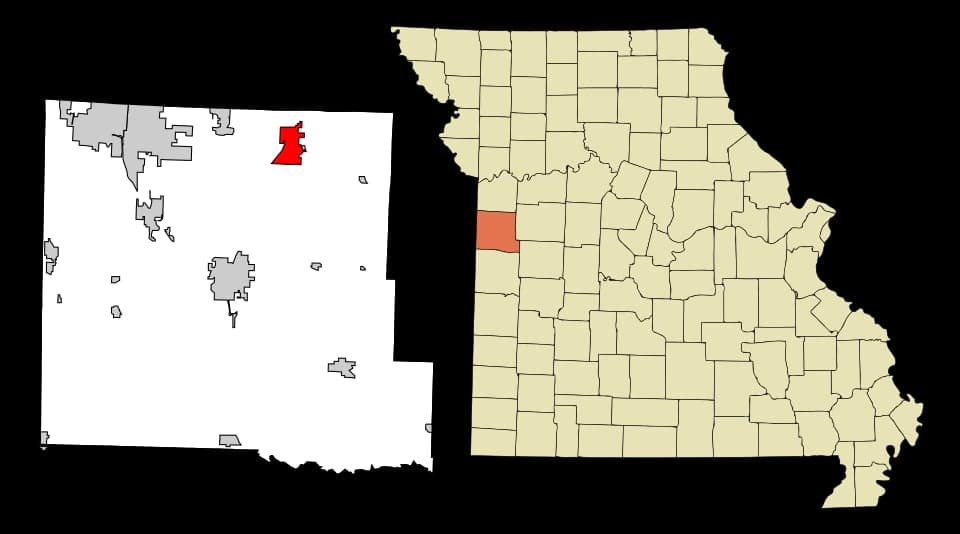
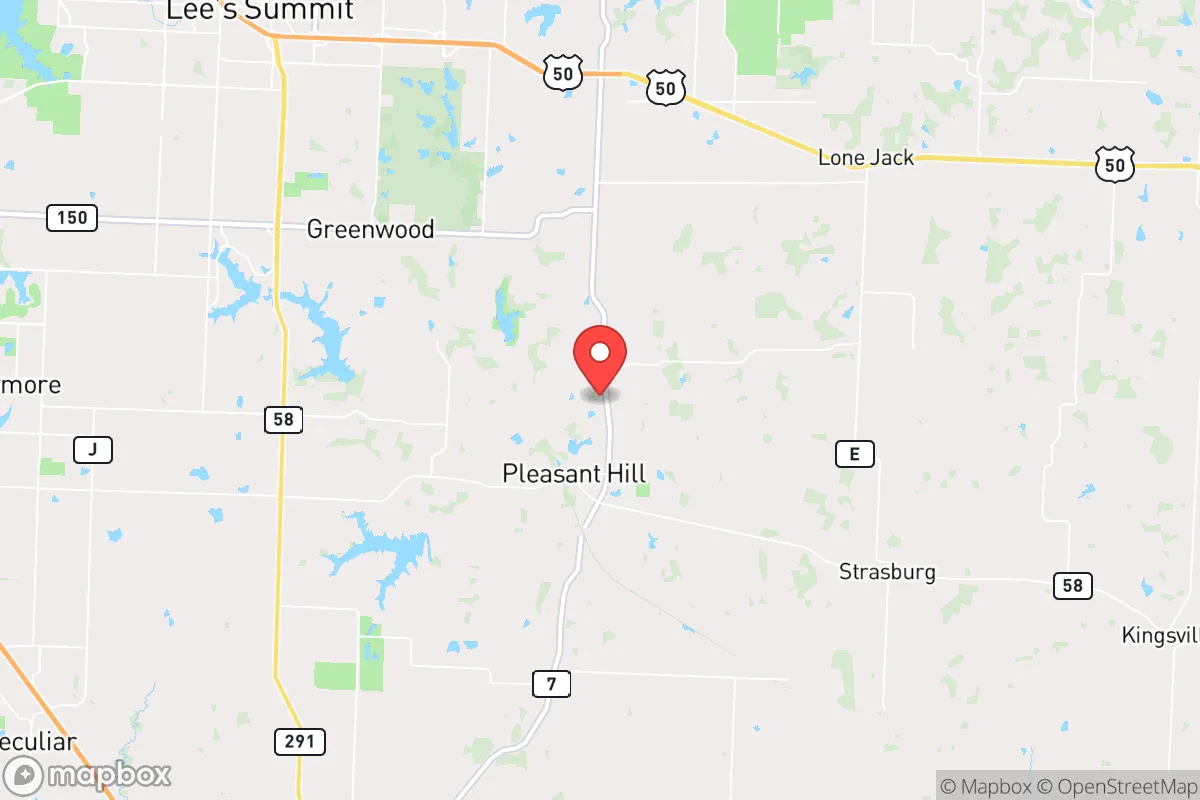
Photo: Wikipedia
Quality of Life in Pleasant Hill, MO
A high quality of life with strong walkability, manageable living costs, healthy neighborhood signals, and solid amenity access.
What does Quality of Life tell us?
Quality of Life blends cost of living, nearby amenities, socioeconomic signals, and neighborhood character. City-level scores represent the whole municipality; individual neighborhoods can differ.
What does this tell us?
Quality of Life blends cost of living, nearby amenities, socioeconomic signals, and neighborhood character. City-level scores represent the whole municipality; individual neighborhoods can differ.
Cost of Living
6% below national average
The Real Cost of Living in Pleasant Hill, MO for 2026
| Tier | Individual | Family (4) |
|---|---|---|
| Survival | $18k | $34k |
| Comfortable | $48k | $70k |
| Luxury | $110k+ | $170k+ |
| Elite (Top 5%) | $129k+ | $200k+ |
135%
The Area Signal
A metric tracking the socioeconomic signals of the area.
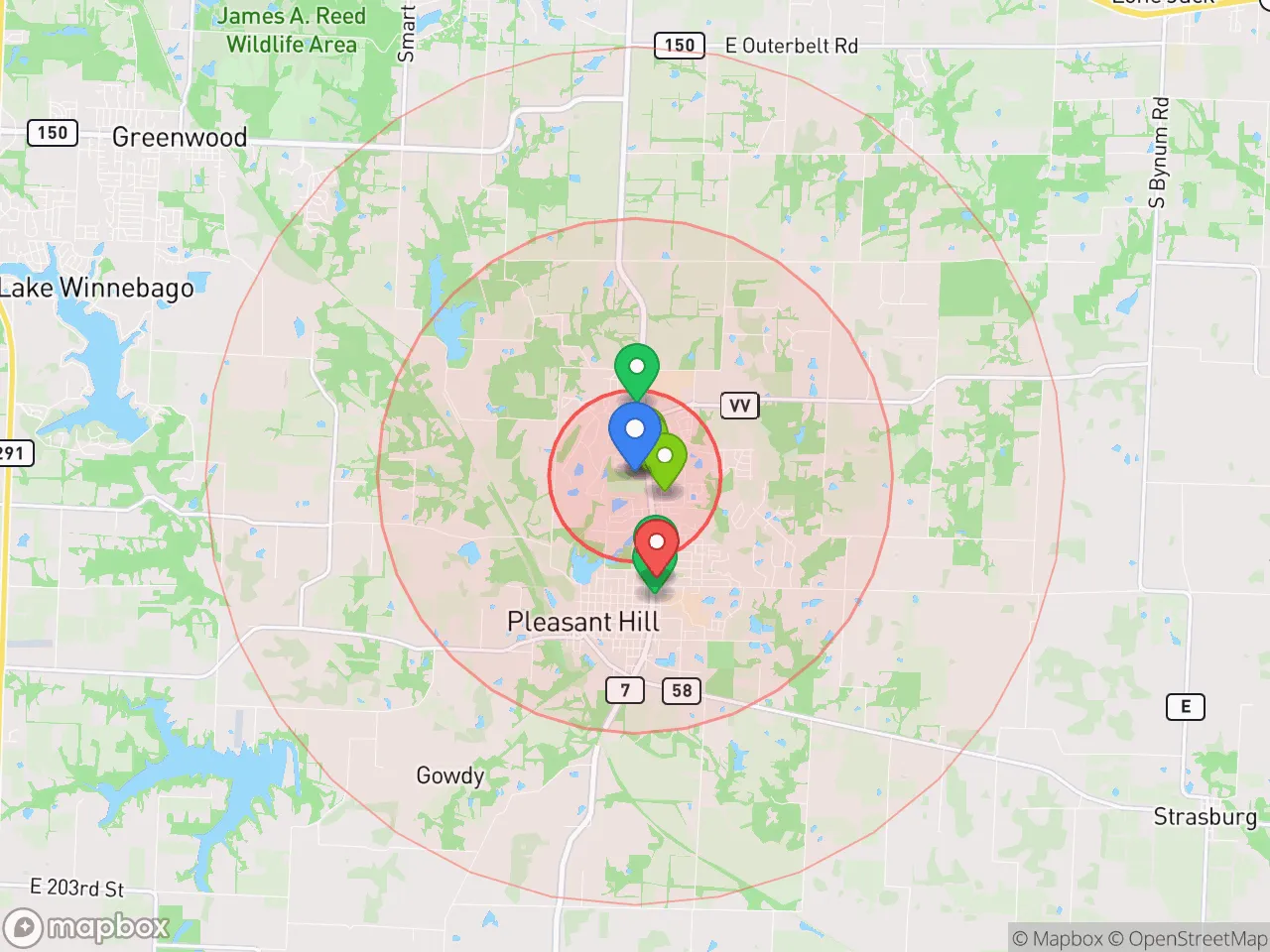
Hobbies
Explore the areaGroceries
5 within 10 miles
Gas
19 within 10 miles
Hospital
9 within 20 miles
Airport
MCI — Kansas City International
Post Office
USPS — Pleasant Hill, MO
Critical Amenities
Quality-of-Life Analysis
Pleasant Hill, Missouri, presents a distinctly affluent quality of life within the Kansas City metro area, attracting a demographic of established professionals, growing families, and long-term residents who prioritize space, safety, and community over urban immediacy. With a cost of living index of 94—6% below the national average—the city offers a tangible financial advantage over nearby Overland Park or Lee’s Summit, yet its median home value of $245,400 and median rent of $1,139 reflect a market that is neither cheap nor overheated, but rather solidly middle-to-upper-middle class. The average commute of roughly 34 minutes underscores a trade-off: residents accept a longer drive to downtown Kansas City or corporate hubs in exchange for larger lots, quieter streets, and a slower daily rhythm.
Cost of living, housing market, and affordability compared to Kansas City suburbs
Pleasant Hill’s housing costs sit well below the national median home value of roughly $350,000, making it one of the more attainable options for buyers seeking a single-family home within commuting distance of Kansas City. The median home value of $245,400 is roughly 30% lower than comparable suburbs like Lee’s Summit (around $350,000) or Blue Springs (around $280,000), while the median rent of $1,139 is similarly competitive—about $200–$300 less per month than in those neighboring cities. This affordability gap is driven largely by Pleasant Hill’s more rural character and smaller commercial tax base, though property taxes in Cass County remain moderate. For renters, the market is tight but not impossible; a two-bedroom apartment typically falls between $1,000 and $1,200, which is manageable for a household earning the area’s median income of roughly $75,000. The overall cost of living index of 94 means groceries, utilities, and transportation are all slightly cheaper than the U.S. average, though the long commute—averaging 34 minutes—adds a real fuel and maintenance cost that buyers should factor into their budget.
What daily life is like for families: schools, amenities, and local character
Daily life in Pleasant Hill revolves around the Pleasant Hill R-III School District, which serves roughly 2,700 students across four schools and earns a solid B rating from Niche, with above-average test scores in math and reading. The district is a primary draw for families, who cite small class sizes and a strong sense of community as key advantages over larger, more anonymous suburban districts. Beyond school, the city’s amenities center on the historic downtown square—home to a handful of locally owned restaurants, a farmers market, and seasonal events like the Pleasant Hill Fall Festival—and the nearby Pleasant Hill Lake, a 200-acre reservoir popular for fishing, kayaking, and walking trails. For daily errands, residents rely on a modest strip of big-box retailers and grocery stores along MO-7, though most head to Lee’s Summit (15 minutes east) for major shopping or medical services. The trade-off is clear: Pleasant Hill offers a quieter, more neighborly atmosphere than the fast-paced suburbs closer to Kansas City, but it lacks the dining variety, entertainment options, and employment density of a larger city. The average commute of 34 minutes—one of the longest in the metro for a suburb of this size—is a daily reality that shapes family schedules, with many parents planning drop-offs and pickups around the drive.
Pleasant Hill is best suited for families and professionals who value space, affordability, and a tight-knit community over urban convenience and nightlife. It works well for remote workers who can tolerate a longer commute a few days a week, or for those employed in manufacturing, logistics, or education within Cass County itself. Retirees on a fixed income may find the low cost of living appealing, though the lack of walkable amenities and specialized healthcare could be a drawback. Ultimately, Pleasant Hill offers a stable, family-oriented quality of life that rewards those willing to trade a longer drive for a larger home and a slower pace—a calculation that, for many, adds up to a clear net gain.

Crime in Pleasant Hill, MO
Lower crime rates than 92% of comparable U.S. locations.
Violent CrimeViolent Crime Analysis
Property CrimeProperty Crime Analysis
Crime Analysis
Pleasant Hill, Missouri, presents a notably safer profile than many communities in the Kansas City metropolitan area, with violent crime rates significantly below both state and national averages. The city’s violent crime rate of 90.1 incidents per 100,000 residents is roughly one-fifth the national average, while its property crime rate of 720.6 per 100,000 sits below the Missouri state average but slightly above the national figure. This data positions Pleasant Hill as a relatively low-crime suburb, though residents should remain aware of property-related risks and the broader regional justice environment.
Crime in context
Pleasant Hill’s violent crime rate of 90.1 per 100,000 is dramatically lower than the U.S. average of roughly 380 per 100,000 and well under Missouri’s state rate of approximately 540 per 100,000. Homicide, robbery, and aggravated assault are rare events here. Property crime, at 720.6 per 100,000, is below the Missouri average of about 2,300 per 100,000 but slightly above the national property crime rate of roughly 1,950 per 100,000. The most common property offenses are larceny-theft and motor vehicle theft, which tend to cluster near retail corridors and highway access points like MO-7 and MO-58. For context, nearby larger cities like Kansas City and Independence report violent crime rates three to five times higher, underscoring Pleasant Hill’s relative safety as a bedroom community.
What residents experience
Daily life in Pleasant Hill is generally quiet, with most crime being opportunistic rather than violent. Residents report feeling safe walking downtown and using city parks, though they advise locking vehicles and securing outbuildings, as property crime is the primary concern. The city’s police department maintains a visible presence, and community policing efforts are active. However, a significant concern for residents is the influence of the broader Jackson County and Cass County justice systems. Progressive prosecutorial policies in the Kansas City metro area, including cash bail reform and diversion programs for property offenders, have been criticized for releasing repeat offenders back onto the streets. This regional approach means that even in a low-crime suburb like Pleasant Hill, residents may encounter criminals who have been cycled through the system multiple times without meaningful consequences, undermining the deterrent effect of law enforcement.
Neighborhood-level variation is modest but worth noting. The area around the historic downtown square and newer subdivisions east of I-49 tend to have the lowest crime rates, while rental properties and apartments near the MO-7 commercial strip see slightly higher property crime incidents. The city’s proximity to major highways also makes it a target for transient property crime, such as vehicle break-ins at trailheads and shopping centers. Overall, Pleasant Hill offers a safe residential environment, but the regional justice system’s leniency toward property offenders is a legitimate concern for long-term safety and community stability.
* Values derived from national, state, county, city and local statistics and may differ in a specific area. Last updated: 2026-10-03T18:54:29.000Z
Narrative content on this page is AI-generated and may contain mistakes. Verify any details that matter before acting on them.
ReloMaps may earn a commission from affiliate links at no extra cost to you.

