Photo: Wikipedia
Find The Best Places To Live
in Pleasant Hill
PRO TIP! You can paste a Zillow or Redfin link to get info on that property.
What It's Like Living in Pleasant Hill, MO
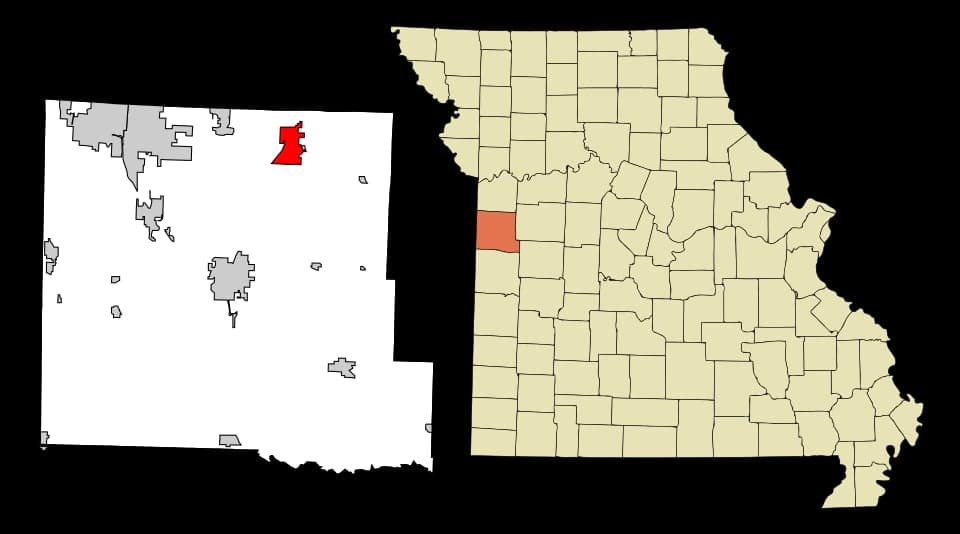
Pleasant Hill, Missouri, feels like a place that hasn't quite decided whether it wants to stay a small farm town or grow into a full-fledged Kansas City suburb. With just under 9,000 residents, it’s got a quiet, self-contained rhythm—people wave at you on the square, and the high school football game on Friday night is genuinely the event of the week. But it’s also close enough to the city that you can smell the barbecue from KC’s best joints in under 40 minutes, which gives it a practical edge for folks who want space without total isolation.
Daily Rhythm: The Commute, the Square, and the Weekend Routine
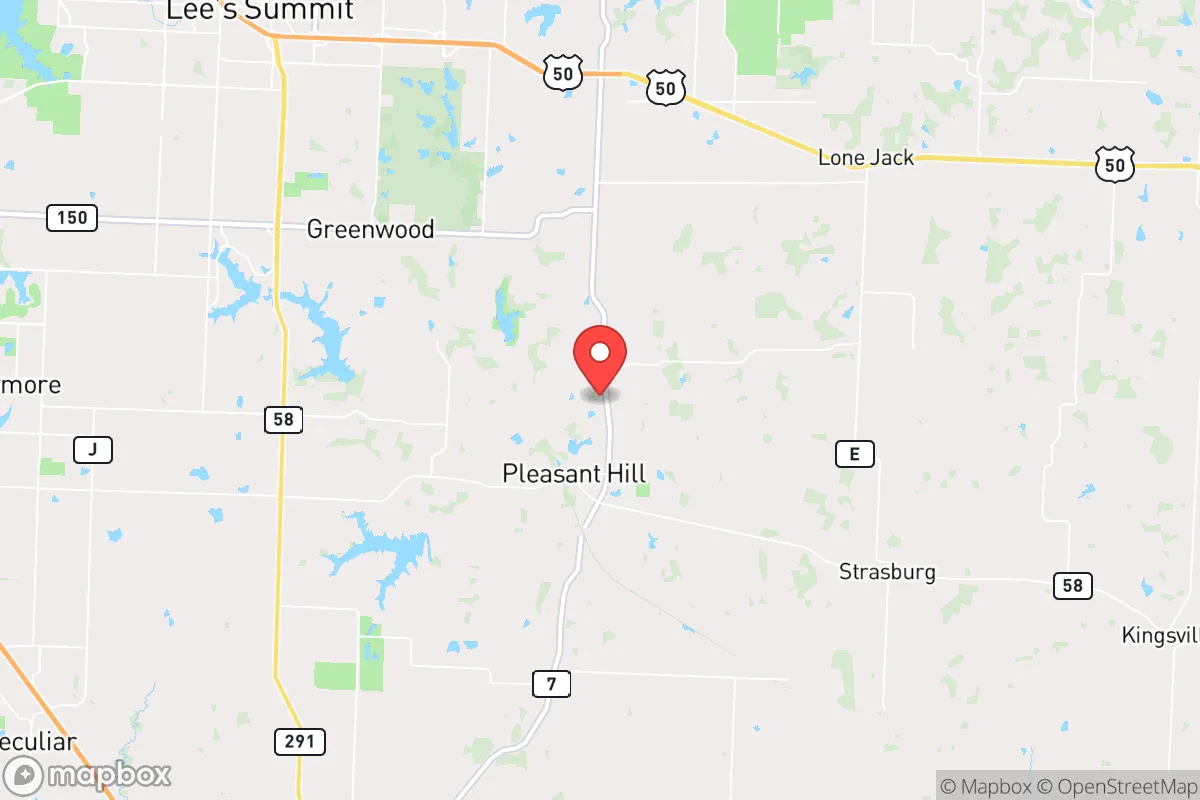
The biggest practical reality here is the commute. The average drive to work clocks in at about 34 minutes, which is longer than the national average and a real factor in daily life. Most people are heading north to jobs in Lee’s Summit, Grandview, or downtown Kansas City, so the morning and evening rush on Highway 58 and 7 Highway is a predictable grind. That said, the trade-off is a median home value around $245,400—roughly $50,000 less than what you’d pay in Lee’s Summit for a comparable house. The cost of living index sits at 94, meaning your dollar stretches further, especially on housing.
Weekends here are low-key. The downtown square has a few anchors: Mama’s on the Square for breakfast, Pleasant Hill Coffee Company for caffeine, and Bucky’s Bar & Grill for a cold beer and a burger. People shop at the local Price Chopper or drive to the Walmart in Raymore. The big outdoor draw is Pleasant Hill Lake, a 200-acre reservoir with a walking trail, fishing pier, and a small beach—it’s where families spend summer Saturdays. The city also maintains several smaller parks, but there’s no major hiking or mountain biking within town limits; for that, you head to Fleming Park in Lee’s Summit or Longview Lake.
Sports, Community, and the High School as the Social Hub
If you live here, you will know the Pleasant Hill High School Roosters. The football team is the center of gravity from August through November, and the gym gets loud for basketball in the winter. There’s no pro or college sports team in town—the nearest are the Chiefs and Royals in KC—but the high school games are where neighbors catch up and local businesses sponsor banners. The community also rallies around the Pleasant Hill Rodeo in June, a genuine small-town event with bull riding, barrel racing, and a parade that shuts down the square. It’s not a tourist attraction; it’s a local tradition that’s been running for decades.
The kind of person who fits in here is someone who values that sense of belonging. The median age is 35.6, and the median household income is $94,840—solidly middle-class, with a lot of families in the trades, local government, or commuting to white-collar jobs in KC. About 29% of adults hold a bachelor’s degree or higher, which is below the national average, so the professional class is present but not dominant. You’ll find a mix of young couples buying their first home, empty-nesters downsizing from farms, and multi-generational families who’ve been here since the railroad days.
What’s There to Do: Festivals, Food, and the Quiet Side
Entertainment is limited but intentional. The Cass County Fair in July is a big deal—livestock shows, carnival rides, and funnel cake. The Pleasant Hill Arts Council puts on a few concerts and theater productions at the community center, but there’s no dedicated music venue or nightclub. For live music, you drive to Knucklehead’s in Kansas City or catch a show at the Uptown Theater. Restaurants are mostly local chains and mom-and-pops; the standout is El Maguey for Mexican food and Pizza Hut for takeout—there’s no craft pizza joint or farm-to-table spot yet.
Outdoor life revolves around the lake and the Pleasant Hill Trail, a paved path that loops through town. The weather is classic Midwestern: hot, humid summers (90°F+ in July), cold winters with occasional snow (January highs around 38°F), and a glorious two-week spring and fall. Tornado season is real—most homes have a basement or a storm shelter, and the sirens test on the first Wednesday of the month.
Pros and Cons of Living Here
- Pro: Affordable housing. You can buy a solid three-bedroom home for under $250,000, which is hard to beat in the KC metro.
- Pro: Low violent crime. The rate is 90.1 per 100,000—well below the national average of roughly 380. Property crime is more common, but most people feel safe walking the square at night.
- Con: The commute. 34 minutes each way adds up to nearly six hours a week in the car, and there’s no public transit option.
- Con: Limited amenities. No movie theater, no bowling alley, no major shopping. For a night out or a Target run, you’re driving to Lee’s Summit or Raymore.
- Con: Schools are average. Pleasant Hill R-6 School District scores around the state median. Families who prioritize top-tier academics often look at Blue Springs or Grain Valley.
The cultural quirk here is a quiet pride in being “not Lee’s Summit.” People like that the town hasn’t been overrun by strip malls and traffic lights. The downside is that growth is coming—new subdivisions are popping up on the east side—and some longtime residents worry about losing the small-town feel. For now, Pleasant Hill remains a place where you can leave your garage door open, know your neighbors by name, and still get to a Chiefs game in under an hour. It’s not for everyone, but for the right person, it’s exactly enough.

Similar small towns to Pleasant Hill
* Values derived from national, state, county, city and local statistics and may differ in a specific area. Last updated: 2026-10-03T18:54:29.000Z
Narrative content on this page is AI-generated and may contain mistakes. Verify any details that matter before acting on them.
ReloMaps may earn a commission from affiliate links at no extra cost to you.

