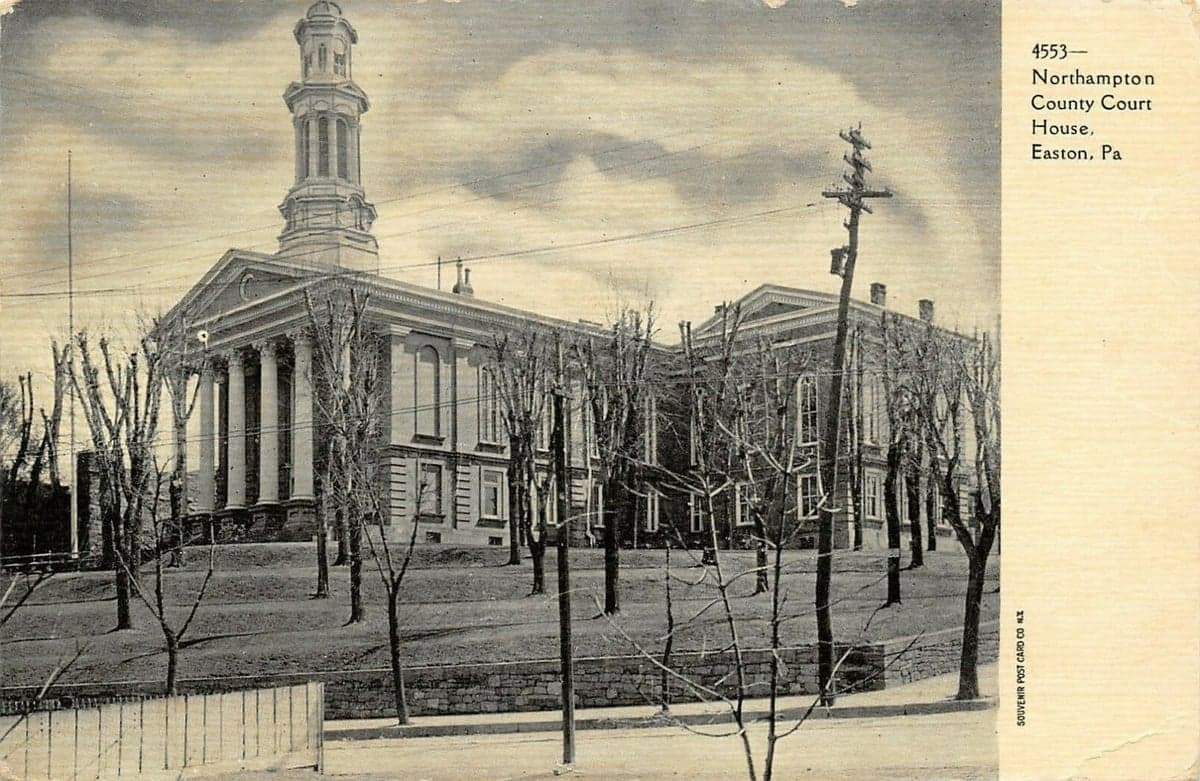
Photo: Wikipedia
Quality of Life in Northampton County
A livable area that tracks near national norms for affordability, walkability, and neighborhood health.
What does Quality of Life tell us?
Quality of Life measures an area by evaluating factors like cost of living, nearby amenities, country club access, airport proximity, socioeconomic signals and neighborhood character. For large states, this is a general average — quality of life can vary dramatically between metro areas, suburbs, and rural communities within the same state.
What does this tell us?
Quality of Life measures an area by evaluating factors like cost of living, nearby amenities, country club access, airport proximity, socioeconomic signals and neighborhood character. For large states, this is a general average — quality of life can vary dramatically between metro areas, suburbs, and rural communities within the same state.
Cost of Living
9% above national average
107%
The Real Cost of Living in Northampton County for 2026
| Tier | Individual | Family (4) |
|---|---|---|
| Survival | $21k | $40k |
| Comfortable | $55k | $81k |
| Luxury | $150k+ | $233k+ |
| Elite (Top 5%) | $177k+ | $274k+ |
Quality-of-Life Analysis
Northampton County, Pennsylvania, offers a broad quality-of-life spectrum that ranges from the walkable, historic river city of Easton to quiet, unincorporated farming hamlets like Klecknersville, attracting everyone from young professionals and Lehigh Valley commuters to retirees seeking small-town affordability. With a cost of living index of 109 (slightly above the national average), a median home value of $285,000, and a median rent of $1,335, the county provides a middle-ground price point between the higher-cost suburbs of New Jersey and the more rural, lower-cost areas of the Poconos. The average commute of roughly 27 minutes keeps most of the county within easy reach of major employment hubs in Allentown, Bethlehem, and the Interstate 78 corridor, making it a practical choice for those who want both access and space.
Largest town(s) & population centers
The county's primary population centers are Bethlehem (partially in Northampton County) and Easton, the county seat. Bethlehem, particularly its South Side and historic downtown, is a vibrant, mid-sized city anchored by Lehigh University and the SteelStacks arts and cultural campus. Daily life here is defined by a strong walkability score, a robust restaurant scene, and frequent festivals like Musikfest. Easton, meanwhile, offers a more compact, historic downtown centered on Centre Square, with a growing food scene, the State Theatre, and the Crayola Experience. Both cities provide dense, urban amenities, including diverse housing stock from Victorian rowhomes to new apartment complexes, and are the primary hubs for nightlife, dining, and professional services. For those seeking a more suburban feel within the same corridor, Bethlehem Township and Palmer Township offer large shopping centers, big-box retail, and newer subdivisions, with a car-dependent lifestyle that contrasts sharply with the walkable cores of the cities themselves.
Smaller towns & rural pockets
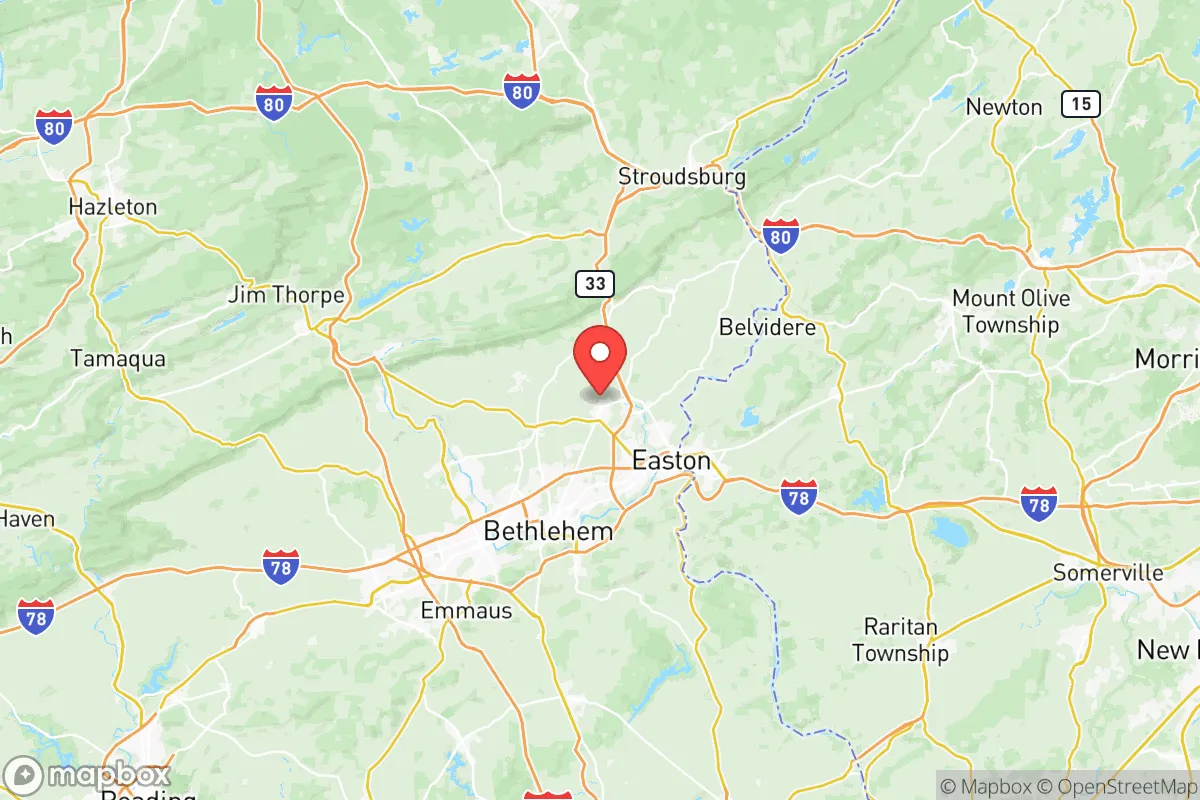
Moving away from the Lehigh River corridor, the county's character shifts dramatically. Nazareth is a classic, self-contained small town with a historic Moravian square, a strong sense of community, and a slower pace, yet it remains only a 15-minute drive from Bethlehem. Bath and Northampton (the borough) are smaller, working-class communities with their own local commercial strips and a more affordable housing market. Further north and west, the landscape opens into genuine rural territory. Moore Township and Lehigh Township are largely agricultural and wooded, with scattered homes and farms. Specific unincorporated places like Klecknersville, Treichlers, and Cherryville represent the most remote living options in the county, where residents rely on wells and septic systems, and the nearest grocery store may be a 15-minute drive. These areas offer privacy, land, and lower property taxes relative to the boroughs, but come with longer commutes and fewer immediate services.
Cost & lifestyle range
The cost of living and lifestyle options vary significantly across the county. At the higher end, Bethlehem and Easton command premium prices for historic homes and new downtown apartments, with median home values pushing above the county average of $285,000 in their most desirable neighborhoods. Lower Saucon Township, south of Bethlehem, features large-lot estates and newer executive homes, representing the most expensive suburban tier. In the middle, boroughs like Nazareth and Northampton offer a more attainable entry point, with many homes in the $200,000–$300,000 range and a median rent of $1,335 that is manageable for dual-income households. At the most affordable end, rural townships like Moore and Lehigh offer older fixer-uppers and mobile homes on acreage for well under $200,000, though buyers must factor in the cost of well maintenance, septic repairs, and longer commutes. The trade-off is clear: urban dwellers pay more for walkability and culture, while rural residents trade convenience for space and lower upfront costs.
Northampton County is best suited for those who want a genuine mix of urban, suburban, and rural living within a single county, without the extreme price tags of the New Jersey suburbs or the isolation of deep Pennsylvania farmland. Families who prioritize good school districts (like Nazareth Area or Saucon Valley) and professionals who commute to the Lehigh Valley's major employers (including St. Luke's University Health Network, Lehigh Valley Health Network, and Crayola) will find the county's balance of amenities and affordability appealing. Retirees and remote workers often gravitate to the quieter boroughs and rural townships for the lower cost of living and slower pace, while young renters and students are drawn to the energy of Bethlehem and Easton. The county's strength lies in its ability to offer a distinct lifestyle for each of these groups, all within a 30-minute drive of each other.

Crime in Northampton County
WARNING: The crime statistics are unreliable for this jurisdiction. Local authorities have either not reported or under reported their data to the FBI. This could be due to bad intentions, incompetence or technical issues. Regardless, we suggest skepticism.
Higher crime rates than 62% of comparable U.S. locations.
Violent CrimeViolent Crime Analysis
Property CrimeProperty Crime Analysis
Crime Analysis
Northampton County, Pennsylvania, presents a mixed safety profile for potential residents. The county's overall violent crime rate of 226.5 incidents per 100,000 residents sits below the national average, offering a baseline of relative security. However, the property crime rate of 1,346.4 per 100,000 is a more pressing concern, particularly in the county's more urbanized and transit-connected areas. The safety experience varies significantly depending on whether you are in the historic downtown of Bethlehem, the suburban sprawl of Lower Nazareth Township, or the quieter rural stretches near Bangor.
Crime in context
When compared to Pennsylvania's statewide violent crime rate of approximately 300 per 100,000, Northampton County's figure of 226.5 per 100,000 is a clear positive, indicating a lower likelihood of violent victimization than in many other parts of the state. Property crime, however, tells a different story. The county's rate of 1,346.4 per 100,000 is elevated relative to the national average of roughly 1,950 per 100,000, but it is notably higher than many of its more rural neighboring counties. This property crime pressure is largely concentrated in areas with higher population density and easier access to major highways like I-78 and Route 33, which provide quick escape routes for criminals. The presence of progressive judicial policies in the Lehigh Valley region, including Northampton County, is a factor that residents should monitor closely. District attorneys and judges in this metropolitan corridor have increasingly adopted diversion programs and reduced sentencing guidelines for property and drug offenses. While intended to reduce incarceration rates, these policies can result in repeat offenders cycling back onto the streets faster, directly undermining public safety and the deterrent effect of the justice system.
What residents experience
Daily life for most residents in Northampton County is not defined by violent confrontation, but by the persistent nuisance and financial loss of property crime. Bethlehem, the county's largest city, sees the highest concentration of both violent and property crime incidents, particularly in its South Side near the Lehigh University campus and along the Broad Street corridor. Easton, the county seat, also experiences elevated crime rates, with the West Ward neighborhood being a specific area of concern for residents. In contrast, communities like Hellertown and Nazareth report significantly lower crime rates, offering a more secure suburban environment. The borough of Bangor, located in the Slate Belt region, provides a small-town feel with crime rates well below the county average. The key differentiator is often the local judicial approach; in smaller municipalities, magistrates tend to be less lenient, and the community-police relationship is stronger, leading to more consistent enforcement. In the larger cities, the progressive lean of the county's justice system means that offenders, particularly those involved in theft and drug-related crimes, often face minimal consequences, which can embolden criminal activity in those specific jurisdictions.
Neighborhood-level variation is stark. The safest residential pockets are typically found in the northern and western townships, such as Lower Nazareth Township and Hanover Township, where large-lot zoning and limited public transit reduce foot traffic and criminal opportunity. Conversely, areas near the Lehigh River corridor and the major highway interchanges in Bethlehem and Easton are more susceptible to property crime. For those considering a move, the data suggests that choosing a home in the smaller boroughs or townships, rather than the core cities, is a prudent strategy for minimizing exposure to crime and the effects of a lenient regional justice system.
* Values derived from national, state, county, city and local statistics and may differ in a specific area. Last updated: 2026-06-22T21:42:36.000Z
Narrative content on this page is AI-generated and may contain mistakes. Verify any details that matter before acting on them.
ReloMaps may earn a commission from affiliate links at no extra cost to you.

