Photo: Wikipedia
Quality of Life in Cambria County
A livable area that tracks near national norms for affordability, walkability, and neighborhood health.
What does Quality of Life tell us?
Quality of Life measures an area by evaluating factors like cost of living, nearby amenities, country club access, airport proximity, socioeconomic signals and neighborhood character. For large states, this is a general average — quality of life can vary dramatically between metro areas, suburbs, and rural communities within the same state.
What does this tell us?
Quality of Life measures an area by evaluating factors like cost of living, nearby amenities, country club access, airport proximity, socioeconomic signals and neighborhood character. For large states, this is a general average — quality of life can vary dramatically between metro areas, suburbs, and rural communities within the same state.
Cost of Living
46% below national average
170%
The Real Cost of Living in Cambria County for 2026
| Tier | Individual | Family (4) |
|---|---|---|
| Survival | $12k | $22k |
| Comfortable | $23k | $33k |
| Luxury | $102k+ | $158k+ |
| Elite (Top 5%) | $126k+ | $195k+ |
Quality-of-Life Analysis
Cambria County, Pennsylvania, offers a broad quality-of-life spectrum that ranges from the small-city amenities of Johnstown to the quiet, rural character of communities like Northern Cambria and Ebensburg, with a cost of living index of 54—well below the national average of 100. The county appeals to residents seeking affordability and a slower pace, with different areas attracting distinct groups: young professionals and students gravitate toward Johnstown’s urban core, while families and retirees often choose the smaller boroughs and townships for their tight-knit communities and lower housing costs. The median home value of $115,900 and median rent of $733 make homeownership and renting accessible across the county, though the experience of daily life shifts noticeably from one end of the spectrum to the other.
Largest town(s) & population centers
Johnstown is the county’s largest city and primary population center, with roughly 18,000 residents in the city proper and a larger metro area of about 130,000. Daily life here centers on a mix of historic downtown revitalization, the University of Pittsburgh at Johnstown, and the Conemaugh Health System, the region’s largest employer. The city offers walkable neighborhoods, a growing arts scene at the Johnstown Flood Museum, and the Cambria County War Memorial Arena for events. Housing is notably affordable, with many homes under $100,000, though some older properties require renovation. The average commute of 23.3 minutes is manageable, and public transit via CamTran serves the city core. Westmont, a borough adjacent to Johnstown, provides a more suburban feel with higher home values and better school ratings, attracting professionals commuting to the city or to nearby hospitals.
Smaller towns & rural pockets
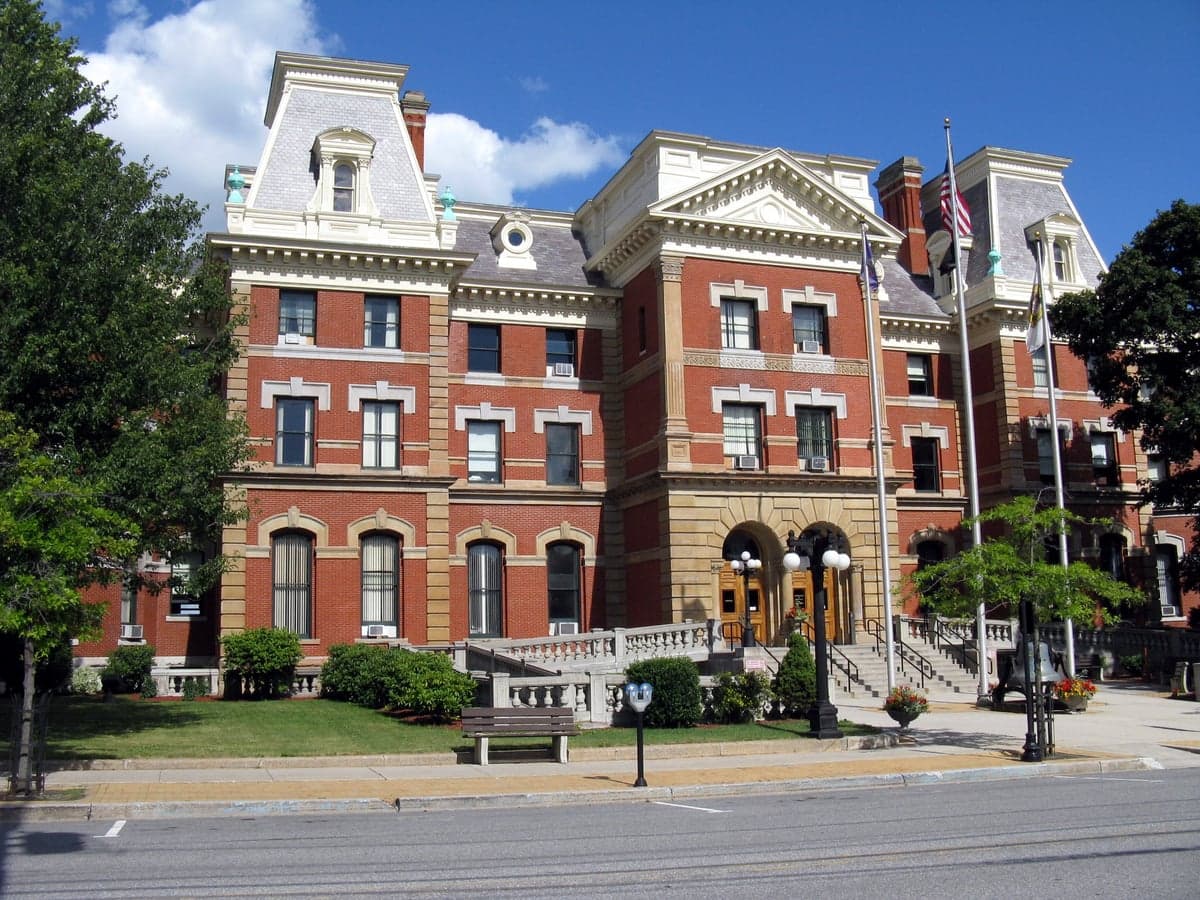
Beyond Johnstown, Cambria County is dotted with smaller towns and unincorporated communities that offer distinct lifestyles. Ebensburg, the county seat, is a historic borough of about 3,000 residents, known for its Victorian architecture, the Cambria County Courthouse, and a walkable downtown with local shops and restaurants. It is a popular choice for families due to the highly rated Central Cambria School District. Northern Cambria, a borough of roughly 3,500, sits in the county’s northern tier and offers a quieter, more rural atmosphere with access to state game lands and outdoor recreation. Other notable small communities include Portage, a former coal town with a strong sense of history and a low cost of living, and Nanty Glo, a small borough where median home values often fall below $80,000. Rural pockets like the townships of Cambria, Summerhill, and White provide farmland, wooded lots, and larger properties, appealing to those seeking privacy and space.
Cost & lifestyle range
The cost of living varies significantly across Cambria County, though it remains low by national standards. At the lower end, Johnstown’s older neighborhoods and towns like Nanty Glo and Portage offer median home values around $70,000–$90,000, with rents often below $600 for a one-bedroom apartment. These areas are ideal for budget-conscious residents, including first-time homebuyers and retirees on fixed incomes. At the higher end, Ebensburg and Westmont see median home values of $150,000–$200,000, with larger single-family homes and newer construction. Rent in these areas averages $800–$1,000 for a two-bedroom unit. Amenities also shift: Johnstown provides the most shopping, dining, and healthcare options, including the Conemaugh Memorial Medical Center, while smaller towns like Ebensburg offer a quieter lifestyle with local grocery stores and parks but require a 15–20 minute drive to Johnstown for major errands. Rural townships like Cambria Township offer the lowest property taxes and the most land, but residents face longer drives to schools and services.
Cambria County is best suited for individuals and families who prioritize affordability, a slower pace of life, and access to outdoor recreation—such as hiking at Prince Gallitzin State Park or fishing in the Little Conemaugh River—over urban nightlife or high-end retail. Young professionals will find the most opportunities in Johnstown’s healthcare and education sectors, while retirees and remote workers can stretch their budgets further in the county’s smaller towns and rural areas. The county’s low cost of living, combined with its mix of historic towns and open spaces, makes it a practical choice for those seeking a low-stress, budget-friendly lifestyle in western Pennsylvania.

Crime in Cambria County
Generally safer than 57% of comparable U.S. locations.
Violent CrimeViolent Crime Analysis
Property CrimeProperty Crime Analysis
Crime Analysis
Cambria County, Pennsylvania, presents a mixed safety profile with violent crime rates significantly below national averages but property crime rates that demand attention from prospective residents. The county recorded a violent crime rate of 226.5 per 100,000 residents, while property crime stood at 1,346.4 per 100,000. These figures place Cambria County in a relatively safer position compared to many Pennsylvania urban centers, though specific municipalities within the county show notable variation in safety outcomes.
Crime in context
When measured against state and national benchmarks, Cambria County's violent crime rate of 226.5 per 100,000 is roughly 35% lower than the national average of approximately 380 per 100,000. This positions the county favorably for those prioritizing personal safety. However, the property crime rate of 1,346.4 per 100,000 sits slightly below the national average of about 1,950 per 100,000, indicating a moderate property crime environment. For context, neighboring Blair County reports a violent crime rate near 300 per 100,000, while Allegheny County (Pittsburgh) exceeds 400 per 100,000. Cambria County's lower violent crime numbers reflect its more rural and small-town character, though the county's largest city, Johnstown, does pull the regional average upward. The county's district attorney's office, led by Greg Neugebauer, has maintained a reputation for prosecutorial rigor, which contributes to the relatively favorable crime statistics compared to more progressive jurisdictions in the state.
What residents experience
Daily life in Cambria County varies significantly by location. Johnstown, the county seat and largest municipality, accounts for a disproportionate share of reported crime, with property crime rates in certain neighborhoods exceeding 2,000 per 100,000. Areas near the city's downtown and along the Franklin Borough corridor see higher incidents of theft and vehicle break-ins. In contrast, suburban communities like Westmont and Upper Yoder Township consistently report crime rates 40-60% below the county average, making them popular choices for families and retirees. The borough of Ebensburg, the county's second-largest municipality, maintains a notably low violent crime rate of approximately 150 per 100,000, supported by a visible local police presence and active neighborhood watch programs. Residents in rural townships such as Cambria Township and Portage Township report minimal property crime, though the lack of 24/7 police coverage in some areas means response times can exceed 20 minutes for non-emergency calls. The county's judicial system, operating under the 47th Judicial District, has avoided the progressive sentencing trends seen in Philadelphia or Allegheny County, meaning offenders face more consistent consequences—a factor that helps keep recidivism rates lower than in more lenient jurisdictions.
Neighborhood-level variation is pronounced in Cambria County. The Moxham and Kernville neighborhoods of Johnstown experience the highest concentration of both violent and property crime, with residents advised to exercise caution after dark. Conversely, the Geistown and Richland Township areas show crime rates comparable to the safest suburbs of larger Pennsylvania cities, with violent crime below 100 per 100,000. The county's overall safety profile benefits from its relatively low population density (approximately 130 people per square mile) and strong community ties, though the economic challenges facing Johnstown—including a poverty rate above 20%—create localized crime pressures. For those considering relocation, focusing on the county's smaller boroughs and townships offers the best balance of safety and affordability, while Johnstown requires careful neighborhood selection and awareness of property crime risks.
* Values derived from national, state, county, city and local statistics and may differ in a specific area. Last updated: 2026-07-09T07:46:54.000Z
Narrative content on this page is AI-generated and may contain mistakes. Verify any details that matter before acting on them.
ReloMaps may earn a commission from affiliate links at no extra cost to you.

