Photo: Wikipedia
Find The Best Places To Live
in Payson
PRO TIP! You can paste a Zillow or Redfin link to get info on that property.
Compare Payson with another place
What It's Like Living in Payson, UT
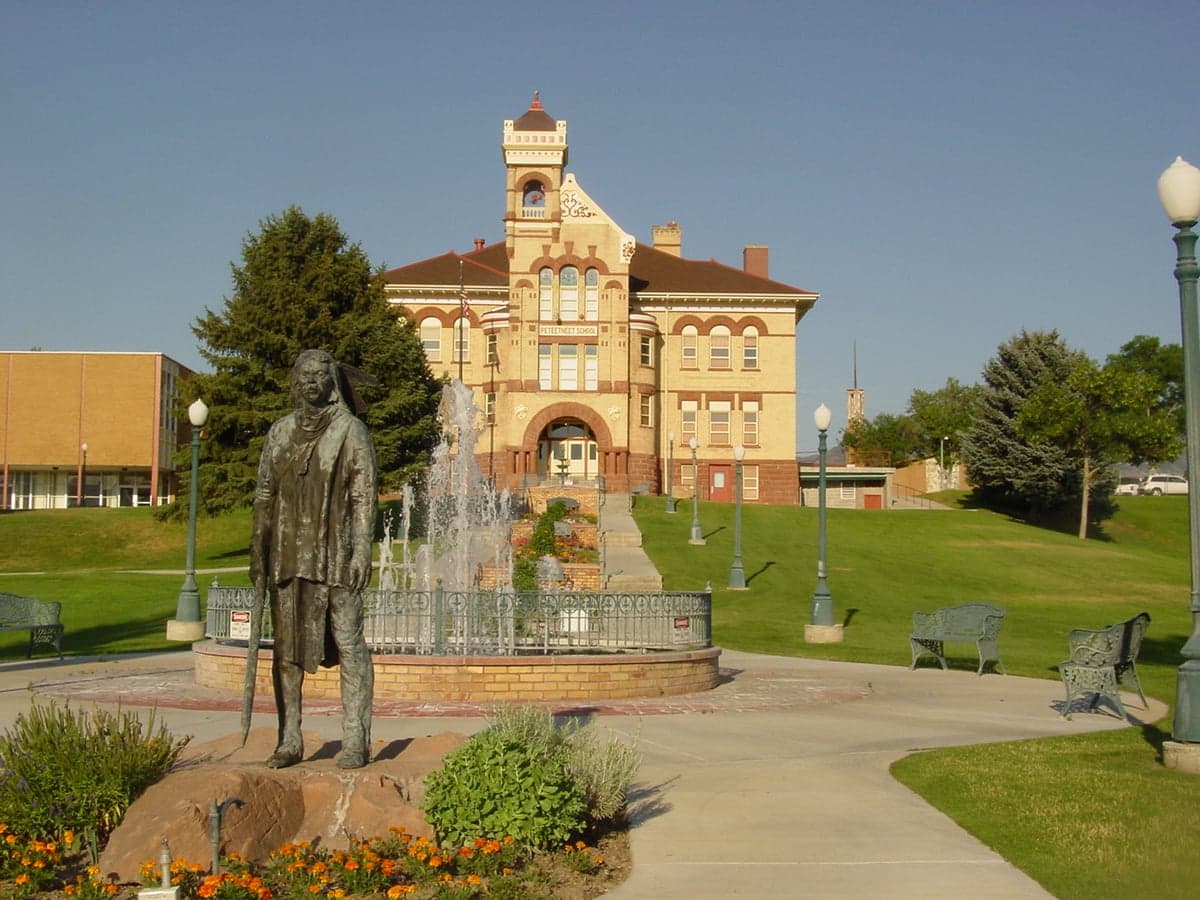
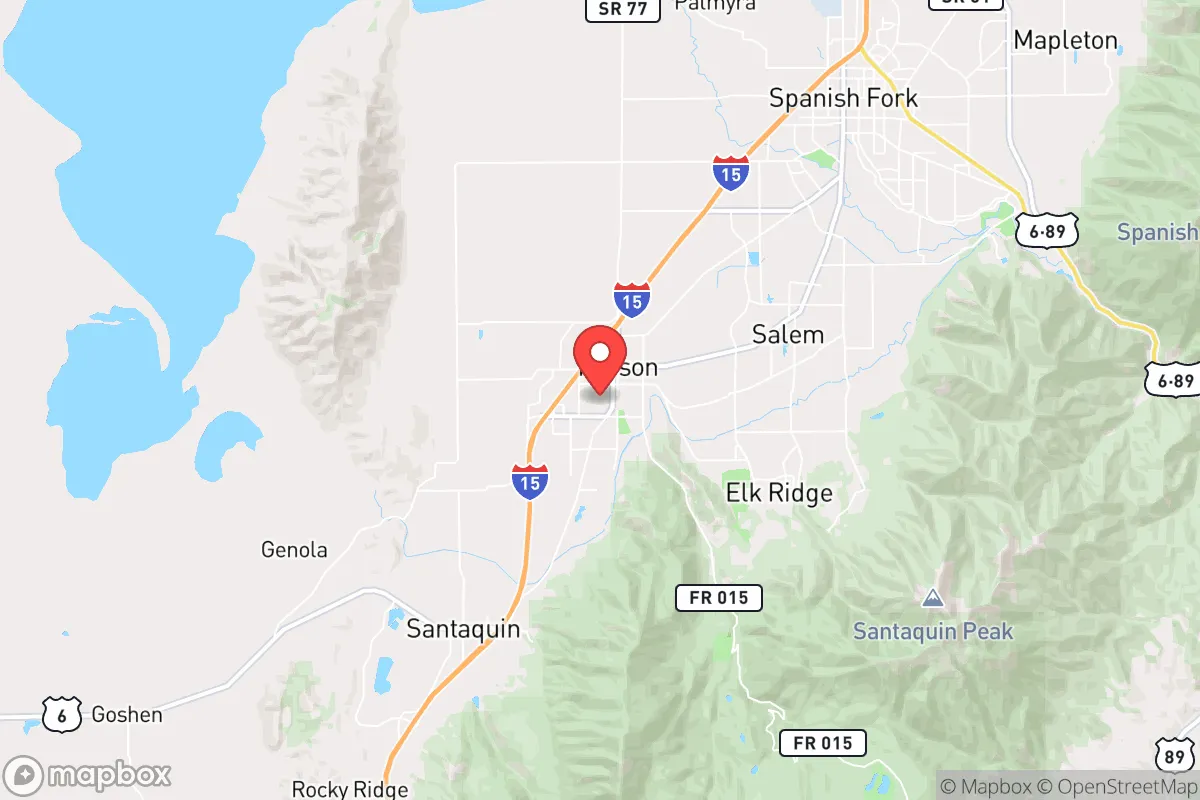
Payson, Utah, feels like a small town that grew up fast but kept its boots on. Nestled against the western foothills of the Wasatch Range, it’s a place where the high school football game on a Friday night still draws half the town, and where you’re as likely to run into your neighbor at the local Maverik as you are at the Payson Scottish Festival. With a median age of just 29.3 and a median household income of $84,286, this is a community built around young families, tradespeople, and commuters who want a quieter base without giving up access to Utah Valley’s job centers.
Daily Rhythm: Commuters, Kids, and the Mountain View
Most mornings in Payson start early. The average commute clocks in at about 22 minutes, which is manageable for a bedroom community—many residents head north to Provo or Orem for work at tech firms like Qualtrics or Adobe, or south to the factories and distribution centers in Nephi. But the town itself has its own pulse. The local high school, Payson High, is a community anchor; its sports teams—especially football and wrestling—pack the bleachers, and the school’s performing arts program is a point of pride. You’ll see “Go Lions” banners in front yards during playoff season, and the rivalry with neighboring Salem Hills is genuine, not manufactured.
Weekends here are spent on the practical and the outdoors. The Payson City Center hosts a farmers market in summer, and the nearby Payson Lakes—a string of alpine reservoirs just up Payson Canyon—are a 15-minute drive from downtown. Families load up coolers and fishing poles; hikers head for the Mount Nebo trails. The local grocery scene is dominated by a Smith’s and a Macey’s, but for a sit-down meal, locals gravitate to Los Hermanos for reliable Mexican food or Jake’s Over the Top for burgers and shakes. There’s no bar scene to speak of—Payson is dry in the sense that you won’t find a standalone bar or liquor store within city limits (you’ll need to drive to Spanish Fork for that)—but the Payson Scottish Festival in June is the social event of the year, drawing thousands for bagpipes, caber toss, and clan tents.
Who Fits In: Young Families and the Trades-Minded
Payson’s demographic profile tells a clear story: it’s a place for people who are starting out or raising kids. The median age of 29.3 is notably young, and the 26.6% college-educated rate is below the national average—reflecting a workforce heavy on construction, manufacturing, and service jobs rather than white-collar professions. That’s not a knock; it means the town has a practical, get-your-hands-dirty ethos. You’ll see a lot of Ford F-150s, a lot of kids on bikes, and a lot of families with three or four children. The LDS Church is a strong cultural presence—Sunday mornings are quiet, and many community events are church-organized—but non-Mormon families are common and generally welcomed, especially as the town has grown from about 18,000 in 2010 to over 22,000 today.
If you’re a single professional in your 20s, Payson might feel a bit sleepy. The social life revolves around church, school, and family gatherings; there’s no downtown nightlife. But for a couple with young kids who want a safe, affordable house with a yard and a view of the mountains, it’s a strong fit. The median home value of $388,200 is steep for Utah County but still cheaper than Provo or Lehi, and the cost of living index of 127 reflects the broader Wasatch Front housing squeeze—utilities and groceries are about average, but housing is the big bite.
What’s There to Do: Festivals, Mountains, and the High School Gym
Entertainment in Payson is less about venues and more about events and geography. The Payson Scottish Festival is the headline act, but the Payson City Rodeo in July is a close second—think mutton bustin’, barrel racing, and a small-town carnival atmosphere. For music, you’re driving to the SCERA Center for the Arts in Orem or the Vivint Arena in Salt Lake City for big concerts; Payson itself has no dedicated music venue beyond the high school auditorium. Outdoor recreation is the real draw: Payson Canyon offers camping, fishing, and the Mount Nebo Scenic Byway, a 38-mile drive that’s stunning in fall. The Payson City Park has a splash pad and sports fields, and the Payson Temple (LDS) is a landmark that draws visitors from across the valley.
For sports fans, it’s all about the high school. There’s no pro or college team in town, but the Payson Lions’ rivalry games against Salem Hills and Springville are well-attended. If you want a Utah Jazz or BYU game, it’s a 45-minute drive north. That distance is a common trade-off: you get the quiet and the views, but you trade the convenience of city amenities.
Pros and Cons of Living Here
- Pro: Low violent crime. The violent crime rate of 121.2 per 100,000 is well below the national average of roughly 380. Property crime is more of a concern—car break-ins and package theft happen—but overall, it’s a safe place to raise kids.
- Con: Limited local employment. Most good-paying jobs are a commute away. The town’s biggest employers are the school district, the city government, and a few light manufacturing plants. If you lose your job, you’re driving to Provo or beyond.
- Pro: Strong community feel. Neighbors know each other. The Scottish Festival and rodeo are genuine community builders, not tourist traps. People wave on the street.
- Con: No nightlife or dining variety. If you want a craft cocktail or a late-night meal, you’re out of luck. The restaurant scene is limited to fast food, a few sit-down chains, and a handful of local spots. Variety is thin.
- Pro: Outdoor access. Payson Canyon is a 15-minute drive from most homes, offering hiking, fishing, and camping that rivals anything in the state. The Nebo Loop is a gem.
- Con: Growing pains. Traffic on Main Street (US-89) can back up during commute hours, and new subdivisions are popping up faster than the infrastructure can keep pace. Some locals grumble about the loss of open space.
Payson is not for everyone. It’s for people who value quiet, safety, and a strong sense of place over urban convenience. The trade-offs are real—you give up dining, nightlife, and job density—but what you get is a community where your kids can ride their bikes to the park, where the mountains are your backyard, and where the high school football game is still the biggest show in town. If that sounds like home, it probably is.

Similar towns to Payson
* Values derived from national, state, county, city and local statistics and may differ in a specific area. Last updated: 2026-11-06T03:24:06.000Z
Narrative content on this page is AI-generated and may contain mistakes. Verify any details that matter before acting on them.
ReloMaps may earn a commission from affiliate links at no extra cost to you.

