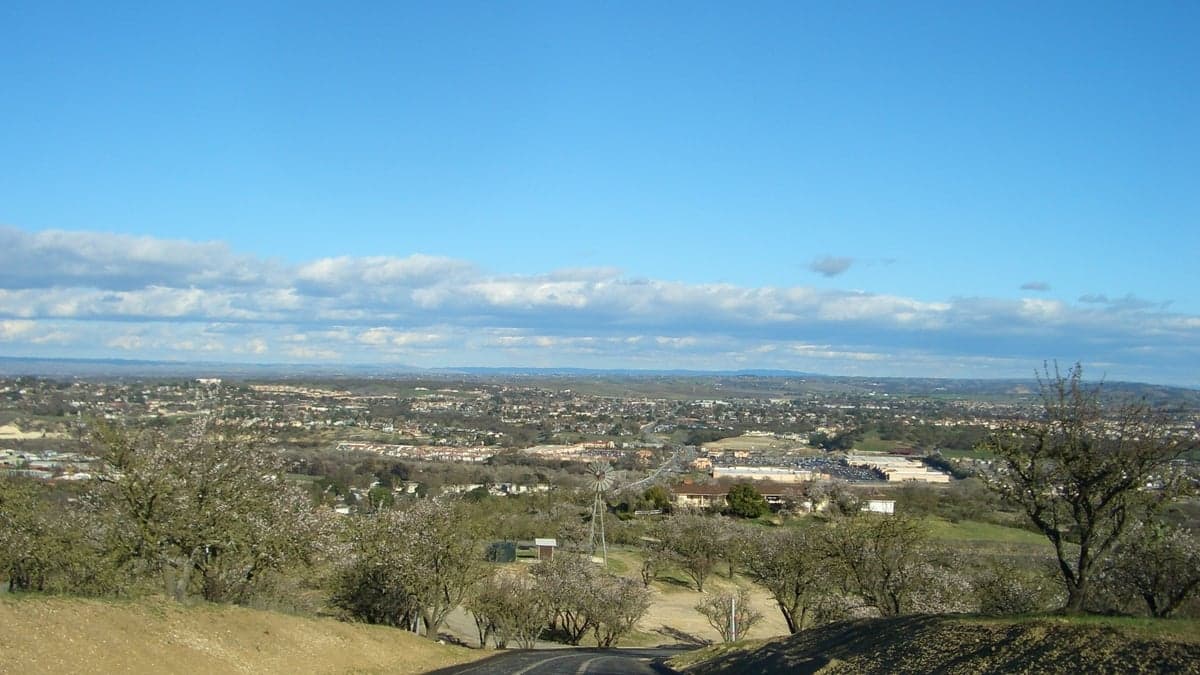
Photo: Wikipedia
Quality of Life in Paso Robles, CA
Above-average quality of iife. The area offers a reasonable cost of living, decent mobility, and a mix of neighborhood amenities.
What does Quality of Life tell us?
Quality of Life blends cost of living, nearby amenities, socioeconomic signals, and neighborhood character. City-level scores represent the whole municipality; individual neighborhoods can differ.
What does this tell us?
Quality of Life blends cost of living, nearby amenities, socioeconomic signals, and neighborhood character. City-level scores represent the whole municipality; individual neighborhoods can differ.
Cost of Living
92% above national average
The Real Cost of Living in Paso Robles, CA for 2026
| Tier | Individual | Family (4) |
|---|---|---|
| Survival | $31k | $58k |
| Comfortable | $106k | $156k |
| Luxury | $155k+ | $241k+ |
| Elite (Top 5%) | $183k+ | $283k+ |
60%
The Area Signal
A metric tracking the socioeconomic signals of the area.
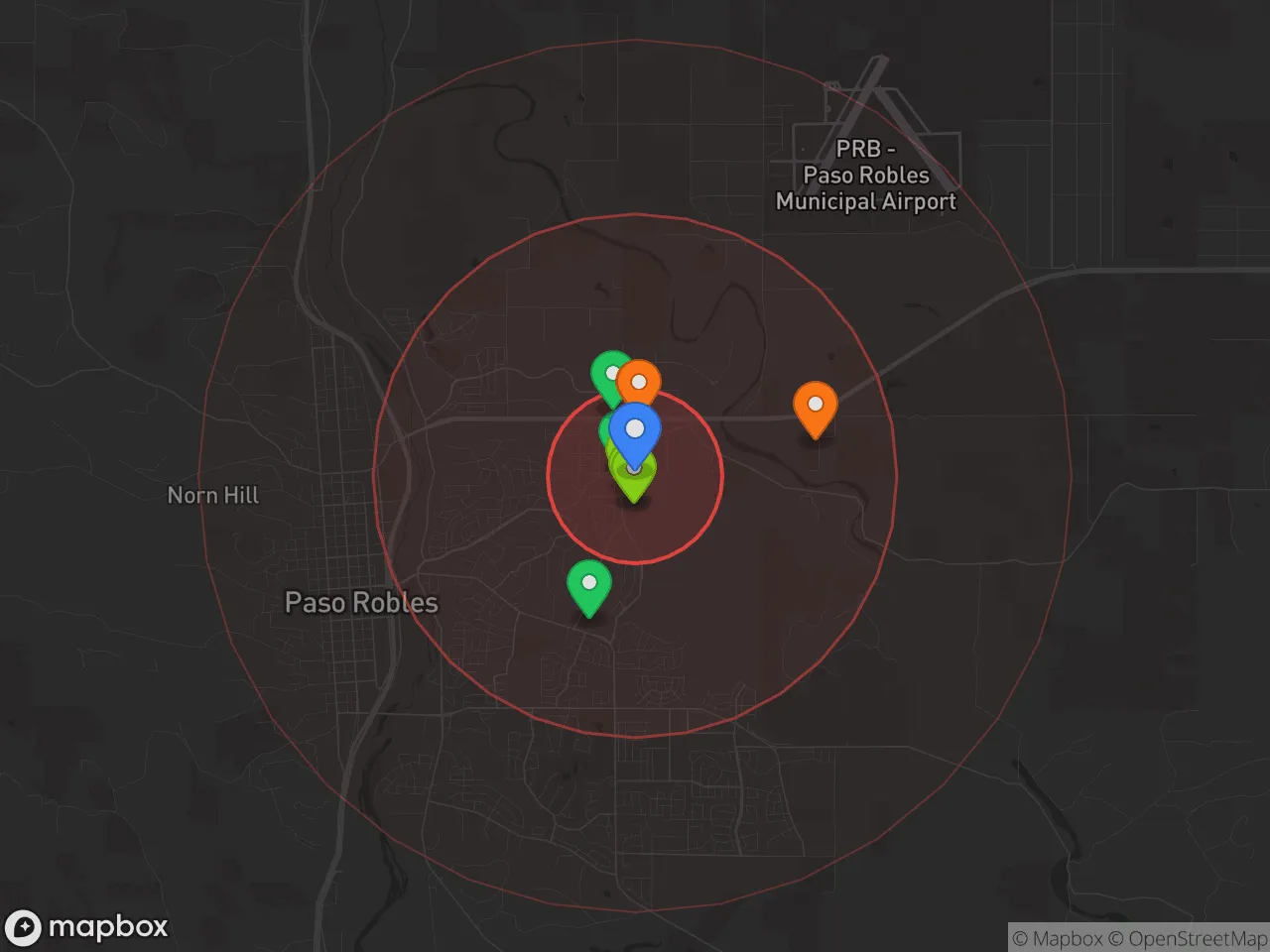
Hobbies
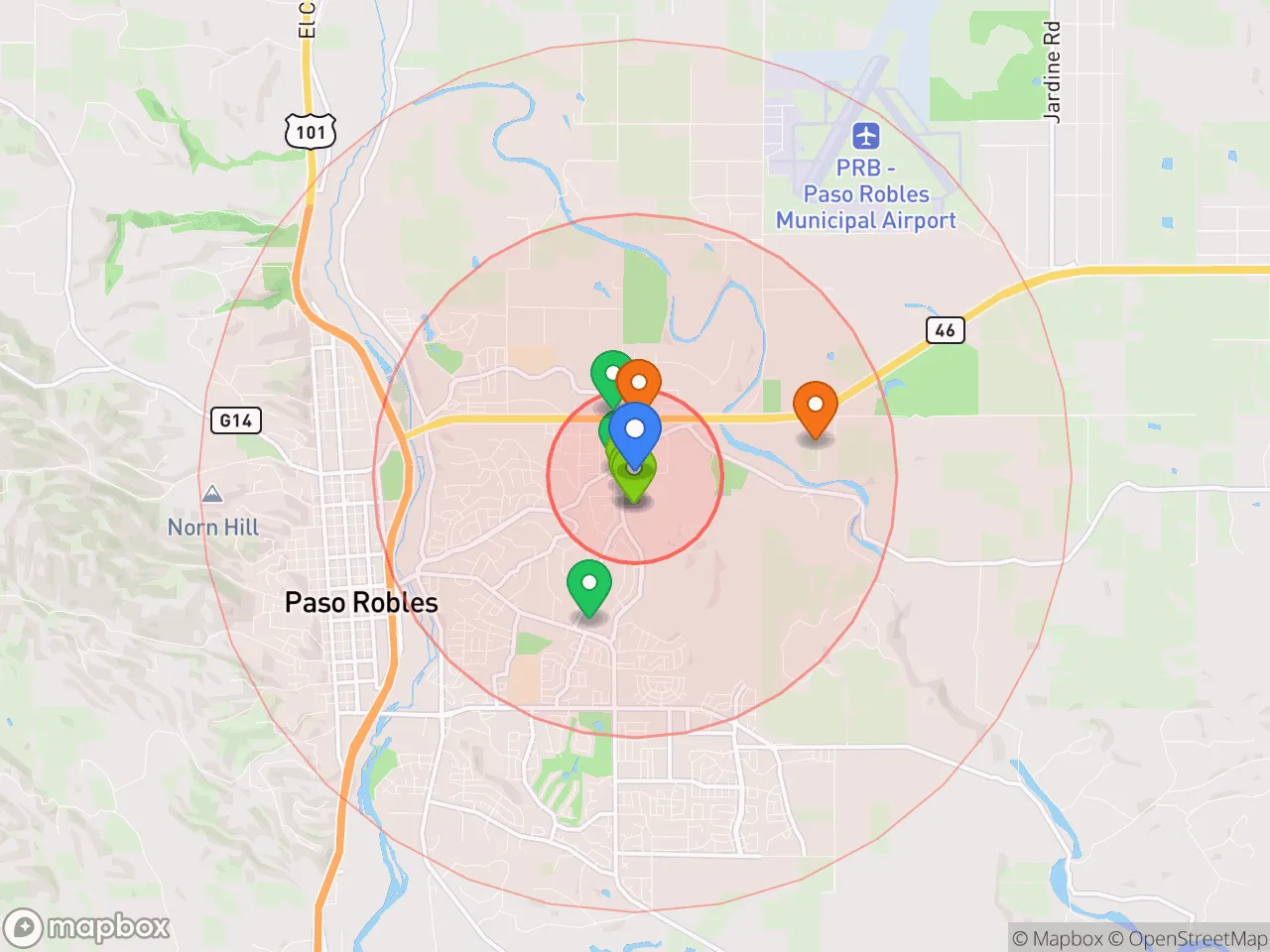
Explore the areaGroceries
4 within 10 miles
Gas
20 within 10 miles
Hospital
2 within 20 miles
Airport
SAN — San Luis Obispo County Regional
Post Office
USPS — Paso Robles, CA
Critical Amenities
Quality-of-Life Analysis
Paso Robles attracts a mix of affluent retirees, remote professionals, and wine-country entrepreneurs, drawn by its Mediterranean climate and slower pace of life. The city’s median household income of roughly $82,000 (above the California average) supports a lifestyle centered on local agriculture, tasting rooms, and outdoor recreation. However, the area’s affluence is uneven: service-industry workers often struggle with the region’s high cost of living, creating a noticeable economic divide between vineyard owners and hospitality staff.
Cost of living and housing affordability compared to San Luis Obispo and Atascadero
Paso Robles carries a cost-of-living index of 192 (nearly double the U.S. average), driven primarily by housing. The median home value of $648,400 is roughly 15% lower than in nearby San Luis Obispo ($760,000) but about 20% higher than in Atascadero ($540,000). Renters face a median monthly rent of $1,947, which consumes roughly 28% of the area’s median household income — a manageable figure by California standards, but tight for single earners. The average commute of 23.9 minutes is shorter than the national average (26 minutes), reflecting the city’s compact layout and the fact that many residents work locally in wine, hospitality, or agriculture. For buyers, the market remains competitive: inventory is low, and homes under $500,000 are rare, often requiring a 20% down payment to avoid private mortgage insurance.
Schools, amenities, and the daily rhythm of life in wine country
Daily life in Paso Robles revolves around its downtown square, the weekly farmers’ market, and the 200+ wineries that define the region’s identity. The Paso Robles Joint Unified School District serves about 6,000 students, with Paso Robles High School earning a GreatSchools rating of 7/10 and offering International Baccalaureate and agricultural science pathways. For families, the city provides 15 parks, a public aquatic center, and the Paso Robles Children’s Museum. Healthcare is anchored by Twin Cities Community Hospital in Templeton (8 minutes south), which offers emergency services and a Level III trauma center. The area lacks major retail chains beyond a Walmart Supercenter and a Target, so residents often drive 30 minutes to San Luis Obispo for shopping or specialized medical care. The cultural calendar is full: the California Mid-State Fair (July), the Paso Robles Wine Festival (May), and the Pioneer Day Parade (October) draw crowds and shape the social rhythm. Commute patterns are light — most errands are done within a 10-minute drive, and traffic congestion is rare except during fair week.
Paso Robles works best for those who value a slower, nature-oriented lifestyle and can afford the premium. Retirees and remote workers with six-figure incomes will find the wine-country amenities and mild weather appealing. Families should weigh the decent schools and low crime rate against the limited job diversity and high housing costs. Service workers and young renters may find the affordability gap challenging, often needing roommates or longer commutes from Atascadero or Creston. For anyone prioritizing space, sunshine, and a strong sense of community over urban convenience, Paso Robles delivers — but the price of entry is steep.

Crime in Paso Robles, CA
Generally safer than 69% of comparable U.S. locations.
Violent CrimeViolent Crime Analysis
Property CrimeProperty Crime Analysis
Crime Analysis
Paso Robles, California, reports a violent crime rate of 351.4 per 100,000 residents and a property crime rate of 1,563.9 per 100,000, placing it above both state and national averages for overall crime. While the city is not among the most dangerous in California, these figures indicate a notably elevated risk compared to the typical U.S. community. The local crime environment is further complicated by the broader judicial and prosecutorial climate in San Luis Obispo County, which leans progressive and has been associated with policies that prioritize offender rehabilitation over strict enforcement, a factor that can embolden repeat offenders and reduce deterrent effects.
Crime in context
Paso Robles’ violent crime rate of 351.4 per 100,000 is roughly double the national average of approximately 380 per 100,000, but it is significantly higher than the California state average of about 442 per 100,000. Property crime in Paso Robles stands at 1,563.9 per 100,000, which is above the national average of 1,954 per 100,000 but below the California average of roughly 2,110 per 100,000. These numbers place Paso Robles in a middle tier among California cities of similar size, but the gap between local and national rates is concerning. The county’s progressive district attorney, who has emphasized alternatives to incarceration and reduced sentencing for non-violent offenses, may contribute to a perception—and reality—of lower consequences for property crimes like theft and vehicle break-ins, which are the most common offenses in the area.
What residents experience
Residents of Paso Robles most frequently encounter property crimes, including burglary, larceny, and motor vehicle theft, which together account for the majority of reported incidents. Violent crimes, such as assault and robbery, occur less often but are not rare, with the rate suggesting roughly one violent crime every two days in a city of about 32,000 people. The influence of progressive judicial policies is felt in the high rate of property crime recidivism; offenders arrested for theft or drug-related offenses often return to the streets quickly due to bail reform and sentencing guidelines that prioritize diversion programs. This creates a cycle where residents report feeling that the justice system does not adequately protect their property or personal safety, particularly in downtown areas and near the Salinas River corridor, where transient populations and drug activity are concentrated.
Neighborhood-level variation is notable in Paso Robles. Areas east of Highway 101, including the older downtown core and neighborhoods near the railroad tracks, tend to report higher crime densities, while newer subdivisions west of the highway and the rural outskirts experience significantly lower rates. Gated communities and developments with private security, such as those near the Vineyard Golf Course, see far fewer incidents. Prospective residents should research specific blocks and consult local police crime maps, as a few streets can make a substantial difference in safety. Overall, Paso Robles requires a cautious approach: the city offers a desirable lifestyle, but the combination of elevated crime rates and a lenient local justice system means that personal security measures—like home alarms, secure parking, and neighborhood watch participation—are strongly advisable.
* Values derived from national, state, county, city and local statistics and may differ in a specific area. Last updated: 2026-09-02T21:56:32.000Z
Narrative content on this page is AI-generated and may contain mistakes. Verify any details that matter before acting on them.
ReloMaps may earn a commission from affiliate links at no extra cost to you.

