Photo: Wikipedia
Find The Best Places To Live
in Owings Mills
PRO TIP! You can paste a Zillow or Redfin link to get info on that property.
Compare Owings Mills with another place
What It's Like Living in Owings Mills, MD
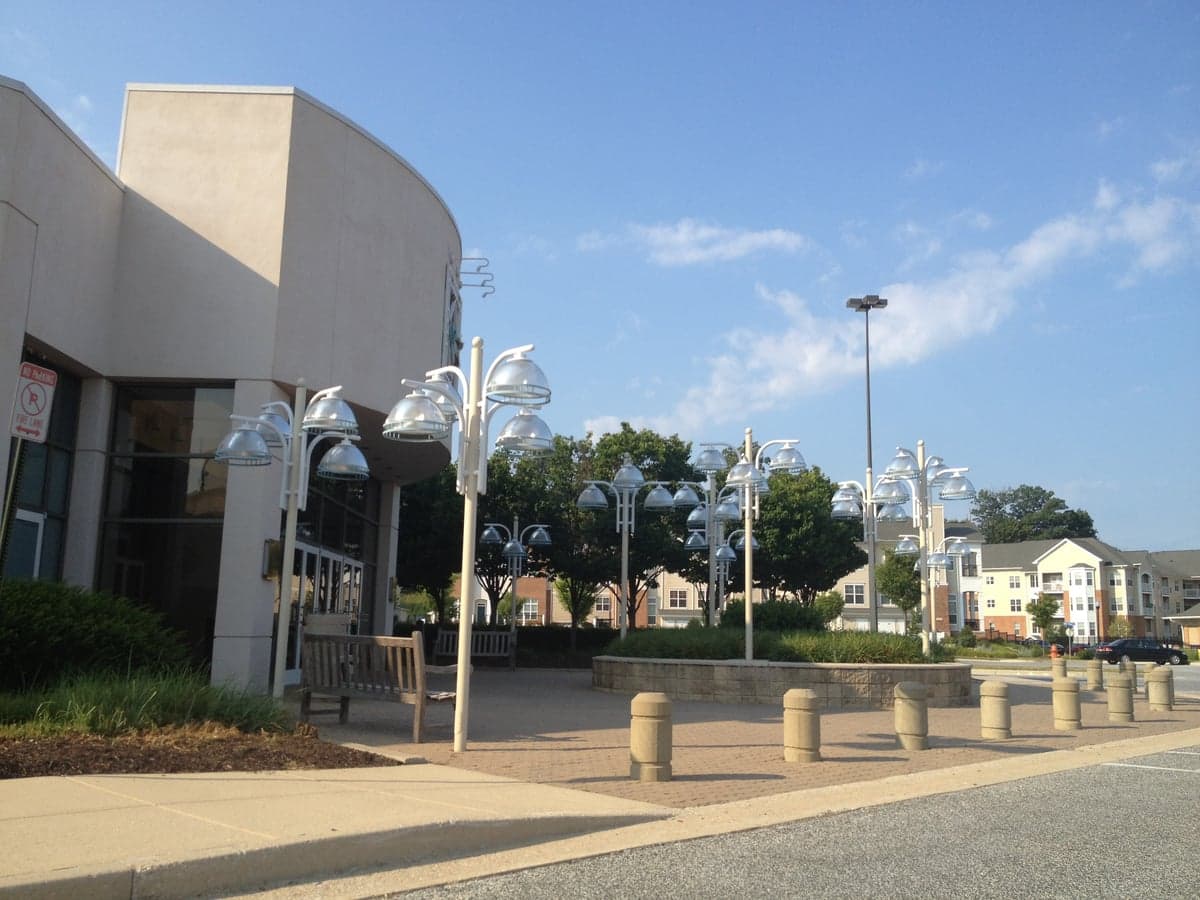
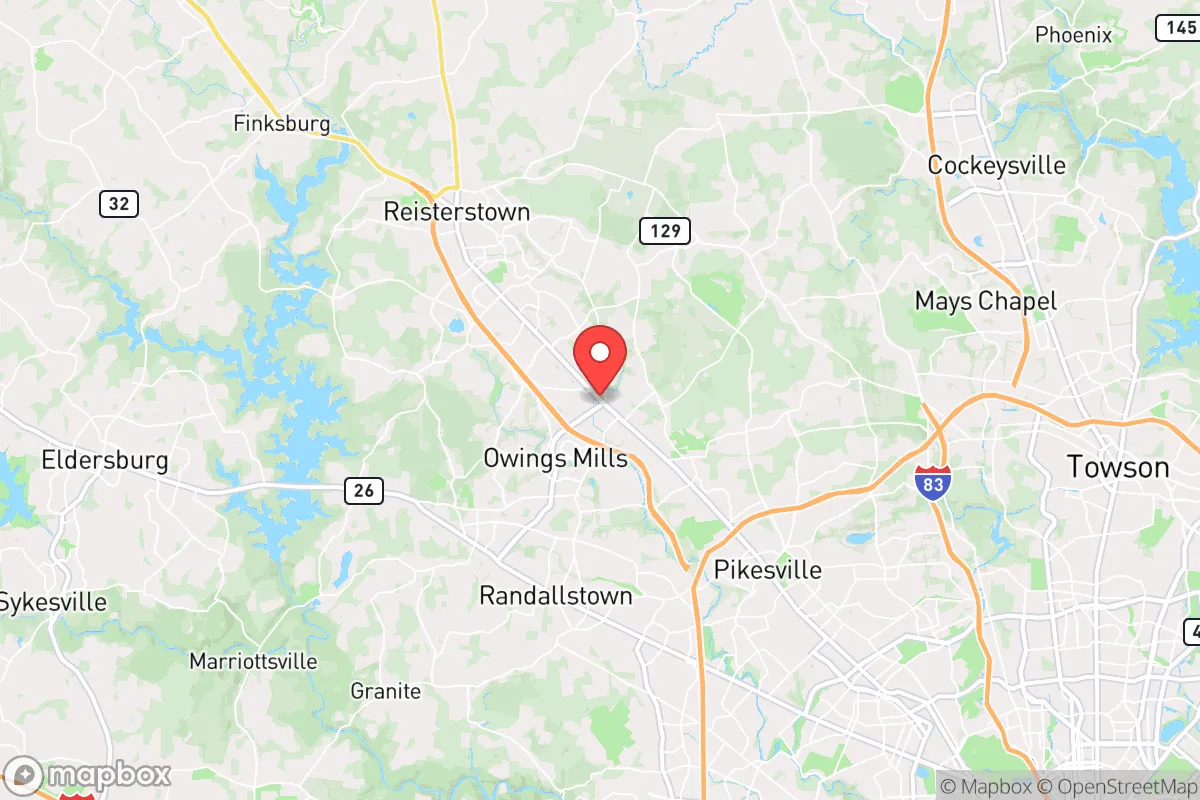
Owings Mills is the kind of place that feels like a suburb with a pulse — a busy, growing Baltimore County community where you’re just as likely to run into a neighbor at the Wegmans as you are to catch a show at the Gordon Center. It’s not a sleepy bedroom community, but it’s not downtown Baltimore either; it’s a middle ground that attracts young families, medical professionals, and commuters who want space without losing access to the city. With a median age of 33.5 and a median household income around $94,046, the crowd here skews toward established professionals and parents who are still young enough to remember what a night out feels like.
The Daily Rhythm: Work, School, and the Wegmans Run
Life in Owings Mills revolves around a few anchors: the Owings Mills Metro stop, the massive LifeBridge Health campus at Northwest Hospital, and the retail corridor along Owings Mills Boulevard. The average commute runs about 31 minutes, which tracks — plenty of residents drive south on I-795 to jobs in downtown Baltimore or hop the Light RailLink into the city when they want to avoid parking fees. The Metro stop is a genuine asset; it’s the end of the line, which means you always get a seat and the train is reliably on time in the morning.
Weekends here are practical but pleasant. The Wegmans on Mill Road is practically a community center on Saturday mornings, and the Owings Mills Mall site — now redeveloped into a mixed-use town center — has become the default spot for errands, a movie at the Cinemark, and dinner at one of the chain restaurants that line the main drag. For a slightly more local feel, residents head to the farmers market at the Owings Mills Jewish Community Center during warmer months, or grab a table at the Corner Bakery or a local favorite like the Owl Bar in nearby Cockeysville. It’s not a foodie destination, but it’s consistent, and the schools — particularly Owings Mills High School and the highly regarded Franklin High in the same district — anchor the community in a way that makes the school calendar the real seasonal rhythm.
Sports, Entertainment, and Where People Actually Go
Sports fandom here is split between Baltimore pride and local high school loyalty. You’ll see Ravens flags on porches in the fall and Orioles caps year-round, but the real passion is reserved for Friday night lights — Franklin High School’s football games draw big crowds, and the rivalry with Owings Mills High is a genuine community event. For pro sports, it’s a 25-minute drive to M&T Bank Stadium or Camden Yards, which is close enough that season ticket holders treat game days as a routine outing rather than a pilgrimage.
When residents want more than a chain restaurant, they head to the Gordon Center for Performing Arts, which brings in comedy, music, and theater acts that would otherwise require a trip downtown. The nearby Soldiers Delight Natural Environment Area offers 1,900 acres of serpentine barrens and hiking trails — a surprisingly wild escape that feels a world away from the strip malls. In the summer, the JCC’s outdoor pool and camp programs dominate family calendars, and the annual Owings Mills Festival in the fall is the closest thing the area has to a hometown tradition, with local vendors, live music, and enough food trucks to keep everyone happy.
Who Fits In Here — and Who Might Not
Owings Mills works best for people who want suburban convenience without surrendering access to city amenities. The 43.5% college-educated population and the concentration of healthcare jobs at Northwest Hospital and the nearby LifeBridge Health offices mean you’re surrounded by nurses, administrators, and young professionals who understand shift work and school pickup lines. The median home value of $335,000 is steep for Maryland but reasonable compared to closer-in Baltimore County suburbs like Pikesville or Lutherville, and it buys a townhouse or a modest single-family home with a yard. The cost of living index sits at 141, which is a real shock for newcomers from the Midwest or South — groceries, utilities, and especially housing all carry a premium.
The honest downsides are traffic and crime perception. Owings Mills Boulevard and Reisterstown Road back up badly during rush hour, and the 365 violent crimes per 100,000 residents is higher than the national average — though much of that is concentrated in specific apartment complexes near the Metro station rather than in the single-family neighborhoods. Longtime residents will tell you the area has changed dramatically in the last two decades, with the old mall’s decline and rebirth as a town center bringing both new energy and new congestion. The weather is classic mid-Atlantic: humid summers that make you appreciate air conditioning, mild falls that are genuinely perfect, and winters that are more gray than snowy, with the occasional nor’easter shutting things down for a day or two.
What keeps people here is the balance. It’s close enough to Baltimore for a night out at Fells Point or a game at Camden Yards, far enough that you’re not dealing with city parking and city noise, and dense enough that you don’t feel isolated. The community skews young — the median age of 33.5 means you’re likely to see strollers at the farmers market and toddlers at the JCC playground — and it’s the kind of place where neighbors actually know each other’s names, even if they’re both rushing to get to the Metro on time.

Similar towns to Owings Mills


* Values derived from national, state, county, city and local statistics and may differ in a specific area. Last updated: 2026-11-03T19:57:22.000Z
Narrative content on this page is AI-generated and may contain mistakes. Verify any details that matter before acting on them.
ReloMaps may earn a commission from affiliate links at no extra cost to you.

