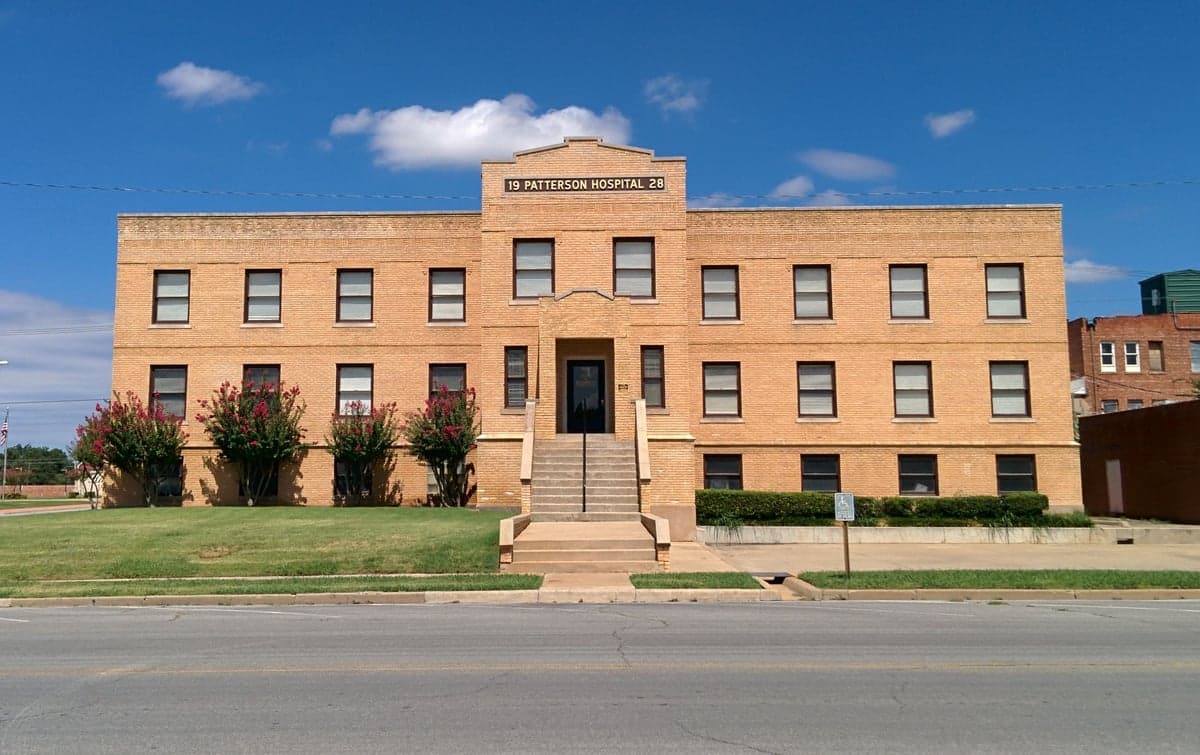
Photo: Wikipedia
Quality of Life in Stephens County
A livable area that tracks near national norms for affordability, walkability, and neighborhood health.
What does Quality of Life tell us?
Quality of Life measures an area by evaluating factors like cost of living, nearby amenities, country club access, airport proximity, socioeconomic signals and neighborhood character. For large states, this is a general average — quality of life can vary dramatically between metro areas, suburbs, and rural communities within the same state.
What does this tell us?
Quality of Life measures an area by evaluating factors like cost of living, nearby amenities, country club access, airport proximity, socioeconomic signals and neighborhood character. For large states, this is a general average — quality of life can vary dramatically between metro areas, suburbs, and rural communities within the same state.
Cost of Living
36% below national average
156%
The Real Cost of Living in Stephens County for 2026
| Tier | Individual | Family (4) |
|---|---|---|
| Survival | $14k | $26k |
| Comfortable | $26k | $39k |
| Luxury | $109k+ | $169k+ |
| Elite (Top 5%) | $137k+ | $212k+ |
Quality-of-Life Analysis
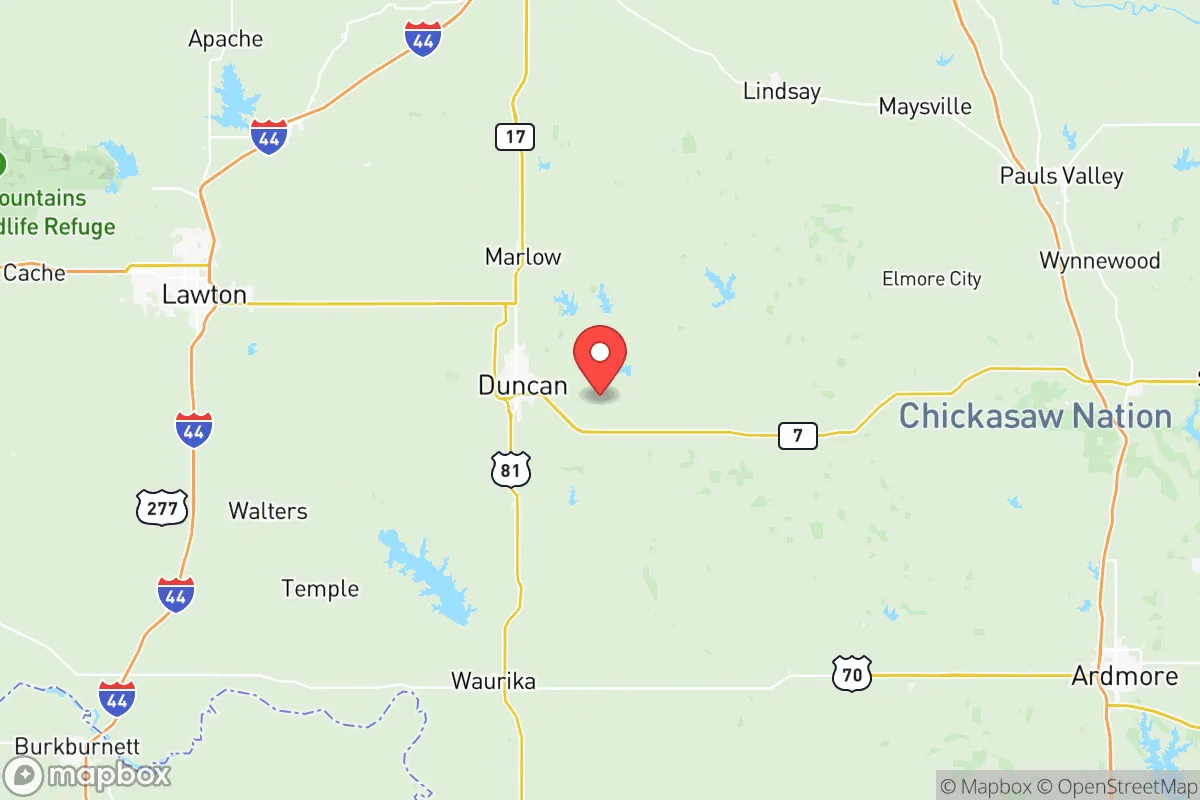
Stephens County, Oklahoma, offers a quality-of-life spectrum that ranges from the modest urban conveniences of its county seat, Duncan, to the quiet, wide-open spaces of unincorporated communities like Velma and Loco. The county’s character is defined by its deep ties to agriculture and energy, drawing residents who value low costs, slower paces, and a strong sense of community. With a cost-of-living index of 64 (well below the U.S. average of 100), the area attracts retirees, young families, and workers in the oil and gas industry who seek affordability without complete isolation.
Largest town(s) & population centers
Duncan is the county’s primary population center, home to roughly 22,000 residents and the hub for most daily needs. Life here centers around the downtown square, the Simmons Center (a community recreation and event complex), and the Chisholm Trail Heritage Center. The median home value of $135,100 and median rent of $865 make homeownership accessible, and the average commute of just over 23 minutes keeps time spent in the car manageable. Duncan offers a full range of grocery stores, a regional hospital (Duncan Regional Hospital), and a small but functional airport. For families, the Duncan Public Schools system provides a stable educational option, while the presence of Halliburton’s legacy operations and local manufacturing plants anchors the employment base. The town’s pace is unhurried, but it provides enough retail and dining options to avoid feeling like a true rural outpost.
Smaller towns & rural pockets
Outside Duncan, the county’s smaller communities offer a distinctly quieter lifestyle. Marlow, with about 4,500 residents, sits along the Red River and has a walkable historic downtown with antique shops and a local diner scene. It is known for its strong sense of community and the Marlow High School football tradition. Comanche, roughly 1,600 residents, is a tight-knit agricultural town with a slower rhythm, where the Comanche Public Schools serve as a community anchor. Further out, Velma (population under 600) and Loco (population under 150) are unincorporated areas where life is defined by open farmland, gravel roads, and a complete absence of chain retail. These pockets are ideal for those seeking acreage, privacy, and a lifestyle centered on hunting, farming, or simply escaping suburban noise. The trade-off is limited access to services: residents in Velma or Loco typically drive 20–30 minutes to Duncan for groceries, medical care, or school activities.
Cost & lifestyle range
The cost-of-living spread across Stephens County is narrow but meaningful. At the higher end, Duncan offers the most amenities and the highest home values, though still far below national averages—a 3-bedroom home in a newer subdivision near the Duncan Golf & Country Club might sell for $180,000–$220,000. Rentals in Duncan average $865, with newer apartments near the hospital commanding a slight premium. At the lower end, rural properties in Velma or Loco can be found for under $100,000, and older mobile homes on land may sell for $50,000–$70,000. Property taxes are low across the county, and the absence of state income tax on Social Security benefits further stretches retirement budgets. The lifestyle trade-off is clear: Duncan provides walkable parks, a YMCA, and a movie theater, while rural areas offer land, quiet, and lower costs but require longer drives for every errand. For those in the middle, Marlow and Comanche strike a balance—small-town feel with basic services like a grocery store and pharmacy, but still within 15 minutes of Duncan’s full-service options.
Stephens County is best suited for people who prioritize affordability, space, and a slower pace over urban nightlife or career diversity. Retirees on fixed incomes, remote workers with stable internet (available in Duncan and Marlow, less reliable in Velma), and families who value small schools and outdoor recreation will find the county a practical fit. Those who need frequent access to major airports, specialized healthcare, or a vibrant arts scene will likely feel constrained. For the right resident, the county delivers a low-stress, low-cost life with genuine community ties and room to breathe.

Crime in Stephens County
Crime rates similar to the national median for U.S. locations.
Violent CrimeViolent Crime Analysis
Property CrimeProperty Crime Analysis
Crime Analysis
Stephens County, Oklahoma, experiences violent and property crime rates that are elevated compared to both state and national averages, though the picture varies significantly between its urban center, Duncan, and its more rural communities. The county's violent crime rate of 409.6 per 100,000 residents is roughly 17% higher than the national average, while its property crime rate of 1,833.2 per 100,000 sits about 15% above the U.S. figure. These numbers place Stephens County as a higher-risk area within the broader Lawton-Marlow-Duncan region, where residents and prospective movers should weigh neighborhood-level data carefully.
Crime in context
Compared to Oklahoma's statewide violent crime rate of approximately 470 per 100,000, Stephens County's 409.6 figure is slightly below the state average, but it remains well above the safest counties in the state such as Roger Mills and Cimarron. Property crime in the county, at 1,833.2 per 100,000, is actually lower than the Oklahoma average of roughly 2,400 per 100,000, but it still exceeds the national benchmark of about 1,600 per 100,000. The county's largest city, Duncan, accounts for the majority of reported incidents, with its downtown and older residential areas near Highway 81 seeing higher concentrations of theft and burglary. In contrast, smaller towns like Marlow and Comanche report significantly lower crime volumes, though their smaller populations can make per-capita rates volatile year-to-year. The county's proximity to the larger Lawton metro area, which has its own elevated crime challenges, means that some property crime in Stephens County is linked to transient offenders moving along the I-44 corridor.
What residents experience
For those living in Stephens County, the most common safety concern is property crime, particularly vehicle break-ins and residential burglaries in unincorporated areas and the outskirts of Duncan. Violent crime, while less frequent, is concentrated in specific pockets: Duncan's central wards near the intersection of Main Street and Highway 81 report the bulk of aggravated assaults and robberies, often tied to disputes or drug-related activity. The county is served by the Stephens County District Attorney's Office, which operates within the 5th Judicial District. Unlike some urban jurisdictions in Oklahoma—such as those in Oklahoma City or Tulsa—Stephens County has not adopted progressive prosecutorial policies like cash bail reform or declination of low-level drug offenses. This means that offenders in Stephens County face more consistent consequences, which helps keep recidivism lower than in areas with more lenient judicial approaches. Residents in Velma and Loco, small communities in the western part of the county, report very few violent incidents and generally feel safe leaving doors unlocked during the day.
Neighborhood-level variation is pronounced. The safest areas in Stephens County are the rural subdivisions and gated communities around the Duncan Golf & Country Club and the lakefront properties near Lake Humphreys. These areas see almost no violent crime and only occasional property theft. Conversely, the older rental-heavy blocks near Duncan's industrial district along Highway 81 and the area around the former Halliburton plant have higher rates of both property and violent crime. Prospective residents are advised to check the Duncan Police Department's online crime map for block-level data, as a single street can separate a low-crime neighborhood from a higher-risk one. Overall, Stephens County offers a middle-ground safety profile: better than Oklahoma's most dangerous urban cores but requiring more vigilance than the state's safest rural counties.
* Values derived from national, state, county, city and local statistics and may differ in a specific area. Last updated: 2026-06-16T21:47:32.000Z
Narrative content on this page is AI-generated and may contain mistakes. Verify any details that matter before acting on them.
ReloMaps may earn a commission from affiliate links at no extra cost to you.

