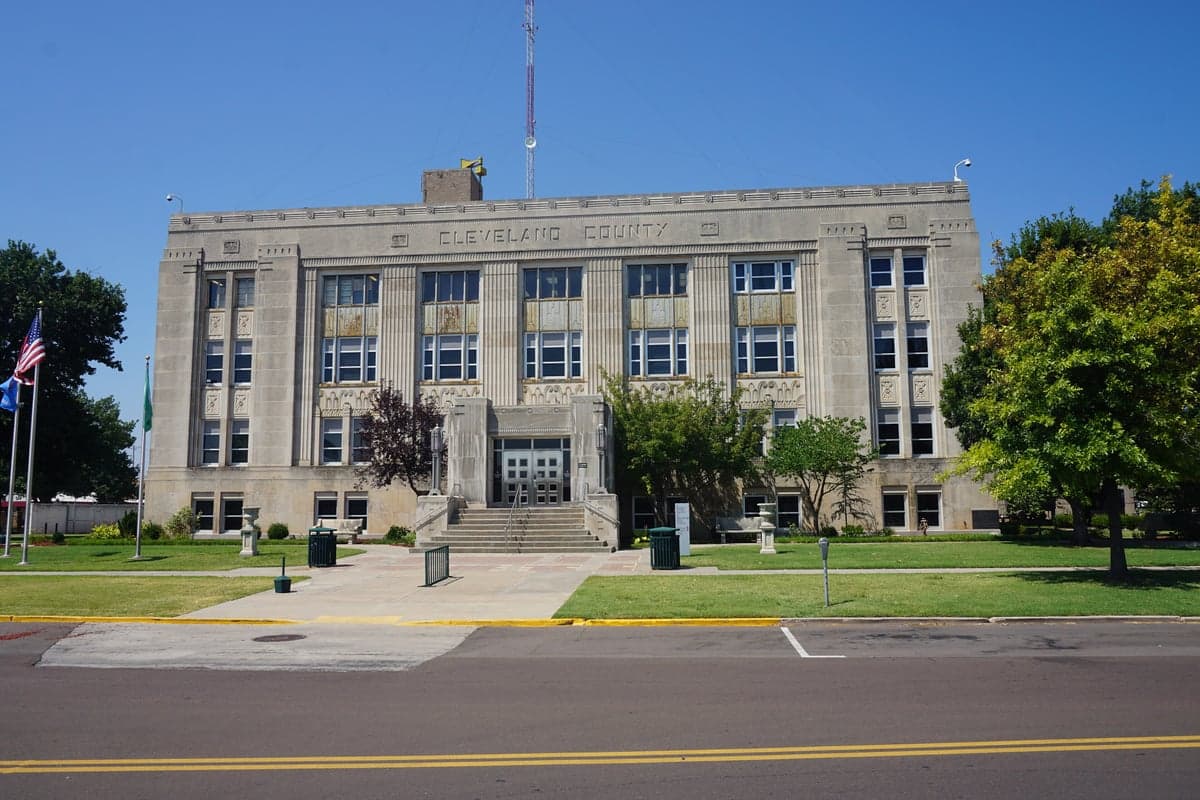
Photo: Wikipedia
Quality of Life in Cleveland County
A livable area that tracks near national norms for affordability, walkability, and neighborhood health.
What does Quality of Life tell us?
Quality of Life measures an area by evaluating factors like cost of living, nearby amenities, country club access, airport proximity, socioeconomic signals and neighborhood character. For large states, this is a general average — quality of life can vary dramatically between metro areas, suburbs, and rural communities within the same state.
What does this tell us?
Quality of Life measures an area by evaluating factors like cost of living, nearby amenities, country club access, airport proximity, socioeconomic signals and neighborhood character. For large states, this is a general average — quality of life can vary dramatically between metro areas, suburbs, and rural communities within the same state.
Cost of Living
10% below national average
117%
The Real Cost of Living in Cleveland County for 2026
| Tier | Individual | Family (4) |
|---|---|---|
| Survival | $18k | $34k |
| Comfortable | $43k | $64k |
| Luxury | $127k+ | $196k+ |
| Elite (Top 5%) | $149k+ | $231k+ |
Quality-of-Life Analysis
Cleveland County, Oklahoma, offers a broad spectrum of quality-of-life options, from the bustling college town of Norman to quiet, unincorporated crossroads and agricultural stretches. The county’s character shifts noticeably depending on where you are: Norman draws students, academics, and professionals with its university energy and growing job market, while smaller communities like Noble and Slaughterville appeal to those seeking a slower, more rural pace. The county’s overall cost of living index sits at 90 (well below the US average of 100), with a median home value of $222,800 and median rent of $1,128, making it accessible across most of its communities.
Largest town(s) & population centers
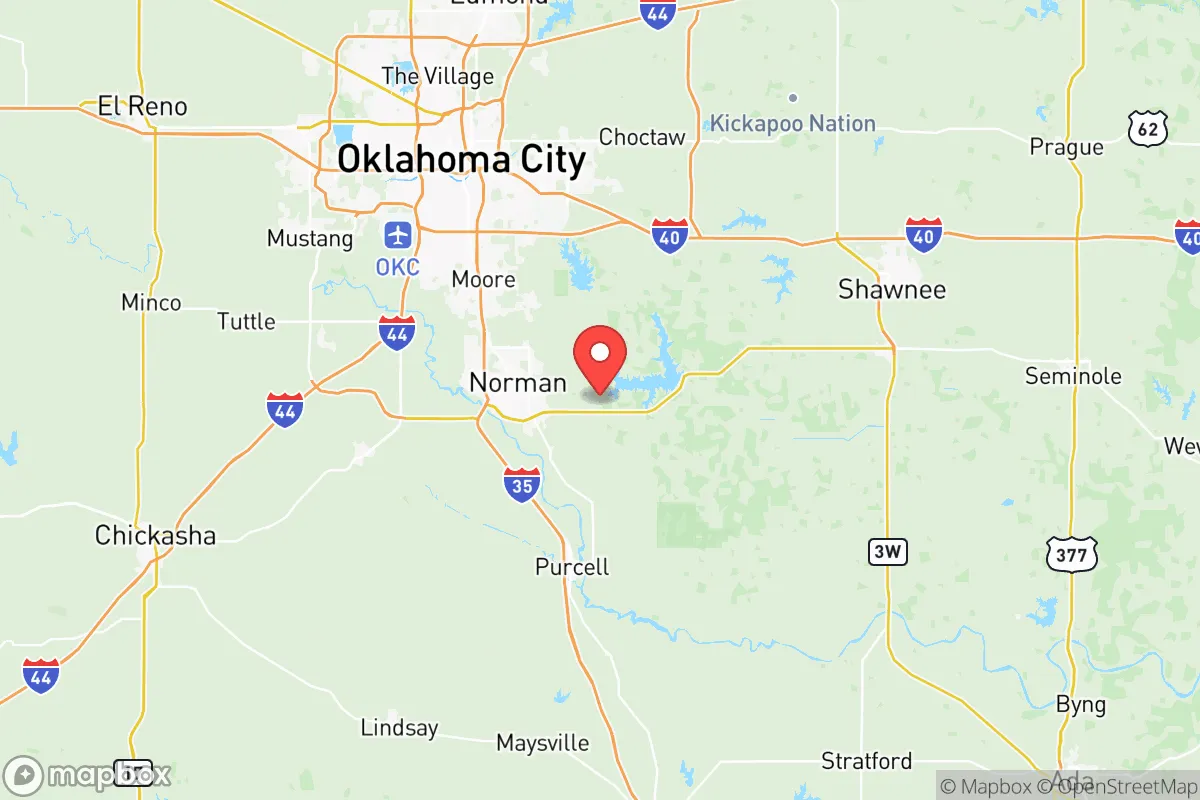
Norman is the county seat and by far the largest population center, home to the University of Oklahoma and roughly 128,000 residents. Daily life here revolves around the university calendar, with a lively arts scene, Big 12 athletics, and a walkable downtown area along Main Street and Campus Corner. The city offers a full range of amenities — multiple grocery chains, a regional hospital (Norman Regional Health System), and a growing tech and aerospace employment base anchored by the university and nearby Tinker Air Force Base in adjacent Oklahoma County. The average commute in Cleveland County is 23.6 minutes, which aligns closely with Norman’s typical drive times. Housing in Norman is the county’s most expensive, with median home values often exceeding the county average, though still affordable relative to national benchmarks.
Smaller towns & rural pockets
Outside Norman, the county includes several incorporated towns and unincorporated areas that offer distinctly different lifestyles. Moore, technically in Cleveland County’s northern edge, is a fast-growing suburb with its own school system and retail corridors, but feels more family-oriented and less tied to the university than Norman. Noble, about 10 miles south of Norman, is a small town of roughly 7,000 residents with a historic downtown, a strong sense of community, and more affordable housing. Slaughterville, farther south near the county line, is a rural community with large lots, horse properties, and limited commercial services — residents typically commute north to Norman or Oklahoma City for work and shopping. Unincorporated areas like Etowah and McKinley are sparsely populated, with agriculture and acreage dominating the landscape.
Cost & lifestyle range
The cost of living and available amenities vary significantly across Cleveland County. At the higher end, Norman offers the most services — restaurants, entertainment, public transit (Embark bus system), and a major university — but also carries higher home prices and rental costs. At the lower end, Noble and Slaughterville provide significantly cheaper housing; a buyer can often find a three-bedroom home in Noble for under $200,000, compared to $250,000 or more in central Norman. Rent follows a similar pattern: the county’s median rent of $1,128 is attainable in smaller towns, while Norman apartments near campus can exceed $1,400. Rural areas like Etowah offer the lowest property costs but require longer drives for groceries, healthcare, and schools. The county’s overall COL index of 90 means even the priciest parts of Norman remain below the national average, while rural pockets can approach an index of 80 or lower.
This county works well for a wide range of residents. Young professionals and academics thrive in Norman’s walkable, amenity-rich environment. Families seeking good schools and a quieter setting often choose Moore or Noble. Retirees and rural homesteaders find value and space in Slaughterville and the unincorporated areas south of the Canadian River. The key is matching lifestyle expectations to the specific community — Cleveland County’s strength is that it offers all of these options within a 30-minute drive of each other.

Crime in Cleveland County
Crime rates similar to the national median for U.S. locations.
Violent CrimeViolent Crime Analysis
Property CrimeProperty Crime Analysis
Crime Analysis
Cleveland County, Oklahoma, presents a mixed safety profile for prospective residents. The county's violent crime rate of 410.4 incidents per 100,000 residents and property crime rate of 1,835 per 100,000 both exceed national averages, placing it among the higher-risk areas in the state. While the county benefits from the economic vitality of the Oklahoma City metro area, its crime statistics reflect the challenges of a growing suburban region with a significant university population and a justice system that leans progressive in its approach to prosecution and sentencing.
Crime in context
Cleveland County's violent crime rate is roughly 17% higher than the national average, while its property crime rate exceeds the national figure by approximately 8%. Within Oklahoma, the county ranks in the upper tier for both violent and property offenses, trailing only a handful of more urbanized counties. The city of Norman, home to the University of Oklahoma, accounts for a disproportionate share of the county's crime volume, particularly property crimes like burglary and vehicle theft. Moore and Noble report lower violent crime rates than Norman, though property crime remains a concern across all three municipalities. The county's proximity to Oklahoma City means that some criminal activity spills across jurisdictional lines, complicating enforcement efforts.
What residents experience
Residents of Cleveland County most frequently encounter property crime — theft from vehicles, package theft, and burglary — as the primary safety concern in daily life. The presence of a large university population in Norman contributes to elevated rates of larceny and alcohol-related offenses, particularly near campus and in entertainment districts. Violent crime, while less common, is concentrated in specific areas: eastern Norman and parts of south Moore report higher rates of assault and robbery than the county average. The Cleveland County District Attorney's Office, which operates under a progressive prosecutorial philosophy, has drawn criticism for declining to file charges in certain property crime cases and pursuing diversion programs for repeat offenders. This approach, while intended to reduce incarceration rates, has resulted in faster return of convicted offenders to the streets, undermining deterrence and increasing recidivism risk for residents in affected neighborhoods.
Neighborhood-level variation and judicial impact
Safety conditions vary significantly within Cleveland County. The towns of Lexington and Slaughterville, located in the southern portion of the county, report substantially lower crime rates than Norman or Moore, owing to their smaller populations and more rural character. In contrast, areas near the University of Oklahoma campus and along the I-35 corridor through Norman experience the highest concentrations of both violent and property crime. The progressive policies of the Cleveland County District Attorney's office have a direct impact on neighborhood safety: offenders arrested for property crimes in Norman's commercial districts or for drug offenses in Moore's residential areas frequently receive deferred sentences or probation rather than incarceration. For families considering relocation, the safest options within the county are the smaller communities south of Norman, where law enforcement maintains closer community ties and the justice system operates with greater emphasis on accountability. Prospective residents should research specific neighborhood crime maps and consult with local law enforcement to understand block-level risks before choosing a location within Cleveland County.
* Values derived from national, state, county, city and local statistics and may differ in a specific area. Last updated: 2026-07-27T14:29:30.000Z
Narrative content on this page is AI-generated and may contain mistakes. Verify any details that matter before acting on them.
ReloMaps may earn a commission from affiliate links at no extra cost to you.

