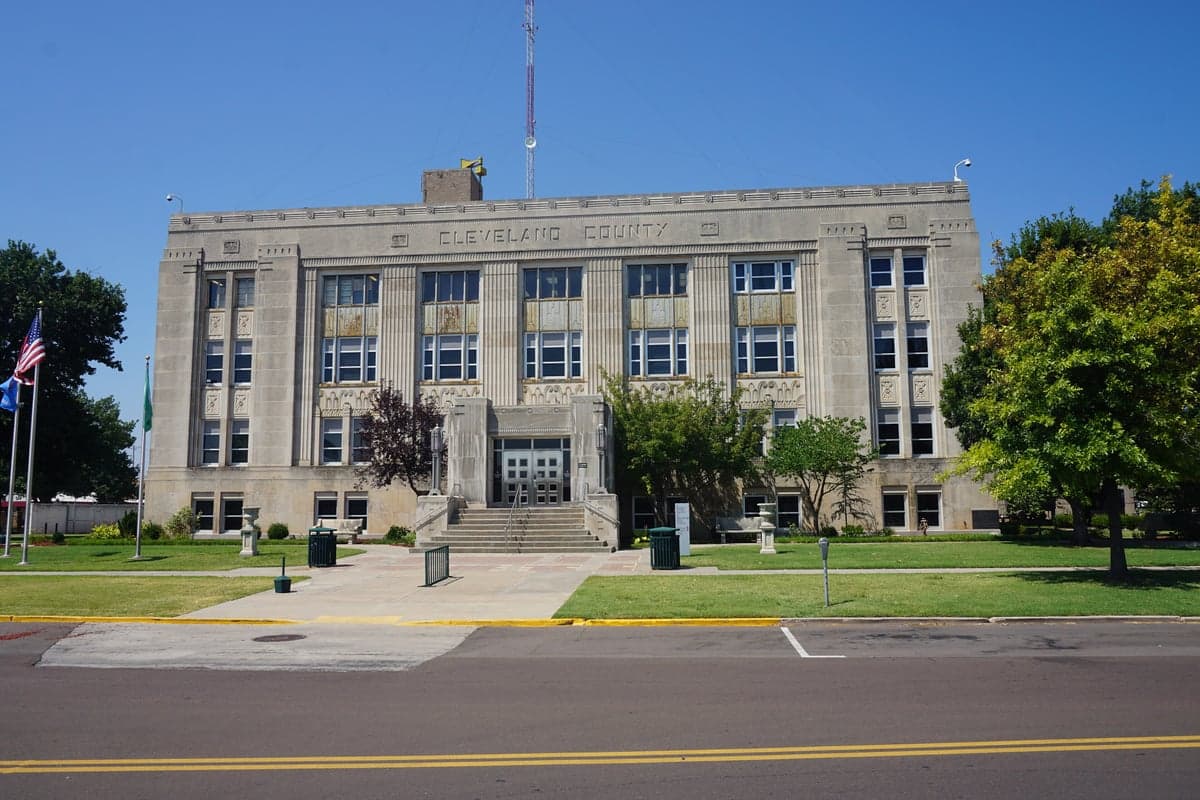
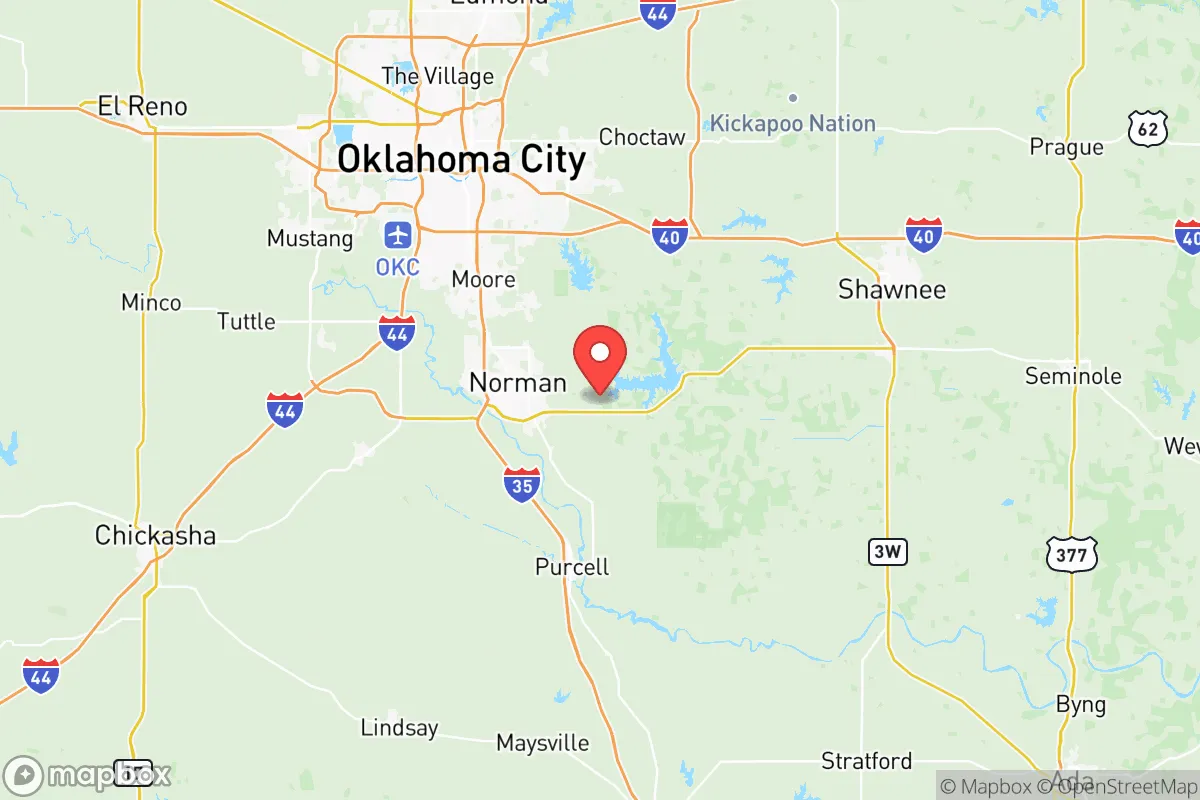
Photo: Wikipedia
Find The Best Places To Live in Cleveland County
PRO TIP! You can paste a Zillow or Redfin link to get info on that property.
Best Places to Live in Cleveland County
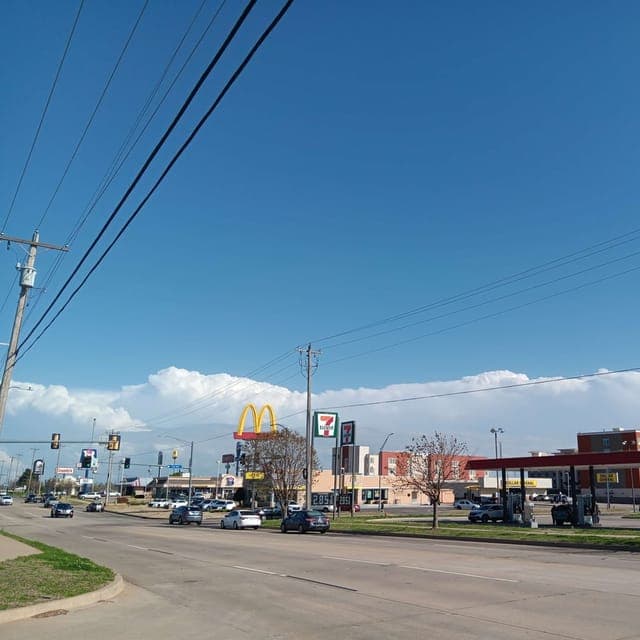
Cities & Towns in Cleveland County
Cities in Cleveland County
What It's Like Living in Cleveland County, OK
Living in Cleveland County, Oklahoma, feels a bit like being part of a secret that’s slowly getting out. You get the energy of a major university town in Norman, the quiet, rooted feel of smaller communities like Moore and Noble, and stretches of rural land where the main sound is the wind. It’s a place where people are genuinely friendly, but not in a performative way—more like a default setting. For families and single professionals looking for a lower cost of living with real access to jobs and entertainment, this county offers a balance that’s hard to find elsewhere in the state.
Daily Rhythm: From Campus Life to Rural Quiet
Your daily life in Cleveland County depends heavily on which part you call home. In Norman, the rhythm is set by the University of Oklahoma. On a game day, the entire city pulses with crimson and cream, and traffic on Lindsey Street becomes a shared ritual. Weekday mornings see a steady stream of students and faculty heading to campus, while families in Moore are more likely to be navigating drop-off lines at top-rated public schools. The average commute here is just under 24 minutes, which feels manageable—long enough to finish a podcast, short enough that you’re not dreading the drive. People in Noble or Lexington might have a slightly longer haul into Norman or Oklahoma City for work, but they trade that for more land and a slower pace. The cost of living index sits at 90, well below the national average, which means your paycheck stretches further here than it would in comparable suburbs of Dallas or Denver. That extra room in the budget often goes toward eating out at local staples like The Diner in Norman or catching a movie at the Warren Theatre in Moore.
Sports, Saturdays, and Community Pride
If you live in Cleveland County, you don’t just follow OU sports—you live them. Oklahoma Sooners football is the cultural anchor of the region. From August through November, Saturdays are sacred. Tailgating on the South Oval or grabbing a burger at The Mont before a game is a rite of passage. But the sports obsession doesn’t stop at the college level. High school football in Moore and Norman draws huge crowds, and Friday nights in the fall feel like mini-events. The community rallies around teams like the Norman Tigers or the Moore Lions with an intensity that surprises newcomers. Beyond football, the county offers a surprising amount of outdoor life. Lake Thunderbird State Park is a go-to for kayaking, fishing, and hiking, and it’s close enough that you can be on the water 20 minutes after leaving your house. For music and festivals, the Norman Music Festival brings thousands downtown every spring, and the Medieval Fair in Norman is a quirky, beloved tradition that’s been running for decades.
What Works, What Grates, and Who Fits In
The biggest upside to Cleveland County is the combination of opportunity and affordability. With a median household income of $74,446 and a median home value of $222,800, homeownership is genuinely attainable for a single professional or a young family. That’s a stark contrast to pricier metros where a starter home can feel out of reach. The county also has a solid job market, anchored by the university, the Oklahoma City metro spillover, and major employers like Norman Regional Health System and the Tinker Air Force Base nearby. The population skews young—median age 35.1—and over a third of adults hold a bachelor’s degree, giving the area a more educated, progressive tilt than much of rural Oklahoma, especially in Norman itself.
On the flip side, the violent crime rate of 410.4 per 100,000 residents is higher than the national average, and that’s a real concern for families choosing neighborhoods. Most of the crime is concentrated in specific areas, but it’s something to research block by block. Another frustration locals mention is the summer heat—it’s humid, relentless, and lasts from June well into September. Winters are mild by comparison, but ice storms can knock out power for days. Traffic is rarely a nightmare, but the intersection of I-35 and Highway 9 in Norman can test your patience during rush hour. And while the county has plenty to do, those craving big-city nightlife or world-class museums will find themselves driving the 20 minutes north to Oklahoma City more often than they might expect.
Ultimately, the person who thrives here is someone who values community over flash. It’s a place where your neighbors know your name, where you can buy a house without going into debt, and where a Saturday might mean a Sooners game, a trip to the lake, or just a slow afternoon on a porch in Slaughterville. It’s not trying to be Austin or Nashville—it’s comfortable being itself, and that’s exactly why people stay.

* Values derived from national, state, county, city and local statistics and may differ in a specific area. Last updated: 2026-07-27T14:29:30.000Z
Narrative content on this page is AI-generated and may contain mistakes. Verify any details that matter before acting on them.
ReloMaps may earn a commission from affiliate links at no extra cost to you.

