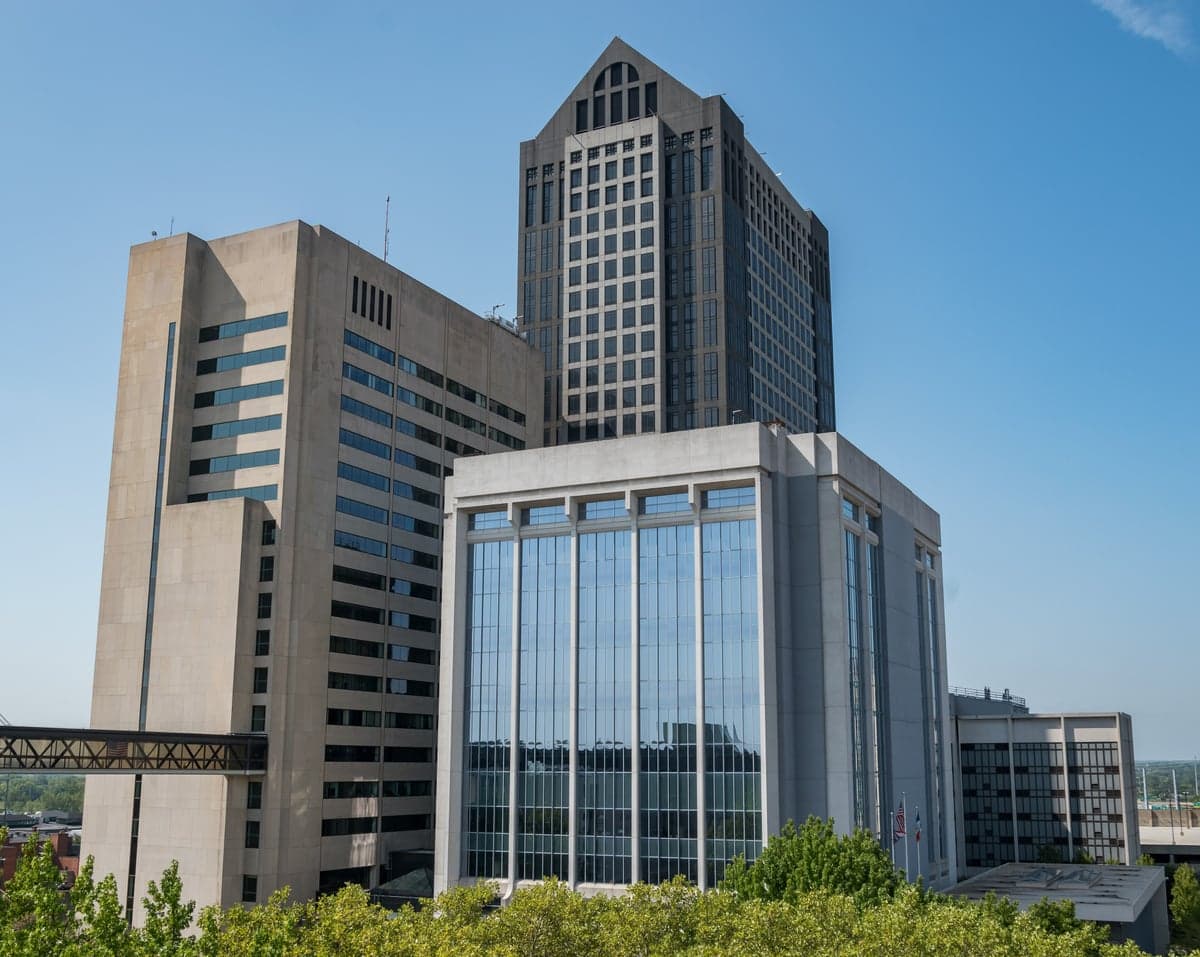
Photo: Wikipedia
Find The Best Places To Live in Franklin County
PRO TIP! You can paste a Zillow or Redfin link to get info on that property.
Best Places to Live in Franklin County
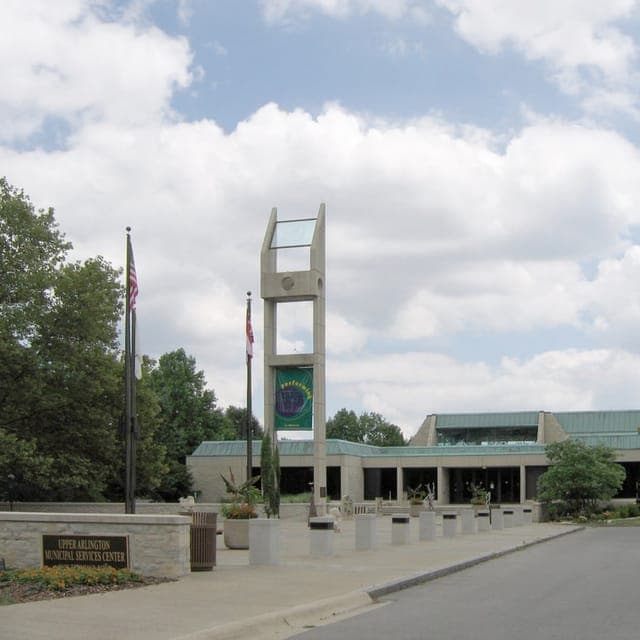
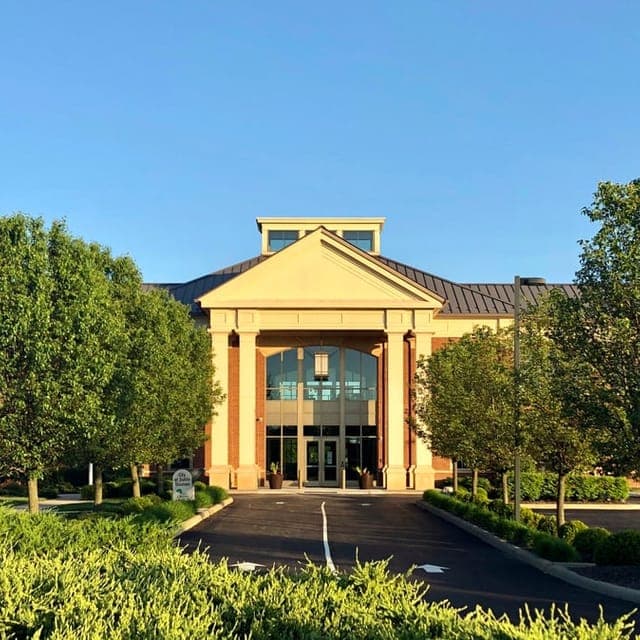
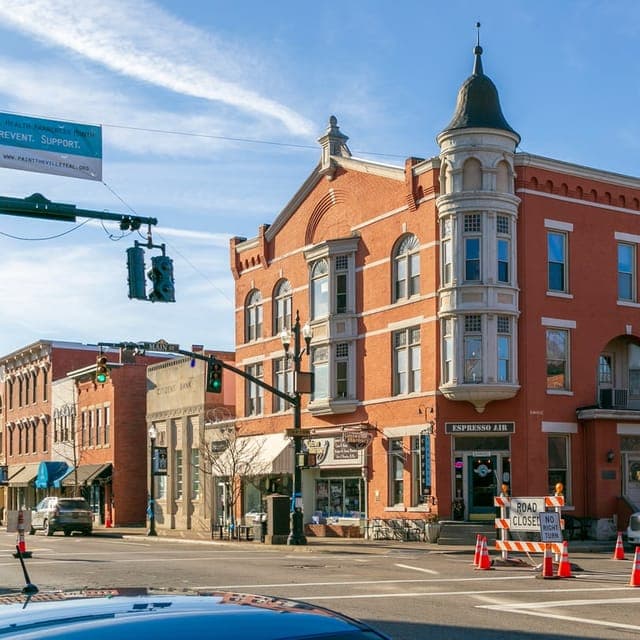
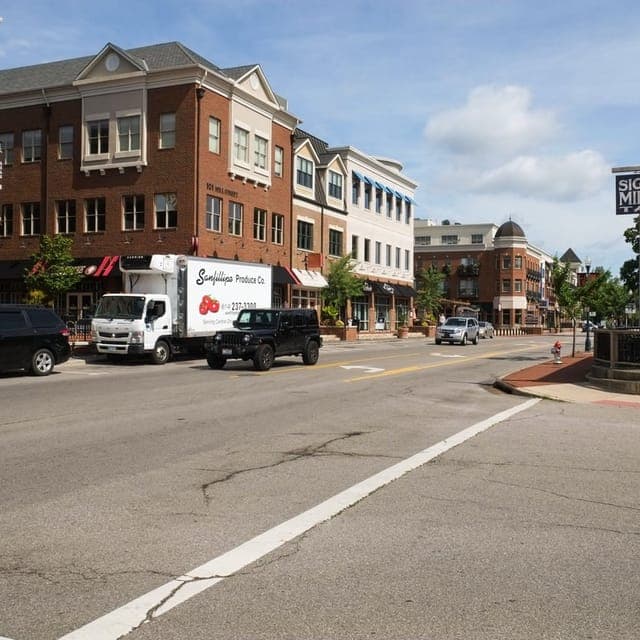
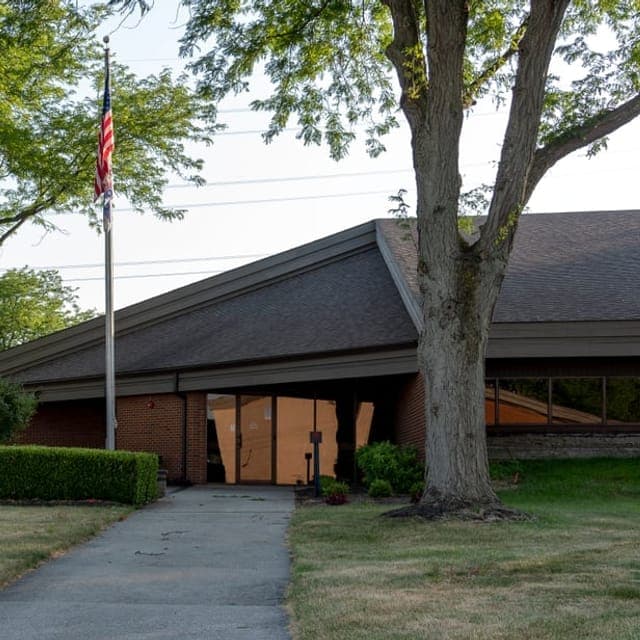
Cities & Towns in Franklin County
Cities in Franklin County
What It's Like Living in Franklin County, OH
Living in Franklin County, Ohio means being part of the state’s political, economic, and cultural core, anchored by Columbus but stretching out into a mix of historic small towns, sprawling suburbs, and working-class rural pockets. It’s a place where the Ohio State University campus bleeds into the Short North’s art galleries, where a family in Gahanna can drive twenty minutes to a corn maze in the fall, and where the county’s median age of 34.7 reflects a steady stream of young professionals and new families. Whether you’re renting a downtown apartment in the Brewery District or buying a fixer-upper in Grove City, the county offers a blend of Midwestern affordability and big-city opportunity that’s hard to match elsewhere in the state.
Daily Rhythm: From Downtown Commutes to Suburban Weekends
For most residents, daily life revolves around a short commute—the county average is just under 22 minutes—which means more time for dinner at a local spot or a walk in the neighborhood. In Columbus proper, people grab coffee at One Line Coffee in the Short North before heading to jobs at Nationwide Insurance, JPMorgan Chase, or one of the many state government offices downtown. Families in suburbs like Dublin or Westerville often spend weekends at the Columbus Zoo and Aquarium or hiking the trails at Highbanks Metro Park, while those in more rural areas like Canal Winchester or the far southern reaches of the county might spend Saturday mornings at a farmers market or a high school soccer game. The county’s cost of living index sits at 101, just a hair above the national average, which means a median income of $73,795 goes further here than in most major metros—especially when paired with a median home value of $265,700 that still feels attainable for many first-time buyers.
The weather follows a classic Midwestern rhythm: hot, humid summers perfect for pool days or catching a Columbus Clippers minor-league baseball game, followed by crisp autumns that draw crowds to the Ohio State Fair or apple-picking at Lynd Fruit Farm in Pataskala. Winters are cold and gray, with occasional snow that slows traffic but rarely shuts things down for long. Schools play a major role in community identity, especially in suburbs like Upper Arlington and Bexley, where property taxes fund highly rated districts that become a primary reason families choose those neighborhoods over others.
Sports, Festivals, and the Nightlife Scene
If you live in Franklin County, you can’t escape Ohio State football. On autumn Saturdays, the entire county slows down as more than 100,000 people pack Ohio Stadium, and even non-fans know to avoid the High Street corridor near campus. But the sports culture extends beyond the Buckeyes: the Columbus Blue Jackets draw a loyal NHL crowd, the Columbus Crew SC has a dedicated soccer following at Lower.com Field, and high school football in places like Pickerington and Hilliard can feel like a Friday-night ritual. For entertainment, the county punches above its weight. The Columbus Museum of Art, the Wexner Center for the Arts, and the annual ComFest (Community Festival) in Goodale Park offer cultural depth, while the North Market downtown is a weekend destination for food lovers. The Short North is the go-to for bars and galleries, but neighborhoods like Clintonville and Italian Village have their own quieter hangouts, like Studio 35 Cinema & Drafthouse or the intimate space at Natalie’s Coal-Fired Pizza in Worthington.
For outdoor recreation, the Scioto Mile along the downtown riverfront is a popular spot for running and biking, while the Olentangy Trail connects several suburbs to the city center. Residents in the eastern part of the county, like those in Reynoldsburg, often head to Blacklick Woods Metro Park for hiking and birdwatching. The county’s festivals—from the Dublin Irish Festival to the Greek Festival in Columbus—draw crowds from across the region and give each suburb its own seasonal identity.
Pros and Cons of Living in Franklin County
Longtime residents will tell you the biggest advantage is the balance of opportunity and cost. You can work in a city with a strong job market—Columbus is home to 15 Fortune 1000 companies—and still afford a house with a yard in a place like Groveport or New Albany. The county’s 42% college-educated population means a well-educated workforce and a culture that values innovation, but it also means competition for certain jobs and housing in the most desirable school districts. The violent crime rate of 266.6 per 100,000 is slightly above the national average, and while much of that is concentrated in specific Columbus neighborhoods, it’s a concern for families weighing urban versus suburban living. Traffic is manageable compared to peer cities like Indianapolis or Cincinnati, but the I-270 outerbelt and the I-71/70 interchange downtown can get frustrating during rush hour.
On the flip side, the county’s diversity of places—from the historic brick streets of German Village to the new developments in Hilliard—means there’s a neighborhood for nearly every personality and budget. The cultural quirks are real: people here are proud of their local institutions, whether it’s the Ohio State Fair, Jeni’s Splendid Ice Creams, or the fact that the county has one of the largest Somali populations in the U.S., adding layers to the food and community scene. What frustrates residents most is often the rapid growth—new apartments and strip malls popping up in formerly quiet corners of the county, and the feeling that some of the small-town charm in places like Grove City or Canal Winchester is being paved over. But for most, the trade-off is worth it: a place where you can build a career, raise a family, and still find a quiet spot to watch the leaves change in October.

* Values derived from national, state, county, city and local statistics and may differ in a specific area. Last updated: 2026-07-12T14:38:37.000Z
Narrative content on this page is AI-generated and may contain mistakes. Verify any details that matter before acting on them.
ReloMaps may earn a commission from affiliate links at no extra cost to you.

