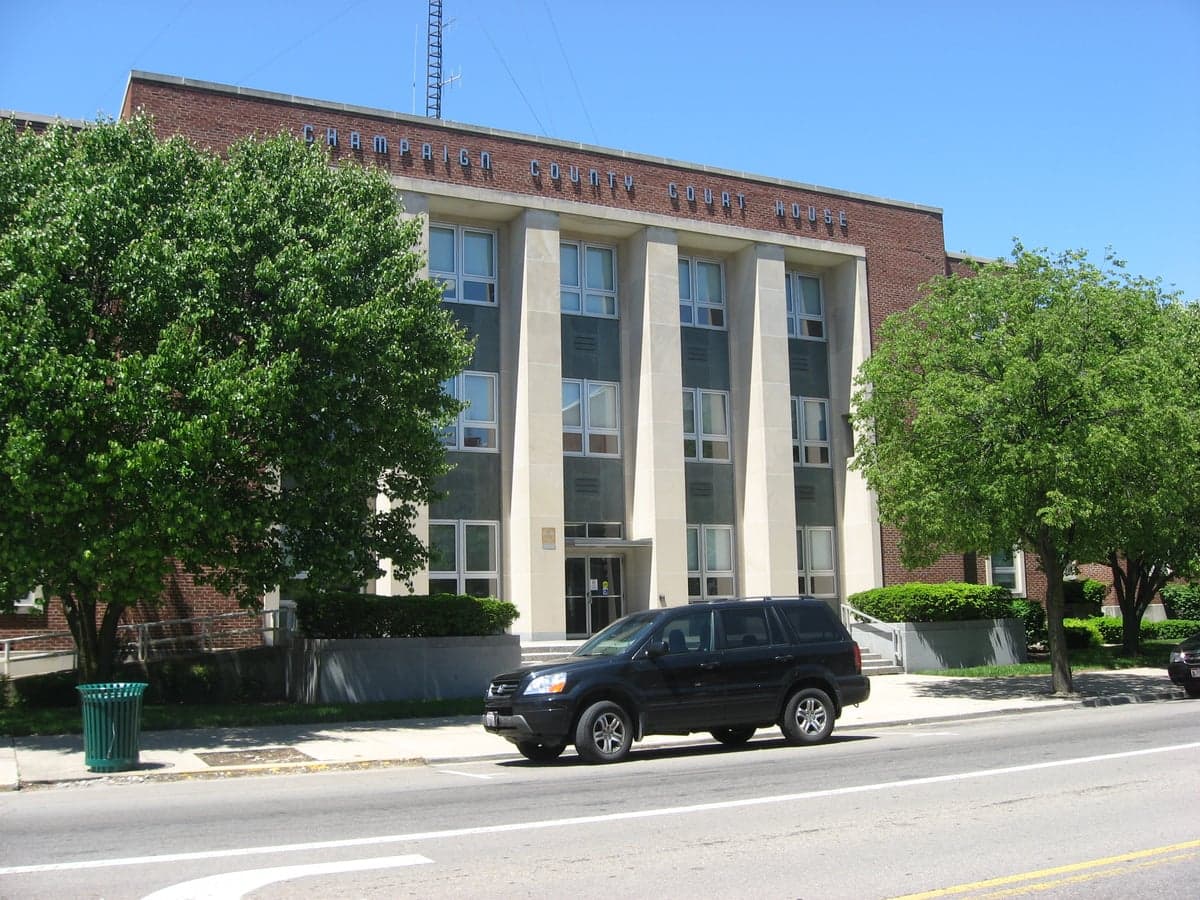
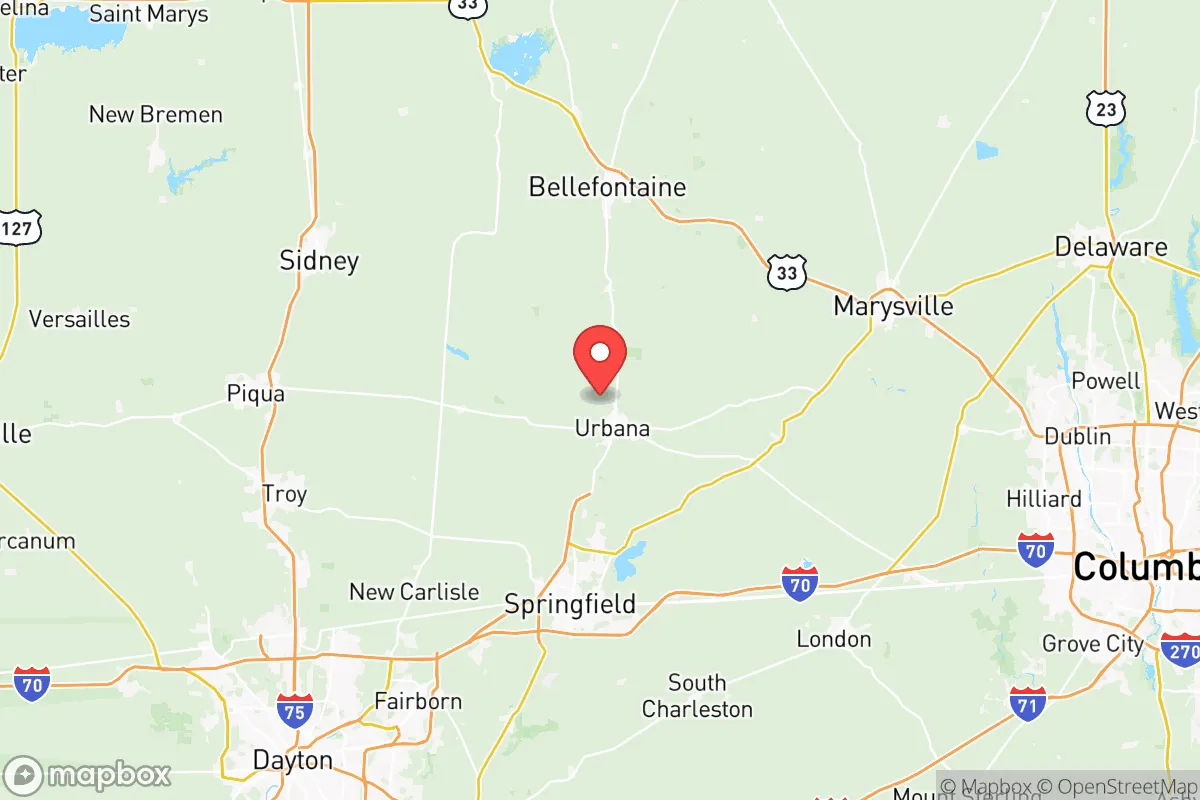
Photo: Wikipedia
Quality of Life in Champaign County
A livable area that tracks near national norms for affordability, walkability, and neighborhood health.
What does Quality of Life tell us?
Quality of Life measures an area by evaluating factors like cost of living, nearby amenities, country club access, airport proximity, socioeconomic signals and neighborhood character. For large states, this is a general average — quality of life can vary dramatically between metro areas, suburbs, and rural communities within the same state.
What does this tell us?
Quality of Life measures an area by evaluating factors like cost of living, nearby amenities, country club access, airport proximity, socioeconomic signals and neighborhood character. For large states, this is a general average — quality of life can vary dramatically between metro areas, suburbs, and rural communities within the same state.
Cost of Living
28% below national average
140%
The Real Cost of Living in Champaign County for 2026
| Tier | Individual | Family (4) |
|---|---|---|
| Survival | $14k | $27k |
| Comfortable | $36k | $53k |
| Luxury | $103k+ | $160k+ |
| Elite (Top 5%) | $121k+ | $188k+ |
Quality-of-Life Analysis
Champaign County, Ohio, offers a quality-of-life spectrum that spans from the walkable, historic county seat of Urbana to quiet crossroads hamlets and open farmland, drawing everyone from young families seeking affordable starter homes to retirees looking for a slower pace within reach of Dayton and Columbus. With a cost-of-living index of 72 (well below the national average of 100), a median home value of $186,300, and a median rent of $884, the county provides tangible financial breathing room. The average commute of roughly 26.6 minutes reflects a balance: many residents work in nearby metro areas but return to a distinctly rural or small-town setting.
Largest town(s) & population centers
Urbana, the county seat and largest municipality (population roughly 11,500), is the clear hub. Daily life here centers on the compact, historic downtown along Miami Street, with local restaurants, the Champaign County Courthouse, and the popular Melvin Miller Park. The presence of Mercy Health – Urbana Hospital and major employers like Honda Transmission Manufacturing (just east in neighboring Clark County) and Nexeo Solutions provides stable employment. Urbana offers a mix of older Victorian homes, mid-century ranch houses, and newer subdivisions, with most errands doable by car within 10 minutes. The city also hosts the Champaign County Fair and has a small but active arts scene centered on the Champaign County Historical Museum. For families, Urbana City Schools and the nearby Urbana University (a branch of Franklin University) add educational options.
Smaller towns & rural pockets
Outside Urbana, the county's character shifts markedly. Mechanicsburg (population ~1,700) is a classic small farm town with a grain elevator, a few locally owned shops, and a strong sense of community anchored by the Mechanicsburg Exempted Village Schools. St. Paris (population ~2,000) sits in the county's western farm belt, known for its annual St. Paris Community Days and proximity to the scenic Buck Creek State Park just over the line in Clark County. North Lewisburg (population ~1,500) is a quiet village with a historic downtown and the Triad Local Schools district. Unincorporated places like Kingscreek, Mingo, and Woodstock are little more than crossroads with a church, a few homes, and vast corn and soybean fields. These areas offer true rural living—large lots, gravel roads, and minimal traffic—but require driving 15–25 minutes to Urbana or even to Springfield (15 miles south) for groceries, medical care, and most services.
Cost & lifestyle range
The cost spread across Champaign County is modest but real. At the low end, a fixer-upper in a village like Mechanicsburg or North Lewisburg can be found for $120,000–$150,000, with rents often below $750 for a two-bedroom. These areas offer the lowest taxes and utility costs, but amenities are sparse—residents typically drive to Urbana or Springfield for shopping and dining. At the higher end, newer subdivisions on Urbana's west side (near State Route 29) and custom-built homes on acreage near Buck Creek or Kingscreek can reach $300,000–$400,000. These properties still sit well below the national median home price, offering significant value for buyers seeking space. The lifestyle trade-off is clear: Urbana provides walkable downtown access, a hospital, and a school system with more extracurriculars, while the smaller towns and rural pockets deliver privacy, lower costs, and a tighter-knit community but require longer drives for most errands. The county's 72 COL index means even the priciest homes here cost roughly 30% less than the U.S. average, making the entire county affordable by national standards.
Champaign County works best for those who value affordability and space over urban density. Young professionals and remote workers can buy a home here for a fraction of what they would pay in Columbus or Dayton, while retirees appreciate the quiet and low property taxes. Families should weigh the convenience of Urbana's schools and amenities against the slower, more rural feel of Mechanicsburg or St. Paris. For anyone seeking a genuine small-town or agricultural lifestyle within a reasonable commute to a mid-sized city, Champaign County delivers a clear, cost-effective option.

Crime in Champaign County
Crime rates similar to the national median for U.S. locations.
Violent CrimeViolent Crime Analysis
Property CrimeProperty Crime Analysis
Crime Analysis
Champaign County, Ohio, presents a mixed safety picture that is heavily influenced by its rural character and the proximity of its largest population center, Urbana. With a violent crime rate of 268 per 100,000 residents and a property crime rate of 1,369.9 per 100,000, the county sits slightly above the national average for property offenses but below the national violent crime benchmark. However, these county-wide averages mask significant variation between the small towns and unincorporated areas that define the region, making neighborhood-level research essential for anyone considering a move here.
Crime in context
Champaign County’s violent crime rate of 268 per 100,000 is roughly 25% lower than the national average of 380 per 100,000, placing it in a safer tier than many urban Ohio counties. Property crime, however, tells a different story: the rate of 1,369.9 per 100,000 is about 15% higher than the national average of 1,200 per 100,000. This pattern is typical of rural Midwestern counties where theft from vehicles, farm equipment burglaries, and shed break-ins are common. Compared to neighboring counties like Clark (home to Springfield) or Madison, Champaign’s property crime rate is moderate, but it is notably higher than in more affluent, exurban counties such as Union County to the west. The county’s judicial system, operating out of the Champaign County Municipal Court in Urbana, has not adopted the progressive prosecutorial policies seen in larger Ohio cities like Columbus or Cleveland, which often correlate with higher recidivism and softer sentencing. Instead, the local district attorney’s office maintains a traditional, victim-centered approach that prioritizes accountability, a factor that likely helps keep violent crime in check.
What residents experience
Residents of Champaign County most frequently encounter property crimes—theft, burglary, and vandalism—rather than violent confrontations. The most common violent crime is aggravated assault, which accounts for roughly 60% of the violent incidents, while robbery and homicide are rare. In Urbana, the county seat and largest town (population ~11,500), police reports show a concentration of thefts near the U.S. Route 36 commercial corridor, particularly around the Walmart and strip malls. Smaller communities like Mechanicsburg, St. Paris, and North Lewisburg report far fewer incidents, with violent crime nearly absent in these villages. Residents in these outlying areas describe a “know your neighbor” environment where unlocked cars and open garages are still common, though property crime is a growing concern as drug-related theft (often linked to methamphetamine and opioid use) has crept into rural areas. The Champaign County Sheriff’s Office actively patrols these townships, and community watch programs are active in places like Mutual and Woodstock, which helps maintain a sense of security.
Neighborhood-level variation
The safety landscape in Champaign County is not uniform. Urbana’s downtown and older residential neighborhoods near the courthouse square experience the highest call volumes for both property and minor violent crimes, largely due to higher population density and transient traffic. In contrast, the rural townships surrounding Kingscreek and Concord see crime rates that are a fraction of the county average, with many residents reporting zero incidents over multiple years. The county’s proximity to the larger cities of Dayton (45 minutes south) and Columbus (50 minutes east) means that some property crime is driven by transient offenders passing through on major highways. However, the absence of a large, progressive urban justice system in Champaign County—where judges and prosecutors are not ideologically lenient—means that repeat offenders are more likely to face meaningful consequences, a deterrent that contributes to the area’s overall stability. For families and retirees seeking a quiet, low-crime environment, the villages of St. Paris and Mechanicsburg consistently rank as the safest bets within the county.
* Values derived from national, state, county, city and local statistics and may differ in a specific area. Last updated: 2026-08-19T01:47:36.000Z
Narrative content on this page is AI-generated and may contain mistakes. Verify any details that matter before acting on them.
ReloMaps may earn a commission from affiliate links at no extra cost to you.

