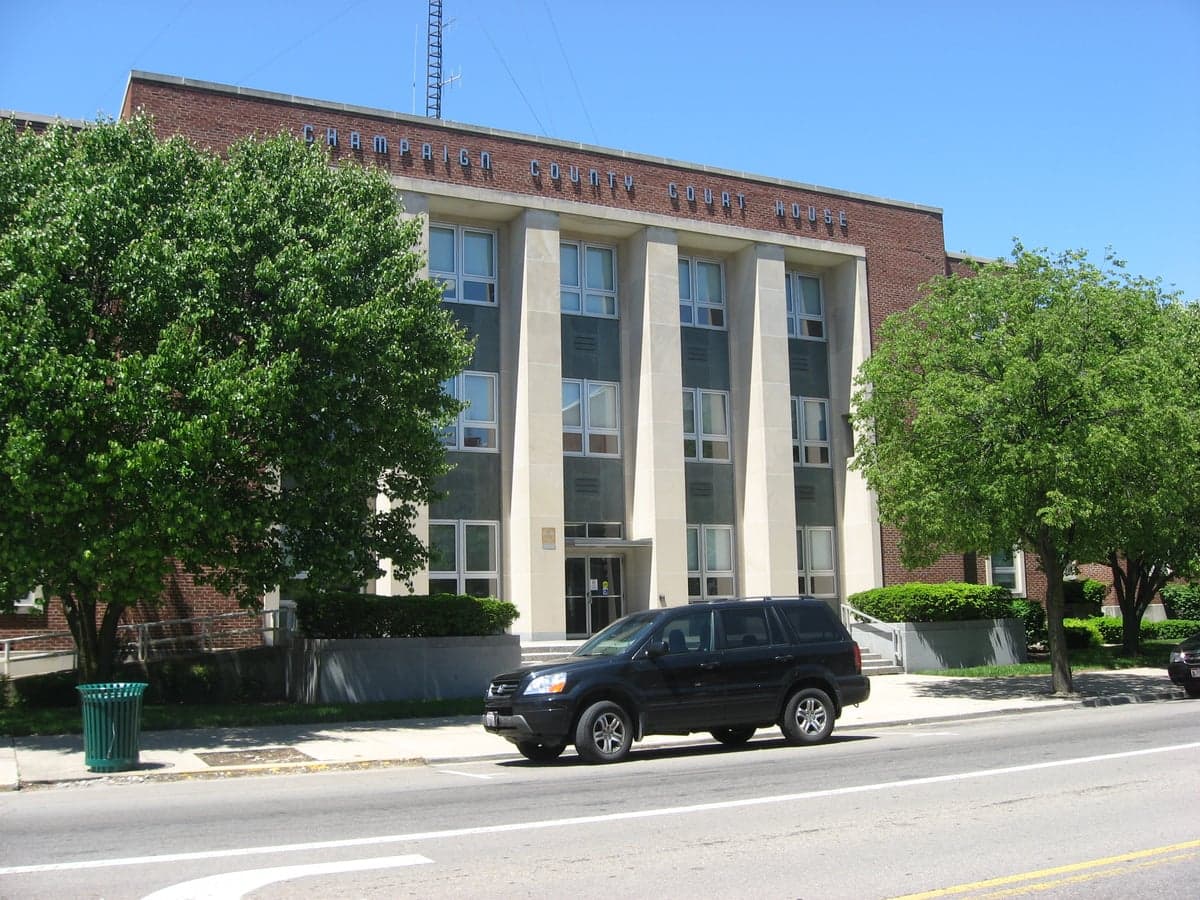
Photo: Wikipedia
Find The Best Places To Live in Champaign County
PRO TIP! You can paste a Zillow or Redfin link to get info on that property.
What It's Like Living in Champaign County, OH
Champaign County feels like a place where people know their neighbors by name, and the pace of life lets you actually stop and talk to them. With a population just under 39,000 spread across communities like Urbana, St. Paris, Mechanicsburg, and the rural crossroads in between, it’s a county that balances small-city convenience with genuine farmland quiet. The median home value sits around $186,300 and the cost of living index is a low 72, which means a solid middle-class lifestyle is far more attainable here than in Ohio’s bigger metros — and that’s a big part of why people stay.
The Daily Rhythm: Work, Commute, and Weekend Errands
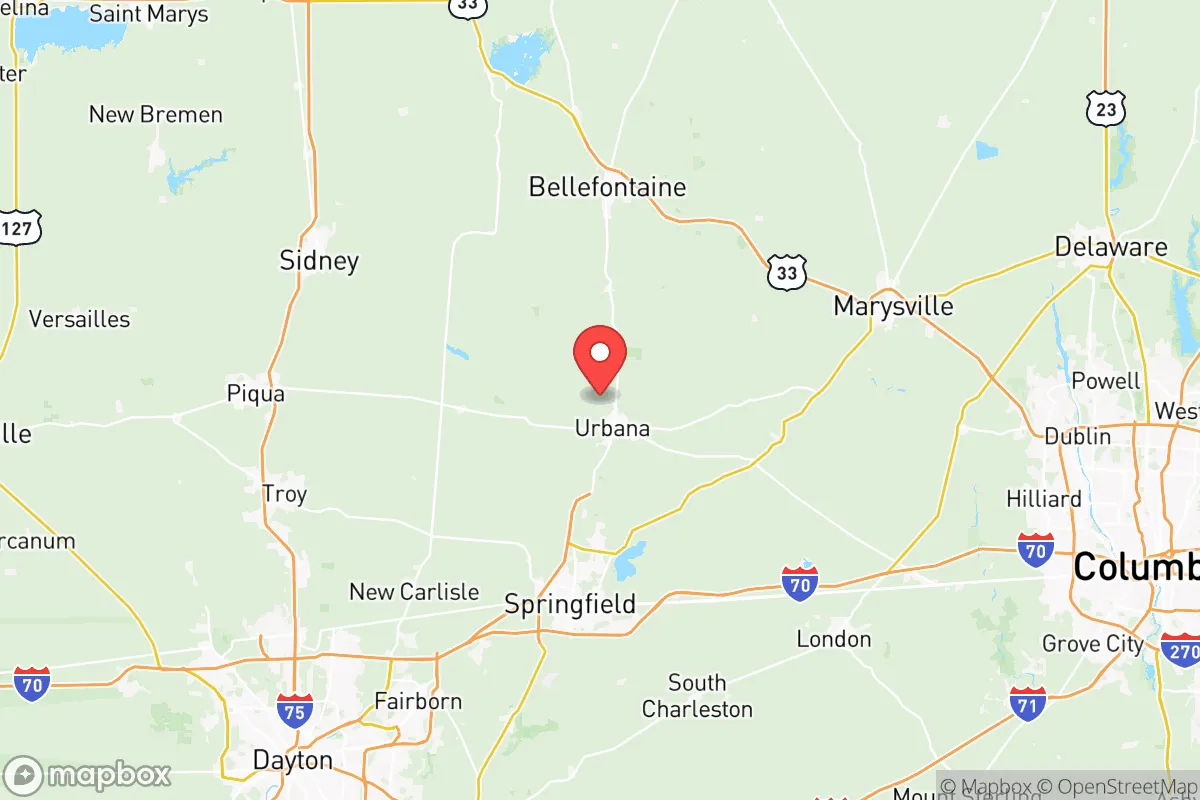
Most residents work in manufacturing, healthcare, education, or agriculture, with a notable number commuting to nearby Springfield (about 20 minutes east) or Columbus (roughly 45 minutes southeast). The average commute clocks in at just over 26 minutes — long enough for a podcast, short enough that you’re not dreading the drive. In Urbana, the county seat, mornings start at local spots like Brewfontaine Coffee on Scioto Street, where you’ll see farmers in ball caps chatting with office workers before heading out. Mechanicsburg and St. Paris are quieter still, with grain elevators and feed stores anchoring Main Streets that haven’t changed much in decades. Weekends often involve a trip to Melvin Miller Park in Urbana for a soccer game or a slow drive out to Cedar Bog Nature Preserve — a rare, boardwalk-traversed fen that feels a world away from the cornfields surrounding it. The median income of $74,239 supports a comfortable, no-frills lifestyle: a decent house, a reliable truck, and money left over for a Friday night dinner out.
Sports, Community Pride, and Friday-Night Lights
High school sports are the heartbeat of Champaign County. On any given fall Friday, the stands at Urbana High School’s Hillclimber Stadium are packed, and the same energy fills Mechanicsburg High School’s gym during basketball season. The county doesn’t have a pro or major college team of its own, but that doesn’t dampen enthusiasm — locals are split between Ohio State Buckeyes and University of Dayton Flyers fans, with a healthy contingent rooting for the Springfield Sliders collegiate summer baseball team just up the road. The Champaign County Fair in Urbana each August is the social event of the year, combining livestock shows, demolition derbies, and carnival rides into a week that shuts down half the town. For a quieter kind of competition, the Urbana Golf & Country Club hosts member tournaments that double as social gatherings for families who’ve been in the area for generations.
What’s There to Do: Festivals, Food, and Outdoor Life
Entertainment here is more about community events than big-city nightlife. The Urbana Arts & Crafts Festival draws crowds to Monument Square each September, and St. Paris’s annual Fireman’s Festival is a low-key favorite for its parade and pancake breakfast. Dining leans toward reliable American staples: Michael’s Pizza in Urbana has been a Friday-night institution for decades, and The Hickory Inn in St. Paris serves up hearty steaks and fried fish in a wood-paneled dining room that hasn’t changed since the 1970s. For outdoor recreation, Kiser Lake State Park offers fishing, kayaking, and a beach that’s busy on hot summer weekends, while the Simon Kenton Trail — a paved multi-use path — runs through Urbana and connects to Springfield for longer bike rides. Hunters and hikers head to the Champaign County Wildlife Area near Mechanicsburg, a 1,500-acre patch of woods and wetlands that sees heavy use during deer season.
Pros and Cons of Living Here: The Honest Trade-Offs
What people love most is the affordability and the genuine sense of safety. The violent crime rate of 268 per 100,000 is below the national average, and most residents leave their doors unlocked in the smaller towns. The median age of 41.6 reflects a stable, family-oriented population — you’ll find young couples buying their first homes in Urbana’s newer subdivisions alongside retirees who’ve lived on the same farm road for 50 years. The downsides are real, though. Only 19.1% of adults hold a bachelor’s degree, which limits the white-collar job market and means many ambitious young adults move to Columbus or Cincinnati after college. Entertainment options are thin — there’s no movie theater in the county, and the closest mall is in Springfield. Winters can feel long and gray, with lake-effect snow occasionally dusting the northern parts of the county near North Lewisburg. And while the cost of living is a huge plus, the flip side is that home values appreciate slowly — your $186,300 house is a solid investment, but you’re not going to get rich flipping it in five years.
Champaign County works best for people who value community over convenience, who don’t mind driving 20 minutes for a grocery store, and who find satisfaction in knowing the person at the next counter at the Urbana Dairy Queen. It’s a place where the county fair is a big deal, where your kid’s soccer coach is also your neighbor, and where the biggest traffic jam is the five-minute backup on US-36 during harvest season. If that sounds like home, it probably is.

* Values derived from national, state, county, city and local statistics and may differ in a specific area. Last updated: 2026-08-19T01:47:36.000Z
Narrative content on this page is AI-generated and may contain mistakes. Verify any details that matter before acting on them.
ReloMaps may earn a commission from affiliate links at no extra cost to you.

