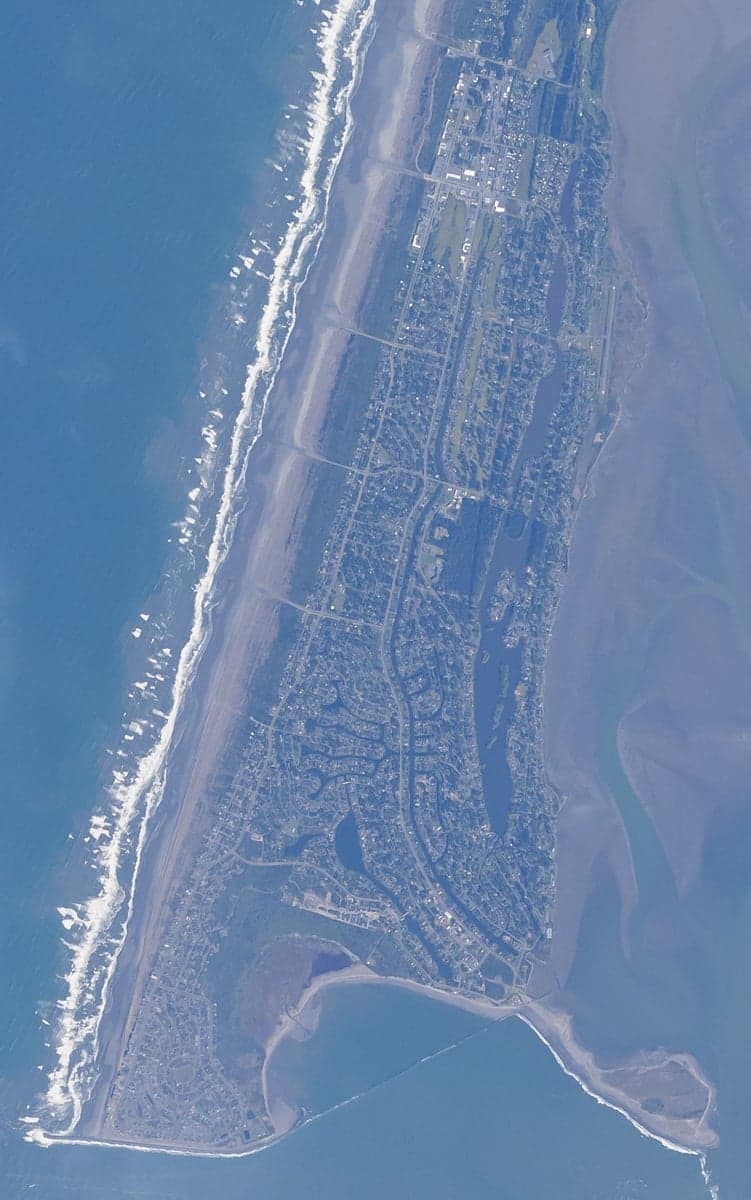
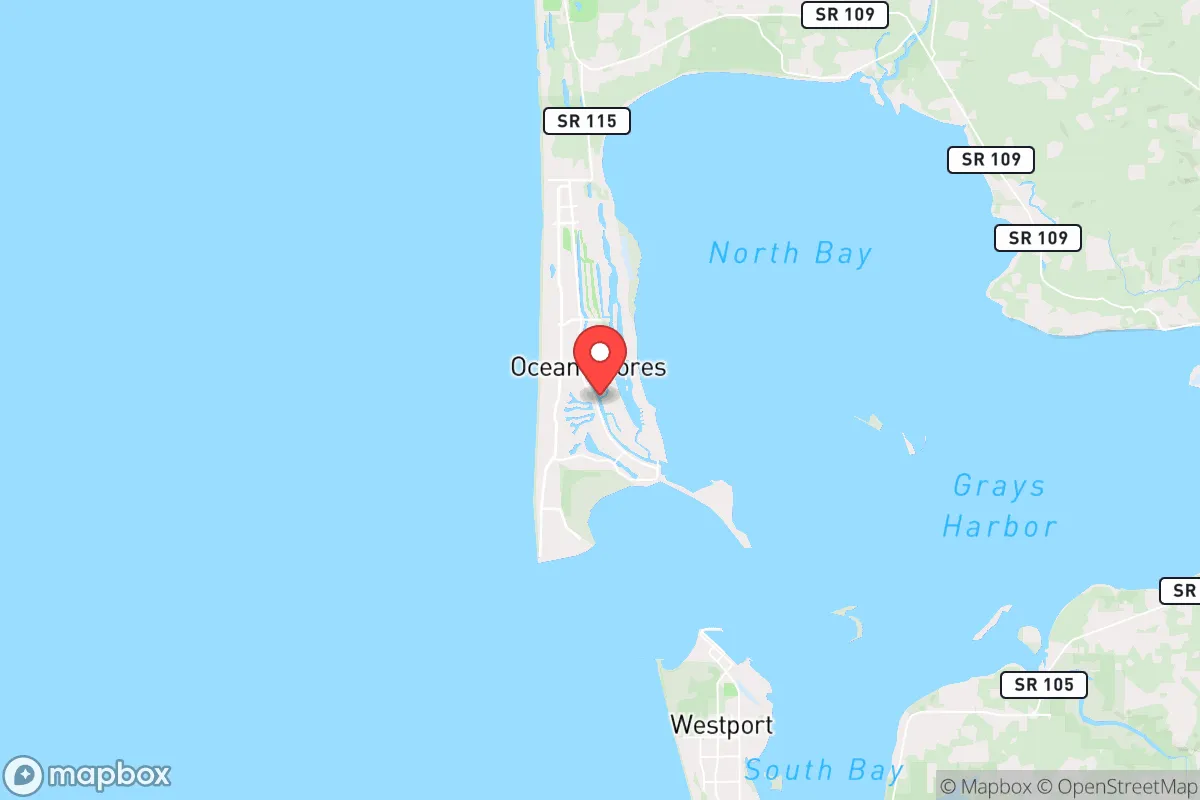
Photo: Wikipedia
Quality of Life in Ocean Shores, WA
A high quality of life with strong walkability, manageable living costs, healthy neighborhood signals, and solid amenity access.
What does Quality of Life tell us?
Quality of Life blends cost of living, nearby amenities, socioeconomic signals, and neighborhood character. City-level scores represent the whole municipality; individual neighborhoods can differ.
What does this tell us?
Quality of Life blends cost of living, nearby amenities, socioeconomic signals, and neighborhood character. City-level scores represent the whole municipality; individual neighborhoods can differ.
Cost of Living
14% above national average
The Real Cost of Living in Ocean Shores, WA for 2026
| Tier | Individual | Family (4) |
|---|---|---|
| Survival | $19k | $35k |
| Comfortable | $60k | $88k |
| Luxury | $88k+ | $136k+ |
| Elite (Top 5%) | $103k+ | $160k+ |
71%
The Area Signal
A metric tracking the socioeconomic signals of the area.
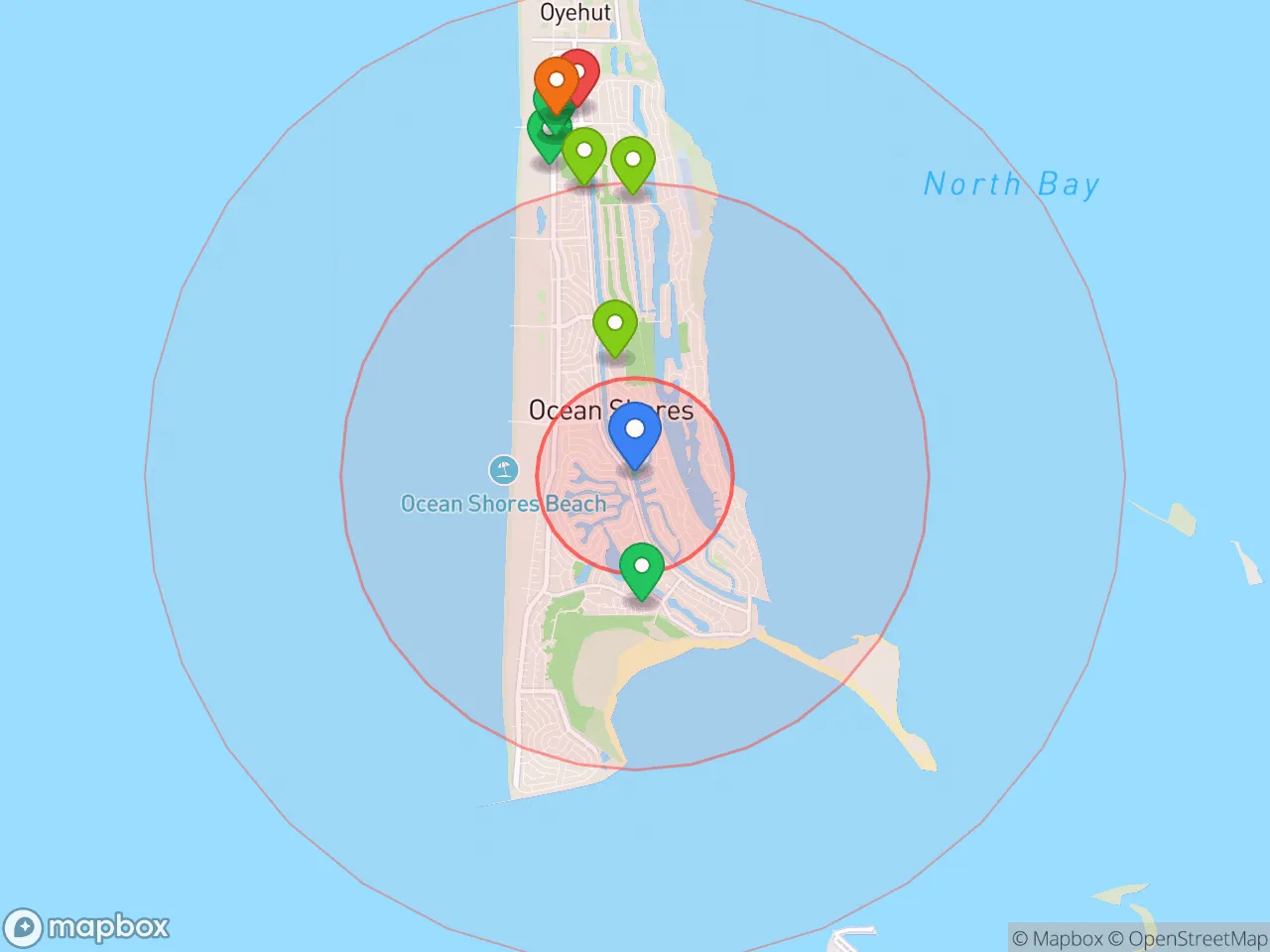
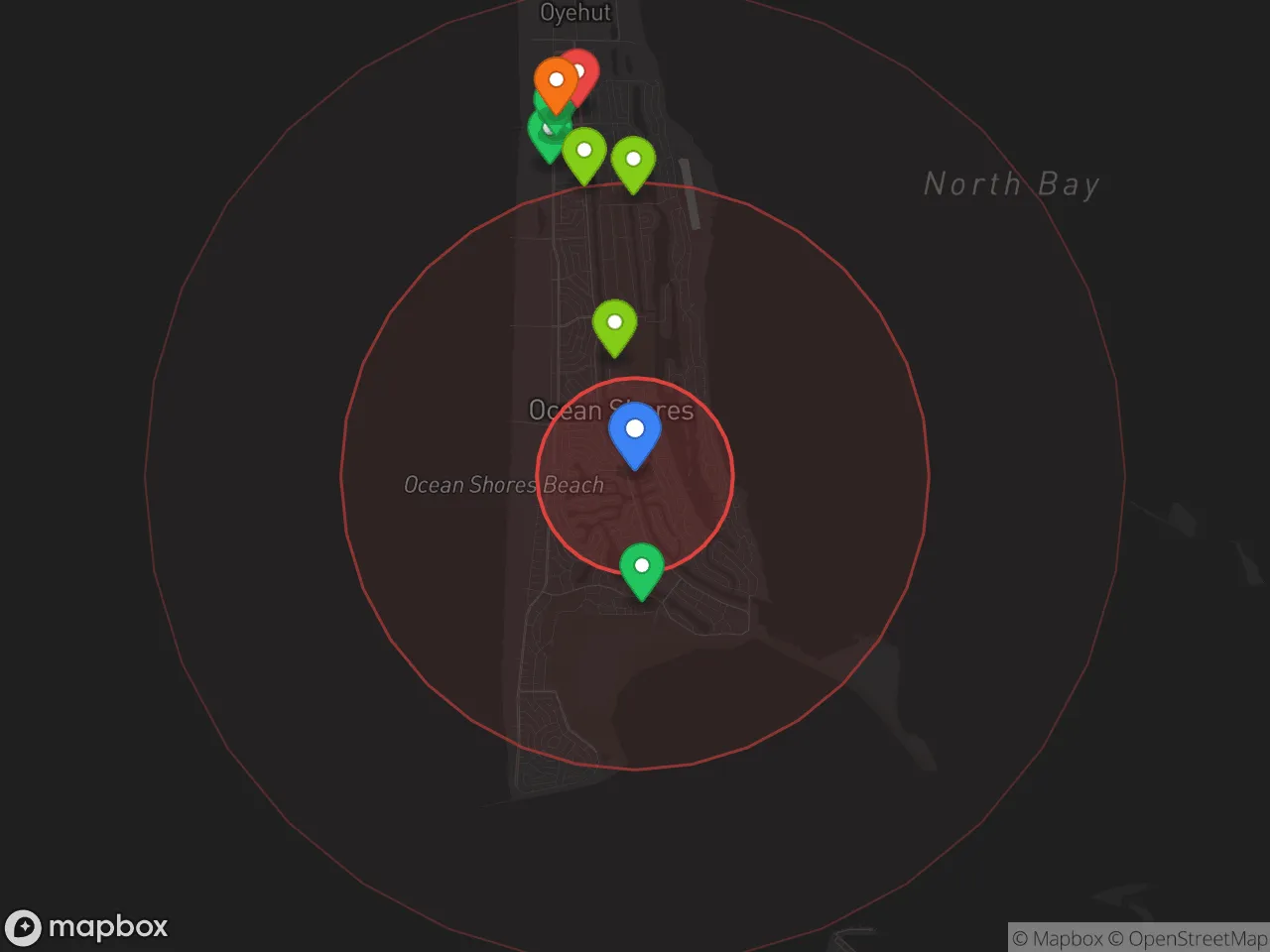
Hobbies
Explore the areaGroceries
1 within 10 miles
Gas
6 within 10 miles
Hospital
1 within 20 miles
Airport
SEA — Seattle–Tacoma International
Post Office
USPS — Ocean Shores, WA
Critical Amenities
Quality-of-Life Analysis
Ocean Shores presents a distinctive quality-of-life profile that blends coastal affordability with a laid-back, retiree-and-vacation-home demographic. The city’s cost of living index of 114 (14% above the U.S. average) places it well below Seattle’s index of 149, yet above rural Grays Harbor County’s average of 103. The population skews older — the median age is 53 — with a notable share of part-time residents, second-home owners, and retirees drawn by the oceanfront setting and relatively low property prices compared to Washington’s coastal hotspots like Westport or Long Beach.
Cost of living, housing affordability, and how it compares to nearby areas
Housing is the primary driver of Ocean Shores’ above-average cost of living. The median home value of $378,000 is roughly half the Washington state median of $620,000, making it one of the most affordable coastal communities in the state. Median rent sits at $1,177, well below the state average of $1,650 and significantly cheaper than Aberdeen ($1,350) or Hoquiam ($1,280). However, the trade-off is a limited rental inventory — many units are seasonal vacation rentals, which can push year-round lease prices higher during summer months. The average commute of 27 minutes is slightly longer than the national average of 26 minutes, reflecting the fact that most full-time workers commute inland to Aberdeen, Hoquiam, or even Olympia (a 90-minute drive) for employment. Property taxes in Grays Harbor County average 0.91% of assessed value, lower than King County’s 0.93% but higher than neighboring Pacific County’s 0.78%.
Amenities, schools, and what daily life is like for families and retirees
Daily life in Ocean Shores revolves around the beach, the 5.5-mile stretch of hard-packed sand that allows vehicle driving, and the town’s two golf courses. The Ocean Shores School District serves roughly 1,100 students across three schools, with North Beach High School graduating about 70 students annually. For families, the limited school options and lack of a full-service hospital (the nearest is Grays Harbor Community Hospital, 20 minutes away in Aberdeen) are notable drawbacks. Retirees, by contrast, benefit from the Ocean Shores Convention Center, a public library, and a walkable downtown strip with seafood restaurants and souvenir shops. The city has no major grocery chain within its limits — the nearest Safeway is in Ocean Shores’ unincorporated outskirts — so most residents drive 10 minutes to the Ocean Shores Plaza for shopping. Crime rates are low: the city’s violent crime rate of 2.5 per 1,000 residents is below the national average of 4.0, though property crime (primarily vehicle break-ins near the beach) runs slightly above the state average.
Who thrives in Ocean Shores? The community best suits retirees, remote workers with stable incomes, and second-home buyers seeking a quiet, oceanfront lifestyle without the premium prices of Washington’s San Juan Islands or Oregon’s Cannon Beach. Families with school-age children may find the limited educational and healthcare infrastructure frustrating, while young professionals will likely need to commute inland for career opportunities. The city’s seasonal tourism economy — which swells the population from 6,000 year-round to over 20,000 in summer — means that those who value solitude should plan for July and August crowds. For anyone prioritizing affordable coastal living, mild winters (average January high of 48°F), and a tight-knit community of fellow beach enthusiasts, Ocean Shores delivers a viable, if niche, quality of life.

Crime in Ocean Shores, WA
Lower crime rates than 84% of comparable U.S. locations.
Violent CrimeViolent Crime Analysis
Property CrimeProperty Crime Analysis
Crime Analysis
Ocean Shores, Washington, reports a violent crime rate of 281.8 per 100,000 residents and a property crime rate of 1,964.4 per 100,000, placing it above national averages for both categories. While not among the most dangerous cities in the state, these figures indicate a community where crime is a tangible concern, particularly for property owners and visitors. The city’s status as a coastal tourist destination, combined with its proximity to the liberal-leaning Seattle metropolitan area, creates a dynamic where transient populations and broader regional justice policies influence local safety.
Crime in context
Ocean Shores’ violent crime rate of 281.8 per 100,000 is roughly 20% higher than the national average of approximately 230 per 100,000, while its property crime rate of 1,964.4 per 100,000 exceeds the national average by about 15%. Compared to Washington state as a whole, which reported a violent crime rate of roughly 290 per 100,000 in recent years, Ocean Shores sits slightly below the state average for violent offenses but above it for property crimes. The city’s location within Grays Harbor County, which has experienced a rise in drug-related offenses and thefts, compounds these risks. Notably, the broader region’s progressive judicial philosophy—including lenient sentencing and reduced prosecution for non-violent property crimes—has been cited by local law enforcement as a factor in repeat offenses, as offenders cycle through the system with minimal consequences.
What residents experience
For residents, property crime is the most frequent concern. Vehicle break-ins, package theft, and burglaries of vacation rentals are common, particularly during peak tourist seasons when the population swells. Violent crime, while less common, includes aggravated assault and occasional incidents tied to domestic disputes or alcohol-fueled conflicts near the beachfront. The city’s police department, with roughly 15 sworn officers, faces resource constraints that limit proactive patrols, especially in outlying neighborhoods. Many residents report a sense of unease after dark, particularly in areas with high rental turnover or limited street lighting. The influence of progressive district attorneys in nearby jurisdictions, who have implemented policies like cash bail reform and reduced charging for theft under $1,000, is felt here: repeat property offenders often return to Ocean Shores quickly after arrest, eroding trust in the justice system.
Neighborhood-level variation
Safety varies noticeably across Ocean Shores. The central commercial corridor along Point Brown Avenue and the beachfront areas see the highest concentration of property crime, driven by tourist traffic and easy access. In contrast, the residential neighborhoods east of the canal—such as those near the Ocean Shores Golf Course—tend to have lower incident rates, though they are not immune to occasional burglaries. The northern end of the peninsula, closer to the Oyhut Wildlife Recreation Area, experiences fewer incidents overall but is more isolated, making response times longer. No neighborhood in Ocean Shores can be considered completely safe from property crime, and the city’s overall safety profile is best described as moderate risk, with a clear need for residents to invest in security measures and remain vigilant, particularly given the regional justice system’s lenient approach to offenders.
* Values derived from national, state, county, city and local statistics and may differ in a specific area. Last updated: 2026-08-27T20:00:48.000Z
Narrative content on this page is AI-generated and may contain mistakes. Verify any details that matter before acting on them.
ReloMaps may earn a commission from affiliate links at no extra cost to you.

