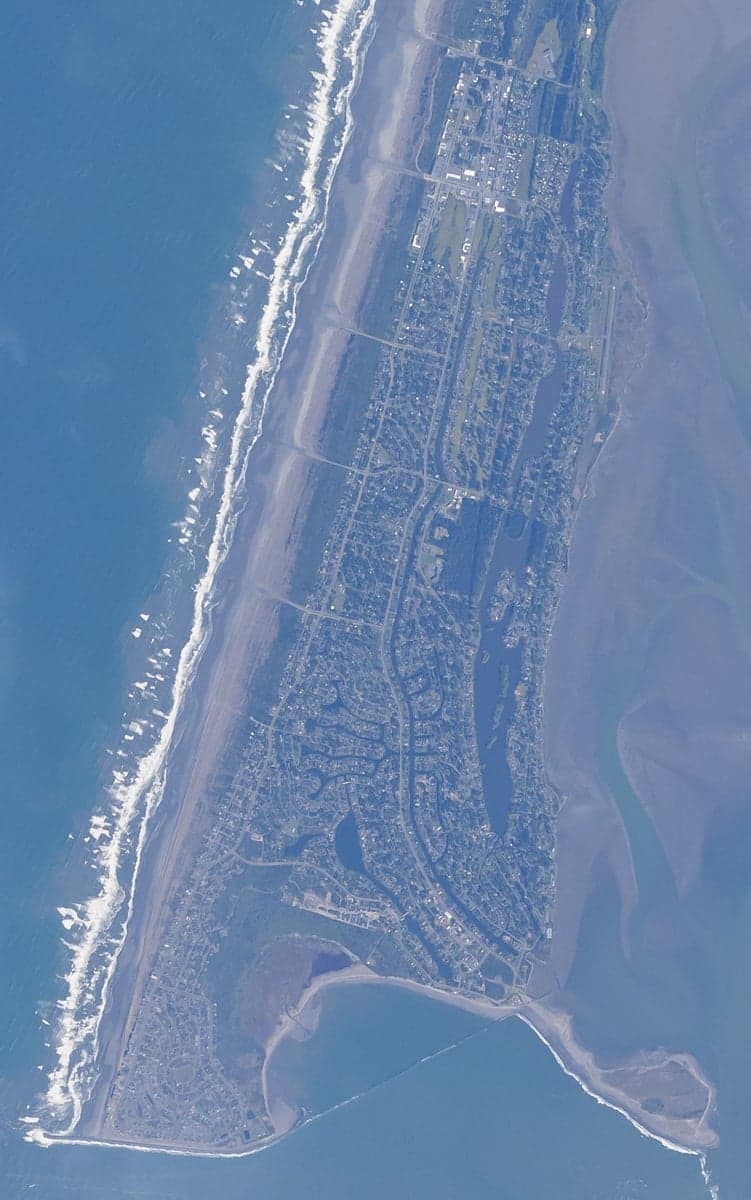
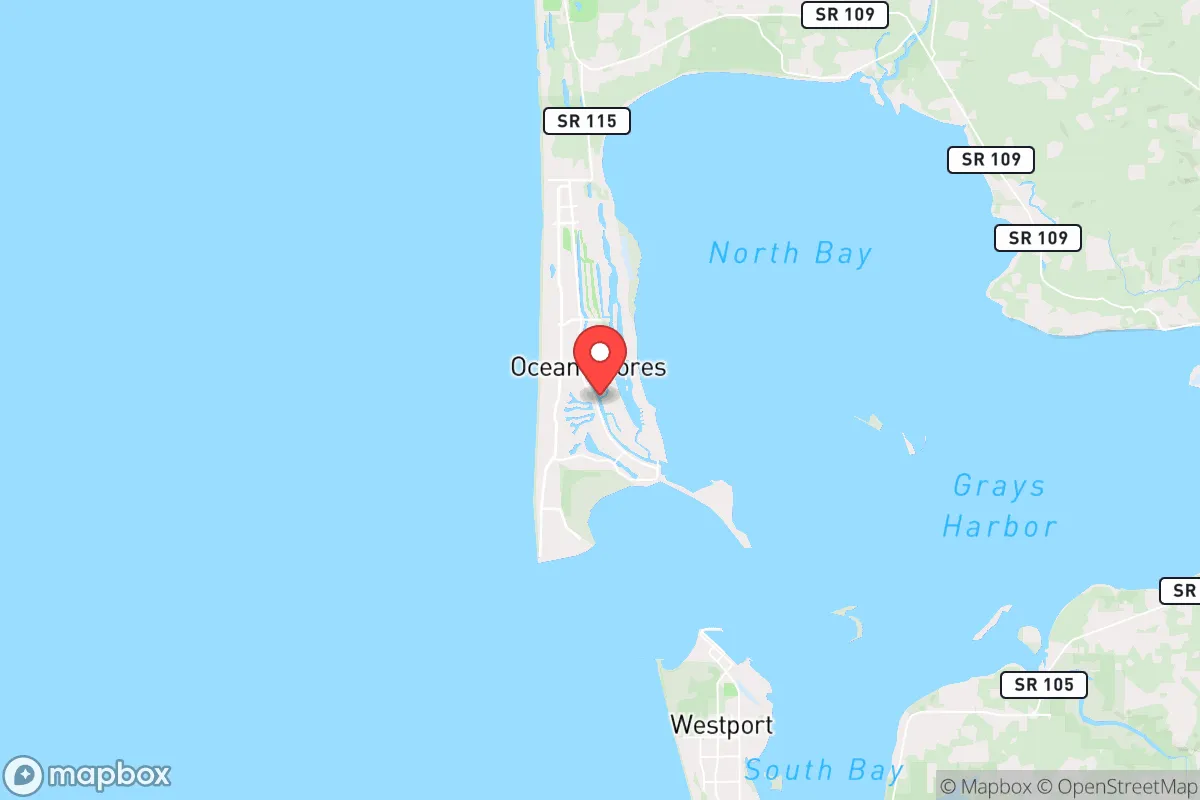
Photo: Wikipedia
Personal Sovereignty in Ocean Shores, WA
Viable for self-reliance. Generally workable, though some barriers may limit total independence.
What does Personal Sovereignty tell us?
Personal Sovereignty measures your capacity for self-reliance and independence with minimal government friction. Higher scores mean fewer barriers between you and the way you want to live... but it assumes you have the space you need and good neighbors.
What does this tell us?
Personal Sovereignty measures your capacity for self-reliance and independence with minimal government friction. Higher scores mean fewer barriers between you and the way you want to live... but it assumes you have the space you need and good neighbors.
State Policy
Energy independence: Importer (55% of energy produced in-state)
Personal Liberty
Homesteading

Personal Liberty Analysis
Ocean Shores, Washington, offers a unique blend of coastal autonomy and state-level regulatory structure that appeals to those valuing personal sovereignty, but it requires a clear-eyed understanding of where local flexibility ends and state mandates begin. As a small coastal city in Grays Harbor County, Ocean Shores provides a relatively low-density environment where self-reliance is a practical necessity, yet residents must navigate Washington’s comparatively high tax burden and its assertive regulatory posture on firearms, property use, and medical choice. For single individuals and families with a conservative-leaning priority on personal freedom, the area presents a trade-off: significant day-to-day autonomy in a quiet, nature-oriented setting, tempered by state-level policies that limit certain expressions of independence.
Tax burden and regulatory posture in Ocean Shores
Washington state is known for having no personal income tax, which is a major draw for those seeking to keep more of their earnings. However, this is offset by a relatively high sales tax rate—currently around 8.5% to 9% in Grays Harbor County, depending on local district additions—and property taxes that are moderate but not low. Ocean Shores itself does not levy a city income tax, and the overall state tax burden ranks in the middle nationally, but the reliance on sales and property taxes means that consumption and homeownership carry a noticeable cost. The regulatory environment in Ocean Shores is light-touch at the local level compared to larger Washington cities like Seattle or Olympia. Zoning is generally permissive for single-family homes, and the city’s small government structure means fewer layers of bureaucracy for permits and business licenses. However, state-level regulations—particularly the Growth Management Act, which restricts development in rural and coastal areas—can affect property use, especially near shorelines or wetlands. For a resident focused on personal sovereignty, the key takeaway is that Ocean Shores offers a relatively low regulatory burden locally, but state-level taxes and land-use rules are a persistent factor in financial planning.
Self-defense and gun law specifics in Washington state
Washington is not a constitutional carry state, which is a significant consideration for those prioritizing self-defense rights. As of 2026, the state requires a permit to carry a concealed firearm in public, and that permit process involves a background check, fingerprinting, and a fee. Open carry is legal without a permit for those over 18, but local ordinances in some cities—including Ocean Shores—may restrict open carry in certain public spaces like parks or government buildings. More notably, Washington passed Initiative 1639 in 2018, which raised the minimum age to purchase a semi-automatic rifle to 21, imposed enhanced background checks, and required a waiting period for such purchases. The state also has a red flag law (Extreme Risk Protection Order) that allows law enforcement or family members to petition a court to temporarily remove firearms from an individual deemed a risk. For a conservative-leaning individual, these laws represent a clear limitation on the Second Amendment. However, Ocean Shores itself is a relatively rural, low-crime area where firearm ownership for home defense is common and socially accepted. The practical impact is that while you can own and use firearms for self-defense, the process for carrying them outside the home is more regulated than in states like Idaho or Montana. Gun ranges and outdoor shooting areas are accessible within a short drive, and local law enforcement is generally supportive of lawful gun ownership.
Self-reliance and homesteading viability: lot sizes, zoning, and off-grid feasibility
Ocean Shores is built on a grid of mostly flat, sandy lots, many of which are relatively small—typically 5,000 to 10,000 square feet—due to the city’s original development as a beach resort community. This limits large-scale homesteading, but the surrounding unincorporated areas of Grays Harbor County offer larger parcels, often 1 to 5 acres, where more substantial self-reliance is feasible. Zoning in the city is primarily residential, with allowances for small livestock like chickens, but larger animals such as goats or pigs are generally restricted unless the property is zoned agricultural. Off-grid living is technically possible but complicated by state and local building codes. Washington requires that any habitable dwelling meet state energy codes, which typically mandate connection to the electrical grid or an approved alternative like solar with battery storage. Well water and septic systems are common in rural areas outside city limits, but within Ocean Shores, most properties are connected to municipal water and sewer. The climate—mild, wet, and often overcast—makes year-round gardening possible but challenging without a greenhouse, and the sandy soil requires significant amendment for productive vegetable growing. For a family seeking true self-sufficiency, the best approach is to purchase land in the nearby rural areas, such as along the Copalis River or near Pacific Beach, where zoning is more permissive and lot sizes are larger. Ocean Shores itself is better suited for a hybrid lifestyle: a home base with a small garden and solar panels, supplemented by local grocery stores and farmers markets.
Personal liberties: parental rights, medical autonomy, speech, and property
Washington state has a strong legal framework for parental rights in education, including a 2024 law that requires school districts to notify parents of any changes in a student’s health or emotional well-being, though this has been a subject of ongoing debate and litigation. Homeschooling is legal and relatively straightforward, requiring only a simple annual notification to the local school district and no standardized testing mandates. Medical autonomy is more constrained: Washington has a state-run health insurance exchange, mandates vaccination for school attendance (with medical and philosophical exemptions available for some vaccines), and has legalized recreational marijuana, which is a point of alignment for some personal liberty advocates. However, the state also has strict prescription drug monitoring and has moved to limit access to certain off-label treatments. Free speech is protected under the First Amendment, and Ocean Shores, like most small towns, has a culture of open political discussion, though local government meetings are generally civil. Property rights are a mixed bag: while you can generally do what you want on your own land within zoning limits, the state’s Shoreline Management Act imposes strict buffers and use restrictions on properties near the ocean, canals, or lakes—a significant factor for anyone buying waterfront or canal-front property in Ocean Shores. The city also has a noise ordinance and restrictions on short-term rentals, which can affect property use for those considering Airbnb-style income.
Overall, Ocean Shores offers a moderate level of personal sovereignty that is best described as “coastal independence with state-level guardrails.” Compared to areas in Idaho, Montana, or eastern Washington, the regulatory environment is heavier, particularly on firearms and land use. But compared to the Seattle metro area or Portland, it is significantly lighter, with a more hands-off local government and a community that values self-reliance. For a single individual or family who prioritizes personal freedom and is willing to navigate state-level taxes and gun laws, Ocean Shores provides a viable base for a self-directed lifestyle—especially if you choose to live just outside city limits, where zoning and regulatory burdens are even lower. The key is to go in with eyes open: the autonomy you gain from the coastal setting and low-density living is real, but it comes with the trade-offs of Washington’s progressive state policies. For those who can accept that balance, Ocean Shores can be a rewarding place to exercise personal sovereignty in a quiet, natural environment.

* Values derived from national, state, county, city and local statistics and may differ in a specific area. Last updated: 2026-08-27T20:00:48.000Z
Narrative content on this page is AI-generated and may contain mistakes. Verify any details that matter before acting on them.
ReloMaps may earn a commission from affiliate links at no extra cost to you.

