Photo: Wikipedia
Quality of Life in Norwich, NY
A high quality of life with strong walkability, manageable living costs, healthy neighborhood signals, and solid amenity access.
What does Quality of Life tell us?
Quality of Life blends cost of living, nearby amenities, socioeconomic signals, and neighborhood character. City-level scores represent the whole municipality; individual neighborhoods can differ.
What does this tell us?
Quality of Life blends cost of living, nearby amenities, socioeconomic signals, and neighborhood character. City-level scores represent the whole municipality; individual neighborhoods can differ.
Cost of Living
39% below national average
The Real Cost of Living in Norwich, NY for 2026
| Tier | Individual | Family (4) |
|---|---|---|
| Survival | $13k | $25k |
| Comfortable | $24k | $35k |
| Luxury | $93k+ | $145k+ |
| Elite (Top 5%) | $127k+ | $197k+ |
147%
The Area Signal
A metric tracking the socioeconomic signals of the area.
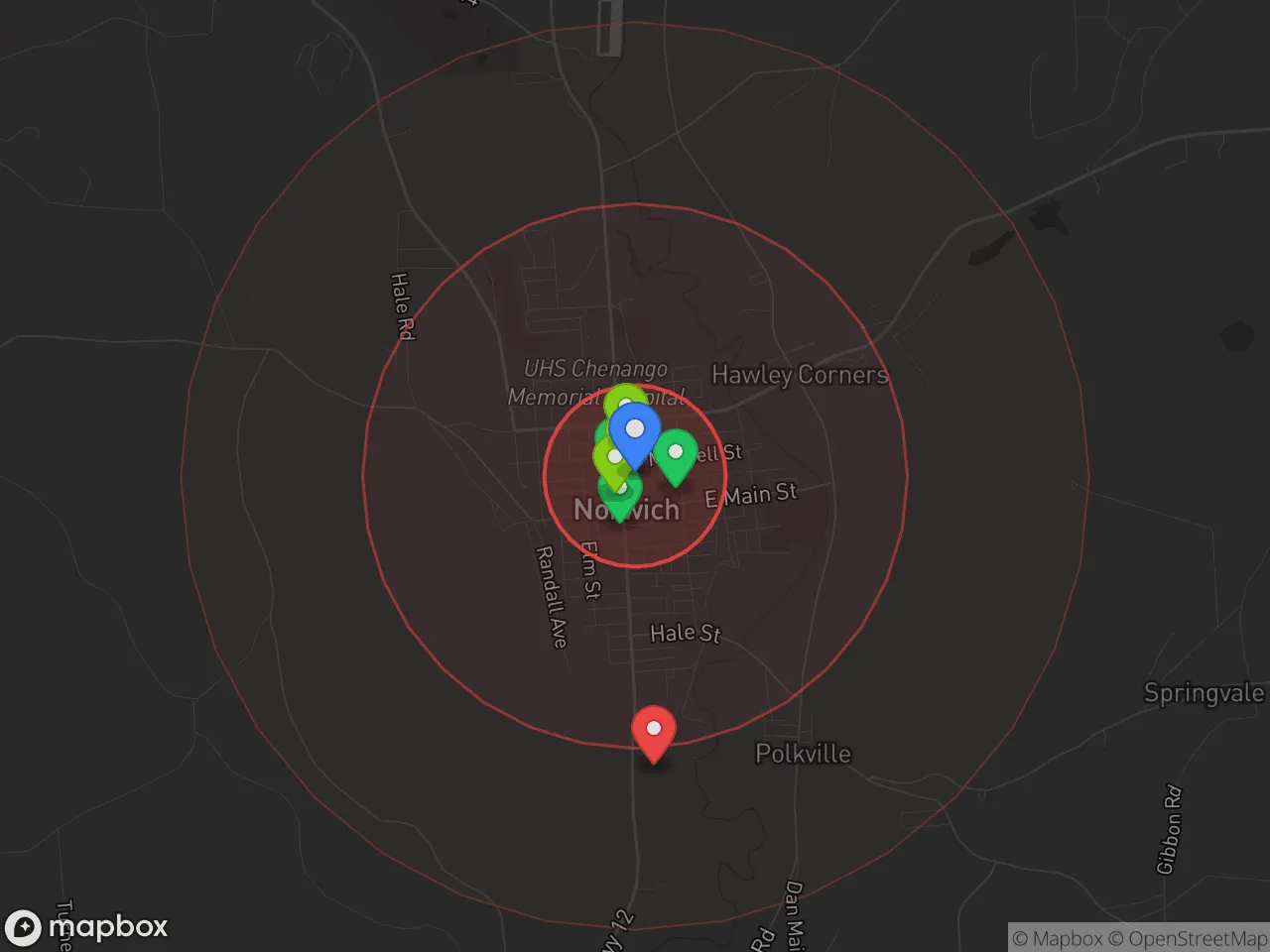
Hobbies
Explore the areaGroceries
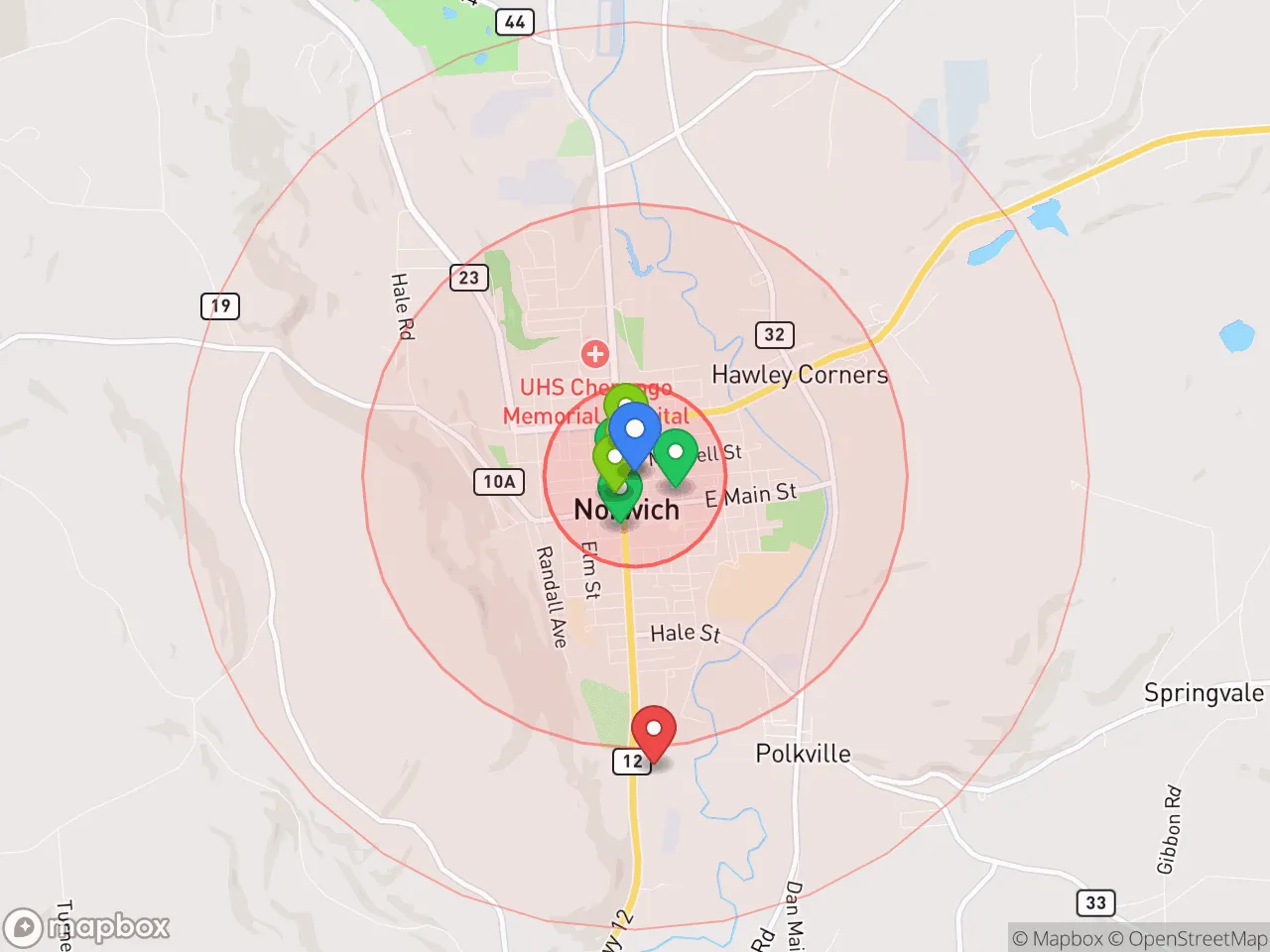
3 within 10 miles
Gas
7 within 10 miles
Hospital
3 within 20 miles
Airport
EWR — Newark Liberty International
Post Office
USPS — Norwich, NY
Critical Amenities
Quality-of-Life Analysis
Norwich, New York, offers a cost of living that is dramatically lower than the national average, attracting a mix of long-term residents, young families, and retirees seeking affordability in a rural upstate setting. With a cost of living index of 61—39% below the U.S. average—the city provides a financial cushion that is increasingly rare in the Northeast. The population skews older and more settled, with a median age of 38.4, and the local economy is anchored by healthcare, education, and manufacturing, creating a stable if modest employment base.
Cost of living, housing affordability, and how Norwich compares to nearby cities
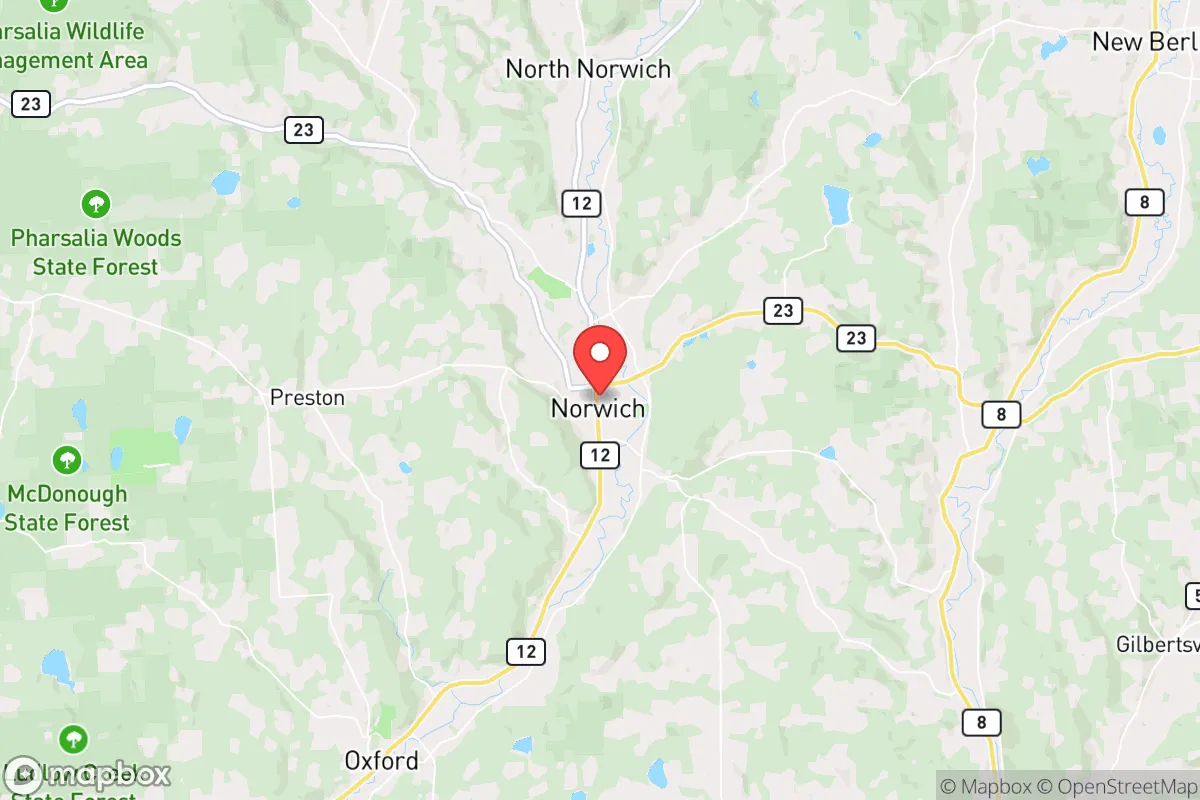
Housing in Norwich is exceptionally affordable, with a median home value of $123,100 and a median rent of $842—figures that are roughly half the national median. This places Norwich well below nearby cities like Binghamton (median home value ~$85,000) and Oneonta (~$175,000), offering a middle ground of value and access. The average commute of just 14.4 minutes is a standout quality-of-life advantage, far shorter than the national average of 26 minutes, and reflects the city’s compact layout and limited traffic congestion. Utility costs and property taxes in Chenango County are slightly above the state average, but the low housing prices more than compensate, making homeownership attainable for households earning near the median income of $52,000.
Schools, daily life, and what it’s like to live in Norwich day-to-day
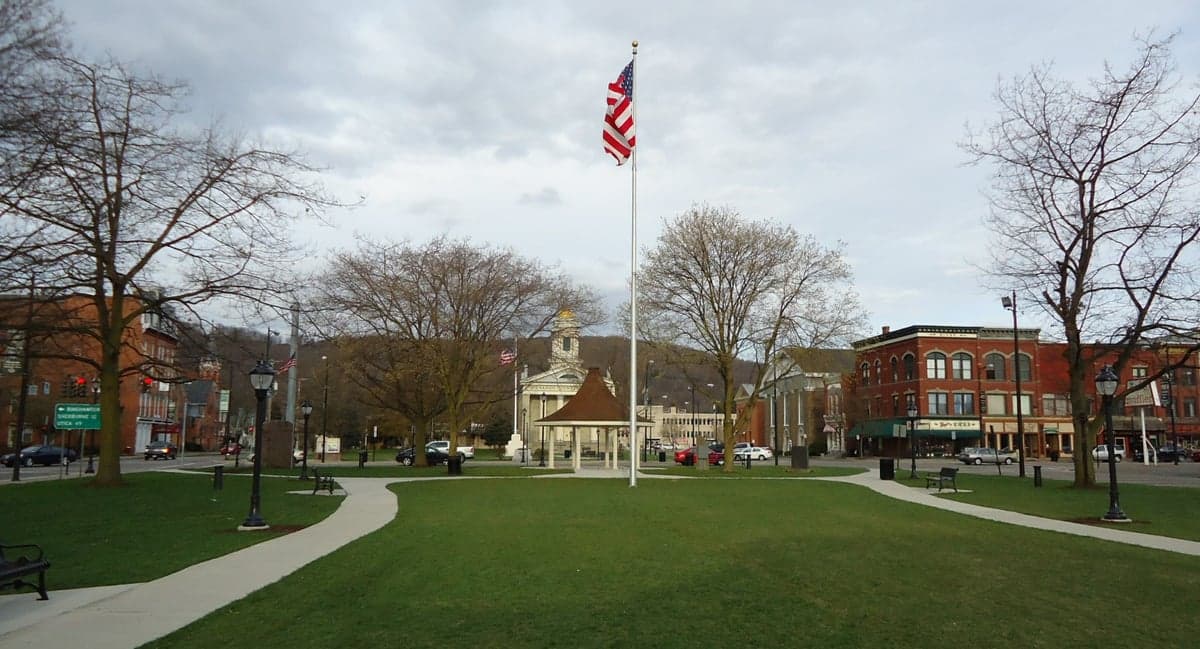
Norwich City School District serves the area with a student-teacher ratio of 12:1 and a graduation rate of 87%, slightly above the state average. The district includes Norwich High School and Gibson Elementary, both of which receive mixed but generally positive reviews from parents for their small class sizes and community involvement. Daily life revolves around the compact downtown, anchored by the Chenango County Courthouse and a handful of locally owned restaurants and shops. The nearby Chenango River and the 1,100-acre Bowman Lake State Park provide outdoor recreation within a 15-minute drive, while the city’s small hospital, UHS Chenango Memorial, handles routine care. For major shopping or specialized medical services, residents drive 45 minutes to Binghamton or 50 minutes to Utica. The pace is slow and neighborly, with community events like the Chenango County Fair and the Northeast Classic Car Museum drawing regular participation.
Norwich is best suited for people who prioritize low housing costs, a short commute, and a quiet, family-oriented lifestyle over urban amenities or career diversity. Retirees on fixed incomes and remote workers who can leverage the low cost of living while earning a national salary will find the most value here. Young professionals seeking nightlife or a fast-paced job market should look elsewhere, but for those who value space, affordability, and a tight-knit community, Norwich delivers a solid quality of life at a fraction of the national price.

Crime in Norwich, NY
Crime rates similar to the national median for U.S. locations.
Violent CrimeViolent Crime Analysis
Property CrimeProperty Crime Analysis
Crime Analysis
Norwich, New York, presents a mixed safety profile that warrants careful consideration for potential residents. The city's violent crime rate of 363.5 per 100,000 residents is notably higher than the national average, while its property crime rate of 1,547.4 per 100,000 sits below the national benchmark. These figures place Norwich in a category where property crime is less of a concern than in many comparable upstate communities, but violent crime demands attention, particularly given the broader context of Chenango County's justice system.
Crime in context
When compared to state and national averages, Norwich's violent crime rate of 363.5 per 100,000 is approximately 4% higher than the national average of roughly 350 per 100,000 and significantly above New York State's average of about 300 per 100,000. This elevated rate is concerning, especially considering that Chenango County, like many rural upstate jurisdictions, has seen a shift toward more progressive prosecutorial policies in recent years. The property crime rate of 1,547.4 per 100,000 is about 20% lower than the national average of roughly 1,950 per 100,000, offering some relief for homeowners and businesses. However, the violent crime figure is the more telling metric, as it reflects the direct impact of local law enforcement and judicial approaches on public safety.
What residents experience
Residents of Norwich report that property crimes like theft and vandalism are sporadic but not pervasive, with the lower-than-average rate suggesting effective community policing in some areas. However, the violent crime rate—driven by incidents of assault, robbery, and occasional aggravated battery—is a persistent concern. Progressive district attorneys and judges in the region, who often prioritize rehabilitation over incarceration, have been criticized for contributing to a revolving-door justice system. This approach, while sympathetic to offenders, can lead to more criminals on the street, undermining deterrence and victim justice. For families and retirees, this means a heightened risk of encountering repeat offenders, particularly in public spaces like Broad Street or near the Chenango County Courthouse.
Neighborhood-level variation is notable. The area around the Norwich City School District and the historic West Side tends to see lower crime rates, while the downtown core and areas near the Chenango River experience more incidents. The Norwich Police Department has increased patrols in high-traffic zones, but the broader judicial environment remains a limiting factor. For those considering relocation, it is advisable to research specific blocks and consult local crime maps, as the city's safety is not uniform. The combination of a violent crime rate above state averages and a progressive justice system makes Norwich a location where vigilance is warranted, particularly for those accustomed to stricter law enforcement environments.
* Values derived from national, state, county, city and local statistics and may differ in a specific area. Last updated: 2026-09-20T20:12:53.000Z
Narrative content on this page is AI-generated and may contain mistakes. Verify any details that matter before acting on them.
ReloMaps may earn a commission from affiliate links at no extra cost to you.

