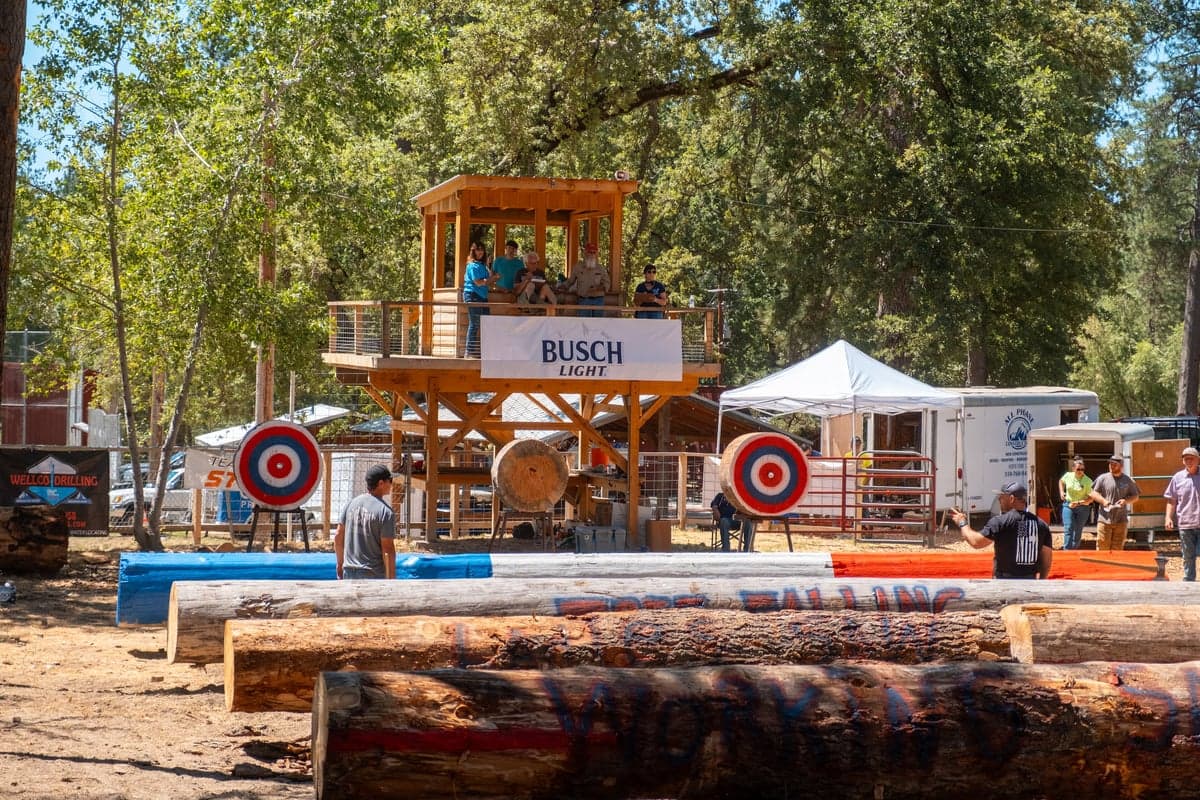
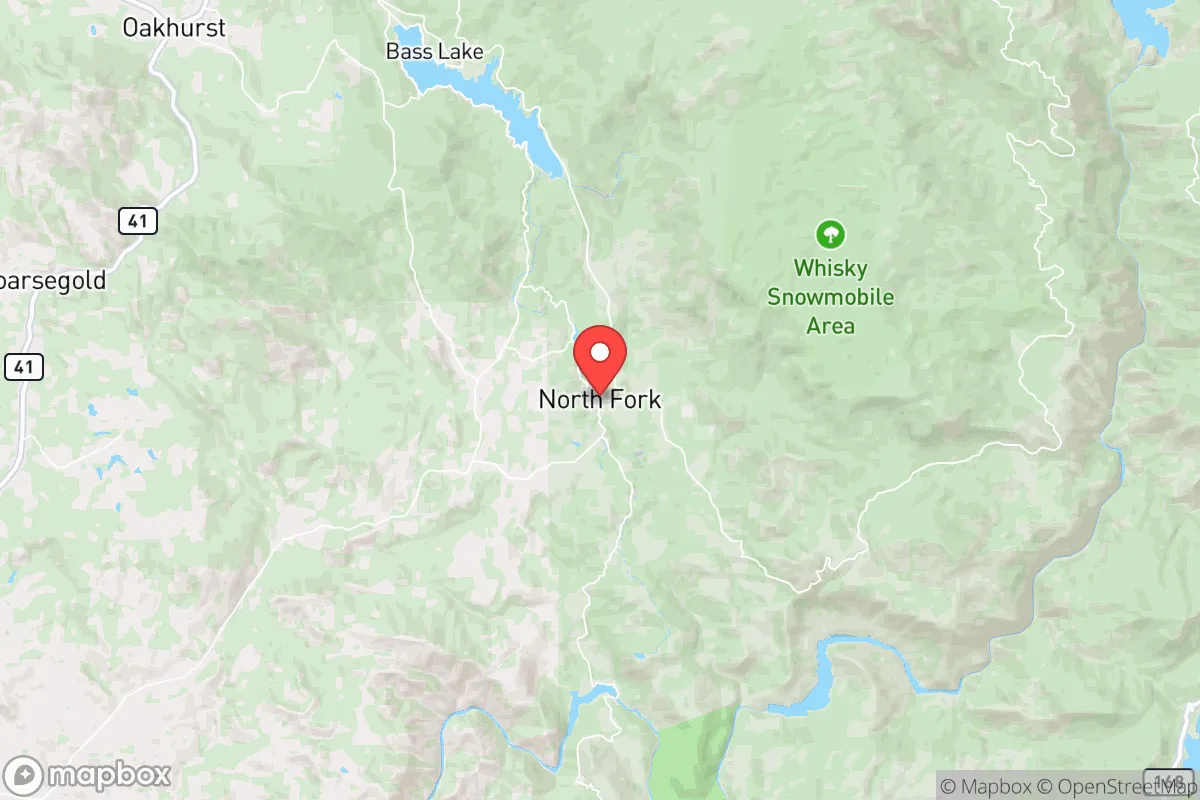
Photo: Wikipedia
Quality of Life in North Fork, CA
A livable area that tracks near national norms for affordability, walkability, and neighborhood health.
What does Quality of Life tell us?
Quality of Life blends cost of living, nearby amenities, socioeconomic signals, and neighborhood character. City-level scores represent the whole municipality; individual neighborhoods can differ.
What does this tell us?
Quality of Life blends cost of living, nearby amenities, socioeconomic signals, and neighborhood character. City-level scores represent the whole municipality; individual neighborhoods can differ.
Cost of Living
17% above national average
The Real Cost of Living in North Fork, CA for 2026
| Tier | Individual | Family (4) |
|---|---|---|
| Survival | $22k | $41k |
| Comfortable | $64k | $94k |
| Luxury | $93k+ | $145k+ |
| Elite (Top 5%) | $110k+ | $170k+ |
73%
The Area Signal
A metric tracking the socioeconomic signals of the area.
Limited data for this area
Limited data for this area
Hobbies
Explore the areaGroceries
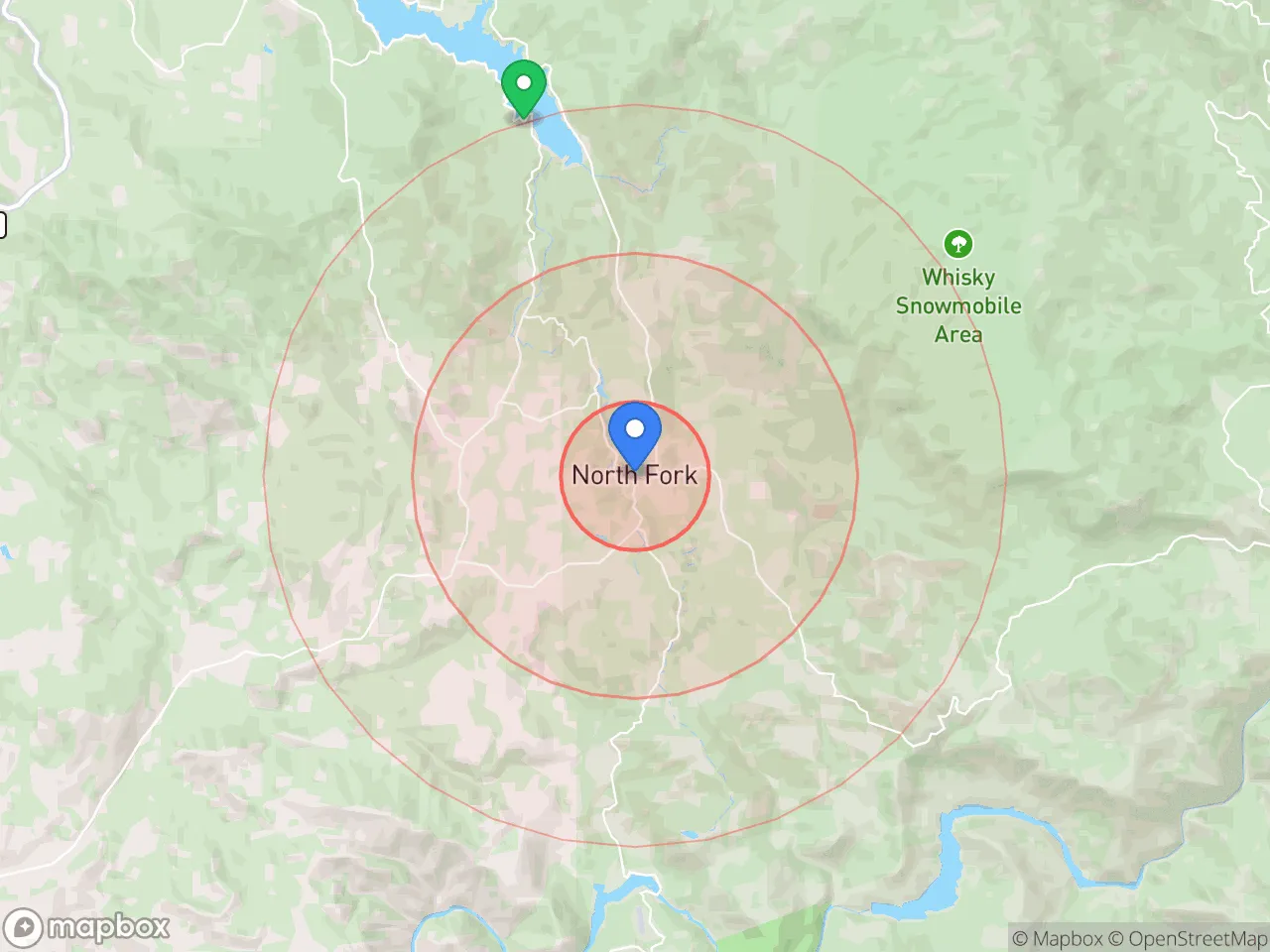
0 within 10 miles
Gas
0 within 10 miles
Hospital
0 within 20 miles
Airport
SJC — San Jose International
Post Office
Critical Amenities
Quality-of-Life Analysis
North Fork, California, is a small, affluent mountain community in Madera County where the cost of living runs about 17% above the national average (index of 117), yet the median home value of $331,500 remains notably lower than the broader Bay Area or coastal California markets. The town attracts a mix of retirees, remote workers, and second-home owners who prioritize forested seclusion and proximity to Yosemite National Park over urban convenience. With a median rent of $1,350 and an average commute of roughly 26 minutes, North Fork offers a lifestyle that feels financially accessible compared to nearby Fresno exurbs, though it demands a tolerance for limited services and seasonal tourism.
How housing costs and affordability compare to nearby towns
North Fork’s housing market sits in a sweet spot between the Sierra foothills and the Central Valley. The median home value of $331,500 is roughly 30% cheaper than comparable properties in Oakhurst (about 15 miles south), where prices frequently exceed $450,000 due to stronger Yosemite gateway demand. Renters fare even better relative to the region: the median rent of $1,350 undercuts both Oakhurst and Bass Lake by $200–$400 per month, making North Fork a pragmatic choice for seasonal workers or those testing the area before buying. However, the cost-of-living index of 117 reflects higher grocery and utility prices than the national norm—a common trade-off in mountain towns where supply chains are longer and winter heating is a necessity. Property taxes remain comparatively low under California’s Proposition 13, but buyers should budget for wildfire insurance, which can add $2,000–$5,000 annually depending on the parcel’s defensible-space rating.
What daily life is like for families and remote workers
Daily life in North Fork revolves around a compact commercial core along Road 274, anchored by the North Fork Town Hall, a handful of family-run diners, and the Sierra Tel cooperative that provides fiber-optic internet—a rarity in the Sierra foothills that makes remote work viable. The North Fork Elementary School District serves roughly 300 students across two campuses, with class sizes averaging under 20, though families seeking high school options typically commute to Yosemite High School in Oakhurst (a 25-minute drive). Amenities are intentionally sparse: there is no hospital in town (the nearest emergency room is 30 minutes away in Oakhurst), and the closest full-service grocery is a Save Mart in Coarsegold, 12 miles west. Instead, the area’s assets are outdoor—the Sierra National Forest borders the town, the San Joaquin River’s South Fork offers summer swimming holes, and the historic Fresno Flats museum in Oakhurst provides a weekend cultural anchor. The average commute of 25.6 minutes reflects that most residents work outside North Fork, either in Oakhurst, Madera, or remotely, and the winding two-lane roads mean winter snow can stretch that drive unpredictably.
Who thrives here? North Fork suits self-sufficient households—remote workers with stable connectivity, retirees seeking quiet forest living, and outdoor enthusiasts who accept a 30-minute drive for medical care or big-box retail. It is less ideal for families requiring specialized schooling or professionals with daily commutes to Fresno, where the 45-mile drive through the foothills adds wear and unpredictability. For those who value acreage, lower housing costs than the Yosemite gateway towns, and a tight-knit community of roughly 1,100 year-round residents, North Fork delivers a quality of life that balances affordability with genuine mountain character.

Crime in North Fork, CA
Higher crime rates than 58% of comparable U.S. locations.
Violent CrimeViolent Crime Analysis
Property CrimeProperty Crime Analysis
Crime Analysis
North Fork, California, presents a crime profile that warrants careful consideration for potential residents. With a violent crime rate of 434.9 incidents per 100,000 residents and a property crime rate of 1,821.5 per 100,000, the area sits above national averages, a reality shaped in part by broader regional justice system policies that prioritize offender rehabilitation over public safety.
Crime in context
North Fork's violent crime rate is roughly 24% higher than the national average of approximately 350 per 100,000, while its property crime rate exceeds the U.S. median by about 15%. These figures place the community in a challenging position relative to other small towns in Madera County. The area's proximity to larger metro regions like Fresno and the Central Valley means it is not insulated from the crime trends affecting those urban centers. Progressive prosecutorial policies in nearby counties—including reduced bail requirements, early release programs, and lenient sentencing guidelines—have been linked to higher recidivism rates, directly contributing to the elevated crime numbers seen in communities like North Fork. Residents face a tangible risk from offenders who cycle through the justice system without meaningful accountability.
What residents experience
For those living in North Fork, the statistical reality translates into everyday concerns. Property crime—including burglary, theft, and vehicle break-ins—is the most common issue, often targeting unoccupied homes and parked vehicles. Violent incidents, while less frequent, are serious when they occur, with aggravated assault being the most reported category. The community's rural character offers some natural deterrence, but the lack of dense police presence means response times can be slower than in urban areas. Residents frequently cite the need for neighborhood watch programs and proactive security measures as essential to daily life. The local sheriff's office works within the constraints of a justice system that, in many surrounding jurisdictions, has deprioritized incarceration for property and drug-related offenses, leaving victims with limited recourse.
Neighborhood-level variation
Crime in North Fork is not uniformly distributed. The more isolated, sparsely populated areas along the Sierra National Forest boundary experience lower incident rates, as the physical distance from major roadways and population centers acts as a natural barrier. In contrast, the core of North Fork—particularly along Road 222 and near the intersection with Road 225—sees higher activity, driven by easier access for transient individuals and the presence of a few commercial properties that attract opportunistic crime. Residents in the central district report more frequent vehicle prowling and package theft, while those in outlying subdivisions enjoy relative quiet but must contend with longer emergency response times. Prospective homebuyers should prioritize properties with good visibility from neighbors and consider installing security systems, as the community's overall safety profile demands vigilance regardless of specific location.
* Values derived from national, state, county, city and local statistics and may differ in a specific area. Last updated: 2026-10-21T10:02:19.000Z
Narrative content on this page is AI-generated and may contain mistakes. Verify any details that matter before acting on them.
ReloMaps may earn a commission from affiliate links at no extra cost to you.

