Photo: Wikipedia
Demographics of North Fork, CA
Historical data isn't available for North Fork, CA. Trends shown are for Madera County, CA.
Affluence Level in North Fork, CA
A middle-class area roughly in line with national averages across income, home values, education, and employment.
People of North Fork, CA
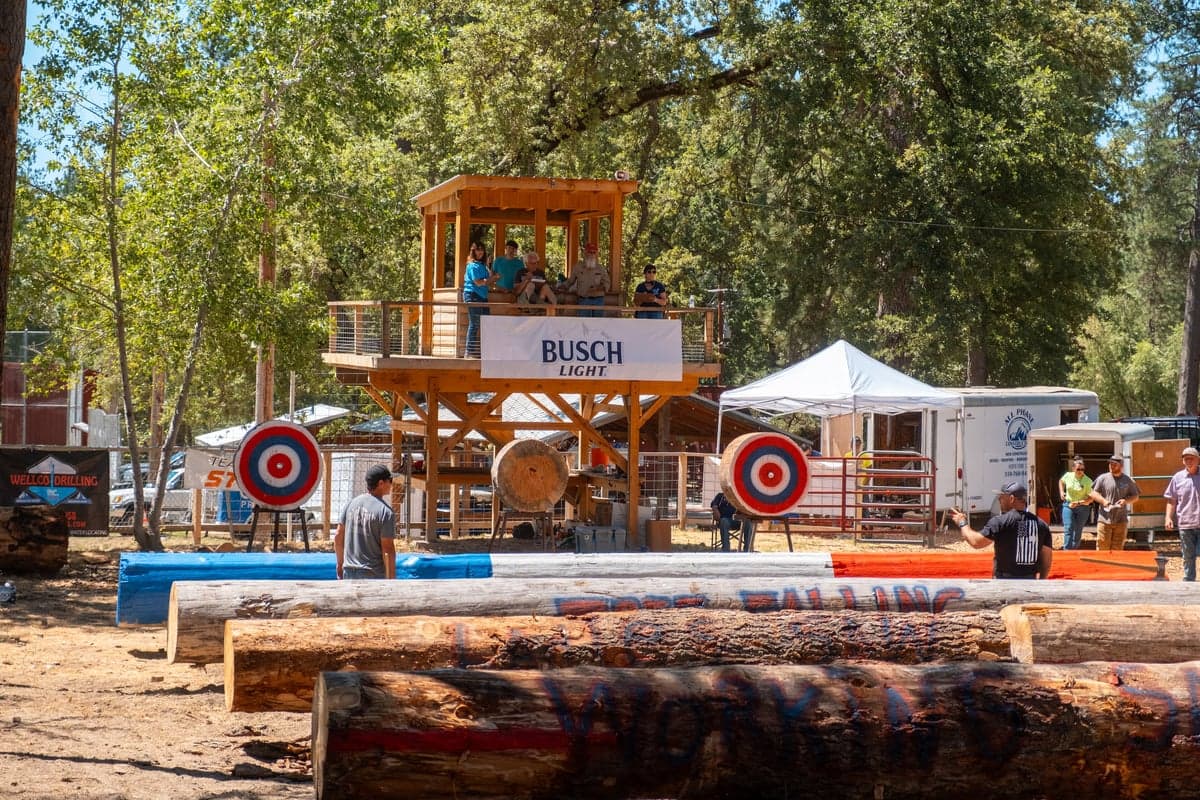
North Fork, California, is a small, predominantly white community of 2,914 residents tucked into the Sierra foothills east of Fresno. The town's identity is rooted in its logging and ranching heritage, with a population that is 74.2% white and 8.8% Hispanic, while foreign-born residents make up just 1.5% of the total. This is a place where longtime local families still outnumber newcomers, and the cultural character remains distinctly rural and working-class.
How the city was settled and grew
North Fork's human history begins with the Mono and Chukchansi Yokuts peoples, who inhabited the San Joaquin River watershed for centuries before European contact. The town itself, however, is a product of the California gold rush era, when prospectors pushed into the Sierra foothills in the 1850s. The original settlement clustered around the confluence of the North Fork of the San Joaquin River, where placer mining camps gave way to more permanent homesteads. The arrival of the San Joaquin and Eastern Railroad in the early 1900s transformed the area, opening the region to large-scale timber extraction and drawing a wave of loggers, mill workers, and their families.
The historic Old Town North Fork district, centered on Road 274 and School Road, was the original commercial hub built by these early settlers — a mix of Anglo-American migrants from the Midwest and South, along with a smaller number of Italian and Portuguese immigrants who came for the mill work. The Cedar Valley neighborhood, just south of the town center, grew up around the sawmill operations and housed many of the working-class families who staffed the timber industry through the 1940s and 1950s.
Modern era (post-1965)
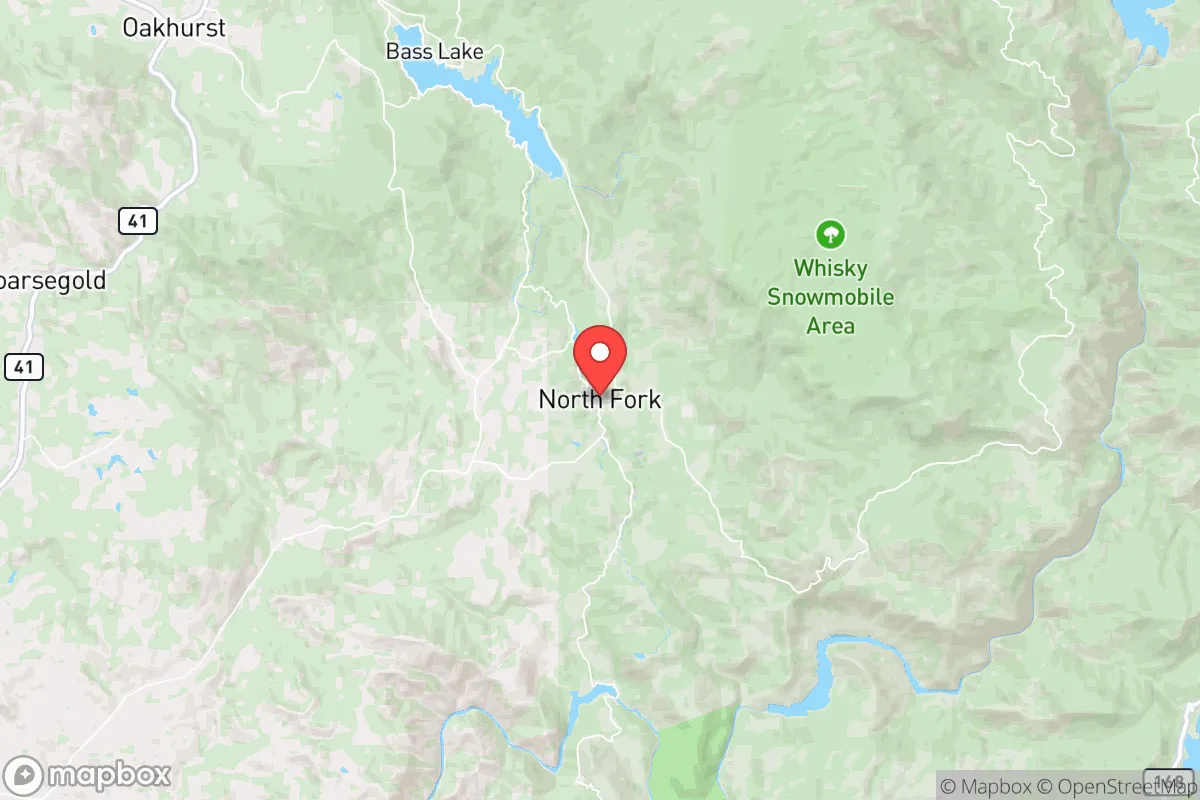
The post-1965 period brought significant change to North Fork, though not through the immigration waves that reshaped California's coastal cities. Instead, the town experienced steady domestic in-migration from the San Joaquin Valley floor, as families from Fresno and Madera sought cheaper land and a quieter lifestyle. The Mallard Lake and Whispering Pines subdivisions, developed from the 1970s through the 1990s, absorbed much of this influx — retirees, telecommuters, and second-home buyers drawn by the proximity to Bass Lake and Yosemite National Park.
The Hispanic population, now 8.8% of residents, grew modestly during this period, largely through agricultural workers and their families moving up from the valley floor. These families concentrated primarily in the North Fork Mobile Home Park area and along the Mammoth Pool Road corridor, where housing costs remained lower than in the newer subdivisions. The Asian population, at just 0.2%, and the Black population, at 0.1%, remain negligible — a reflection of the town's geographic isolation and lack of major employment centers. The Indian-subcontinent population is effectively zero.
The future
North Fork's population is aging and slowly shrinking, with the 2020 census showing a slight decline from the 2010 count. The town's college-educated share stands at just 19.2%, well below the state average, and the local economy remains heavily dependent on tourism, healthcare, and the nearby Sierra National Forest. The demographic trajectory points toward continued stability rather than transformation: the white population is projected to remain dominant, while the Hispanic share is expected to grow modestly as younger families move in from the valley floor seeking affordable housing.
The North Fork Town Center redevelopment area, which includes the historic Old Town district, has seen some new commercial investment, but residential growth remains constrained by limited water rights and steep terrain. The next decade will likely see continued in-migration of remote workers and retirees from the Bay Area and Fresno metro, gradually shifting the town's political and cultural character toward a more amenity-oriented, outdoors-focused identity — though the pace of change will remain slow compared to the booming foothill towns farther north.
For someone moving to North Fork today, the town offers a stable, predominantly white, working-class community with deep roots in the timber and ranching economy. The population is not diversifying rapidly, and the cultural identity remains tied to outdoor recreation, hunting, and a self-reliant rural ethos. Newcomers will find a welcoming but insular community where established local families still set the tone, and where the slow demographic drift toward a more mixed, amenity-driven population is unlikely to fundamentally alter the town's character in the near term.

* Values derived from national, state, county, city and local statistics and may differ in a specific area. Last updated: 2026-10-21T10:02:19.000Z
Narrative content on this page is AI-generated and may contain mistakes. Verify any details that matter before acting on them.
ReloMaps may earn a commission from affiliate links at no extra cost to you.

