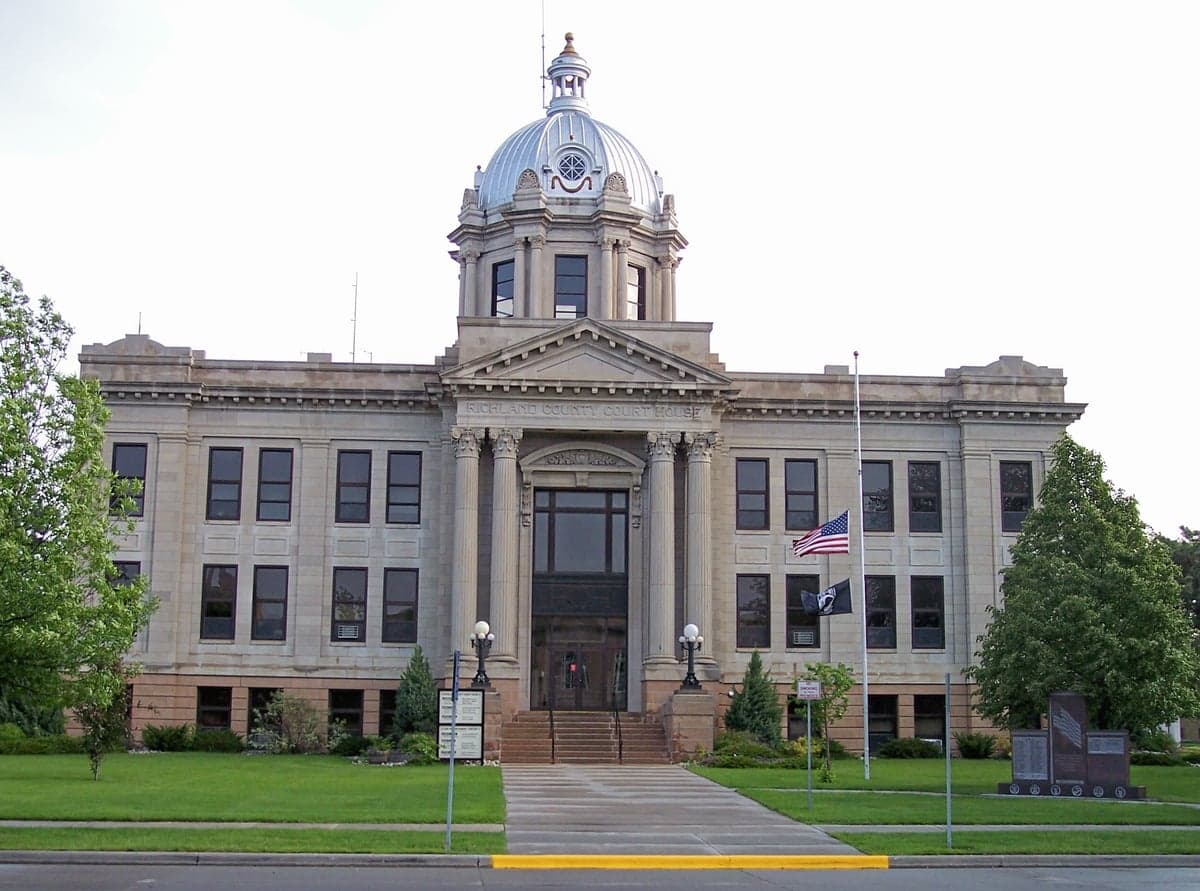
Photo: Wikipedia
Quality of Life in Richland County
A livable area that tracks near national norms for affordability, walkability, and neighborhood health.
What does Quality of Life tell us?
Quality of Life measures an area by evaluating factors like cost of living, nearby amenities, country club access, airport proximity, socioeconomic signals and neighborhood character. For large states, this is a general average — quality of life can vary dramatically between metro areas, suburbs, and rural communities within the same state.
What does this tell us?
Quality of Life measures an area by evaluating factors like cost of living, nearby amenities, country club access, airport proximity, socioeconomic signals and neighborhood character. For large states, this is a general average — quality of life can vary dramatically between metro areas, suburbs, and rural communities within the same state.
Cost of Living
36% below national average
143%
The Real Cost of Living in Richland County for 2026
| Tier | Individual | Family (4) |
|---|---|---|
| Survival | $12k | $23k |
| Comfortable | $35k | $51k |
| Luxury | $131k+ | $203k+ |
| Elite (Top 5%) | $158k+ | $245k+ |
Quality-of-Life Analysis
Richland County, North Dakota, offers a spectrum of quality-of-life options that range from the regional hub of Wahpeton to quiet, unincorporated farming communities, attracting everyone from manufacturing workers and college students to retirees seeking low costs and agricultural families. The county’s overall cost of living index sits at 64 (well below the U.S. average of 100), with a median home value of $177,600 and median rent of $751, making it one of the most affordable places in the Upper Midwest. The average commute of roughly 21 minutes is short by national standards, meaning residents in smaller towns can easily access jobs and amenities in the county’s larger centers. This blend of affordability, short commutes, and varied settlement types creates a distinct range of lifestyles within a single county.
Largest town(s) & population centers
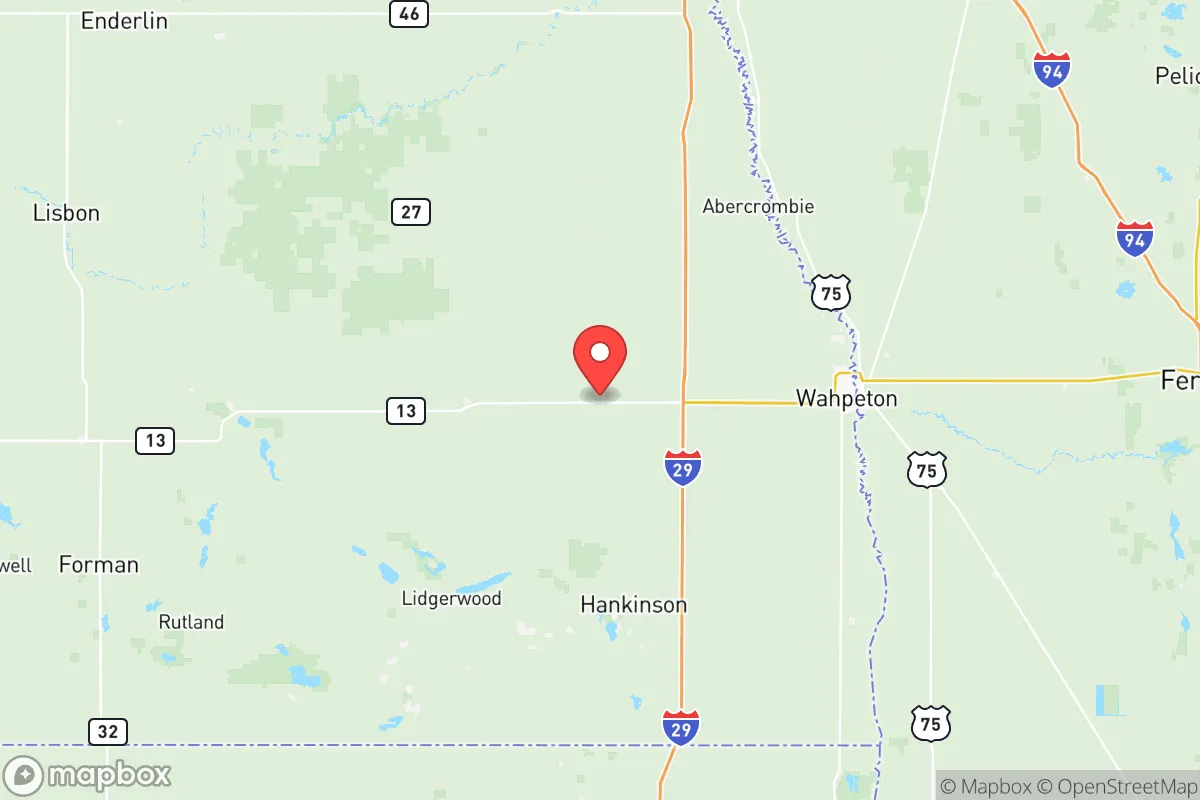
Wahpeton, the county seat and largest city with roughly 7,700 residents, is the commercial and industrial anchor of Richland County. Daily life here revolves around major employers like Wil-Rich (agricultural equipment manufacturing), 3M, and North Dakota State College of Science, which brings a steady population of students and faculty. The town offers a full set of amenities — a hospital, multiple grocery stores, a regional airport, and the Chahinkapa Zoo — that are rare in a county this rural. Housing in Wahpeton is affordable but slightly above the county average; a typical three-bedroom home runs around $190,000–$210,000, while rents for a one-bedroom apartment average $650–$750. The town’s walkable downtown along the Red River and its strong school system (Wahpeton Public Schools) make it the primary draw for families and professionals who want small-city convenience without a long commute.
Smaller towns & rural pockets
Outside Wahpeton, the county’s smaller communities offer a quieter, more agrarian lifestyle. Breckenridge, Minnesota, sits directly across the Red River from Wahpeton and functions as a seamless twin city, though it is in a different state; its residents share the same job market and school district. Lidgerwood (pop. ~600) and Hankinson (pop. ~900) are the next-largest towns, each with a K–12 school, a small grocery store, and a grain elevator anchoring the local economy. Fairmount (pop. ~350) and Wyndmere (pop. ~400) are even smaller, with limited retail but very low housing costs — homes in these towns often sell for $80,000–$120,000. Unincorporated areas like Barney and Great Bend consist of little more than a few dozen homes and a church or post office, offering extreme privacy and land access for those who value space over convenience. The rural pockets between these towns are dominated by row-crop farms (soybeans, corn, wheat) and scattered farmsteads, where residents may drive 15–20 minutes to reach a grocery store or gas station.
Cost & lifestyle range
The cost spread across Richland County is narrow in absolute terms but meaningful for local budgets. At the low end, a small home in Fairmount or rural Barney can be purchased for under $100,000, and rent for a two-bedroom house in those areas may be as low as $500–$600. At the higher end, newer construction in Wahpeton’s south-side subdivisions or along the river can reach $250,000–$300,000, and the most desirable rentals (townhouses near NDSCS) approach $900–$1,000. The lifestyle trade-off is clear: Wahpeton offers walkable access to healthcare, dining, and entertainment, while the smaller towns and rural areas trade those amenities for lower costs, larger lots, and quieter surroundings. Property taxes in Richland County are moderate for North Dakota, and no state income tax further stretches household budgets. For a family earning the county’s median household income (~$60,000), homeownership is easily attainable even in the pricier parts of Wahpeton.
This county works best for people who want a low-cost, low-stress lifestyle and are comfortable with a modest pace of life. Retirees on fixed incomes are drawn to the cheap housing in Lidgerwood or Hankinson, while young families often prefer Wahpeton for its schools and jobs. Agricultural families and remote workers who prize land and privacy will find the rural pockets around Great Bend or Barney ideal. Anyone seeking urban nightlife, high-end shopping, or cultural density will be disappointed — but for those who value affordability, short commutes, and a tight-knit community, Richland County delivers a clear and consistent quality of life across its entire spectrum.

Crime in Richland County
Generally safer than 65% of comparable U.S. locations.
Violent CrimeViolent Crime Analysis
Property CrimeProperty Crime Analysis
Crime Analysis
Richland County, North Dakota, presents a mixed safety profile that is heavily shaped by its small-town character and proximity to the Minnesota border. With a violent crime rate of 234.1 per 100,000 residents and a property crime rate of 1,467.8 per 100,000, the county is statistically safer than many urban centers in the Upper Midwest, but specific crime types and local enforcement capacity warrant close attention for potential residents. The county seat, Wahpeton, is the primary population center and where most reported incidents occur, while smaller communities like Lidgerwood, Hankinson, and Wyndmere generally experience far fewer incidents.
Crime in context
Richland County’s violent crime rate of 234.1 per 100,000 is roughly 35% lower than the national average of approximately 380 per 100,000, but it sits slightly above the North Dakota state average of around 220 per 100,000. The property crime rate of 1,467.8 per 100,000 is notably below the national average of 1,954 per 100,000, though it aligns closely with the state average. These figures place Richland County in a moderate-risk tier for rural North Dakota. The county falls under the jurisdiction of the Southeast Judicial District, which covers a largely conservative-leaning area. Unlike larger metro areas such as Fargo or Grand Forks, where progressive prosecutorial policies have been linked to higher recidivism and softer sentencing, Richland County’s district attorneys have historically taken a more traditional, victim-centered approach to prosecution. This is a meaningful distinction for readers concerned about the impact of lenient justice systems on public safety.
What residents experience
Property crime, particularly theft and burglary, is the most common safety concern in Richland County. Wahpeton, home to North Dakota State College of Science and a regional retail hub, sees a disproportionate share of these incidents, including vehicle break-ins and shoplifting. The city’s police department maintains a visible presence, but limited staffing means response times can lag during peak hours. In contrast, the smaller towns of Hankinson and Lidgerwood report very low property crime volumes, often going months without a single burglary. Violent crime is rare but not absent; aggravated assault accounts for the majority of violent incidents, often stemming from domestic disputes or alcohol-fueled altercations. Homicide is extremely uncommon, with the county recording zero or one per year in most recent periods. The rural nature of the county means that many residents rely on the Richland County Sheriff’s Office for primary law enforcement, which covers vast stretches of farmland and unincorporated areas with limited patrol density.
Neighborhood-level variation within Richland County is largely a function of population density and proximity to commercial corridors. In Wahpeton, areas near the downtown core and along Highway 13 see higher incident counts, while residential neighborhoods on the city’s north and east sides are quieter. The unincorporated areas around Great Bend and Dwight are among the safest, with crime essentially limited to occasional farm equipment theft. For families and retirees seeking a low-crime environment, the smaller communities of Wyndmere and Barney offer a strong safety record, though residents should be prepared for the trade-off of fewer local services and longer emergency response times. Overall, Richland County provides a reasonably safe living environment, particularly for those who choose to live outside the county seat, and the local justice system’s focus on accountability offers an additional layer of reassurance for safety-conscious movers.
* Values derived from national, state, county, city and local statistics and may differ in a specific area. Last updated: 2026-07-02T16:30:03.000Z
Narrative content on this page is AI-generated and may contain mistakes. Verify any details that matter before acting on them.
ReloMaps may earn a commission from affiliate links at no extra cost to you.

