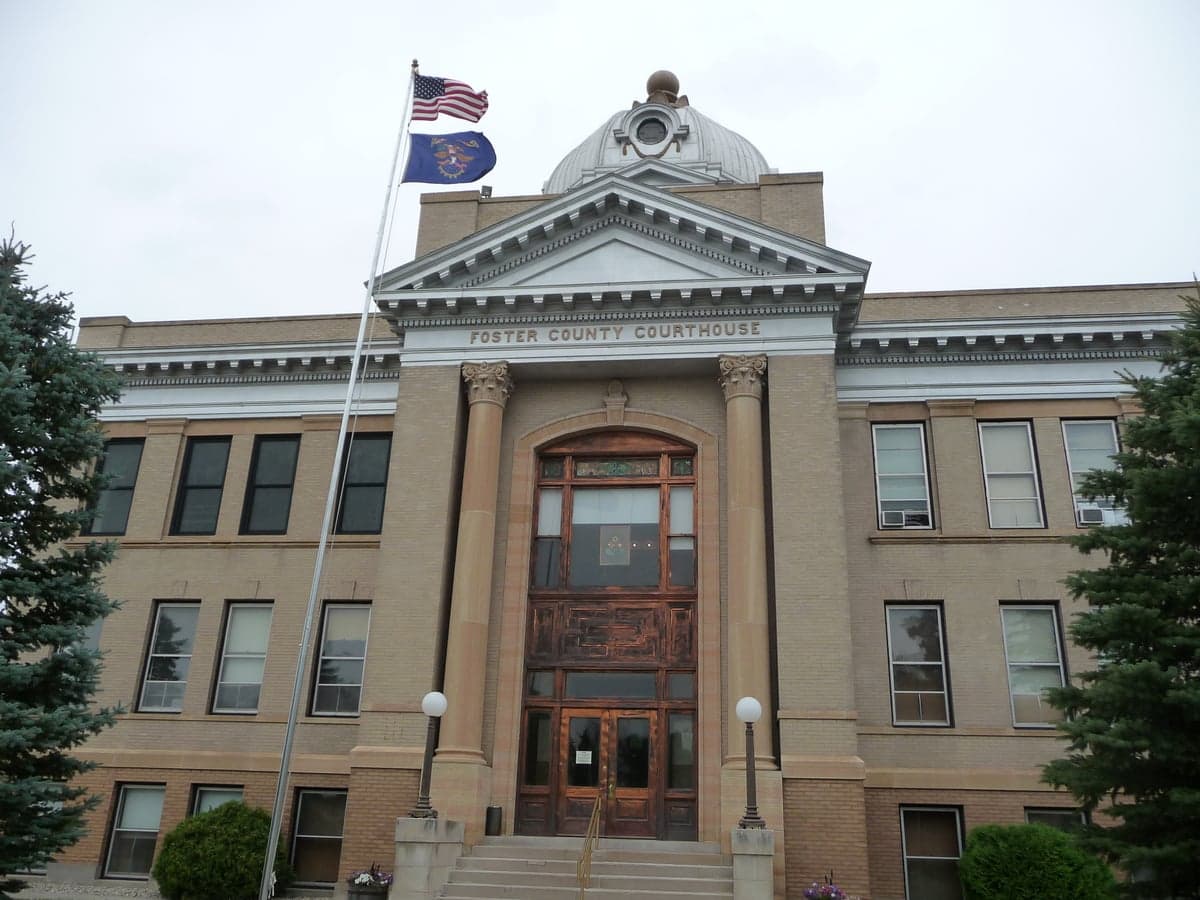
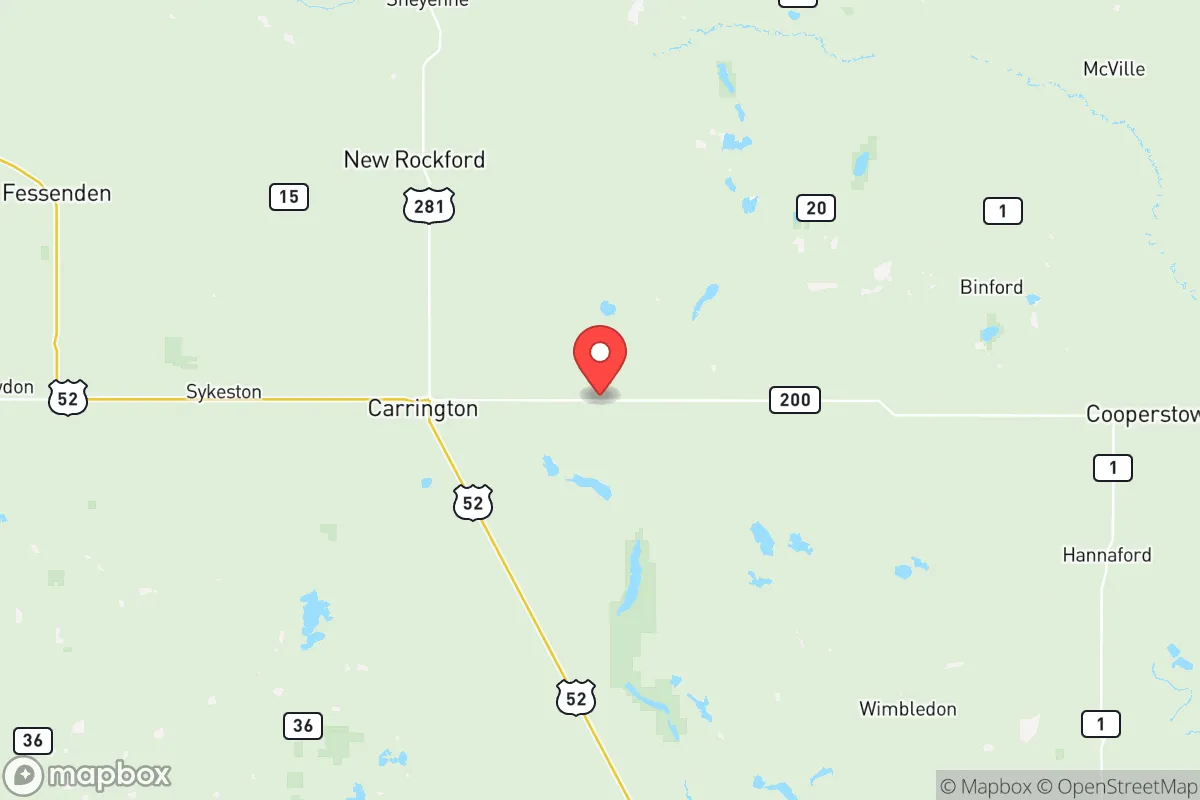
Photo: Wikipedia
Find The Best Places To Live in Foster County
PRO TIP! You can paste a Zillow or Redfin link to get info on that property.
Best Places to Live in Foster County
Cities & Towns in Foster County
Cities in Foster County
What It's Like Living in Foster County, ND
Living in Foster County, North Dakota feels a lot like stepping into a chapter of the American heartland that still runs on its own quiet, steady rhythm. With a population just over 3,300 spread across towns like Carrington, Glenfield, and Grace City, this is a place where most people know each other by name, and where the nearest stoplight might be a good 20-minute drive away. It’s not for everyone, but for those who value space, safety, and a slower pace, it fits like a well-worn glove.
Daily Rhythm in Carrington and Beyond
Most of the county’s activity centers on Carrington, the largest town and the county seat. Here, daily life revolves around a handful of reliable anchors: the Dakota Sun for local news, the Carrington Family Aquatic Center for summer afternoons, and the Carrington Golf Course for weekend tee times. The average commute clocks in at under 14 minutes, which means you’re never far from home, work, or the grocery store. People shop at Carrington’s Main Street businesses or make the occasional trip to Jamestown or Fargo for bigger-box stores. The median home value sits at a very attainable $162,800, and with a cost of living index of 62—well below the national average of 100—housing here is one of the biggest draws for families and single individuals alike.
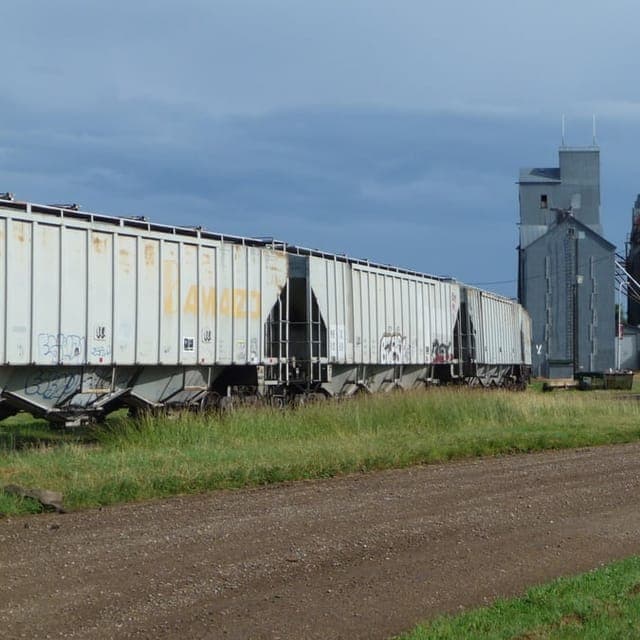
Work tends to be hands-on and rooted in the land. Agriculture is the backbone, with CHS and Dakota Growers Pasta among the larger employers in Carrington. The median household income is $83,412, which goes a long way when your mortgage is half what it would be in a coastal city. The kind of person who thrives here is someone who doesn’t mind a little grit—someone who works hard, values self-reliance, and finds satisfaction in a job well done rather than a corner office view.
Sports, Community, and Friday-Night Lights
High school sports are a big deal in Foster County, and nowhere is that more visible than at Carrington High School. Friday nights in the fall mean Carrington Cardinals football, and the bleachers are packed with parents, grandparents, and former players who never really left. The community rallies around the team, and the energy carries through winter with basketball and wrestling. For a county of this size, the level of participation and pride is striking—it’s the kind of place where the whole town shuts down for a state championship game.
Beyond the high school scene, outdoor life fills the gaps. The Arrowwood National Wildlife Refuge is just a short drive west, offering hunting, fishing, and birding that draw people from across the region. The James River runs through the county, and locals spend summer weekends canoeing or camping along its banks. There’s no major music venue or nightclub—entertainment here is homemade. That means potlucks, church suppers, and the annual Carrington Rodeo, which is the social highlight of the summer.
What Frustrates and What Endears
Let’s be honest: living in Foster County comes with trade-offs. The violent crime rate is 234.1 per 100,000, which is higher than the national average—though most residents will tell you it’s concentrated in specific situations and not something they worry about day-to-day. Property crime can be an issue in more isolated rural spots, and the lack of a large police presence means neighbors look out for each other. The median age of 43.3 reflects an older population, and younger singles or couples sometimes struggle to find a vibrant social scene. If you’re looking for late-night restaurants, live music, or a dating app that isn’t sparse, you’ll likely find yourself driving to Jamestown or Fargo.
But what endears people to this place is harder to quantify. There’s a deep sense of mutual reliance—if your car breaks down on a back road near Glenfield, someone will stop. The schools, while small, are tightly knit, and the Carrington Public School District is a central part of community identity. Winters are long and cold, but they also create a kind of camaraderie. People help each other dig out, share firewood, and gather for coffee at the local diner. The 27.2% college-educated rate is lower than national averages, but that reflects a workforce that values trade skills and agricultural knowledge just as much as a four-year degree.
Seasonal Rhythms and Practical Realities
Winter dominates the calendar from November through March, with temperatures often dropping below zero. Snow removal is efficient in Carrington but can be slower on rural routes near Grace City or Barlow. Summer, on the other hand, is a brief, glorious explosion of green—county fairs, rodeos, and long evenings on the porch. The weather shapes everything, from the pace of work to the social calendar. If you’re considering a move here, the key is understanding that community isn’t something you find—it’s something you build. And in Foster County, there’s plenty of room to build it.

* Values derived from national, state, county, city and local statistics and may differ in a specific area. Last updated: 2026-10-10T16:29:24.000Z
Narrative content on this page is AI-generated and may contain mistakes. Verify any details that matter before acting on them.
ReloMaps may earn a commission from affiliate links at no extra cost to you.

