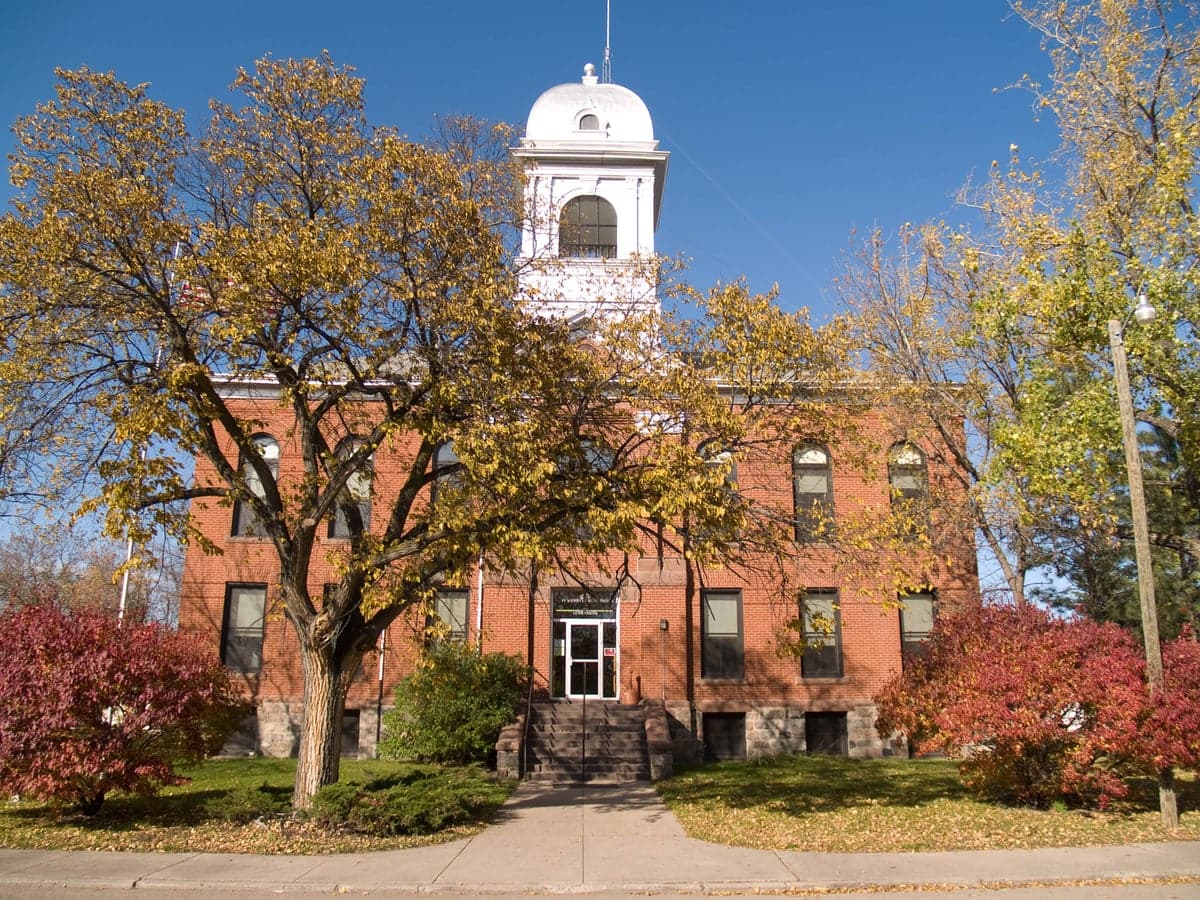
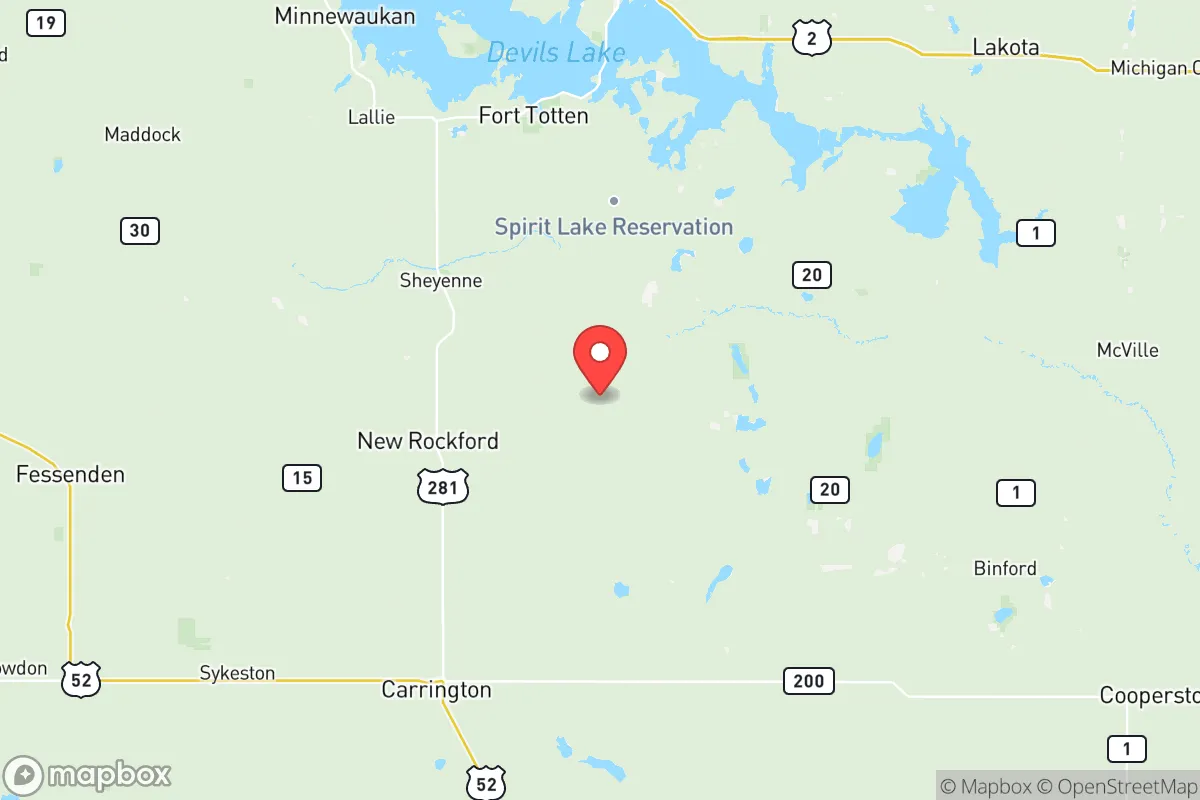
Photo: Wikipedia
Quality of Life in Eddy County
A livable area that tracks near national norms for affordability, walkability, and neighborhood health.
What does Quality of Life tell us?
Quality of Life measures an area by evaluating factors like cost of living, nearby amenities, country club access, airport proximity, socioeconomic signals and neighborhood character. For large states, this is a general average — quality of life can vary dramatically between metro areas, suburbs, and rural communities within the same state.
What does this tell us?
Quality of Life measures an area by evaluating factors like cost of living, nearby amenities, country club access, airport proximity, socioeconomic signals and neighborhood character. For large states, this is a general average — quality of life can vary dramatically between metro areas, suburbs, and rural communities within the same state.
Cost of Living
52% below national average
168%
The Real Cost of Living in Eddy County for 2026
| Tier | Individual | Family (4) |
|---|---|---|
| Survival | $10k | $18k |
| Comfortable | $22k | $33k |
| Luxury | $100k+ | $155k+ |
| Elite (Top 5%) | $117k+ | $182k+ |
Quality-of-Life Analysis
Eddy County, North Dakota, offers a quality-of-life spectrum that spans from the modest commercial hub of New Rockford to the quiet, unincorporated crossroads of Hamar and the vast, open farmlands in between. The county’s extremely low cost of living — with a composite index of 48 (well below the U.S. average of 100) — and a median home value of just $115,500 attract a mix of retirees seeking affordability, agricultural workers tied to the land, and commuters who value space over proximity. The character of daily life shifts noticeably depending on whether a resident lives within the few blocks of New Rockford’s main street or on a section of gravel road twenty minutes from the nearest stoplight.
Largest town(s) & population centers
New Rockford, the county seat and only incorporated city, is the undisputed population center with roughly 1,400 residents. Daily life here revolves around a compact, walkable downtown anchored by the county courthouse, a grocery store, a medical clinic, and a handful of locally owned restaurants and shops. The town’s school system serves as a social hub, and the nearby New Rockford Sports Complex provides indoor recreation. Commute times average 20.6 minutes countywide, but within New Rockford, most errands are a five-minute drive or a fifteen-minute walk. The median rent of $615 makes it one of the most affordable places in the state to rent a two-bedroom apartment, drawing young families and essential workers like teachers and healthcare aides. For those needing broader retail or employment options, the larger city of Devils Lake is about 30 minutes east, and Jamestown is roughly 45 minutes south.
Smaller towns & rural pockets
Outside New Rockford, the county’s smaller communities are unincorporated and sparsely populated. Hamar, a former railroad stop along U.S. Highway 281, consists of a handful of homes and a grain elevator, with no commercial services. Sheyenne, just south of the county line in neighboring Benson County, is often referenced by Eddy County residents as a nearby rural reference point. The unincorporated area of Brantford, located along the Sheyenne River, is a scattering of farmsteads with no formal town center. These pockets offer complete isolation — residents here may drive 15 to 25 minutes to New Rockford for groceries or mail. The landscape is flat, open, and dominated by wheat, corn, and sunflower fields, with the Sheyenne River providing the only notable topographical variation. Internet access in these areas is often limited to satellite or fixed wireless, making remote work challenging.
Cost & lifestyle range
The cost-of-living spread across Eddy County is narrow in absolute terms but meaningful in lifestyle trade-offs. At the low end, a renter in a rural farmhouse near Hamar might pay $400–$500 monthly for a basic two-bedroom unit with no central air, while a newer three-bedroom home in New Rockford’s newer subdivision near the golf course can rent for $700–$800. Homeownership is the dominant choice: with a median home value of $115,500, a mortgage payment on a typical house is often lower than the county’s median rent. Property taxes are among the lowest in the state, and utilities are affordable due to the region’s access to cheap natural gas. The trade-off is clear: New Rockford offers sidewalks, a library, a pharmacy, and a weekly farmers market, while rural residents trade those amenities for acreage, privacy, and the ability to keep livestock or farm equipment. The county’s overall cost-of-living index of 48 means a family of four can live comfortably on a combined income of roughly $40,000–$50,000, a figure that would be near poverty level in a coastal metro area.
Eddy County is best suited for people who prioritize financial breathing room and quiet over urban convenience. Retirees on fixed incomes, beginning farmers, and remote workers who can tolerate limited internet options will find the county’s low costs and slow pace appealing. Families who want a strong school system and a safe, predictable environment also thrive here, especially in New Rockford. Those who need frequent access to specialty healthcare, diverse employment, or cultural amenities will likely find the trade-offs too steep, as the nearest city with a population over 10,000 is nearly an hour away. For the right person, however, Eddy County offers a rare combination of affordability and peace that is increasingly hard to find elsewhere in the United States.

Crime in Eddy County
Generally safer than 65% of comparable U.S. locations.
Violent CrimeViolent Crime Analysis
Property CrimeProperty Crime Analysis
Crime Analysis
Eddy County, North Dakota, presents a mixed safety profile with a violent crime rate of 234.1 per 100,000 residents—slightly above the national average—and a property crime rate of 1,467.8 per 100,000, which is notably higher than both state and national benchmarks. The county's two main population centers, New Rockford and Sheyenne, account for the majority of reported incidents, though crime is not uniformly distributed across the rural landscape. Understanding where and how these crimes occur is essential for anyone considering relocation to this agricultural region in the central part of the state.
Crime in context
Eddy County's violent crime rate of 234.1 per 100,000 is roughly 1.2 times the national average of 200 per 100,000, but significantly lower than North Dakota's statewide average of 310 per 100,000, which is elevated by violent crime in larger cities like Fargo and Bismarck. The property crime rate of 1,467.8 per 100,000, however, is nearly 1.5 times the national average of 1,000 per 100,000 and well above the North Dakota state average of 1,200 per 100,000. This disparity suggests that while violent confrontations are relatively rare, theft, burglary, and vehicle-related crimes are more common than in many other rural counties. The county's small population—roughly 2,300 residents—means that even a handful of incidents can skew the per-capita rates dramatically. For example, a single string of vehicle break-ins in New Rockford can push the annual property crime rate upward by 10-15%.
What residents experience
Residents of Eddy County report that property crime is the most tangible safety concern, particularly in the county seat of New Rockford, where the majority of retail and residential thefts occur. The city's proximity to Interstate 94 and U.S. Highway 281 makes it a convenient target for transient property criminals passing through the region. In Sheyenne, a smaller community of about 200 people, crime is almost exclusively limited to occasional farm equipment theft and trespassing. Violent crime is rare but not unheard of: the county has seen isolated incidents of aggravated assault and domestic violence, often tied to alcohol abuse, which is a persistent issue across rural North Dakota. The judicial district covering Eddy County (Southeast Judicial District) is served by judges who generally follow state sentencing guidelines, but some residents express concern that progressive-leaning policies in the state's larger urban courts—such as those in Grand Forks or Fargo—can influence parole and probation decisions that affect repeat offenders who travel through rural counties. Local law enforcement in New Rockford maintains a visible presence, with a dedicated police department of four officers, while the Eddy County Sheriff's Office covers the unincorporated areas, including the unincorporated hamlet of Hamar.
Neighborhood-level variation
Safety in Eddy County varies more by location than by neighborhood, given the sparse population. The most secure areas are the outlying farmsteads and the residential streets of Sheyenne, where neighbors know each other and suspicious activity is quickly reported. In contrast, the central blocks of New Rockford—particularly along Main Street and near the city park—see higher rates of petty theft and vandalism, especially during the summer months when seasonal workers and tourists pass through. The county's rural nature means that response times can exceed 20 minutes for incidents on remote gravel roads, a factor that residents in the western part of the county, near the border with Foster County, should consider. Overall, Eddy County is a relatively safe place to live for those who take standard precautions—locking vehicles, securing outbuildings, and maintaining good relationships with neighbors—but the elevated property crime rate warrants attention, especially for newcomers accustomed to lower-crime rural environments.
* Values derived from national, state, county, city and local statistics and may differ in a specific area. Last updated: 2026-06-16T04:23:00.000Z
Narrative content on this page is AI-generated and may contain mistakes. Verify any details that matter before acting on them.
ReloMaps may earn a commission from affiliate links at no extra cost to you.

