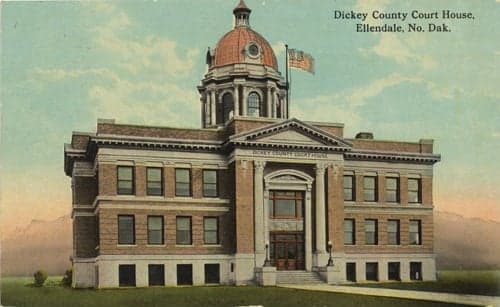
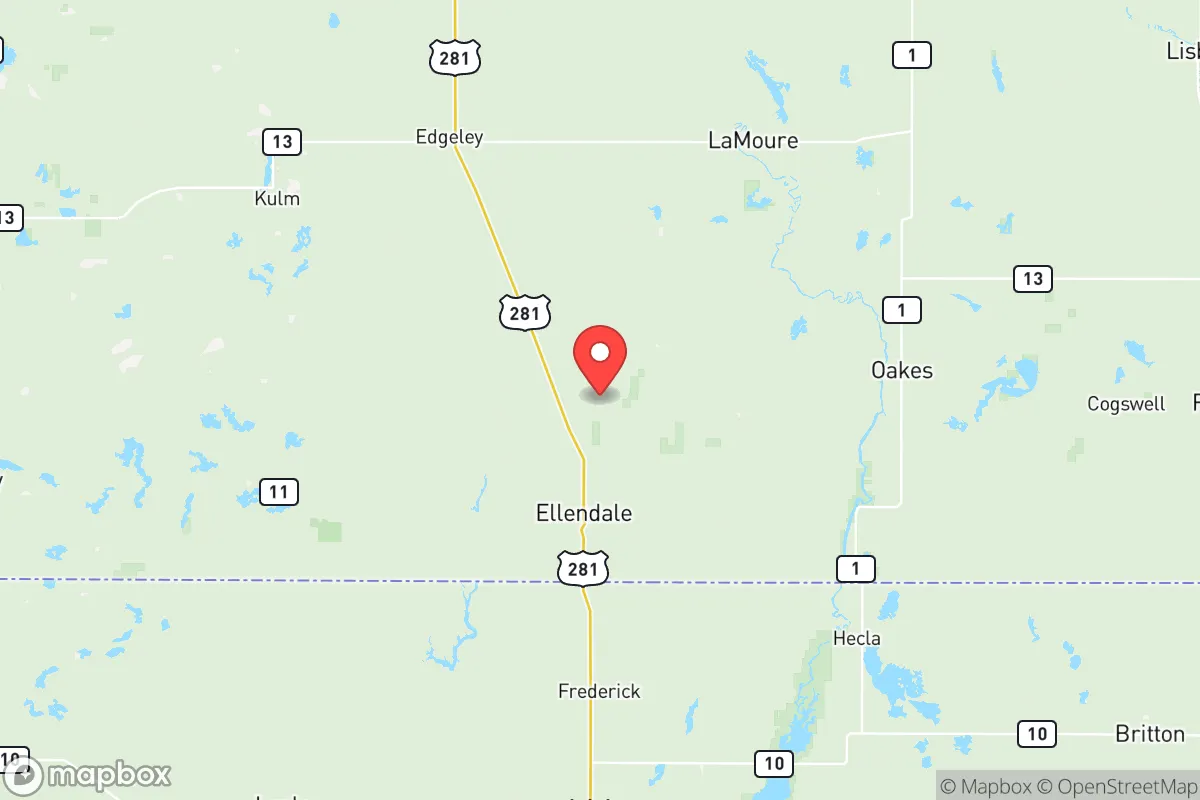
Photo: Wikipedia
Find The Best Places To Live in Dickey County
PRO TIP! You can paste a Zillow or Redfin link to get info on that property.
Best Places to Live in Dickey County
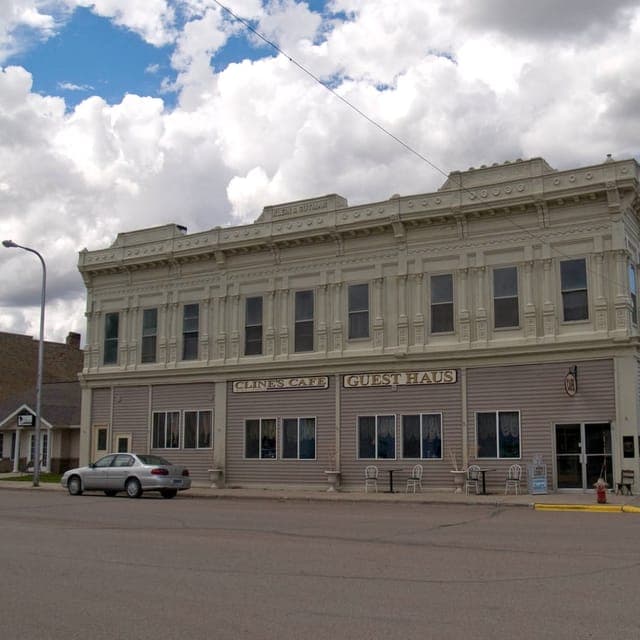
Cities & Towns in Dickey County
Cities in Dickey County
What It's Like Living in Dickey County, ND
Living in Dickey County, North Dakota, feels a lot like stepping into a slower, more deliberate chapter of American life. With a population just under 5,000 spread across towns like Oakes, Ellendale, and the county seat of Forman, this is a place where people know your name and the local café is the unofficial town hall. It’s a region built on agriculture, community ties, and a quiet resilience that appeals to folks who value space, safety, and a predictable rhythm over the hustle of a big city.
The Daily Rhythm: Work, Commutes, and Where You’ll Actually Spend Your Time
Most days here start early. Whether you’re farming near Monango, teaching in Ellendale’s school system, or commuting to a job at the poultry plant in Oakes, the average commute clocks in at just under 17 minutes — one of the shortest you’ll find anywhere. That means more time at home, more time at the lake, or more time helping with the local 4-H project. Shopping is practical: Oakes has a decent grocery store and a hardware shop, while Ellendale offers a few local boutiques and a pharmacy. For big-box runs or a sit-down chain restaurant, most folks drive the 45 minutes to Aberdeen, South Dakota, or an hour to Jamestown. It’s not a daily inconvenience, but it’s a reality of rural life that newcomers should plan for.
Weekends are often spent on the water at Lake Elsie near Forman, or at high school sporting events that genuinely pack the bleachers. The local diners — like the one in downtown Forman — serve as de facto living rooms, where you can grab a slice of pie and catch up on who’s harvesting what. The pace is unhurried, and that’s exactly the point.
Who Fits In: Work, Family, and the Local Economy
Dickey County tends to attract people who are either raising a family or looking to retire into a quieter life. The median age is 38.6, which is right in line with the national average, but the feel is younger than that number suggests because of the strong presence of families in towns like Oakes and Ellendale. The median household income sits at $63,125, and with a cost of living index of 62 — well below the national 100 — that money goes a long way. A median home value of $167,100 means a young couple can realistically buy a three-bedroom house without being house-poor.
The biggest employers are in agriculture, education, and healthcare. Oakes is home to a major turkey processing plant that draws workers from across the region, while Ellendale hosts Trinity Bible College and a growing number of remote workers who’ve traded city rent for a mortgage-free life on the prairie. About 27% of adults hold a college degree, which is lower than the national average, but the community places a heavy emphasis on trade skills and hands-on work. If you’re someone who values self-reliance and doesn’t mind driving a few extra miles for a specialty item, you’ll likely feel right at home.
Sports, Festivals, and the Things That Bring People Together
High school sports are the main event here. Friday nights in the fall mean Oakes High School football or Ellendale volleyball, and the whole town shows up. These games aren’t just entertainment — they’re the social glue. The county also rallies around the annual Dickey County Fair in Ellendale, which features rodeo events, livestock shows, and a parade that shuts down Main Street. In Oakes, the Oakes Oktoberfest draws crowds with live music, a craft fair, and enough bratwurst to feed half the county.
Outdoor life is a quieter affair. Hunting for pheasant and deer is a fall tradition, and ice fishing on the James River or local sloughs keeps people busy through the long winter. There’s no major music venue or nightclub — the closest thing to a night out is a fish fry at the Forman Legion or a beer at the Oakes Sportsman’s Club. That’s not a complaint for most residents; it’s a feature. The entertainment here is people, place, and the changing seasons.
Pros and Cons of Living in Dickey County
No place is perfect, and Dickey County has its trade-offs. Here’s what longtime residents tend to mention:
- Pro: The cost of living is genuinely low. A family can live comfortably on a single middle-class income, and the housing market is affordable even for first-time buyers.
- Pro: Safety is a real selling point. The violent crime rate is 234.1 per 100,000 — slightly above the national average, but most incidents are isolated and property crime is the bigger concern. Most people still leave their doors unlocked in smaller towns like Monango.
- Pro: Community involvement is high. If you want to coach youth sports, join the volunteer fire department, or serve on the school board, you’ll be welcomed immediately.
- Con: Winter is long and real. From November through March, snow and wind are constants. Cabin fever is a thing, and you’ll need a reliable vehicle and a good attitude about cold weather.
- Con: Amenities are limited. There’s no movie theater, no mall, and few restaurant options. For date night or a specialty doctor’s appointment, you’re driving to Aberdeen or Fargo.
- Con: Job diversity is narrow. If you’re not in ag, education, or healthcare, you may struggle to find local work that matches your skill set.
Dickey County isn’t for everyone — and that’s part of its appeal. It’s a place where you can own a home, raise kids who know their neighbors, and live at a pace that feels human. If that sounds like your version of a good life, it might be worth a closer look.

* Values derived from national, state, county, city and local statistics and may differ in a specific area. Last updated: 2026-07-13T16:51:03.000Z
Narrative content on this page is AI-generated and may contain mistakes. Verify any details that matter before acting on them.
ReloMaps may earn a commission from affiliate links at no extra cost to you.

