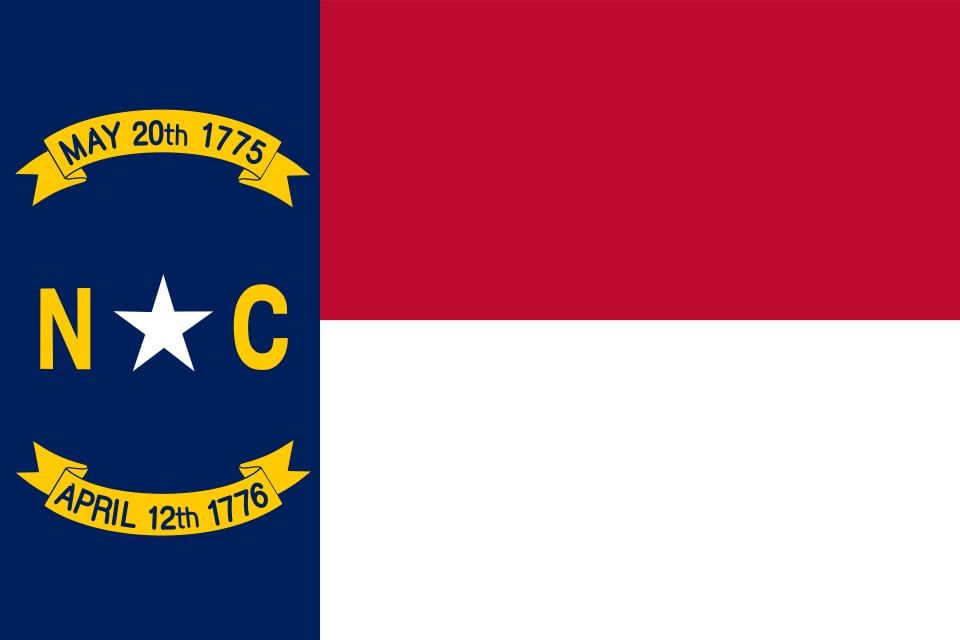
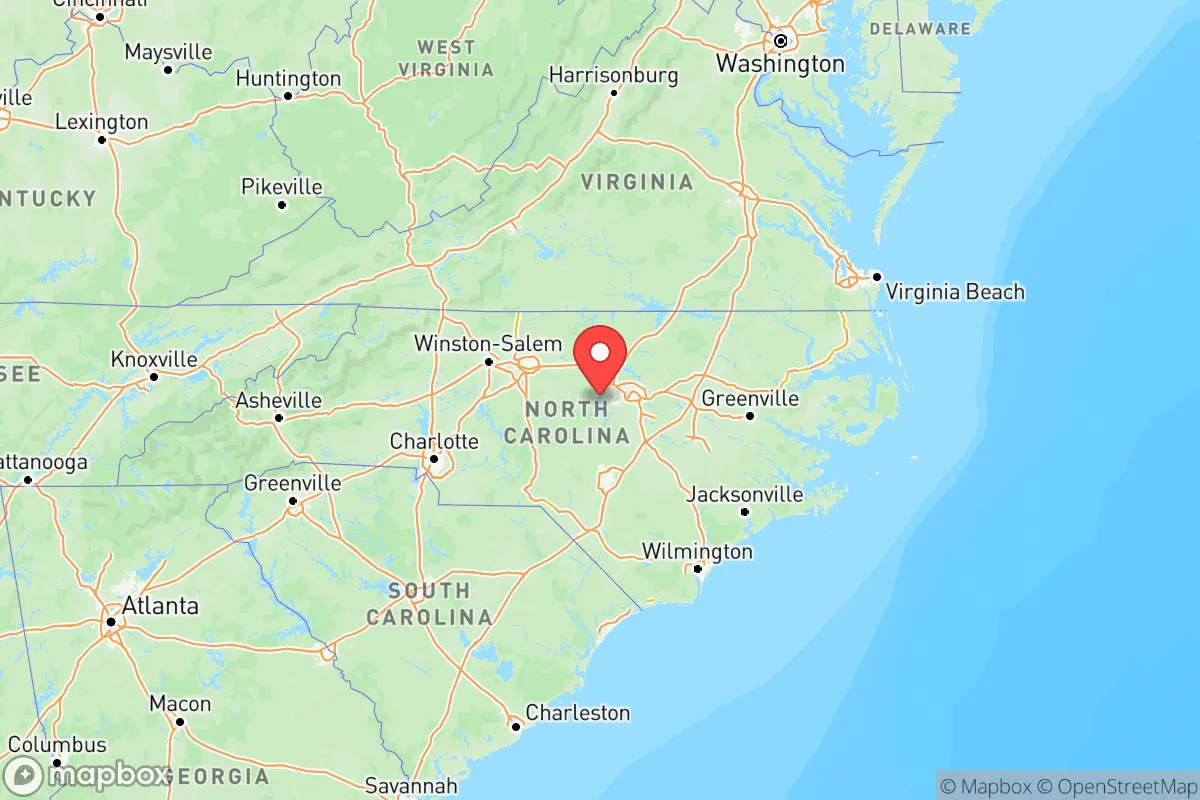
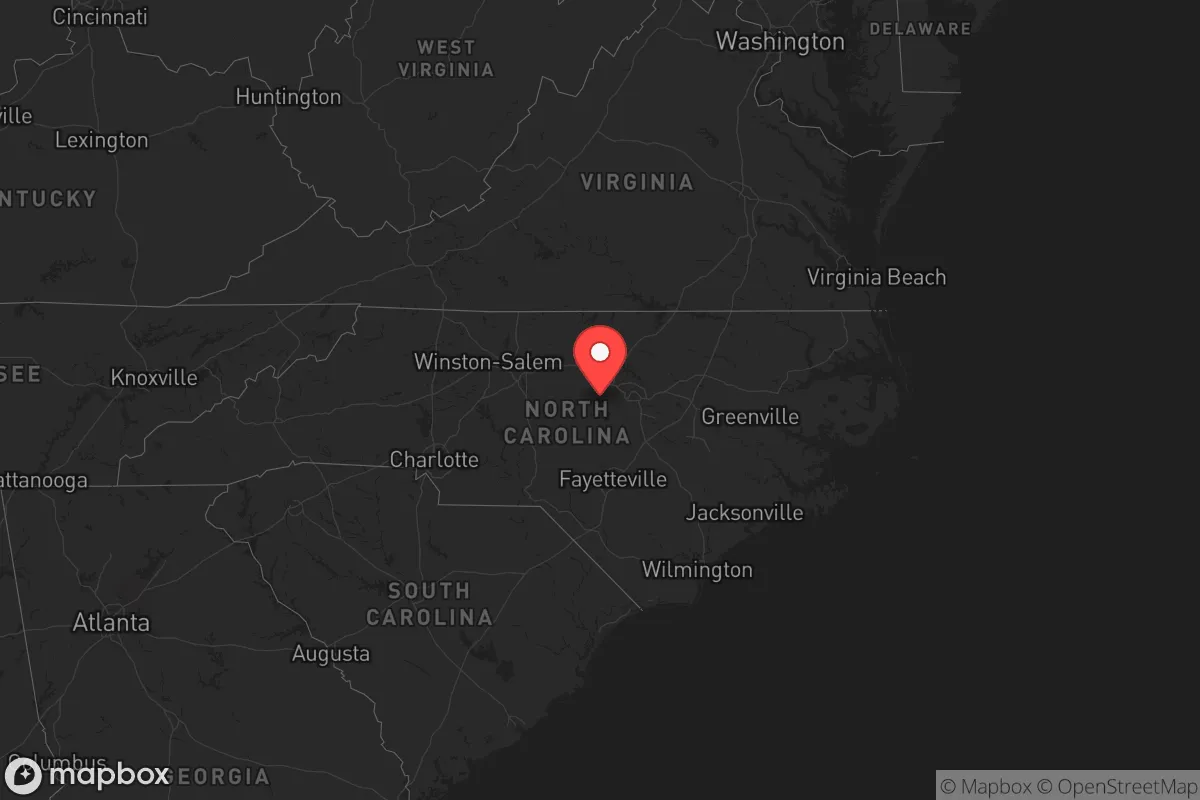
Photo: Wikipedia
Political ClimatePolitical Climate in North Carolina
Political Environment in the State
North Carolina is a classic battleground state with a Cook PVI of R+1, meaning it leans just barely Republican at the statewide level, but the real story is a decade-long tug-of-war between a rapidly growing, left-leaning urban crescent and a deeply conservative rural and exurban heartland. Over the last 20 years, the state has flipped from reliably red to a purple toss-up, with Democrats winning the governorship in three of the last four cycles while Republicans have held the General Assembly since 2011. The dominant coalition is a rural-Republican base that runs from the mountains to the coast, but it’s being challenged by massive in-migration into the Charlotte metro, the Research Triangle (Raleigh-Durham-Chapel Hill), and the Piedmont Triad (Greensboro-Winston-Salem-High Point). If you’re a conservative looking for a state that still respects individual liberty but is under demographic pressure, North Carolina is a place to watch closely.
Urban vs. rural divide
The political map of North Carolina is stark. The urban crescent—Charlotte, Raleigh, Durham, Chapel Hill, Greensboro, and Winston-Salem—drives the Democratic vote, powered by transplants from the Northeast and West Coast, university populations, and a growing minority electorate. Mecklenburg County (Charlotte) and Wake County (Raleigh) alone account for nearly a quarter of the state’s votes and are solidly blue. In contrast, the rural and small-town counties east of I-95, like Robeson and Cumberland, and the western mountain counties like Watauga and Buncombe (Asheville), are either deep red or trending that way. The real battleground is the exurban ring around Charlotte and Raleigh—places like Union County (south of Charlotte) and Johnston County (southeast of Raleigh), which are growing fast and have been reliably red but are seeing an influx of moderate suburbanites. If you’re a conservative, you’ll feel at home in the rural counties and most small towns, but you’ll be a minority in the city centers.
Policy environment
North Carolina’s policy environment is a mixed bag for conservatives. On the plus side, the state has a flat income tax rate of 4.75% (down from 7% in 2013), and the Republican legislature has passed further cuts to bring it to 3.99% by 2027. There’s no state tax on Social Security income, and the corporate tax rate is a low 2.5%. The regulatory posture is business-friendly, with right-to-work laws and a strong tort reform record. On education, the state has a robust school choice program, including Opportunity Scholarships (vouchers) that can be used at private schools, and a growing charter school sector. However, the state’s Medicaid expansion under the Affordable Care Act was finally adopted in 2023 after a decade of resistance, which some conservatives see as a step toward bigger government. Election laws are a flashpoint: the state requires photo ID to vote, has early voting, and has fought off multiple legal challenges to its voter ID law. The General Assembly has also passed laws limiting abortion to 12 weeks (with exceptions), which is a moderate restriction compared to neighboring states like Tennessee and South Carolina. Overall, the policy environment is center-right on economics and social issues, but the constant legal battles over voting and abortion mean the ground can shift quickly.
Trajectory & freedom
North Carolina has been on a trajectory of increasing personal freedom in some areas and decreasing in others, and the trend is worth watching. On the freedom side, the state passed a constitutional carry law in 2023, allowing permitless concealed carry of handguns for adults 18 and older—a major win for gun rights. The General Assembly also passed the Parents’ Bill of Rights in 2023, which requires schools to notify parents about instructional materials involving sexuality and prohibits instruction on gender identity in K-4 classrooms. This was a direct response to progressive overreach in districts like Chapel Hill-Carrboro and Wake County. On the concerning side, the state’s COVID-era emergency powers were reined in by the legislature, but the governor (a Democrat) still retains broad executive authority during declared emergencies. The state also has a history of aggressive eminent domain for economic development, particularly in the Charlotte area, which has frustrated property rights advocates. Medical freedom took a hit with the 2021 vaccine passport ban being overturned in court, but the state has no general vaccine mandate. The bottom line: freedom is expanding on guns and parental rights, but the constant legal battles over executive power and property rights mean you need to stay engaged.
Civil unrest & political movements
North Carolina has seen its share of civil unrest, particularly in the urban centers. The 2020 George Floyd protests in Raleigh and Charlotte led to property damage and curfews, but the state avoided the widespread destruction seen in Portland or Seattle. The most visible political movement on the left is the Moral Monday protests, which began in 2013 and have evolved into a coalition of progressive groups pushing for Medicaid expansion, voting rights, and criminal justice reform. On the right, the conservative grassroots are organized around groups like the North Carolina Values Coalition and local Tea Party chapters, which have been effective at primarying moderate Republicans. Immigration politics are relatively quiet compared to border states, but there’s a growing sanctuary city debate: Durham and Orange County have declared themselves “sanctuary” jurisdictions, limiting cooperation with ICE, which has led to legislative pushback from the General Assembly. Election integrity remains a hot-button issue, with the state’s 2020 election being one of the most closely watched in the nation—Biden won by just 1.3 points, and the state’s voter ID law was upheld after years of litigation. A new resident will notice that political signs and bumper stickers are common, and conversations about politics are frequent but generally civil outside of the university towns.
Projection
Over the next 5-10 years, North Carolina is likely to become more competitive, not less. The state is growing by about 100,000 people per year, and the majority of those new residents are moving to the urban crescent—Charlotte, Raleigh, and Wilmington—which leans Democratic. If the current trend holds, the state could flip to a D+1 or D+2 PVI by 2030, making it a true swing state. However, the rural and exurban counties are also growing, and the Republican legislature has shown it can hold the line on gerrymandering and election laws. The key variable is whether the GOP can hold the suburbs—places like Union County and Johnston County are growing fast but are becoming more moderate. If the state continues to attract conservative-leaning retirees from the Northeast and Midwest, the rural vote could offset the urban gains. For a conservative moving in now, expect a state that will remain purple for the next decade, with the legislature staying red but the governor’s mansion flipping back and forth. The policy environment will likely stay center-right on economics and social issues, but the constant legal battles over voting, abortion, and education mean you’ll need to stay politically active to protect the gains made in recent years.
For a new resident, the bottom line is that North Carolina offers a relatively low-tax, business-friendly environment with strong gun rights and parental control in education, but it’s under constant pressure from urban progressive activism. If you’re looking for a state where your vote matters and your voice can still be heard, this is it—but don’t expect it to stay red forever. The best places for a conservative to settle are the exurban counties around Charlotte (Union, Cabarrus, Iredell) or the rural counties east of Raleigh (Johnston, Nash, Wilson), where you’ll find like-minded neighbors and a slower pace of life. Just be prepared for the culture war to be a permanent feature of daily life, especially if you have kids in public schools.

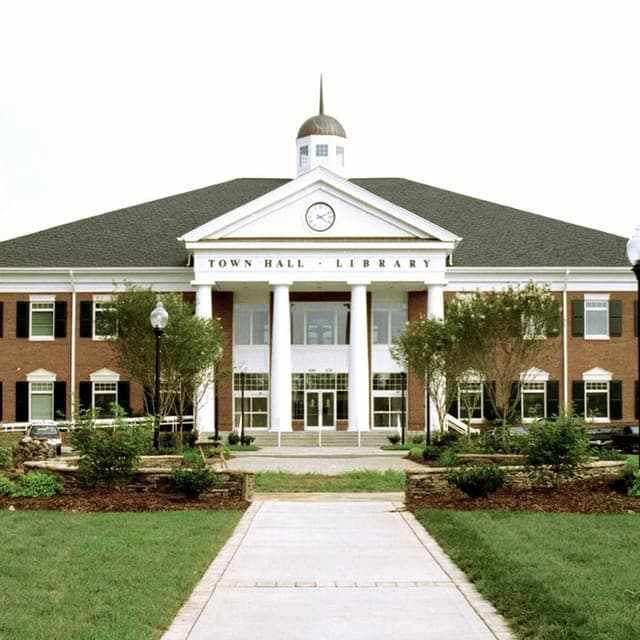
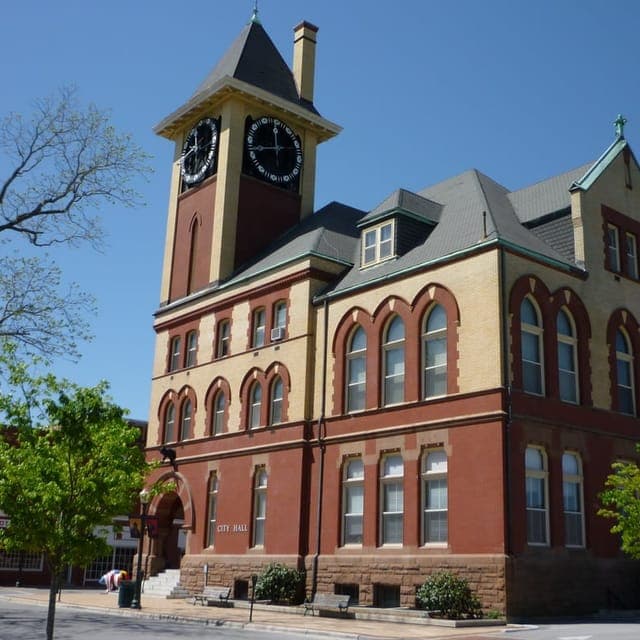
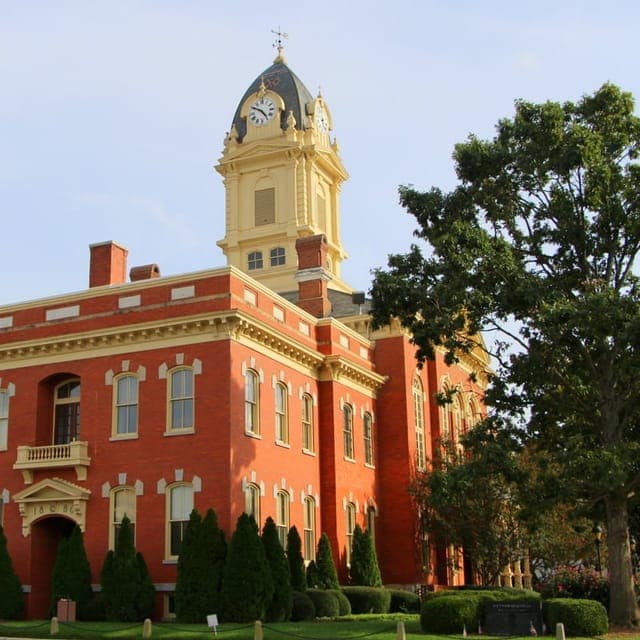
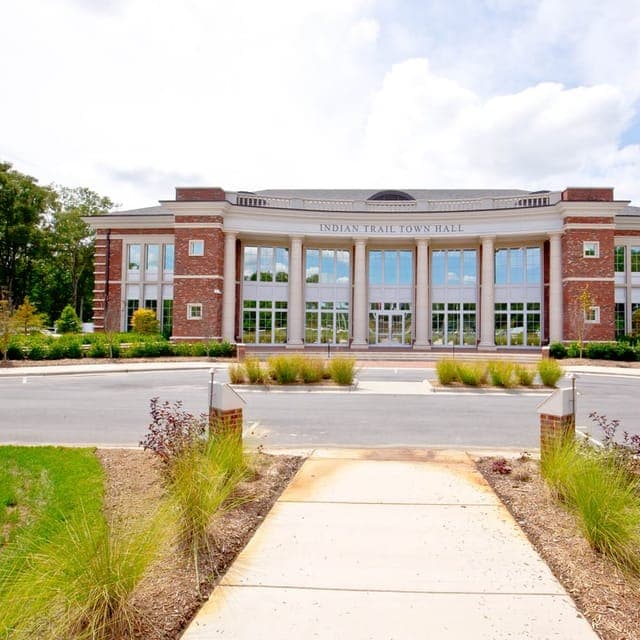
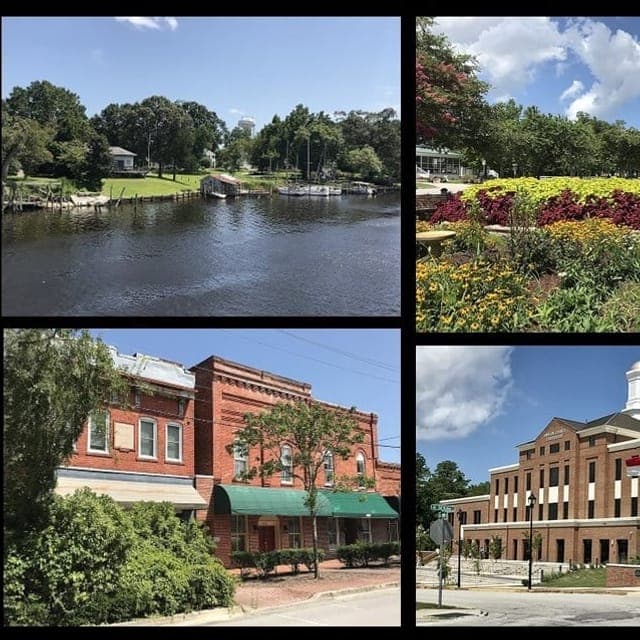
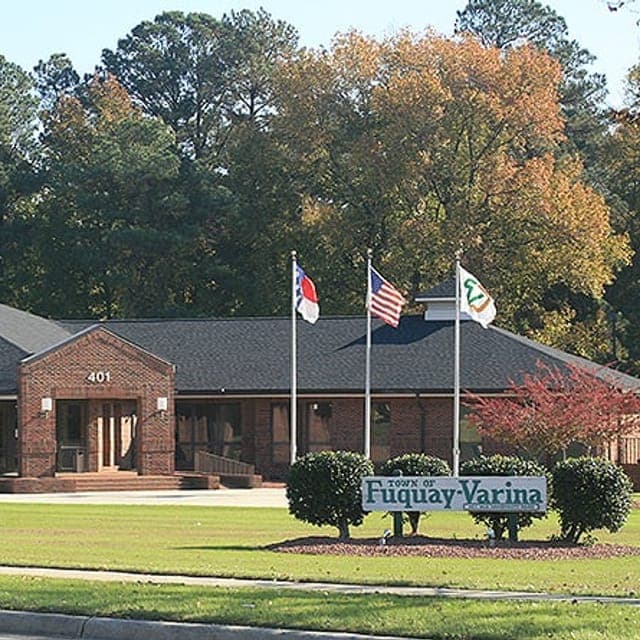
Most Conservative Cities in North Carolina
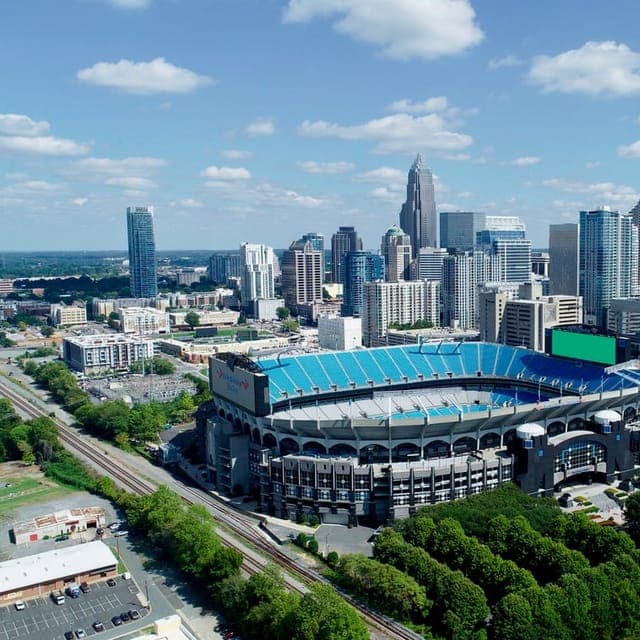
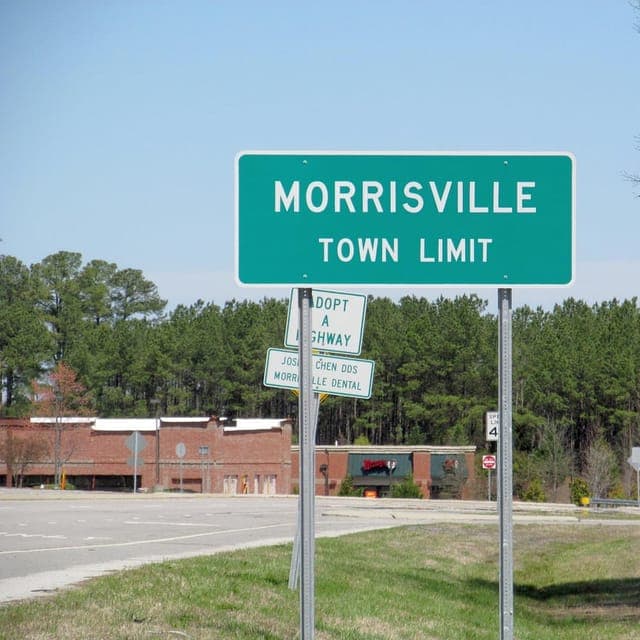
Most Liberal Cities in North Carolina
* Values derived from national, state, county, city and local statistics and may differ in a specific area. Last updated: 2026-04-14T06:23:38.000Z
Narrative content on this page is AI-generated and may contain mistakes. Verify any details that matter before acting on them.
ReloMaps may earn a commission from affiliate links at no extra cost to you.

