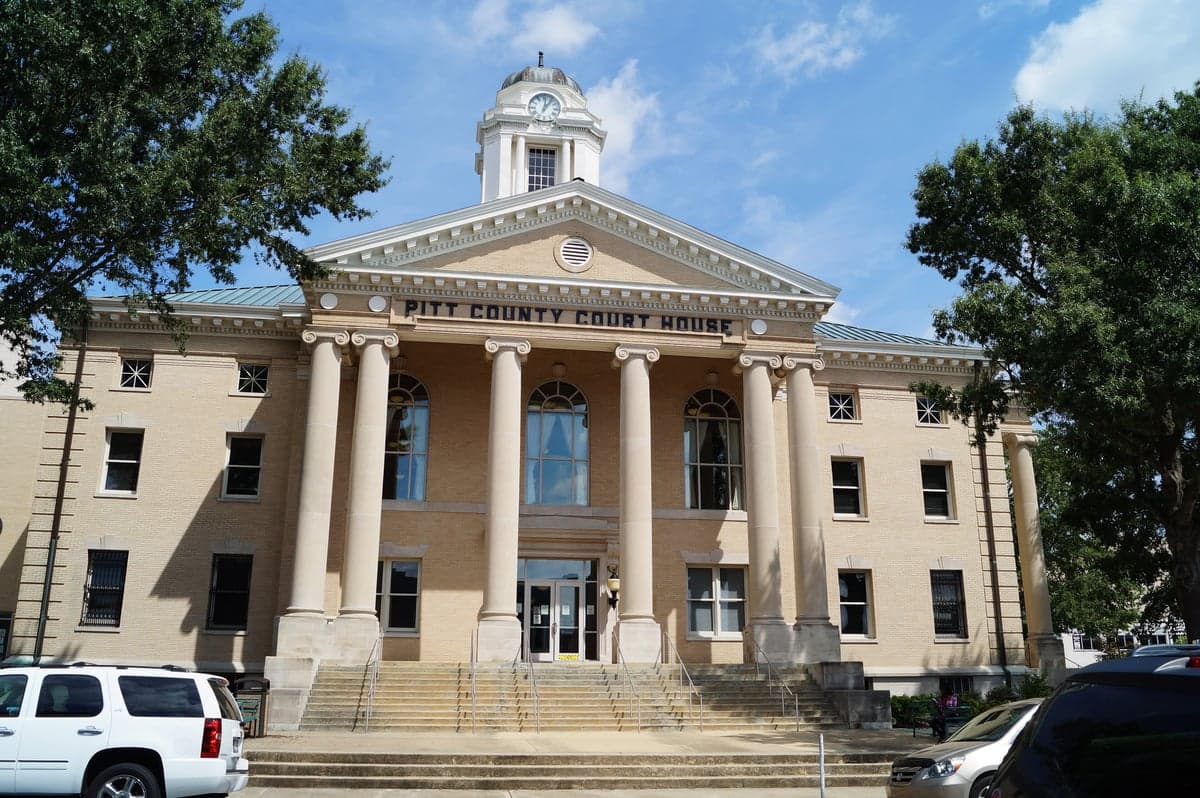
Photo: Wikipedia
Find The Best Places To Live in Pitt County
PRO TIP! You can paste a Zillow or Redfin link to get info on that property.
Best Places to Live in Pitt County
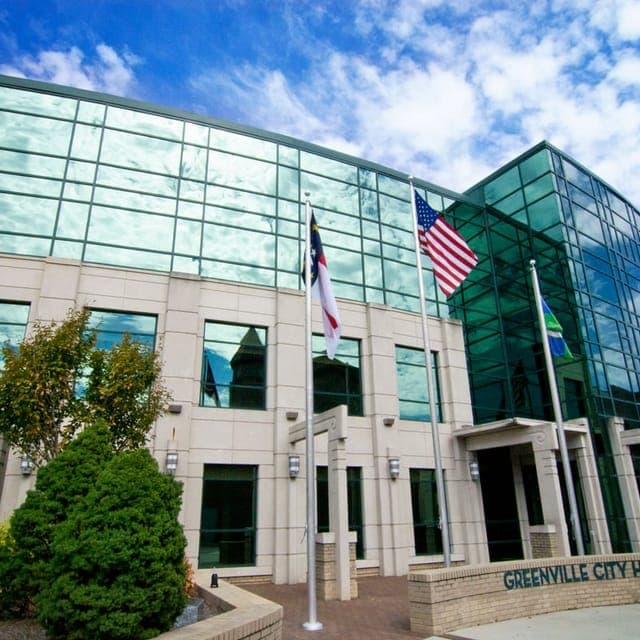
Cities & Towns in Pitt County
Cities in Pitt County
What It's Like Living in Pitt County, NC
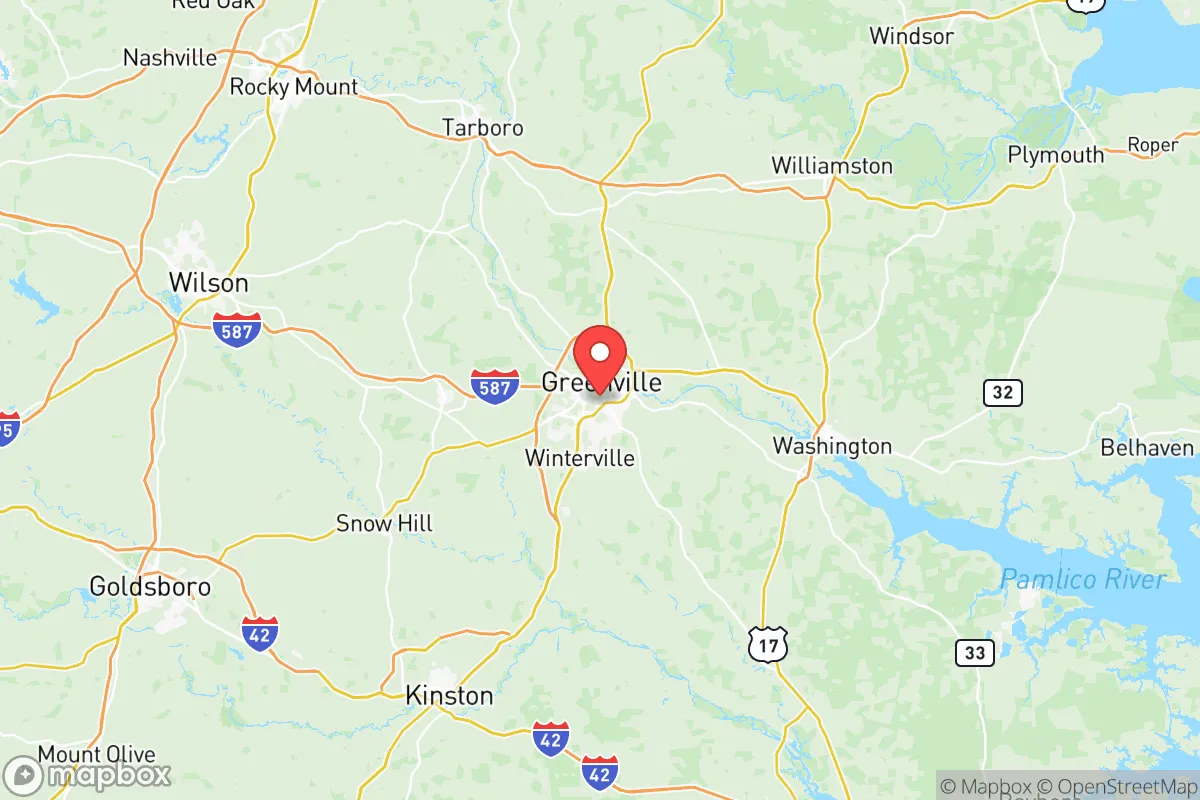
Living in Pitt County means settling into a place where the pace of life is dictated more by the rhythms of ECU’s academic calendar and the tobacco harvest than by rush-hour gridlock. The county is anchored by Greenville, a classic Eastern North Carolina college town that feels bigger than its population suggests, but it also includes smaller communities like Winterville, Ayden, and Grifton, each with its own distinct character. You get a mix of university energy, agricultural roots, and a cost of living that lets your paycheck stretch further than it would in the Raleigh-Durham corridor.
Daily Rhythm: Where You Shop, Eat, and Spend Weekends
For most people, daily life revolves around a few key corridors. Greenville’s main drags—Evans Street, Greenville Boulevard, and Memorial Drive—are where you’ll find the big-box stores, chain restaurants, and the ECU medical complex that employs thousands. But the real flavor of the county shows up in the smaller towns. In Ayden, the B’s Barbecue is a pilgrimage site for anyone who takes Eastern NC whole-hog barbecue seriously—vinegar-based, chopped fine, served with hushpuppies. Winterville has a quieter, more suburban feel, with its own little downtown and the Winterville Watermelon Festival every July, which is a genuinely big deal for families. Weekends often mean heading to the Tar River for kayaking or fishing, or catching a game at Dowdy-Ficklen Stadium when ECU football is in season. The average commute here is just under 22 minutes, which means you’re not spending your life in the car—a real perk compared to the Triangle or Charlotte.
Who Fits In: Work, Family Stage, and Affluence
Pitt County is a place where a median household income of $58,851 goes a long way, especially when the cost of living index sits at 78—well below the national average. That combination tends to attract people who want a decent standard of living without the financial squeeze of bigger metros. The median home value is $194,300, which means a young family or a single professional can actually buy a house here, not just rent. The largest employers are ECU, Vidant Health (now ECU Health), and the school system, so you’ll find a lot of educators, healthcare workers, and university staff. The median age is 33.6, which reflects the student population but also a solid base of early-career professionals and young families. If you’re looking for a place where you can have a good job, a yard, and still afford to eat out a couple times a week, this county fits the bill. About 33.9% of adults have a college degree, so it’s not a hyper-educated bubble like Chapel Hill, but it’s not a rural backwater either—it’s a solid middle ground.
Sports & Community: ECU, High School Football, and the Local Identity
Sports are a huge part of the county’s identity, and it all starts with East Carolina University. ECU football and basketball games are the biggest social events on the calendar, especially when the Pirates are playing a conference rival like UCF or Memphis. The purple and gold is everywhere on game days, and even if you’re not a student, you’ll find yourself drawn into the energy. High school football is also a big deal, particularly in towns like Farmville and Ayden, where Friday-night games are the social hub for the week. The community rallies around these teams in a way that feels genuine—it’s not just about the sport, it’s about seeing neighbors and catching up. For a more laid-back scene, the Greenville Grindhouse is a popular spot for coffee and live music, and the Uptown Greenville district has a few breweries and bars that cater to the post-college crowd.
What’s There to Do: Festivals, Outdoors, and Honest Pros & Cons
Outdoor options are solid but not spectacular. The Tar River runs through the county and offers decent paddling and fishing, and the Greenville Greenway system is growing, with several miles of paved trails that connect neighborhoods and parks. The big annual events are the Winterville Watermelon Festival, the Ayden Collard Festival (yes, collards), and ECU’s homecoming weekend, which brings alumni back from all over. For music and arts, the Greenville Museum of Art and the ECU School of Theatre and Dance provide a steady stream of performances and exhibits that punch above the county’s weight.
Now for the honest trade-offs. The violent crime rate is 310.5 per 100,000, which is higher than the national average and something to be aware of, especially in certain parts of Greenville. Property crime is also a concern in some neighborhoods. The weather is classic Eastern NC: hot, humid summers, mild winters, and the occasional hurricane threat from late summer through fall. Mosquitoes are a fact of life from April to October. Traffic isn’t bad by big-city standards, but Greenville Boulevard can feel congested during peak hours, and the lack of a major interstate running through the county means you’re driving two-lane roads to get to I-95 or US-264. Locals love the low cost of living and the sense of community, but they’ll also tell you that entertainment options are limited compared to a city like Raleigh—you’ll drive an hour and a half for a major concert or a professional sports game. The schools are a mixed bag; some are excellent, particularly in the more affluent parts of Greenville and Winterville, but others struggle with funding and performance. Overall, Pitt County offers a genuine, affordable, and community-driven lifestyle that works best for people who value stability and a slower pace over urban excitement.

* Values derived from national, state, county, city and local statistics and may differ in a specific area. Last updated: 2026-06-24T22:15:22.000Z
Narrative content on this page is AI-generated and may contain mistakes. Verify any details that matter before acting on them.
ReloMaps may earn a commission from affiliate links at no extra cost to you.

