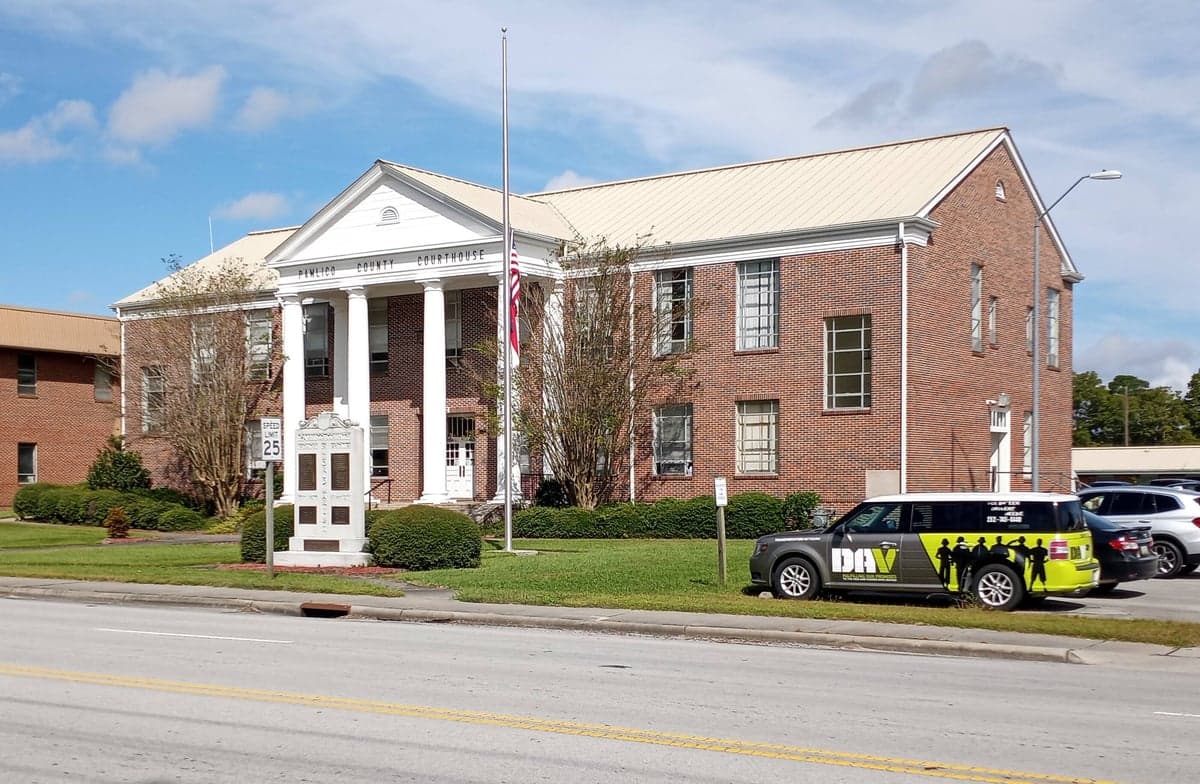
Photo: Wikipedia
Personal Sovereignty in Pamlico County
Viable for self-reliance. Generally workable, though some barriers may limit total independence.
What does Personal Sovereignty tell us?
Personal Sovereignty measures your capacity for self-reliance and independence with minimal government friction. Higher scores mean fewer barriers between you and the way you want to live... but it assumes you have the space you need and good neighbors.
What does this tell us?
Personal Sovereignty measures your capacity for self-reliance and independence with minimal government friction. Higher scores mean fewer barriers between you and the way you want to live... but it assumes you have the space you need and good neighbors.
State Policy
Energy independence: Importer (24% of energy produced in-state)
Personal Liberty
Homesteading

Personal Liberty Analysis
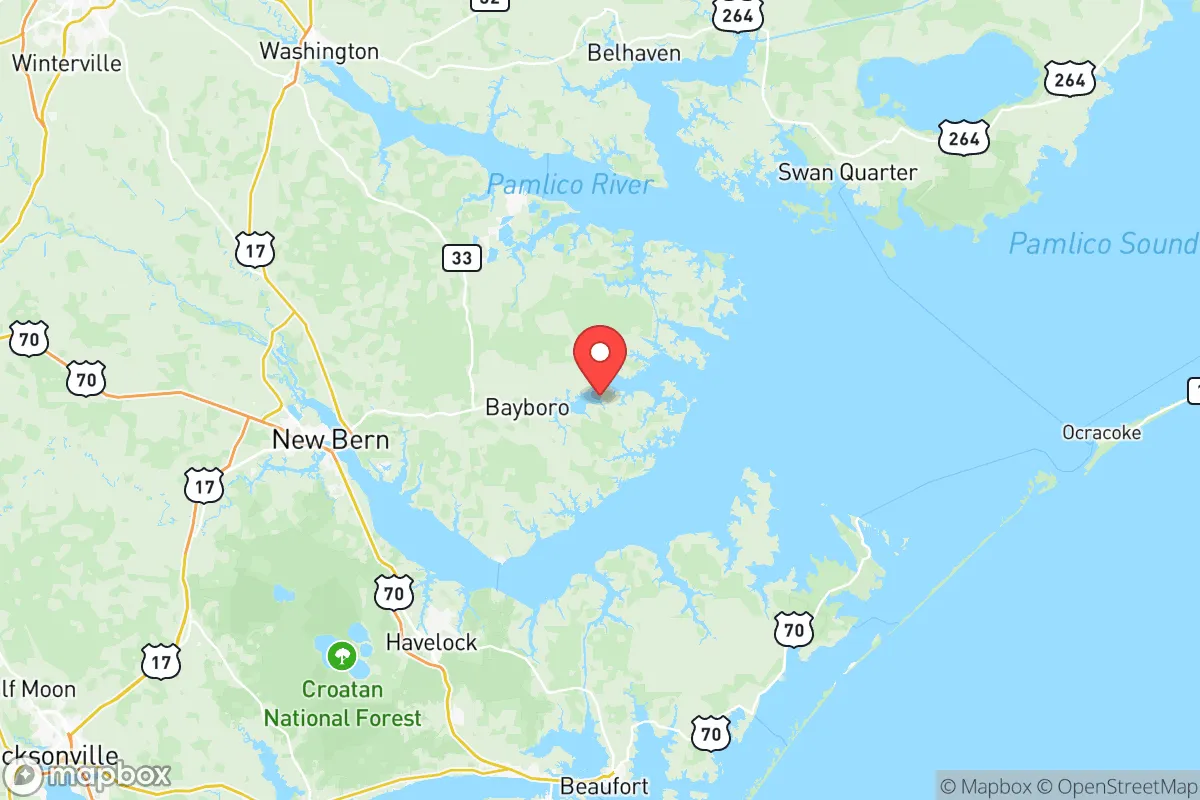
Pamlico County, North Carolina, offers a notably high degree of personal sovereignty, characterized by a light regulatory touch, low taxes, and a culture that values self-reliance. Located along the Neuse River and Pamlico Sound, this rural coastal county provides an environment where residents experience fewer restrictions on daily life compared to urban centers like Raleigh or Charlotte. For individuals and families prioritizing autonomy—whether in financial decisions, self-defense, or lifestyle choices—Pamlico County presents a compelling option within the broader context of North Carolina's generally freedom-friendly legal framework.
Tax burden and regulatory posture in Pamlico County
Pamlico County maintains one of the lowest tax burdens in North Carolina, a key factor for those seeking financial independence. The county's property tax rate is approximately $0.58 per $100 of assessed value, well below the state average of $0.72. Combined with North Carolina's flat state income tax rate of 4.75% and a state sales tax of 4.75% (plus a local option of 2% in Pamlico County, totaling 6.75%), the overall tax load is light. The county government operates with a minimal regulatory posture: there are no county-level building codes for agricultural structures in unincorporated areas, and zoning is limited primarily to the towns of Bayboro, Oriental, and Grantsboro. Outside these incorporated towns, land use is largely unrestricted, allowing residents to build, repair, and develop without excessive permitting delays. The county's planning department focuses on coastal area management and floodplain regulations, but these are federal and state mandates rather than local overreach. For a conservative-leaning audience, this translates to keeping more of what you earn and making decisions about your property without bureaucratic interference.
Self-defense and gun law specifics in Pamlico County
North Carolina is a shall-issue state for concealed carry permits, and Pamlico County fully aligns with this framework. The Pamlico County Sheriff's Office processes permits efficiently, with typical turnaround times of 30-45 days. The county is home to the Pamlico Gun Club near Stonewall, a private range that hosts regular competitions and training events, reflecting a strong local gun culture. Open carry is legal without a permit for anyone 18 or older who can legally possess a firearm. Stand-your-ground laws apply statewide, meaning there is no duty to retreat before using deadly force in self-defense. The county's rural character—with many homes on acreage and limited law enforcement presence—means residents often take personal security seriously. In towns like Alliance and Vandemere, it is common to see firearms displayed in vehicles or homes, and local businesses generally welcome law-abiding gun owners. There are no county-specific restrictions on magazine capacity, firearm types, or ammunition sales. For those moving from restrictive states like California or New York, Pamlico County offers a stark contrast in self-defense freedom.
Self-reliance and homesteading viability in Pamlico County
Pamlico County is exceptionally well-suited for homesteading and off-grid living, with large lot sizes and minimal zoning restrictions. In unincorporated areas, minimum lot sizes are typically 1 acre, but many parcels range from 5 to 50 acres, particularly around Lowland and Hobucken. The county does not require building permits for structures under 200 square feet, making small cabins, sheds, or workshops easy to erect. Off-grid feasibility is high: well water is common, septic systems are permitted with a simple county health department inspection, and solar panels are unrestricted. The county has no net metering cap for solar installations, and residents can sell excess power back to the grid through Tideland EMC, the local electric cooperative. Rainwater collection is legal and encouraged for irrigation. For those seeking true independence, the Pamlico River and Neuse River provide abundant fishing and crabbing opportunities, and the county's agricultural extension office offers free workshops on small-scale farming, beekeeping, and food preservation. The only notable restriction is in flood zones, where FEMA regulations apply, but these are manageable with proper site selection. Compared to the restrictive coastal development rules in neighboring Carteret County, Pamlico County is far more homestead-friendly.
Personal liberties in Pamlico County: parental rights, medical autonomy, speech, and property
Personal liberties in Pamlico County are robust, reflecting both state law and local culture. Parental rights are strongly protected: North Carolina law allows parents to opt their children out of any public school curriculum or activity without penalty, and the Pamlico County School District—serving Bayboro, Oriental, and Grantsboro—has a policy of notifying parents before any sensitive health or sex education instruction. Homeschooling is straightforward, requiring only a simple notice of intent and annual standardized testing, with no curriculum approval or home visits. Medical autonomy is supported by the state's broad scope of practice for naturopaths and chiropractors, and the county has no local vaccine mandates for employment or public services. Speech is protected under the First Amendment, and the county's small population (around 13,000) means community discourse is generally civil and respectful. Property rights are strong: there is no county-wide rent control, no short-term rental bans (though Oriental has a 30-day minimum for vacation rentals), and no restrictions on keeping livestock or poultry on residential lots in unincorporated areas. The county's conservative culture means that individual choice in medical, educational, and lifestyle matters is respected, with minimal government intrusion.
Overall, Pamlico County ranks among the most sovereignty-friendly areas in coastal North Carolina. Its combination of low taxes, minimal regulation, strong gun rights, and viable off-grid living creates an environment where personal freedom is the default. While the county lacks the amenities of larger cities, for those who prioritize autonomy over convenience, it offers a rare balance of rural independence and coastal access. Compared to the more restrictive environments of the Research Triangle or the Outer Banks, Pamlico County stands out as a place where residents are trusted to make their own decisions—a quality that resonates deeply with conservative-leaning individuals and families seeking a life of self-reliance.

* Values derived from national, state, county, city and local statistics and may differ in a specific area. Last updated: 2026-11-05T10:19:56.000Z
Narrative content on this page is AI-generated and may contain mistakes. Verify any details that matter before acting on them.
ReloMaps may earn a commission from affiliate links at no extra cost to you.

