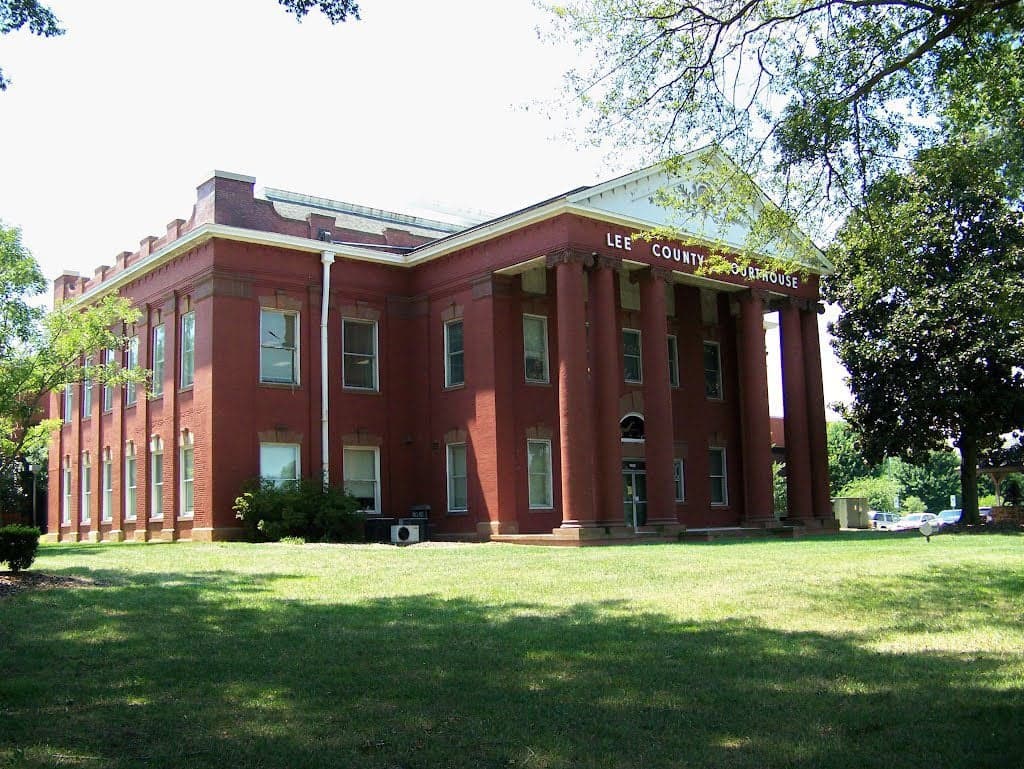
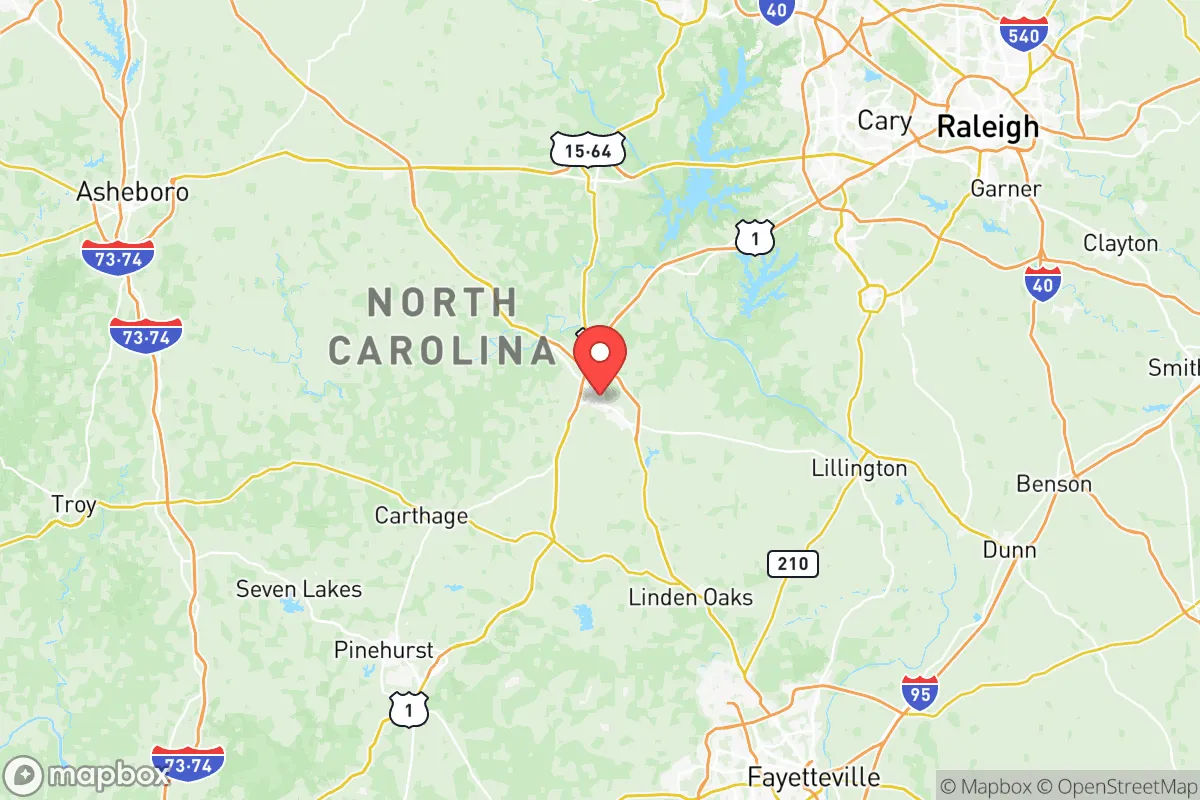
Photo: Wikipedia
Quality of Life in Lee County
A livable area that tracks near national norms for affordability, walkability, and neighborhood health.
What does Quality of Life tell us?
Quality of Life measures an area by evaluating factors like cost of living, nearby amenities, country club access, airport proximity, socioeconomic signals and neighborhood character. For large states, this is a general average — quality of life can vary dramatically between metro areas, suburbs, and rural communities within the same state.
What does this tell us?
Quality of Life measures an area by evaluating factors like cost of living, nearby amenities, country club access, airport proximity, socioeconomic signals and neighborhood character. For large states, this is a general average — quality of life can vary dramatically between metro areas, suburbs, and rural communities within the same state.
Cost of Living
20% below national average
103%
The Real Cost of Living in Lee County for 2026
| Tier | Individual | Family (4) |
|---|---|---|
| Survival | $15k | $29k |
| Comfortable | $42k | $61k |
| Luxury | $102k+ | $158k+ |
| Elite (Top 5%) | $120k+ | $186k+ |
Quality-of-Life Analysis
Lee County, North Carolina, offers a genuine spectrum of living environments, from the walkable historic core of its county seat to deeply rural crossroads communities, all within a county that is significantly more affordable than the national average. With a cost of living index of 80 (100 being the U.S. average), a median home value of $213,800, and a median rent of $962, the county attracts a mix of young families seeking starter homes, retirees looking for quiet land, and commuters who work in the Research Triangle Park (RTP) or Fayetteville. The character of daily life shifts noticeably depending on whether one lives in the town of Sanford, a smaller community like Broadway, or a rural pocket near the Deep River.
Largest town(s) & population centers
Sanford is the undisputed hub of Lee County, home to roughly 30,000 residents and the county's only real concentration of retail, healthcare, and employment. Daily life here is centered around the historic downtown district, which has seen revitalization with local breweries, restaurants like The Flame Steakhouse, and the Temple Theatre. The town offers a mix of older bungalows near downtown and newer subdivisions like those in the Tramway area. Sanford is also the location of Central Carolina Community College and the major industrial employers, including Caterpillar and Pfizer. The average commute of 25.7 minutes is manageable for those working locally, though residents commuting to RTP or Raleigh face a 45-60 minute drive. The housing stock is diverse, with fixer-uppers near downtown and $300,000+ new construction on the outskirts.
Smaller towns & rural pockets
South of Sanford, the town of Broadway (population roughly 1,200) offers a quieter, small-town feel with its own post office, a few local eateries, and easy access to US-1. Further south, the unincorporated community of Cumnock is a historic mill village along the Deep River, offering a handful of older homes and a strong sense of place but virtually no commercial services. To the east, the Gulf area is a sprawling rural crossroads with scattered homes on acreage and the popular Deep River State Trail access point. These areas are defined by well water, septic systems, and gravel driveways. They appeal to those who want land, privacy, and a slower pace, but require driving 15-20 minutes to Sanford for groceries, hardware, or a pharmacy.
Cost & lifestyle range
The cost spread across Lee County is dramatic. At the low end, older homes in Sanford's historic districts or small houses in Broadway can be found for under $150,000, and the median rent of $962 makes it one of the most affordable rental markets in the Triangle region. At the high end, newer subdivisions in the West Sanford area near the Chatham County line feature homes in the $350,000 to $450,000 range, often on half-acre lots with access to top-rated Chatham County schools via school choice. The lifestyle range is equally wide: a renter in a downtown Sanford apartment can walk to a coffee shop and the farmers market, while a family on 10 acres near Pleasant Hill Church Road may have a 20-minute drive to the nearest traffic light. Property taxes remain low across the county, which keeps carrying costs down even for higher-priced homes.
Lee County is best suited for people who want affordable access to the Triangle's job market without paying Wake County prices, or for those who genuinely prefer a rural or small-town setting. Families who prioritize walkable amenities and short commutes will find the most value in Sanford proper, while homesteaders, equestrians, and those seeking acreage will thrive in the unincorporated areas around Cumnock, Gulf, and the Deep River corridor. The county's strength is its variety: it offers a genuine choice between town life and country life, all within a 30-minute drive of each other.

Crime in Lee County
Crime rates similar to the national median for U.S. locations.
Violent CrimeViolent Crime Analysis
Property CrimeProperty Crime Analysis
Crime Analysis
Lee County, North Carolina, presents a mixed safety profile that demands careful attention from potential residents. With a violent crime rate of 313.3 per 100,000 residents and a property crime rate of 1,715.2 per 100,000, the county sits above the national average for both categories, though it remains below the most dangerous urban centers in the state. The county seat of Sanford anchors most of the reported crime, while smaller communities like Broadway and Cumnock generally experience fewer incidents, though data for these unincorporated areas is less comprehensive.
Crime in context
Lee County's violent crime rate of 313.3 per 100,000 is notably higher than the North Carolina state average of approximately 290 per 100,000 and significantly exceeds the national rate of about 230 per 100,000. Property crime in the county, at 1,715.2 per 100,000, also surpasses both the state average (roughly 1,500 per 100,000) and the national figure (approximately 1,450 per 100,000). These numbers place Lee County in a middle tier of safety among North Carolina's 100 counties—safer than high-crime areas like Robeson County but riskier than suburban counties such as nearby Chatham or Moore. The county's proximity to the Raleigh-Durham metro area, combined with its own economic challenges, creates a crime environment that mirrors other semi-rural counties experiencing suburban spillover. Sanford, as the population center, accounts for the majority of reported incidents, particularly in its downtown corridor and along the US-421 and US-1 corridors where transient populations and commercial activity concentrate.
What residents experience
Residents of Lee County most frequently encounter property crimes—theft, burglary, and motor vehicle theft—which make up over 80% of all reported offenses. Violent crimes, while less common, include aggravated assault as the predominant category, with robbery and homicide occurring at lower rates. The county's judicial system operates under the 11th Prosecutorial District, which covers Lee, Harnett, and Johnston counties. Progressive-leaning district attorneys in this region have adopted diversion programs and reduced sentencing guidelines for non-violent offenders, a policy approach that critics argue contributes to recidivism and keeps property crime rates elevated. For families and retirees considering relocation, the practical impact means taking standard precautions: securing vehicles, installing home security systems, and avoiding isolated areas after dark, particularly in Sanford's older neighborhoods near the downtown rail corridor. The Lee County Sheriff's Office and Sanford Police Department maintain active patrols, but response times in rural areas like Cumnock or the Deep River community can exceed 15 minutes due to geographic spread.
Neighborhood-level variation
Safety in Lee County varies significantly by location. Sanford's historic district and areas near the Lee County Government Center report lower crime rates due to higher police presence and community watch programs. In contrast, neighborhoods along the US-421 corridor near the Sanford Municipal Airport and the industrial zones west of downtown see elevated property crime. The town of Broadway, with a population under 4,000, consistently reports fewer incidents per capita than Sanford, though its small size means annual fluctuations can be dramatic. Unincorporated areas like Cumnock and Lemon Springs offer the lowest crime rates in the county, but residents there sacrifice access to emergency services and rely on the sheriff's department for coverage. For those considering a move, the safest strategy is to target properties in Sanford's newer subdivisions west of NC-87 or in the rural buffer zones near the Moore County line, where crime data shows consistent underperformance relative to county averages. Prospective buyers should also note that progressive judicial policies in the 11th District have led to early release programs for property offenders, a factor that directly impacts neighborhood safety and should weigh heavily in relocation decisions.
* Values derived from national, state, county, city and local statistics and may differ in a specific area. Last updated: 2026-08-19T22:12:20.000Z
Narrative content on this page is AI-generated and may contain mistakes. Verify any details that matter before acting on them.
ReloMaps may earn a commission from affiliate links at no extra cost to you.

