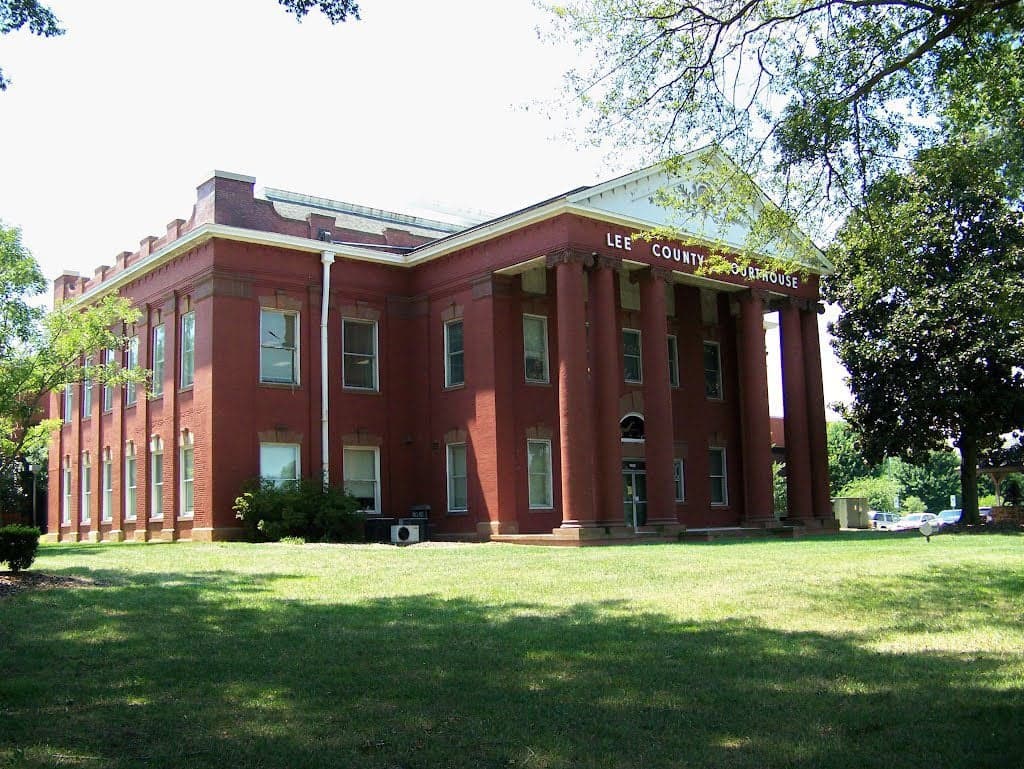
Photo: Wikipedia
Strategic Assessment of Lee County
Meaningful friction. Expect exposure to either population pressure, blast zones, or natural disaster risk. Consider buying a retreat property.
What does the Strategic Assessment tell us?
Our Strategic Assessment grades tactical survivability of an area. Major population centers, military targets, fallout zones, natural disasters, and border exposure all drive risk — lower exposure means a more defensible position in a crisis.
This is heavily inspired by Joel Skousen's Strategic Relocation book. Highly recommended you checkout the book ($)What does this tell us?
Our Strategic Assessment grades tactical survivability of an area. Major population centers, military targets, fallout zones, natural disasters, and border exposure all drive risk — lower exposure means a more defensible position in a crisis.
This is heavily inspired by Joel Skousen's Strategic Relocation book. Highly recommended you checkout the book ($)Strategic Pillars

Key Distances
Strategic Assessment Analysis
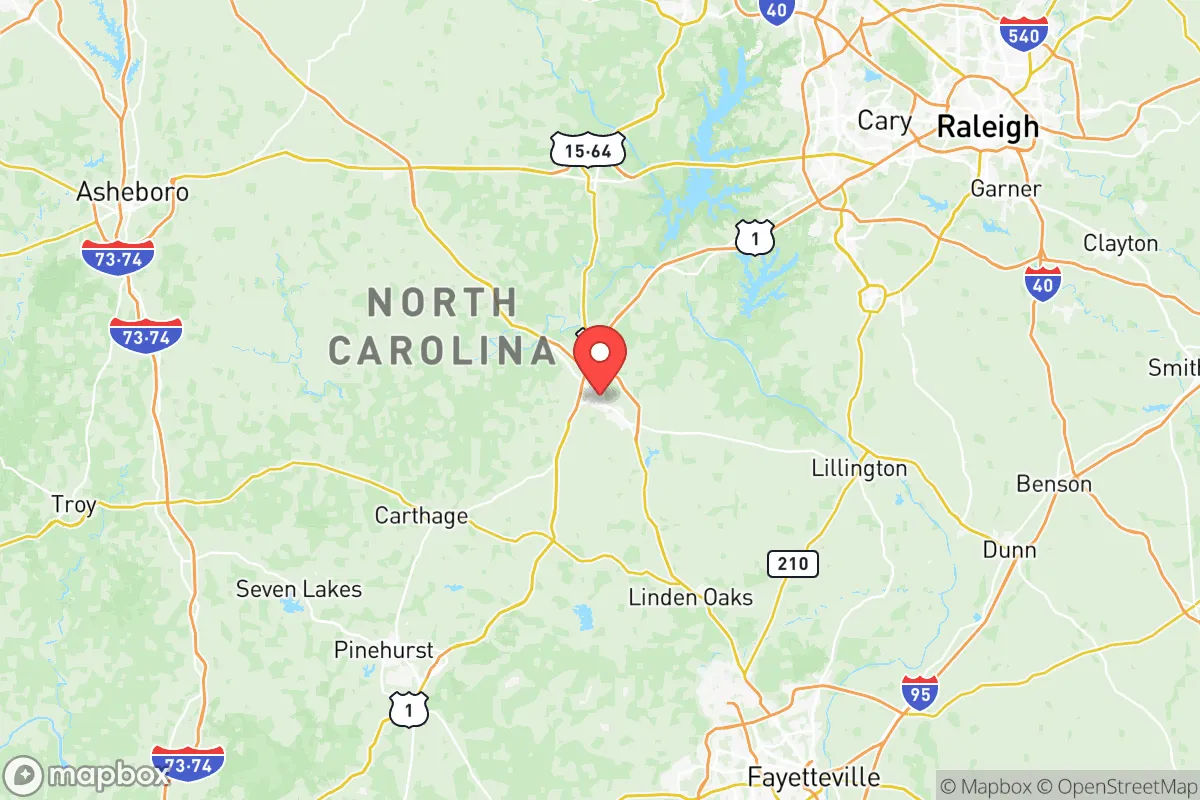
Lee County, North Carolina, offers a compelling strategic position for those prioritizing resilience and self-sufficiency, balancing proximity to major urban centers with a distinctly rural, defensible character. Located in the central Sandhills region, the county sits roughly 40 miles southwest of Raleigh and 60 miles northeast of Fayetteville, placing it within a reasonable commute to employment hubs while remaining insulated from the immediate fallout risks associated with those larger cities. The area’s historical role as a crossroads—anchored by the towns of Sanford, Broadway, and Lemon Springs—has fostered a quiet, independent culture that aligns well with preparedness-minded individuals and families.
Geographic position and natural advantages for long-term resilience
Lee County’s geography is defined by the Sandhills, a region of rolling, sandy terrain that offers distinct advantages for self-reliance. The sandy soil drains quickly, reducing flood risk compared to the coastal plain, and supports longleaf pine forests that provide natural resources for timber, fuel, and wildlife. The county sits atop the deep, productive Upper Cape Fear River Basin, with the Deep River and its tributaries flowing through the area, offering reliable surface water sources for those with well access or riparian rights. The terrain is gently undulating, with few steep slopes, making it practical for small-scale agriculture, livestock grazing, and solar panel installation. The climate is temperate, with hot summers and mild winters, allowing for year-round growing seasons for hardy crops like sweet potatoes, collards, and pecans. The area’s elevation—averaging around 350 feet—provides a modest but meaningful buffer against storm surge from the coast, which is over 100 miles east. For a relocator, this means a lower risk of hurricane-driven flooding than in coastal counties, while still benefiting from ample rainfall (averaging 47 inches annually) for rain catchment systems.
Risks, exposures, and proximity to fallout-relevant landmarks
While Lee County avoids the highest-risk zones, it is not without strategic vulnerabilities. The most significant man-made risk is its proximity to Fort Liberty (formerly Fort Bragg), located about 30 miles south in Fayetteville. As the largest military installation in the U.S. by population, Fort Liberty is a potential target for conventional or asymmetric attacks, and its airfields and training ranges generate regular military air traffic over Lee County. Additionally, the county lies within 50 miles of the Shearon Harris Nuclear Power Plant in neighboring Wake County, a pressurized water reactor that, while well-regulated, represents a plausible fallout risk in a major incident. The plant’s emergency planning zone extends into Lee County’s northern reaches. On the natural hazard side, the area faces occasional tornadoes (rated EF-1 to EF-2 historically) and severe thunderstorms, but the Sandhills terrain reduces the likelihood of catastrophic flooding. Wildfire risk is moderate due to the pine forests, though prescribed burns and firebreaks are common. The county’s primary industrial exposure is the Sanford–Lee County Industrial Park, which hosts manufacturing and logistics facilities—these are not high-value targets but could be secondary concerns in a broader disruption. For a relocator, the key takeaway is that Lee County is not a primary target zone, but its proximity to Fort Liberty and the nuclear plant requires a realistic awareness of evacuation routes and shelter-in-place plans.
Practical resilience for a relocator: food, water, energy, and defensibility
Lee County offers strong practical foundations for a self-sufficient lifestyle. Food production is viable: the county has a long agricultural tradition, with local farms producing poultry, hogs, corn, soybeans, and vegetables. The Sanford Farmers Market operates year-round, and the Lee County Cooperative Extension provides resources for home gardeners and small-scale livestock keepers. The sandy soil is well-suited for root vegetables and drought-tolerant crops, though heavy clay patches require amendment. For water security, the county’s groundwater is generally good quality, with the Deep River and Bear Creek offering surface water options. Many rural properties have existing wells, and new well drilling is straightforward and affordable (typically $3,000–$6,000). Rainwater harvesting is practical given the rainfall patterns. Energy resilience is a mixed picture: the grid is served by Duke Energy, with moderate reliability during storms, but the region has strong solar potential. Net metering policies are favorable, and several local installers serve the area. Wood heating is common in rural homes, with abundant firewood from pine and hardwood forests. For defensibility, the county’s layout is advantageous: the population density is low (about 140 people per square mile), with large tracts of undeveloped forest and farmland. The towns of Sanford (county seat, pop. ~30,000) and Broadway (pop. ~1,200) are small enough to be manageable but large enough to provide essential services like hospitals, hardware stores, and emergency services. The terrain offers natural chokepoints along the Deep River and U.S. Highway 421, which could be monitored or defended in a grid-down scenario. The local culture is independent and self-reliant, with a strong tradition of hunting, fishing, and home canning. The Lee County Sheriff’s Office maintains a visible presence, and the county has a low violent crime rate (roughly 2.5 per 1,000 residents), which supports a sense of security.
The overall strategic picture for Lee County is one of balanced resilience: it offers a genuine rural lifestyle with access to urban resources, without the extreme risks of coastal or metropolitan areas. The county’s location in the Sandhills provides natural advantages in drainage, water availability, and defensible terrain, while its proximity to Fort Liberty and the Shearon Harris plant demands a prepared mindset rather than complacency. For a relocator serious about disaster readiness and self-sufficiency, Lee County represents a solid middle ground—not the most remote or hardened location, but one where practical steps like well water, solar power, and a garden can create meaningful independence. The key is to choose a property away from major highways and industrial zones, ideally with a reliable water source and good southern exposure for solar. With thoughtful preparation, Lee County can serve as a long-term base for a resilient, self-reliant life in the Piedmont region.

* Values derived from national, state, county, city and local statistics and may differ in a specific area. Last updated: 2026-08-19T22:12:20.000Z
Narrative content on this page is AI-generated and may contain mistakes. Verify any details that matter before acting on them.
ReloMaps may earn a commission from affiliate links at no extra cost to you.

