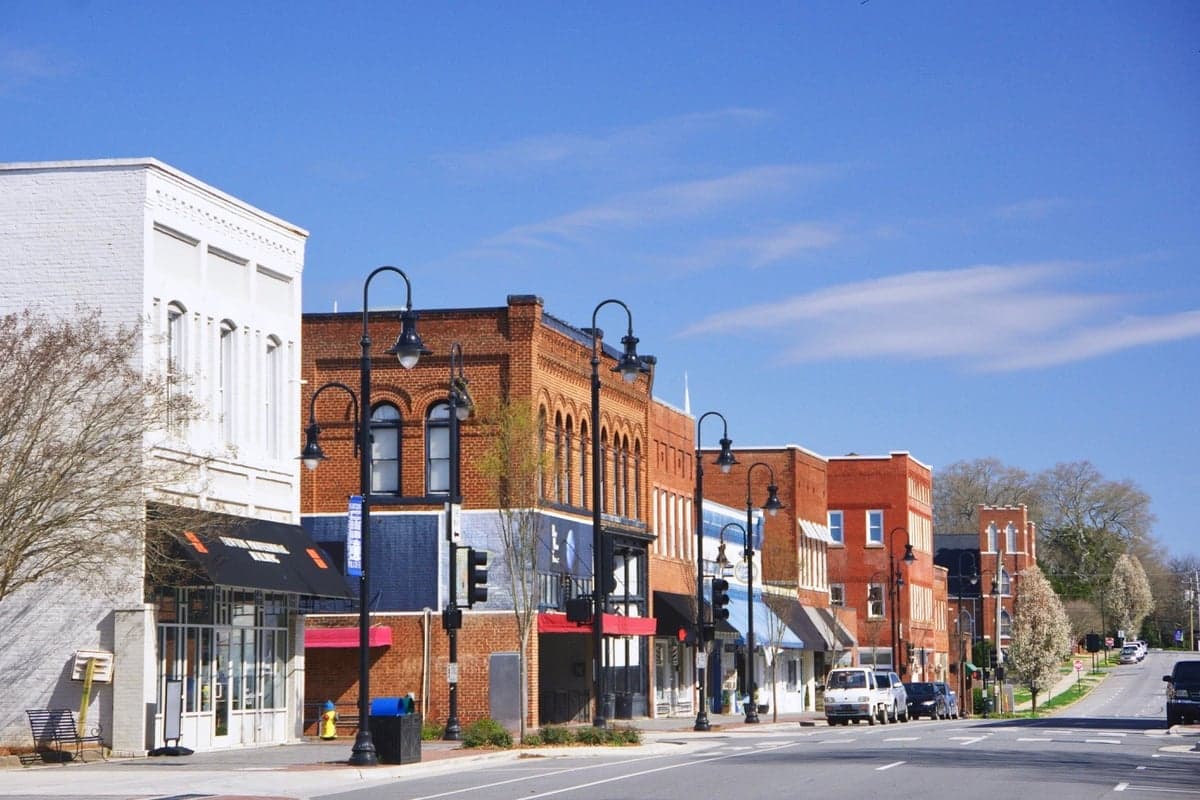
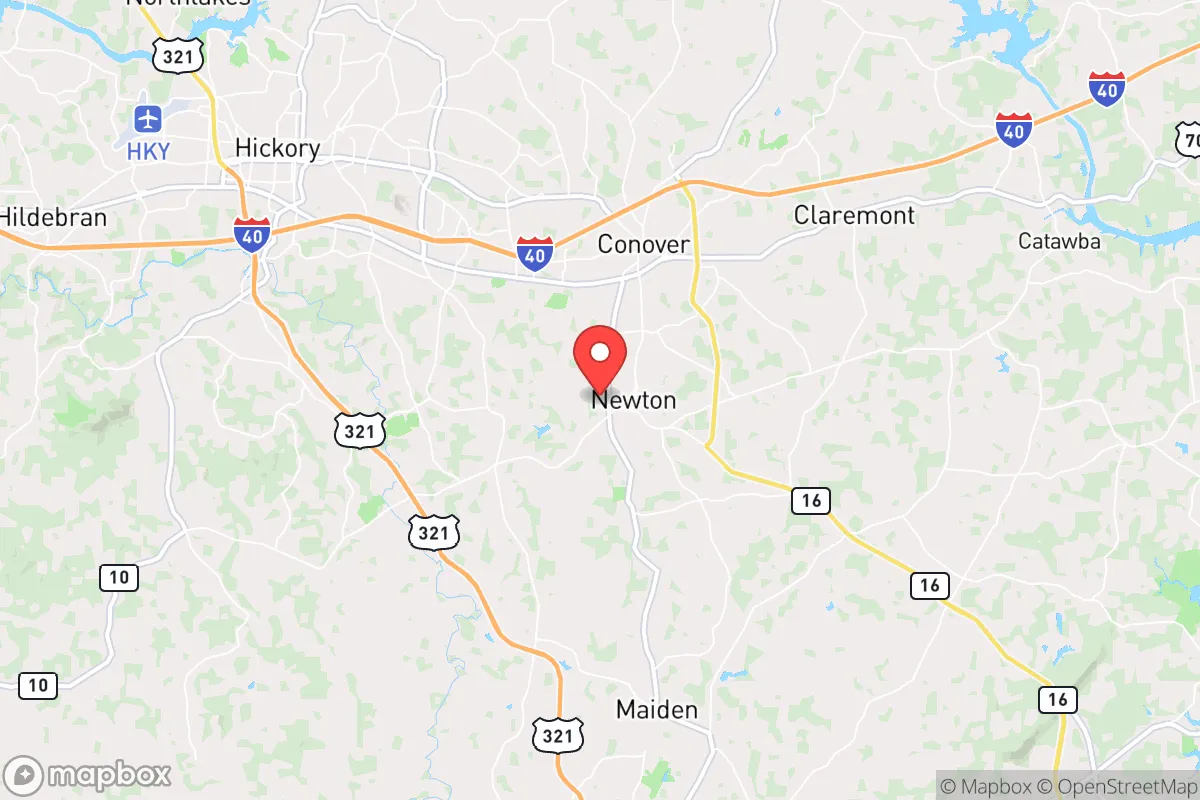
Photo: Wikipedia
Quality of Life in Newton, NC
Above-average quality of iife. The area offers a reasonable cost of living, decent mobility, and a mix of neighborhood amenities.
What does Quality of Life tell us?
Quality of Life blends cost of living, nearby amenities, socioeconomic signals, and neighborhood character. City-level scores represent the whole municipality; individual neighborhoods can differ.
What does this tell us?
Quality of Life blends cost of living, nearby amenities, socioeconomic signals, and neighborhood character. City-level scores represent the whole municipality; individual neighborhoods can differ.
Cost of Living
24% below national average
The Real Cost of Living in Newton, NC for 2026
| Tier | Individual | Family (4) |
|---|---|---|
| Survival | $16k | $30k |
| Comfortable | $33k | $48k |
| Luxury | $84k+ | $131k+ |
| Elite (Top 5%) | $99k+ | $154k+ |
118%
The Area Signal
A metric tracking the socioeconomic signals of the area.
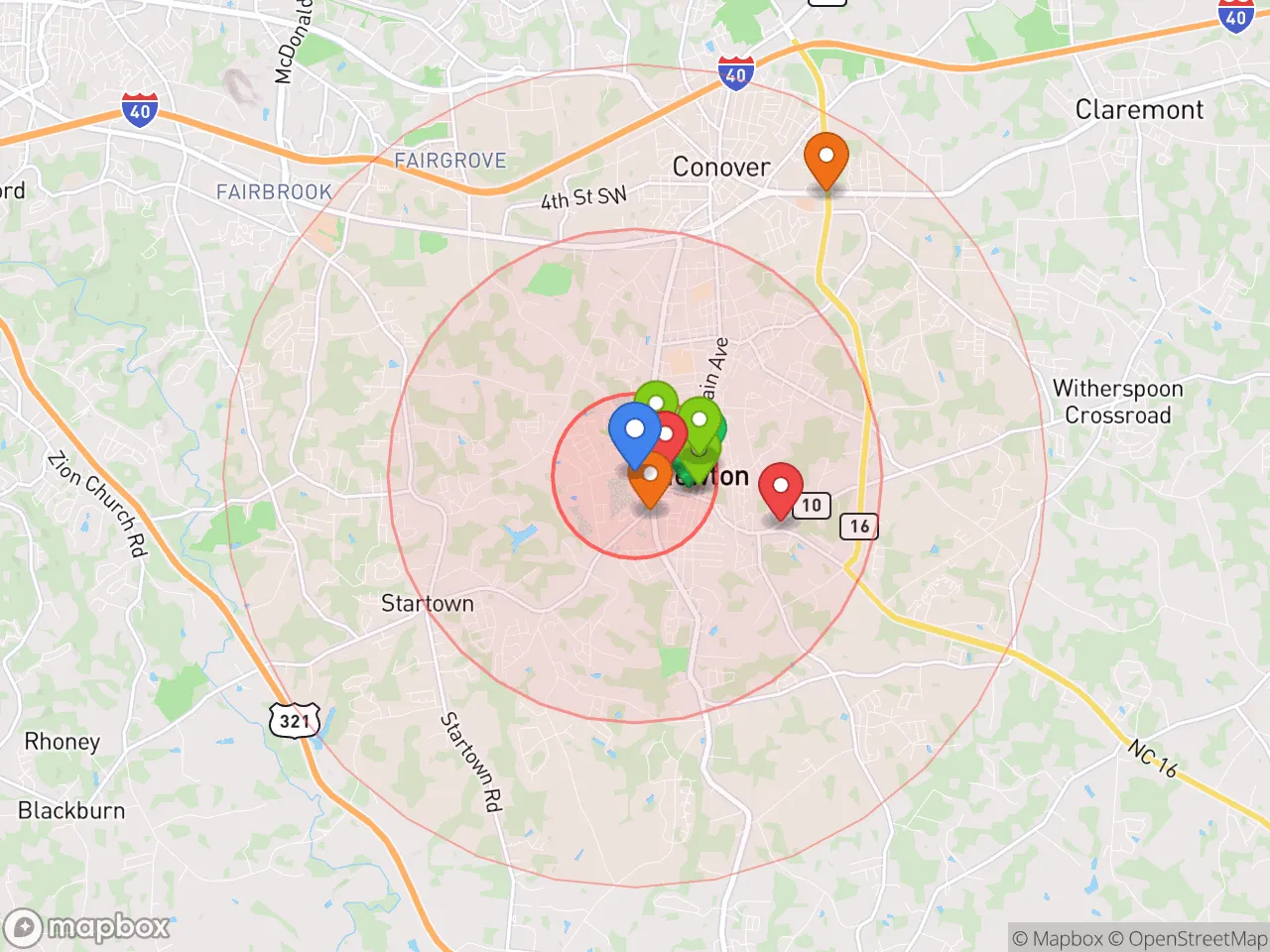
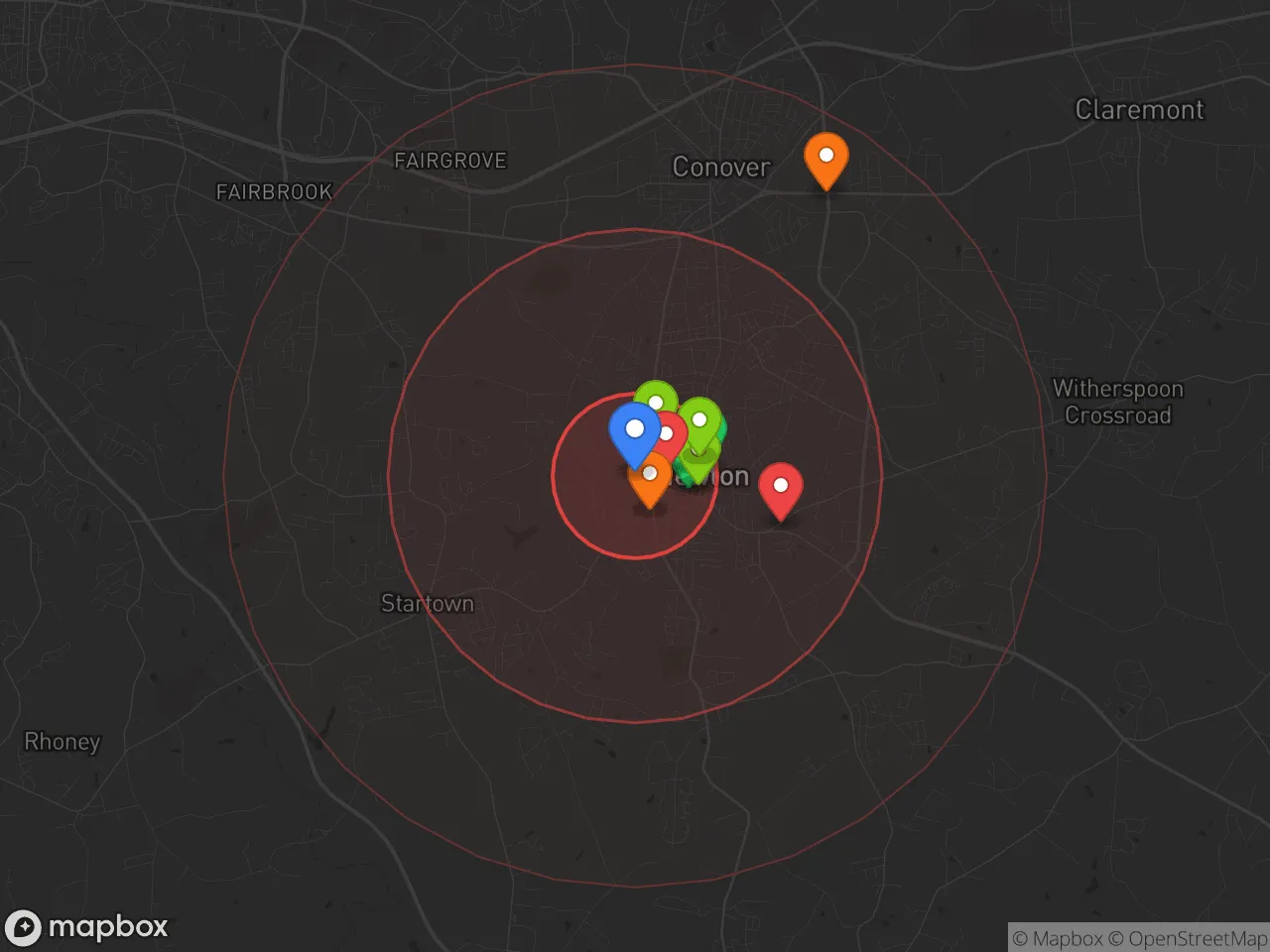
Hobbies
Explore the areaGroceries
7 within 10 miles
Gas
20 within 10 miles
Hospital
5 within 20 miles
Airport
CLT — Charlotte Douglas International
Post Office
USPS — Newton, NC
Critical Amenities
Quality-of-Life Analysis
Newton, North Carolina, offers a quality of life defined by small-town affordability and a slower pace, attracting a mix of families, retirees, and commuters who work in the greater Hickory-Lenoir-Morganton metro or the Charlotte region. With a cost of living index of 76 (24% below the U.S. average), the city provides a notably lower financial barrier to homeownership than many parts of the state. The population is predominantly long-term residents and those seeking a quieter, more budget-conscious lifestyle without sacrificing access to larger urban job markets.
Cost of living, housing affordability, and how Newton compares to nearby areas
Newton’s housing market is a primary draw, with a median home value of $169,300 and a median rent of $1,016—both well below national medians and significantly cheaper than Charlotte (where the median home value exceeds $400,000) and even Hickory (typically 10–15% higher). The average commute of 21.1 minutes is shorter than the national average and reflects the area’s manageable traffic, with many residents working locally in manufacturing, healthcare, or retail. Compared to neighboring towns like Conover or Claremont, Newton offers slightly lower home prices and a similar tax burden, making it a practical choice for first-time buyers or downsizers. Property taxes in Catawba County are moderate, and the overall affordability allows households to allocate more income to savings or discretionary spending.
Local amenities, schools, and the daily rhythm of life in Newton
Daily life in Newton centers on a walkable downtown with independent shops, a historic courthouse square, and community events like the annual NewtonFest. The Catawba County Schools system serves the area, with Newton-Conover High School and Newton-Conover Middle School offering standard academic programs and extracurriculars; for specialized options, families often look to nearby Hickory’s private schools or charter options. Groceries, dining, and basic services are concentrated along NC-10 and US-321, while major retail and healthcare are a 15-minute drive to Hickory (Catawba Valley Medical Center) or a 45-minute drive to Charlotte for specialty care. Outdoor recreation includes access to Lake Norman (30 minutes south) and the Catawba River, plus local parks like Southside Park. The pace is unhurried—most errands are done by early afternoon, and evening social life revolves around local diners, church events, or high school sports.
Newton is best suited for those who prioritize low housing costs, a short commute, and a tight-knit community over urban nightlife or high-end amenities. Retirees on fixed incomes, remote workers seeking a lower cost base, and families who want a safe, affordable environment for raising children will find the most value here. Professionals commuting to Hickory or even Charlotte (a 45–60 minute drive) can enjoy significant housing savings, though the trade-off is fewer local entertainment and dining options. For anyone seeking a quiet, financially sustainable lifestyle in western North Carolina, Newton delivers a practical and pleasant base.

Crime in Newton, NC
Higher crime rates than 58% of comparable U.S. locations.
Violent CrimeViolent Crime Analysis
Property CrimeProperty Crime Analysis
Crime Analysis
Newton, North Carolina, presents a mixed safety profile that demands careful consideration from potential residents. The city's violent crime rate of 438.7 incidents per 100,000 residents and property crime rate of 2,361.5 per 100,000 both exceed national averages, placing it in a higher-risk category than many surrounding communities in Catawba County. These figures indicate that while Newton is not among the most dangerous cities in the state, it faces significant public safety challenges that are compounded by broader regional criminal justice trends.
Crime in context
Newton's violent crime rate of 438.7 per 100,000 is roughly 25% higher than the national average of approximately 380 per 100,000 and notably above the North Carolina state average of about 350 per 100,000. The property crime rate of 2,361.5 per 100,000 similarly exceeds both the national benchmark (around 1,950) and the state average (roughly 2,100). These statistics place Newton in a tier with other small cities in the Charlotte-Concord-Gastonia combined statistical area that struggle with elevated crime rates. The city's proximity to larger metro areas like Hickory and Charlotte means it absorbs some spillover crime from those jurisdictions, while local law enforcement resources remain limited relative to the population served.
What residents experience
For those living in Newton, the elevated crime rates translate into tangible daily concerns. Property crimes—including burglary, larceny-theft, and motor vehicle theft—account for the majority of reported incidents and are the most likely type of crime a resident will encounter. Vehicle break-ins and theft from porches or yards are common complaints in neighborhood forums. Violent crimes, while less frequent, occur at a rate that means a resident has roughly a 1-in-228 chance of being a victim of violent crime each year, compared to about 1-in-270 nationally. The city's location within Catawba County places it under the jurisdiction of local district courts, and like many areas in western North Carolina, the local justice system has faced criticism for what some observers describe as a progressive approach to prosecution and sentencing. Critics argue that lenient plea deals and reduced sentencing for repeat offenders contribute to a revolving-door effect, where individuals arrested for property or drug-related offenses cycle back into the community quickly, undermining deterrence and public confidence in the justice system.
Neighborhood-level variation
Safety conditions in Newton are not uniform across the city. The downtown core and areas along NC-10 and NC-16 corridors tend to report higher concentrations of property crime, particularly near commercial zones and apartment complexes. In contrast, the residential neighborhoods east of downtown, closer to Startown Road, and the newer subdivisions near the city's southern limits generally experience lower crime rates. The city's police department has implemented community policing initiatives and maintains a visible presence in higher-crime areas, but budget constraints limit the number of officers available for proactive patrols. Prospective residents should research specific blocks and consult local crime mapping tools, as a street-level variance of 40-60% in incident rates is common between the safest and least safe parts of Newton.
* Values derived from national, state, county, city and local statistics and may differ in a specific area. Last updated: 2026-09-28T20:36:42.000Z
Narrative content on this page is AI-generated and may contain mistakes. Verify any details that matter before acting on them.
ReloMaps may earn a commission from affiliate links at no extra cost to you.

