Photo: Wikipedia
Find The Best Places To Live
in Newburyport
PRO TIP! You can paste a Zillow or Redfin link to get info on that property.
Compare Newburyport with another place
What It's Like Living in Newburyport, MA
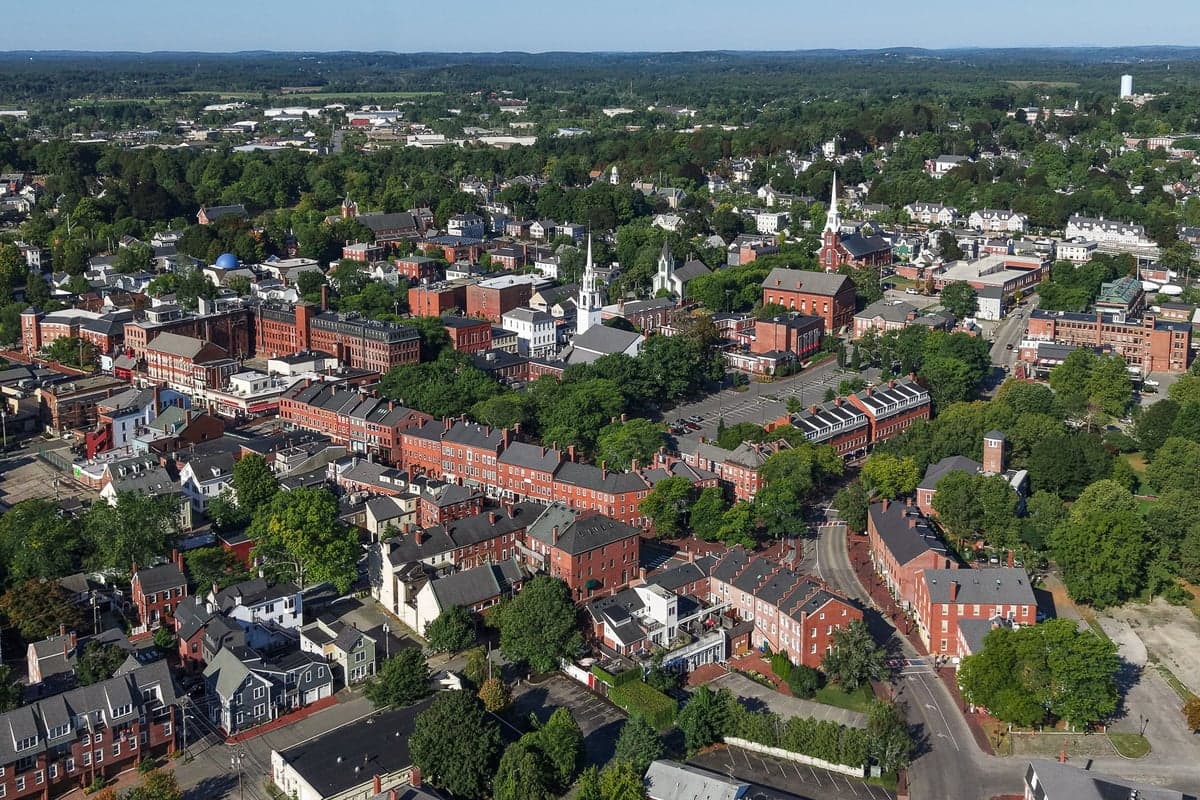
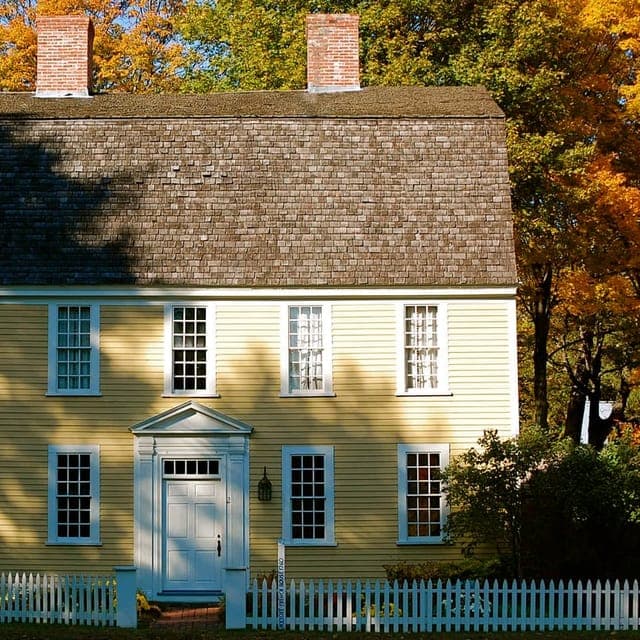
Newburyport feels like a small, historic seaport that got dressed up for a cocktail party and never quite took the costume off. It’s polished, prosperous, and proudly old-fashioned, with brick sidewalks, Federalist architecture, and a working waterfront that smells more like salt air and espresso than fish. The kind of person who fits in here is likely college-educated, established in a career or raising a family, and values walkability, good schools, and a strong sense of local identity — but also doesn’t mind paying a premium for it.
The Daily Rhythm: Walkable Waterfront, Commuter Reality
Most days in Newburyport revolve around the compact downtown. People walk to the Tannery for coffee, grab oysters at The Grog, or browse the indie bookshop, Jabberwocky. The real heartbeat is the waterfront boardwalk along the Merrimack River, where you’ll see joggers, dog-walkers, and parents pushing strollers past the historic Custom House. Saturday mornings mean the farmers’ market at Bartlet Mall, and summer evenings often end with a bench and a view of the sunset over the river. The median age here is 47.3, which skews older than the national average — you see more empty-nesters and professionals than college kids. That said, the public schools (rated among the top in Essex County) are a major draw for families, and the high school sports scene — especially sailing and hockey — is taken seriously. The average commute is about 32 minutes, mostly via I-95 south to Boston or north to the Seacoast. That’s a grind in winter, but the commuter rail station (MBTA Newburyport line) is a lifeline for anyone who can stomach the 1.25-hour ride to North Station.
Sports, Festivals, and the Social Calendar
Newburyport doesn’t have a pro team, but it doesn’t need one. The local identity is built around high school rivalries (Newburyport Clippers football games draw real crowds), the annual Yankee Homecoming festival in late July, and the waterfront’s summer concert series. Yankee Homecoming is the big one — a ten-day block party with a parade, road race, craft fair, and enough fried dough to feed an army. For music, the Firehouse Center for the Arts hosts everything from folk acts to comedy, and the dive-adjacent bar The Grog has been a live-music staple for decades. Outdoor life is a major draw: Plum Island (part of the Parker River National Wildlife Refuge) is a 10-minute drive and offers miles of beach and birding. Kayaking the Merrimack or paddleboarding the Back River is a standard weekend activity. The social scene leans toward the polished end — think wine bars and farm-to-table restaurants (like Brine or Ceia) rather than sports bars. If you’re a Patriots fan, you’ll find plenty of company, but the town’s real passion is for its own local traditions.
Pros and Cons of Living Here
The upsides are real: the walkable downtown, the waterfront access, and the schools. The violent crime rate is 72.4 per 100,000 — well below the national average — and most people feel safe walking alone at night. The median income of $144,259 reflects a community that’s largely professional, and the 65.9% college-educated rate means you’ll find neighbors who can talk about books, travel, and local politics. The downsides are equally real. The cost of living index is 190 — nearly double the U.S. average — and the median home value of $792,400 prices out most young families and single people unless they have significant help or a dual income. Renting is also brutal: a decent one-bedroom downtown runs $2,200+. Traffic on the main drag (Storey Avenue and High Street) is a daily frustration, especially in summer when tourists flood the waterfront. Winters are long and gray — expect snow from December through March, and a lot of indoor time. Parking downtown is a constant headache, and locals have strong opinions about the paid lots.
Who Thrives Here — and Who Might Not
Newburyport works best for people who can afford the premium and value the trade-off: less space, higher cost, but a rich, walkable community with strong civic life. It’s a great fit for empty-nesters downsizing from a suburban house, professionals who commute to Boston a few days a week, and families who prioritize schools and safety over square footage. It’s a tougher sell for young singles on a budget, anyone who needs a big yard or a garage, or people who prefer a more diverse or urban environment. The cultural vibe is white-collar, liberal-leaning but not aggressively so, and deeply attached to tradition — the annual Christmas tree lighting at Market Square is a genuine event, not a photo op. If you’re looking for a place where you can walk to dinner, know your neighbors, and hear the foghorn from the river at night, Newburyport delivers. Just bring a thick wallet and a tolerance for winter parking tickets.

Similar towns to Newburyport

* Values derived from national, state, county, city and local statistics and may differ in a specific area. Last updated: 2026-11-28T00:04:02.000Z
Narrative content on this page is AI-generated and may contain mistakes. Verify any details that matter before acting on them.
ReloMaps may earn a commission from affiliate links at no extra cost to you.

