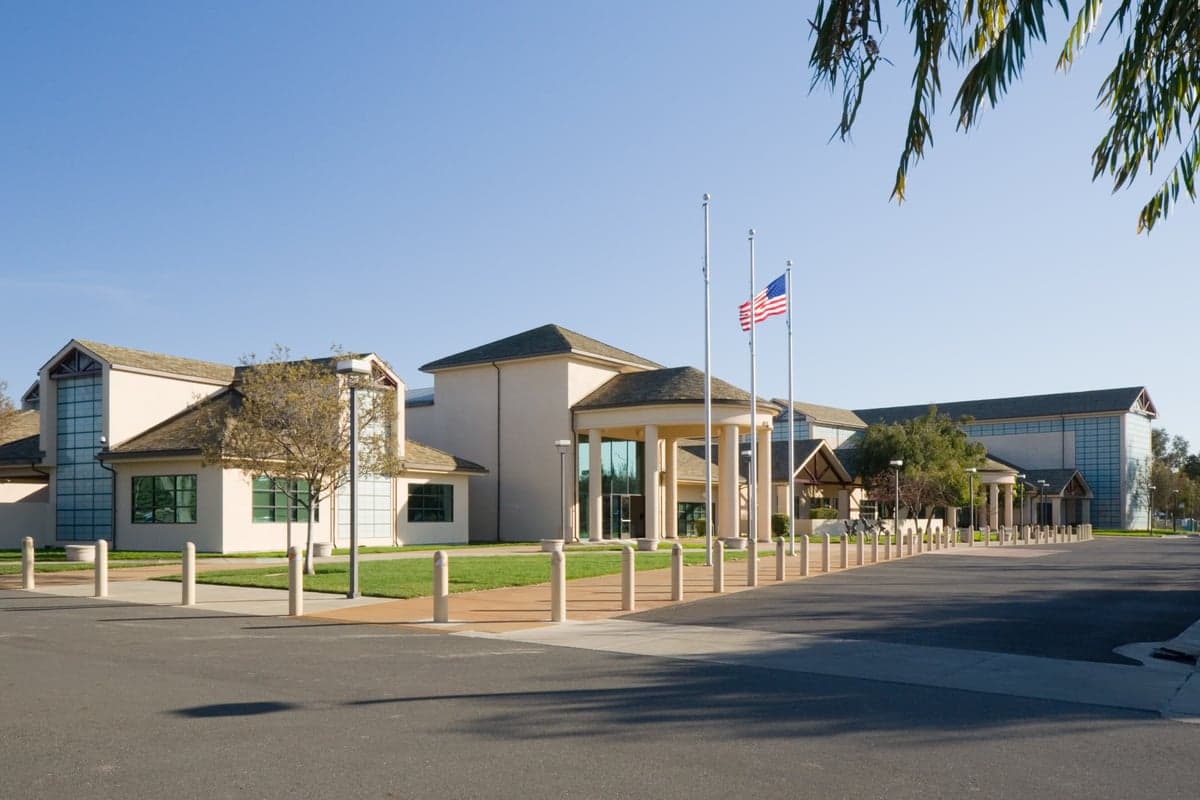
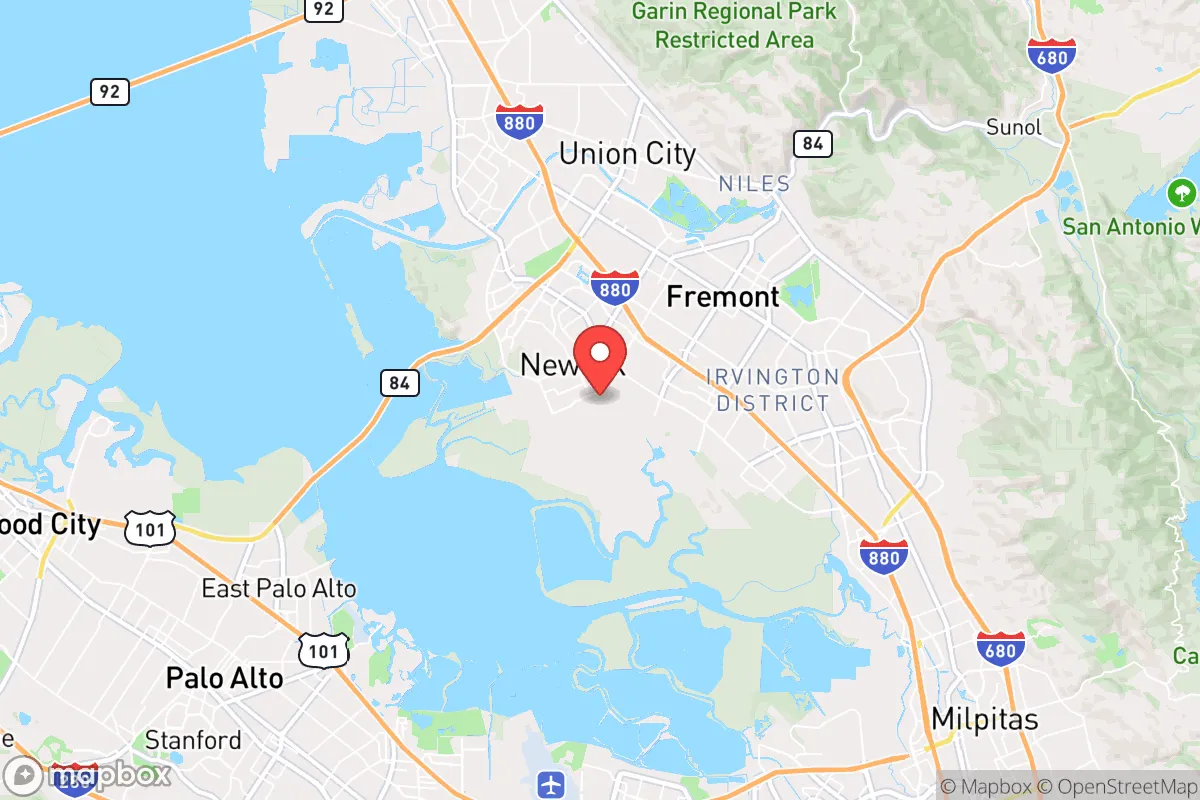
Photo: Wikipedia
Quality of Life in Newark, CA
A high quality of life with strong walkability, manageable living costs, healthy neighborhood signals, and solid amenity access.
What does Quality of Life tell us?
Quality of Life blends cost of living, nearby amenities, socioeconomic signals, and neighborhood character. City-level scores represent the whole municipality; individual neighborhoods can differ.
What does this tell us?
Quality of Life blends cost of living, nearby amenities, socioeconomic signals, and neighborhood character. City-level scores represent the whole municipality; individual neighborhoods can differ.
Cost of Living
196% above national average
The Real Cost of Living in Newark, CA for 2026
| Tier | Individual | Family (4) |
|---|---|---|
| Survival | $44k | $82k |
| Comfortable | $176k | $258k |
| Luxury | $258k+ | $399k+ |
| Elite (Top 5%) | $303k+ | $470k+ |
64%
The Area Signal
A metric tracking the socioeconomic signals of the area.
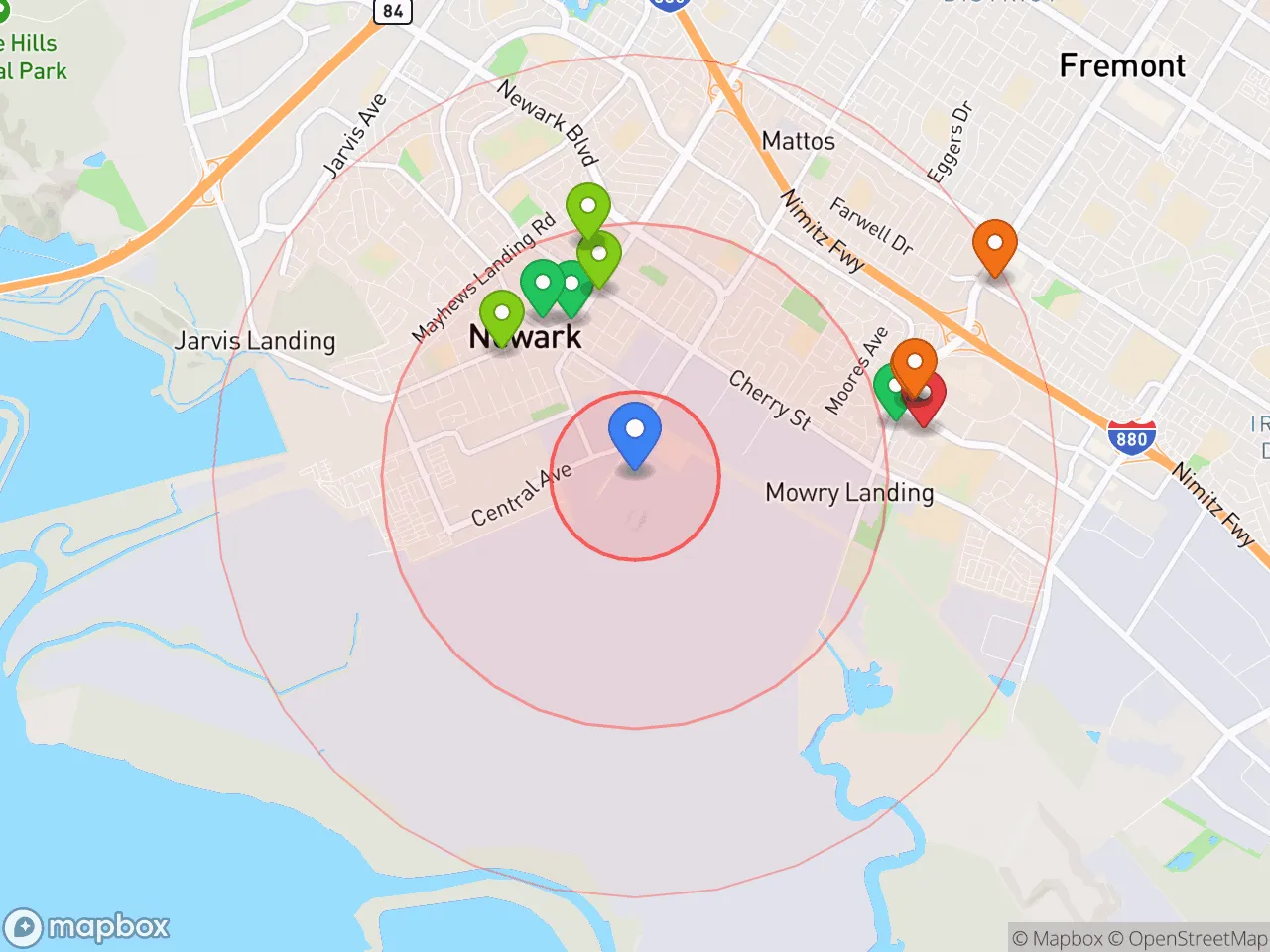
Hobbies
Explore the areaGroceries
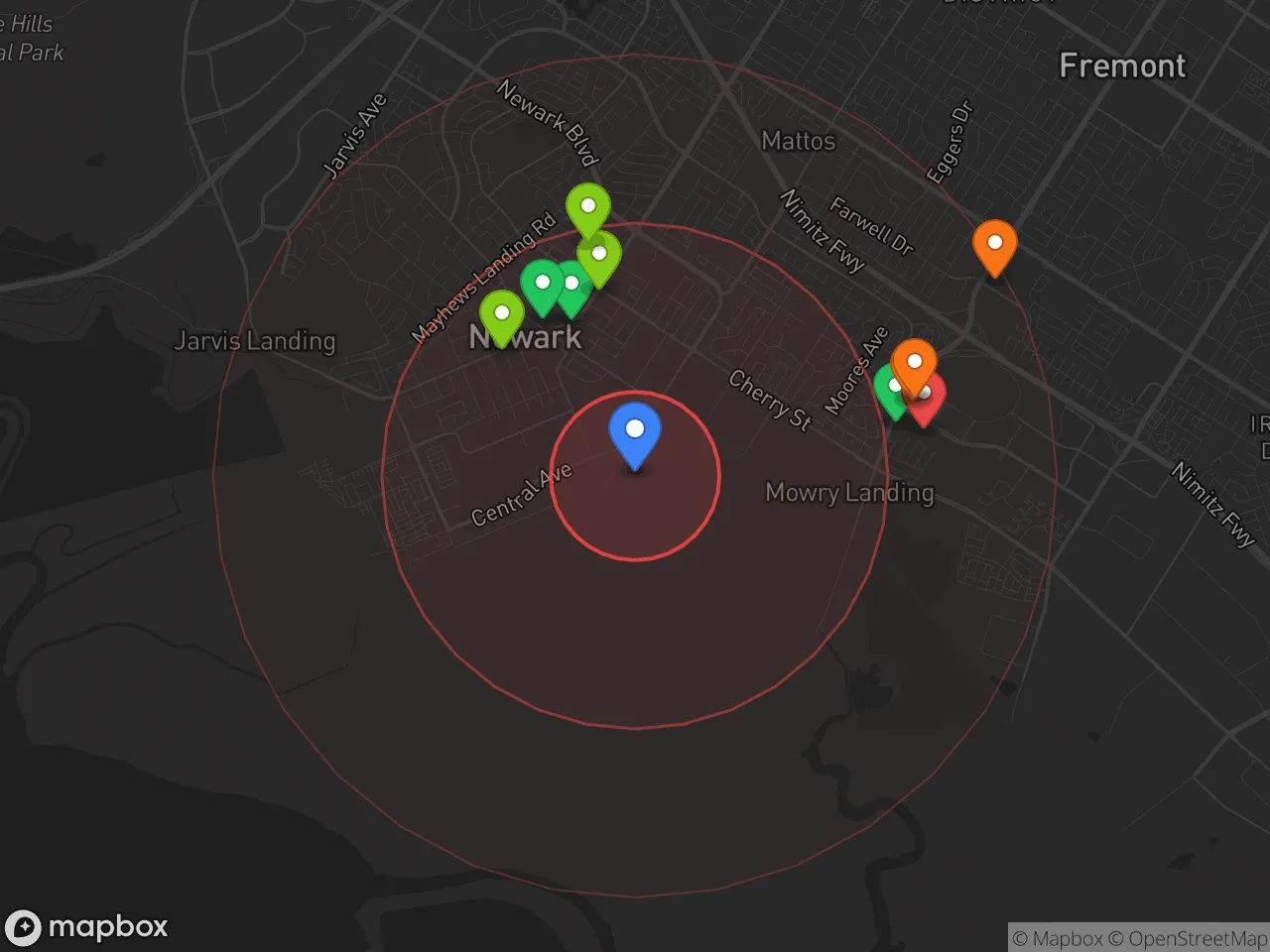
8 within 10 miles
Gas
20 within 10 miles
Hospital
20 within 20 miles
Airport
SAN — San Carlos
Post Office
USPS — Newark, CA
Critical Amenities
Quality-of-Life Analysis
Newark, California, presents a distinctly affluent quality of life shaped by its position in the heart of the Bay Area’s tech corridor. With a cost of living index of 296—nearly three times the national average—the city is home to a population dominated by high-earning professionals, engineers, and families who work at nearby technology campuses in Fremont, San Jose, and Silicon Valley. The community is notably diverse, with a significant Asian American and Hispanic population, and the median household income comfortably exceeds $120,000, reflecting the economic reality that Newark is a place for those who have already secured strong career footing in the region’s competitive job market.
Cost of living, housing affordability, and how Newark compares to Fremont and San Jose
Newark’s housing market is the primary driver of its high cost of living, though it remains a relative bargain compared to its immediate neighbors. The median home value sits at $1,094,200, which is roughly 15-20% lower than comparable homes in nearby Fremont and significantly less than the $1.5 million-plus median in Palo Alto or Cupertino. For renters, the median monthly rent of $2,730 places Newark in a more accessible tier than San Jose’s average of over $3,000, though it still demands a household income well above the national norm to avoid being cost-burdened. The average commute of 30.7 minutes is typical for the region, with most residents driving to jobs in Fremont, Milpitas, or Santa Clara via I-880 or the Dumbarton Bridge. While Newark offers a slightly more attainable entry point into Bay Area homeownership than its neighbors, the overall affordability gap with the rest of the United States remains stark, making it a practical choice only for those with six-figure incomes or dual-earner professional households.
Parks, schools, and the daily rhythm of life in Newark
Daily life in Newark is defined by a quiet, suburban pace that contrasts with the bustle of nearby San Jose. The city is served by the Newark Unified School District, which includes highly rated schools such as Newark Memorial High School and Schilling Elementary, both of which draw families seeking strong academic programs without the premium housing prices of Fremont’s top-tier districts. Outdoor amenities are a central part of the lifestyle, with Coyote Hills Regional Park offering miles of hiking and biking trails with panoramic views of the bay, and the Newark Slough providing a natural escape for birdwatchers and kayakers. The city’s commercial spine along Mowry Avenue and Thornton Avenue features a mix of chain retailers, local restaurants, and ethnic markets—particularly Asian grocery stores—that reflect the community’s cultural diversity. While Newark lacks the nightlife and urban density of Oakland or San Francisco, residents find a comfortable rhythm in weekend trips to the nearby Don Edwards San Francisco Bay National Wildlife Refuge, youth sports leagues, and community events at the Newark Pavilion. The trade-off for this suburban tranquility is a car-dependent layout; most errands and school drop-offs require driving, and public transit options are limited to AC Transit bus lines that connect to Fremont’s BART station.
Newark is best suited for professionals and families who prioritize space, good schools, and a quieter environment over the urban energy of San Francisco or Oakland, and who can comfortably absorb the region’s high housing costs. It appeals strongly to tech workers who want a shorter commute than a move to Tracy or Brentwood would offer, yet still desire a single-family home with a yard. Retirees on fixed incomes may find the cost of living prohibitive, and young singles seeking vibrant nightlife will likely feel underserved. For those who fit the demographic profile—dual-income families, mid-career engineers, and professionals anchored to the South Bay job market—Newark delivers a stable, well-resourced quality of life that balances affordability within the Bay Area’s extreme housing landscape.

Crime in Newark, CA
Crime rates similar to the national median for U.S. locations.
Violent CrimeViolent Crime Analysis
Property CrimeProperty Crime Analysis
Crime Analysis
Newark, California, presents a mixed safety profile for potential residents. While the city’s violent crime rate of 335.2 incidents per 100,000 residents is slightly below the national average, its property crime rate of 3,066.8 per 100,000 is significantly elevated. As a city within the larger San Francisco Bay Area, Newark is subject to the region’s broader public safety challenges, including the effects of progressive criminal justice policies that critics argue prioritize offender rehabilitation over public protection.
Crime in context
Newark’s violent crime rate of 335.2 per 100,000 is roughly 4% lower than the U.S. average of approximately 350 per 100,000, placing it in a moderate range for a suburban community. However, the property crime rate of 3,066.8 per 100,000 is about 60% higher than the national average of roughly 1,900 per 100,000. This disparity is common across the Bay Area, where property crime—particularly vehicle break-ins, package theft, and residential burglary—has risen sharply. The region’s liberal district attorneys and judges have implemented policies such as reduced cash bail, sentence reductions for non-violent offenders, and diversion programs. While intended to reduce incarceration, these measures have been linked to higher recidivism rates and a perception that property crimes carry minimal consequences, emboldening repeat offenders.
What residents experience
For daily life in Newark, the elevated property crime rate is the most tangible concern. Residents report frequent incidents of car burglaries, especially near the NewPark Mall and along the I-880 corridor. Package theft from front porches is common, and some neighborhoods have experienced organized retail theft crews targeting local stores. Violent crime is less frequent but not absent; incidents are often concentrated in specific areas and can involve gang-related activity or domestic disputes. The city’s police department has responded with increased patrols and community outreach, but staffing levels have not kept pace with population growth. Many residents supplement police efforts with private security systems, neighborhood watch groups, and even personal firearms for home defense.
Neighborhood-level safety varies noticeably within Newark. The area south of Thornton Avenue and west of Cedar Boulevard tends to have lower crime rates, with quieter streets and fewer reported incidents. In contrast, the neighborhoods near the Dumbarton Bridge approach and the industrial zones along Central Avenue see higher rates of property crime and occasional violent offenses. Apartment complexes near major transit routes are particularly vulnerable to car break-ins and theft. Prospective residents should research specific blocks and talk to local homeowners’ associations, as conditions can shift within a few blocks. Overall, while Newark is not among the most dangerous Bay Area cities, the combination of high property crime and lenient regional justice policies means that vigilance and proactive security measures are essential for anyone considering a move here.
* Values derived from national, state, county, city and local statistics and may differ in a specific area. Last updated: 2026-09-26T17:40:15.000Z
Narrative content on this page is AI-generated and may contain mistakes. Verify any details that matter before acting on them.
ReloMaps may earn a commission from affiliate links at no extra cost to you.

