Photo: Wikipedia
Quality of Life in Ulster County
A livable area that tracks near national norms for affordability, walkability, and neighborhood health.
What does Quality of Life tell us?
Quality of Life measures an area by evaluating factors like cost of living, nearby amenities, country club access, airport proximity, socioeconomic signals and neighborhood character. For large states, this is a general average — quality of life can vary dramatically between metro areas, suburbs, and rural communities within the same state.
What does this tell us?
Quality of Life measures an area by evaluating factors like cost of living, nearby amenities, country club access, airport proximity, socioeconomic signals and neighborhood character. For large states, this is a general average — quality of life can vary dramatically between metro areas, suburbs, and rural communities within the same state.
Cost of Living
14% above national average
91%
The Real Cost of Living in Ulster County for 2026
| Tier | Individual | Family (4) |
|---|---|---|
| Survival | $21k | $40k |
| Comfortable | $61k | $90k |
| Luxury | $148k+ | $229k+ |
| Elite (Top 5%) | $185k+ | $286k+ |
Quality-of-Life Analysis
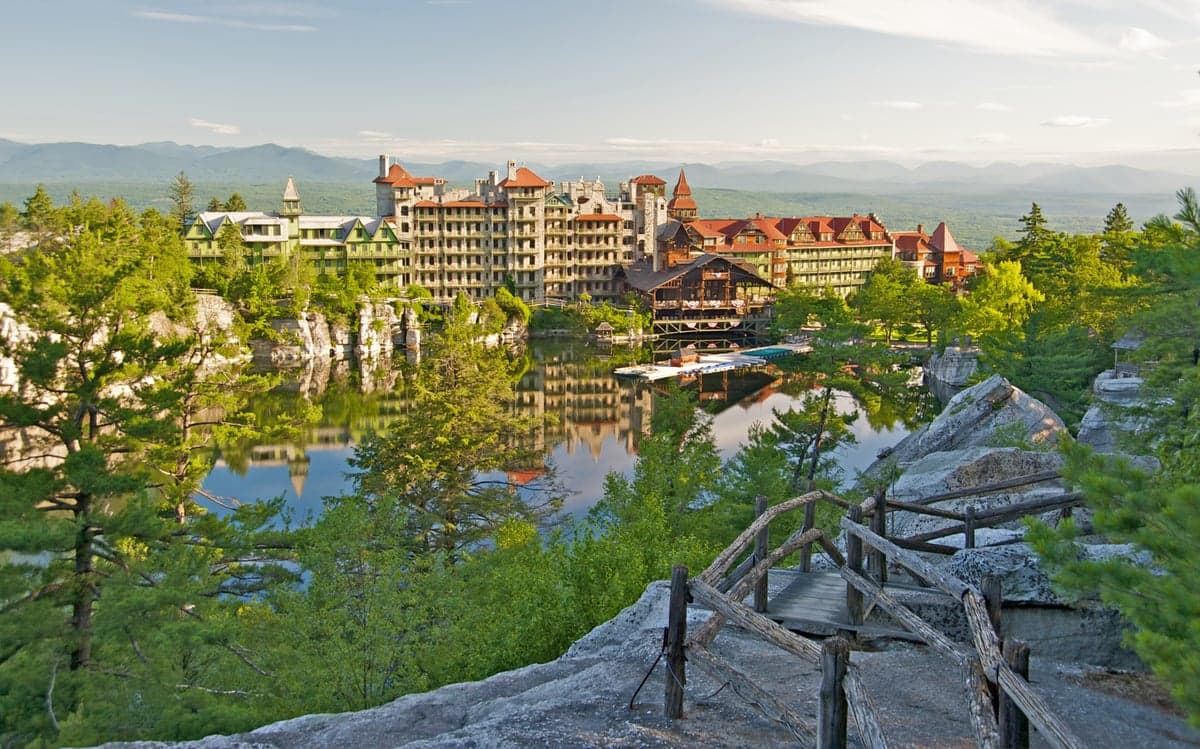
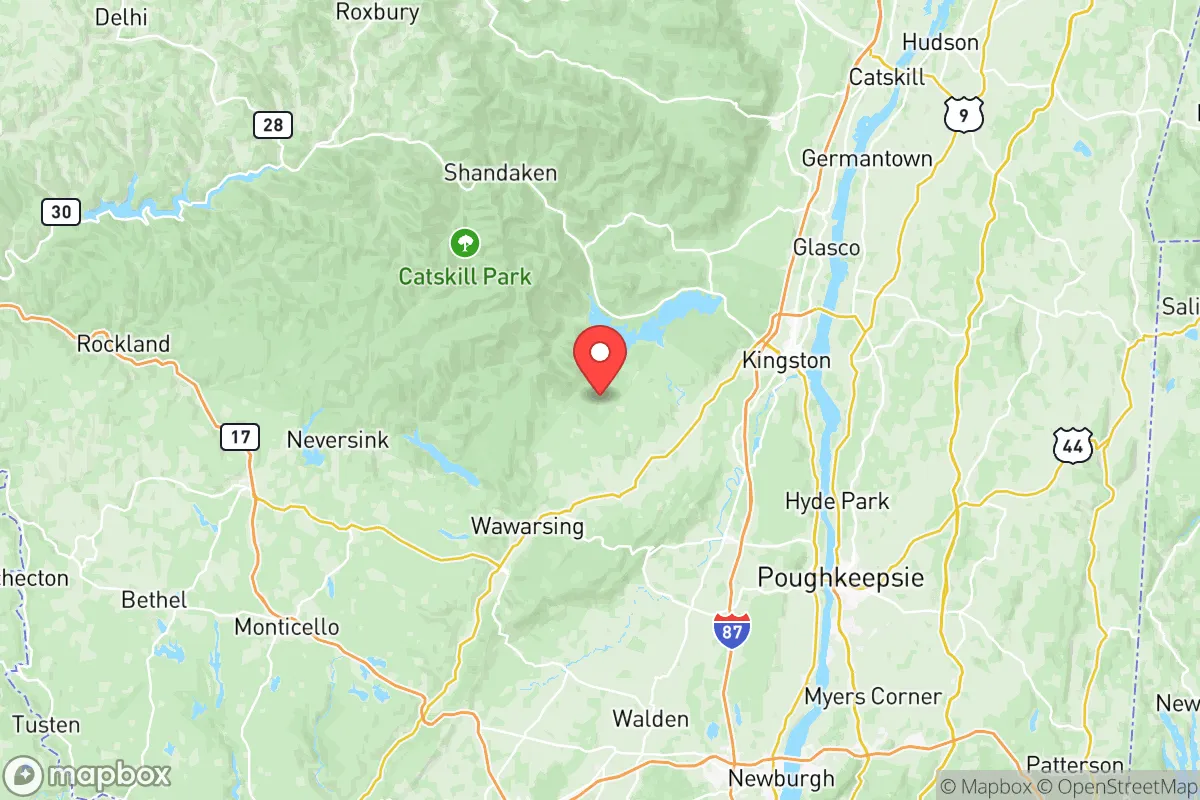
Ulster County offers a broad quality-of-life spectrum that ranges from the walkable, culturally rich city of Kingston to the remote, forested hamlets of the Shawangunk Ridge and the Catskill Park. This diversity attracts distinct groups: young professionals and creatives gravitate toward the county's historic urban centers, while families and retirees often seek the quieter, more affordable villages and rural pockets. The county's character is defined by this contrast, where a thriving arts scene and farm-to-table dining coexist with working farms, state forests, and centuries-old mountain communities.
Largest town(s) & population centers
Kingston, the county seat and largest city (population ~24,000), is the primary population center. Daily life here centers on the historic Stockade District's independent shops and restaurants, the waterfront Rondout neighborhood, and a growing tech and creative-services sector. New Paltz (population ~7,000) is the other major hub, anchored by SUNY New Paltz and a lively Main Street lined with cafes, bookstores, and outdoor gear shops. Both cities offer walkable downtowns, regular farmers' markets, and a calendar of festivals and gallery openings. Commuting patterns differ: Kingston residents average a 27.8-minute commute, often heading to Albany or Poughkeepsie, while New Paltz sees a mix of local workers and those commuting south to the Hudson Valley's larger employment centers.
Smaller towns & rural pockets
Outside the population centers, Ulster County contains dozens of distinct smaller communities. Woodstock remains a cultural touchstone, with its performing arts venues and galleries drawing visitors year-round, but its permanent population is under 6,000. Saugerties offers a compact village with a working waterfront and a growing food scene, while Rosendale is known for its natural cement industry history and the popular Rail Trail. Deeper into the Catskills, hamlets like Boiceville, Shokan, and Big Indian are tiny unincorporated settlements where residents live among state park land and working farms. These rural pockets offer a slower pace, limited commercial services, and direct access to hiking, fishing, and hunting on the 350,000+ acres of Catskill Park that lie within the county's borders.
Cost & lifestyle range
The cost of living varies significantly across Ulster County. The overall county cost-of-living index is 114 (14% above the U.S. average), but this masks a wide spread. At the higher end, Woodstock and prime areas of New Paltz command median home values well above the county's $315,100 median, often exceeding $450,000 for a single-family home. Rents in these desirable villages also run higher than the county median of $1,335. At the more affordable end, communities like Ellenville in the southern part of the county and rural stretches near Phoenicia and Mount Tremper offer homes for under $250,000 and rents closer to $1,000. Lifestyle follows the same gradient: Kingston and New Paltz residents have walkable access to restaurants, theaters, and public transit, while those in the rural hamlets rely on cars for every errand but gain privacy, acreage, and immediate proximity to the region's natural assets.
Ulster County is best suited for people who value a blend of cultural vibrancy and outdoor recreation and who can navigate a trade-off between convenience and space. Those who thrive here are typically comfortable with a commute of 25-35 minutes to reach work or major services, appreciate a strong local food and arts scene, and want the option to live in a dense historic village or a secluded mountain hollow. The county's range means that a single household can choose between a Kingston rowhouse with a 10-minute walk to a brewery and a Boiceville cabin with a 10-minute walk to the Esopus Creek — both within the same county, but offering fundamentally different daily lives.

Crime in Ulster County
Crime rates similar to the national median for U.S. locations.
Violent CrimeViolent Crime Analysis
Property CrimeProperty Crime Analysis
Crime Analysis
Ulster County presents a mixed safety picture that varies sharply depending on where you live. The county’s overall violent crime rate of 362.1 per 100,000 residents sits slightly above the national average, while its property crime rate of 1,536.7 per 100,000 is notably lower than both the New York State and national benchmarks. However, these county-wide averages mask significant disparities between the urbanized core around Kingston and the more rural, lower-crime towns to the north and west.
Crime in context
Compared to New York State as a whole, Ulster County’s violent crime rate is roughly on par with the state average, but the nature of the comparison is important. New York City’s massive population pulls the state average down, meaning many upstate counties actually report higher violent crime rates than the state figure suggests. Ulster’s property crime rate, however, is a clear bright spot — it is well below the national average of roughly 1,950 per 100,000. The most common property crimes are larceny and vehicle break-ins, concentrated in commercial corridors and commuter parking lots. The county’s District Attorney’s office has faced criticism in recent years for a progressive approach to prosecution, including diversion programs and reduced sentencing for repeat property offenders, which some residents and local business owners argue has contributed to a sense of impunity among habitual thieves in the Kingston area.
What residents experience
Daily life in Ulster County feels safe for most residents, but the experience is not uniform. Kingston, the county seat and largest city, accounts for a disproportionate share of reported crime. The city’s Midtown and Ponckhockie neighborhoods see the bulk of violent incidents, including aggravated assaults and occasional shootings, while the Uptown and Stockade District areas are generally quieter and more tourist-oriented. New Paltz, home to SUNY New Paltz, experiences elevated property crime — particularly bicycle theft and vehicle break-ins — but violent crime remains low. The towns of Woodstock, Saugerties, and Hurley consistently report the lowest crime rates in the county, with many violent crimes being domestic in nature rather than random. Residents in these communities often leave doors unlocked and feel comfortable walking at night, a stark contrast to the vigilance required in parts of Kingston. The progressive judicial philosophy in Ulster County, including the use of bail reform and pre-trial release for non-violent offenders, has been a point of contention; critics argue it has led to a revolving door for property criminals who cycle through the system without meaningful consequences, eroding public confidence in the justice system.
Neighborhood-level variation
The difference in safety between Ulster County’s communities is dramatic. Kingston’s violent crime rate is roughly three times the county average, while towns like Rosendale and Marbletown report rates near zero for violent offenses. Property crime follows a similar pattern: Kingston and New Paltz see the highest rates, while rural hamlets such as Stone Ridge and West Hurley experience very little. For prospective residents, the choice is often between the walkable, amenity-rich but higher-crime city centers and the quieter, safer but car-dependent countryside. The county’s progressive criminal justice policies, while well-intentioned, have created a two-tier system of safety where those in affluent, low-crime towns bear little of the consequence, while urban residents and small business owners in Kingston and New Paltz deal with the practical effects of reduced enforcement and accountability.
* Values derived from national, state, county, city and local statistics and may differ in a specific area. Last updated: 2026-06-18T14:14:35.000Z
Narrative content on this page is AI-generated and may contain mistakes. Verify any details that matter before acting on them.
ReloMaps may earn a commission from affiliate links at no extra cost to you.

