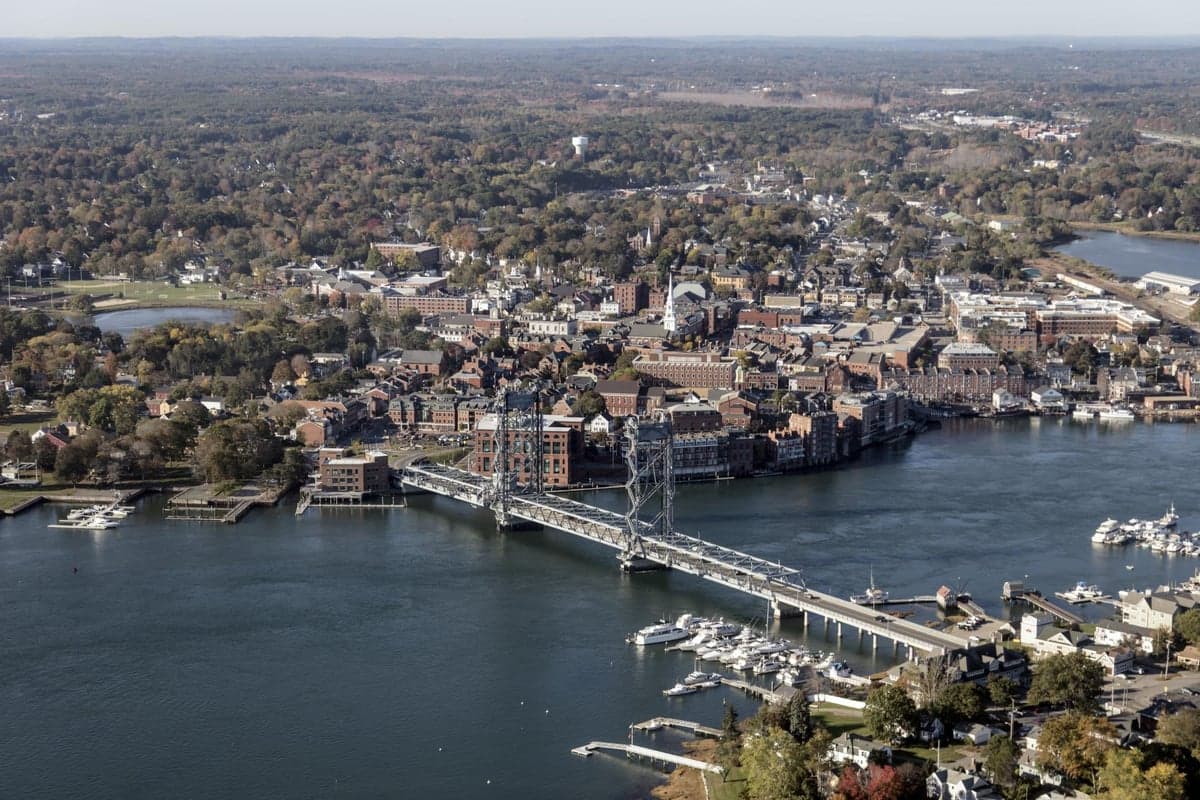
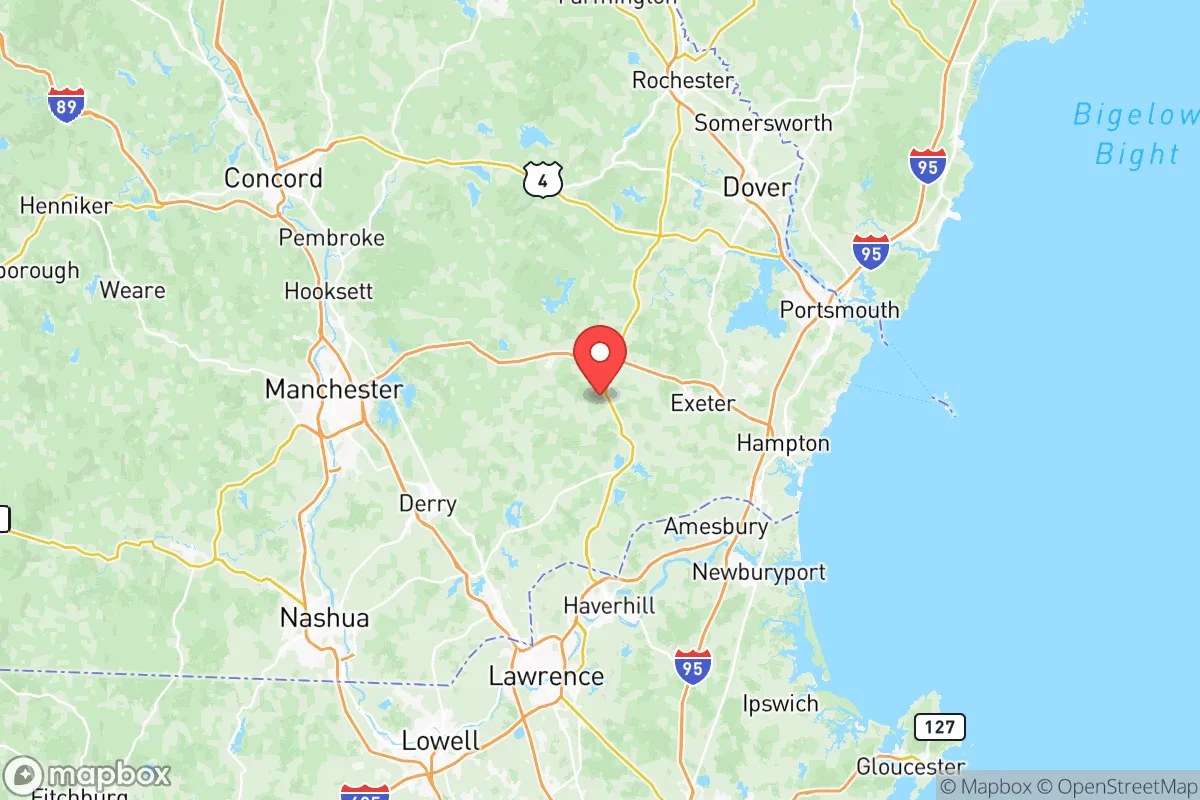
Photo: Wikipedia
Quality of Life in Rockingham County
A livable area that tracks near national norms for affordability, walkability, and neighborhood health.
What does Quality of Life tell us?
Quality of Life measures an area by evaluating factors like cost of living, nearby amenities, country club access, airport proximity, socioeconomic signals and neighborhood character. For large states, this is a general average — quality of life can vary dramatically between metro areas, suburbs, and rural communities within the same state.
What does this tell us?
Quality of Life measures an area by evaluating factors like cost of living, nearby amenities, country club access, airport proximity, socioeconomic signals and neighborhood character. For large states, this is a general average — quality of life can vary dramatically between metro areas, suburbs, and rural communities within the same state.
Cost of Living
49% above national average
86%
The Real Cost of Living in Rockingham County for 2026
| Tier | Individual | Family (4) |
|---|---|---|
| Survival | $26k | $49k |
| Comfortable | $90k | $132k |
| Luxury | $188k+ | $291k+ |
| Elite (Top 5%) | $221k+ | $342k+ |
Quality-of-Life Analysis
Rockingham County, New Hampshire, offers a broad quality-of-life spectrum that ranges from dense, amenity-rich population centers to quiet, deeply rural towns, making it one of the most diverse counties in the state. The county’s character shifts noticeably as you move from the coastal and commuter-heavy southeast, anchored by Salem and Derry, to the more agricultural and forested interior and north, where towns like Deerfield and Nottingham retain a distinctly rural feel. This mix attracts a correspondingly wide range of residents: Boston commuters seeking suburban convenience, families drawn to top-rated school districts, and those looking for land and privacy within an hour of the coast.
Largest town(s) & population centers
The county’s largest population centers are Salem, Derry, and Londonderry, each functioning as a hub for retail, employment, and commuter access. Salem, with a population exceeding 30,000, is the commercial heart of the county, anchored by the Mall at Rockingham Park and a dense corridor of big-box retail along Route 28. Daily life here is car-dependent but highly convenient, with a wide array of dining, shopping, and entertainment options. Derry, the county’s second-largest town, offers a more traditional New England town center with a historic village, the Derry Opera House, and a strong sense of community, though it also has substantial suburban development. Londonderry combines excellent public schools with direct access to Interstate 93, making it a prime choice for professionals commuting to Manchester or Boston. The average commute across the county is 29 minutes, but residents in these southern towns often face longer drives, especially during peak hours, given their proximity to the Massachusetts border.
Smaller towns & rural pockets
Moving north and east from the population centers, the landscape opens into smaller towns and genuine rural pockets. Deerfield, with fewer than 5,000 residents, is largely forested and agricultural, offering large lots, dirt roads, and a quiet, land-based lifestyle. Nottingham is similarly rural, centered around Pawtuckaway Lake and the Pawtuckaway State Park, drawing residents who prioritize outdoor recreation and privacy over commercial amenities. Brentwood and Fremont sit in a transitional zone—still rural in character but increasingly developed with new subdivisions, offering a middle ground between seclusion and access to Exeter or Portsmouth. Northwood, along Route 4, is a classic small town with a handful of local businesses and a strong seasonal lake community. These areas lack the retail density of Salem or Derry, but they provide the space and quiet that many relocating families and remote workers seek.
Cost & lifestyle range
The cost of living and available amenities vary dramatically across Rockingham County, reflecting its internal diversity. The county-wide cost of living index is 149 (100 is the U.S. average), but this figure masks a wide spread. At the high end, towns like Exeter and Portsmouth (the latter technically a city but often grouped with the county) command premium prices, with median home values well above the county’s $461,400 median. Exeter offers a walkable historic downtown, a highly regarded school system, and a strong sense of place, but a typical single-family home there often exceeds $600,000. At the lower end of the cost spectrum, towns like Epping and Raymond offer more affordable housing stock, with median home values closer to $400,000, though they have fewer built-in amenities and longer drives to shopping and employment centers. Median rent across the county is $1,619, but rents in Portsmouth and Exeter can push $2,000 or more for a two-bedroom apartment. The lifestyle trade-off is clear: higher-cost towns offer walkability, historic character, and top-tier schools, while lower-cost areas provide more land and lower taxes but require a car for nearly every errand.
Rockingham County is best suited for those who value choice and are willing to make trade-offs between convenience, cost, and space. Commuters to Boston or the Seacoast will find the southern towns most practical, while remote workers and families seeking a slower pace will gravitate toward the rural interior. The county’s strength lies in its ability to offer a genuine small-town or suburban experience within striking distance of major employment centers, but the price of entry—whether in time or money—is significant.

Crime in Rockingham County
Lower crime rates than 82% of comparable U.S. locations.
Violent CrimeViolent Crime Analysis
Property CrimeProperty Crime Analysis
Crime Analysis
Rockingham County, New Hampshire, presents a mixed safety profile: its violent crime rate of 118.4 per 100,000 residents is notably lower than the national average, but its property crime rate of 825.7 per 100,000 sits close to the national figure. The county’s proximity to the Boston metro area and its mix of suburban towns, small cities, and rural communities create significant variation in day-to-day safety. Residents in towns like Exeter and Derry generally report feeling secure, while concerns about property crime and regional justice policies are more pronounced in areas closer to the Massachusetts border.
Crime in context
Rockingham County’s violent crime rate of 118.4 per 100,000 is roughly 60% lower than the U.S. average of 380 per 100,000, placing it among the safer counties in New England. Property crime, however, stands at 825.7 per 100,000, which is only about 15% below the national rate of 1,954 per 100,000. This gap means that while residents are unlikely to experience violent offenses, theft, burglary, and vehicle break-ins are more common. For comparison, neighboring Hillsborough County (home to Manchester and Nashua) reports a violent crime rate near 200 per 100,000, making Rockingham the safer of the two. The county’s low violent crime is partly due to its suburban and exurban character, with many towns like Salem and Londonderry having their own well-funded police departments that keep response times short.
What residents experience
Property crime is the primary safety concern for most Rockingham County households. Larceny-theft accounts for the majority of incidents, often targeting unlocked vehicles and packages left on porches in denser areas like Portsmouth and Seabrook. Burglary rates are moderate but tend to spike in towns along the I-95 corridor, where transient populations and easy highway access make quick getaways possible. Violent crime is rare but not absent: Derry and Raymond have seen isolated incidents of assault and domestic violence, though these are typically not random. The county’s district attorney, Thomas Velardi (Rockingham County Attorney), operates under New Hampshire’s relatively tough sentencing guidelines, but the influence of progressive policies from the broader Portsmouth area—where a more liberal city council and judiciary have pushed for diversion programs and reduced bail—raises concerns among residents. Critics argue that such leniency, while well-intentioned, can lead to repeat property offenders cycling back onto the streets, undermining the sense of security in communities like Hampton and Newmarket.
Neighborhood-level variation
Safety in Rockingham County varies sharply by town and even by neighborhood. Exeter and Windham consistently report the lowest crime rates, with violent crime nearly nonexistent and property crime well below the county average. These affluent, family-oriented towns benefit from strong community policing and low population density. In contrast, Portsmouth—the county’s largest city—has a property crime rate roughly 30% higher than the county average, driven by its downtown entertainment district and tourist traffic. Salem, a retail hub near the Massachusetts line, sees elevated theft and shoplifting rates, while Seabrook and Hampton Beach experience seasonal spikes in disorder and minor theft during summer months. For those prioritizing safety, the inland towns of Chester and Fremont offer the quietest environments, though they lack the amenities of coastal communities. Overall, Rockingham County remains a safe place to live, but residents should remain vigilant about property crime and stay informed about local judicial trends that may affect recidivism.
* Values derived from national, state, county, city and local statistics and may differ in a specific area. Last updated: 2026-06-15T10:25:38.000Z
Narrative content on this page is AI-generated and may contain mistakes. Verify any details that matter before acting on them.
ReloMaps may earn a commission from affiliate links at no extra cost to you.

