Photo: Wikipedia
Quality of Life in Belknap County
A livable area that tracks near national norms for affordability, walkability, and neighborhood health.
What does Quality of Life tell us?
Quality of Life measures an area by evaluating factors like cost of living, nearby amenities, country club access, airport proximity, socioeconomic signals and neighborhood character. For large states, this is a general average — quality of life can vary dramatically between metro areas, suburbs, and rural communities within the same state.
What does this tell us?
Quality of Life measures an area by evaluating factors like cost of living, nearby amenities, country club access, airport proximity, socioeconomic signals and neighborhood character. For large states, this is a general average — quality of life can vary dramatically between metro areas, suburbs, and rural communities within the same state.
Cost of Living
9% above national average
91%
The Real Cost of Living in Belknap County for 2026
| Tier | Individual | Family (4) |
|---|---|---|
| Survival | $19k | $36k |
| Comfortable | $66k | $97k |
| Luxury | $148k+ | $229k+ |
| Elite (Top 5%) | $174k+ | $269k+ |
Quality-of-Life Analysis
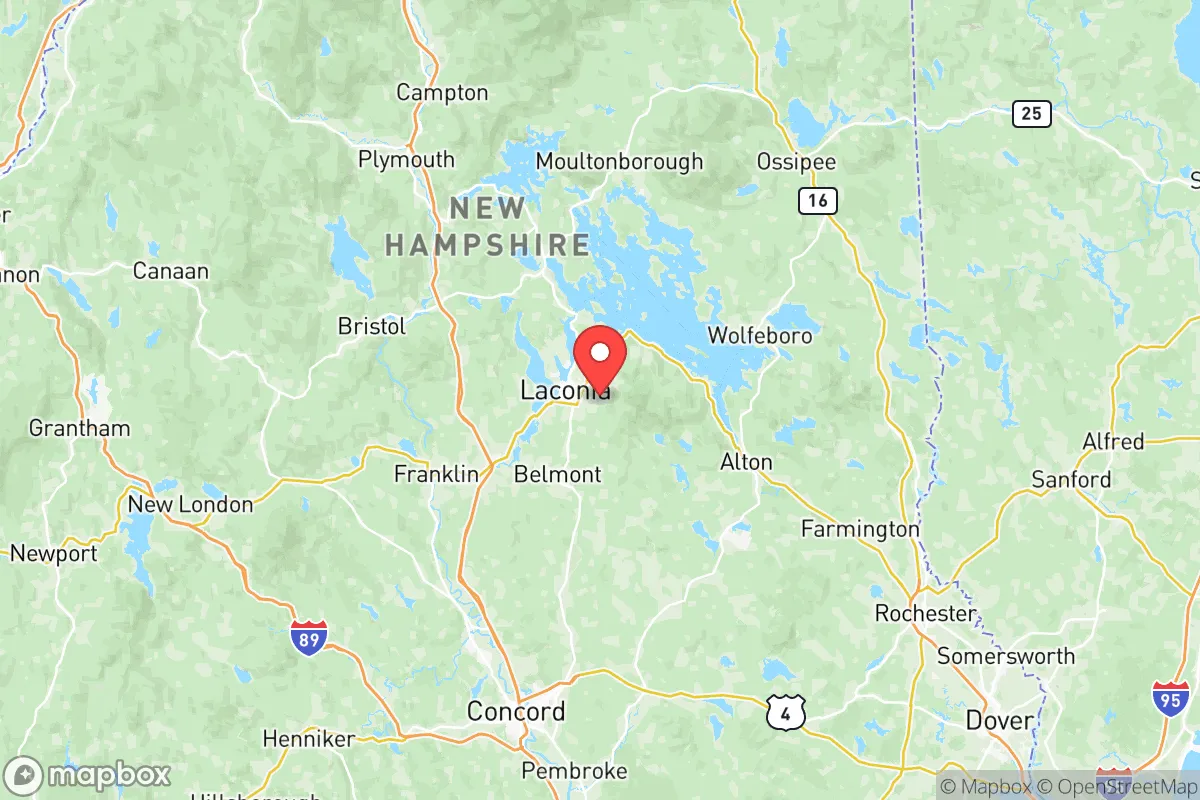
Belknap County, New Hampshire, offers a spectrum of living environments that ranges from the bustling, tourist-driven shores of Lake Winnipesaukee to quiet, forested hillsides and working farms. This diversity attracts a mix of second-home owners, remote workers, outdoor enthusiasts, and families seeking a balance between small-city amenities and rural tranquility. The county’s character is defined by its lakes, mountains, and a handful of distinct population centers, each with its own pace and price point.
Largest town(s) & population centers
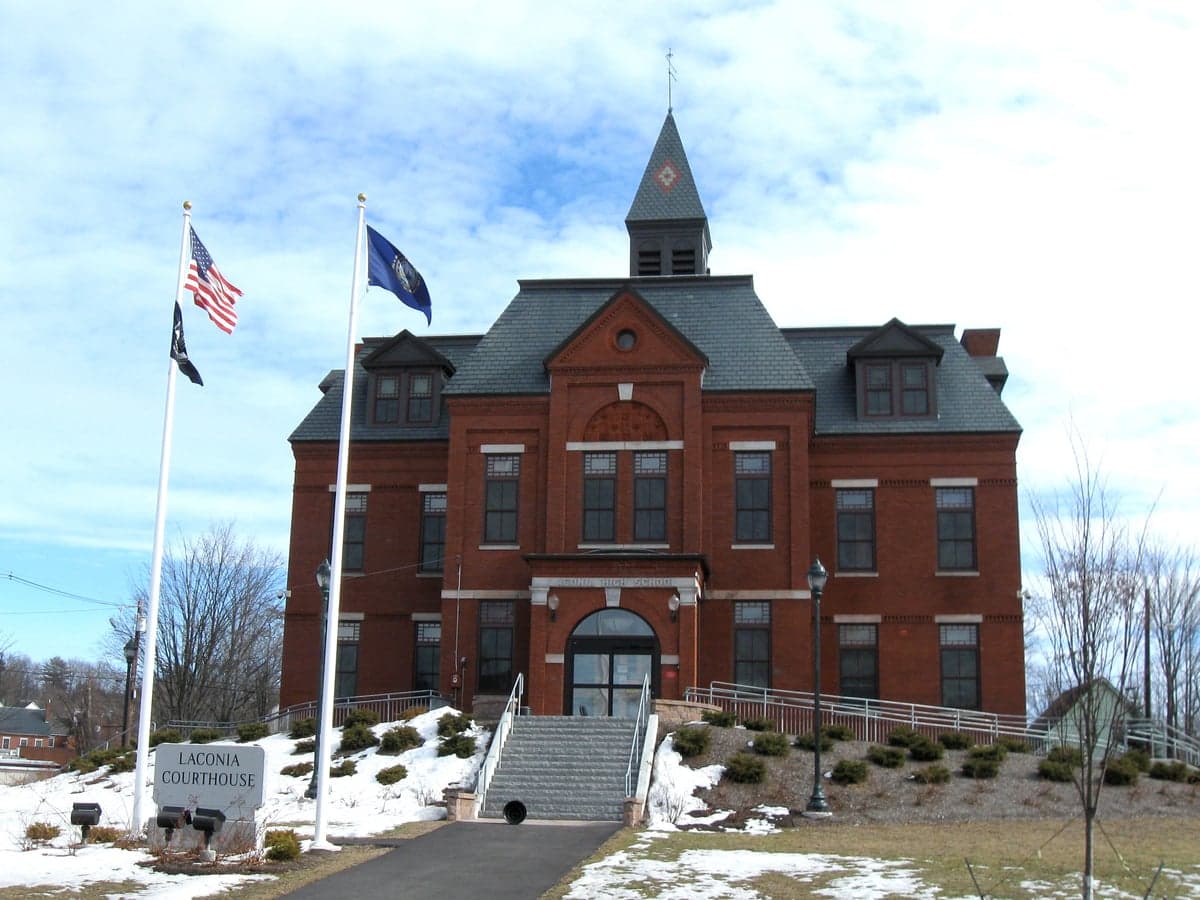
Laconia is the county seat and the largest city, with a population of roughly 17,000. Daily life here centers on a compact downtown with local restaurants, shops, and the historic Colonial Theatre. The city is a hub for services, including Lakes Region General Hospital and a variety of retail along the Route 11 corridor. Laconia is also famous for the annual Laconia Motorcycle Week, which draws hundreds of thousands of visitors each June. Gilford, directly adjacent to Laconia and Lake Winnipesaukee, is a more affluent town with a strong seasonal economy. It features the Bank of New Hampshire Pavilion, a major outdoor concert venue, and the Gunstock Mountain Resort for skiing and summer activities. Gilford’s daily life is heavily influenced by tourism and lake recreation, with a higher concentration of vacation homes and upscale dining. Belmont, the third largest town, offers a more suburban feel with a growing residential base, anchored by the Tilton School and easy access to Interstate 93 for commuters heading south to Concord or Manchester.
Smaller towns & rural pockets
Beyond the population centers, Belknap County is dotted with smaller communities that offer a markedly different lifestyle. Alton, at the southern tip of Lake Winnipesaukee, is a classic lake town with a quiet village center, the Alton Bay ice runway in winter, and extensive public waterfront access. Barnstead and Strafford are deeply rural, characterized by winding roads, working farms, and large tracts of forest. These towns have no stoplights and minimal commercial development; residents often commute to Laconia or Rochester for work and shopping. Center Harbor and Meredith are smaller lakeside villages with dense, walkable downtowns, boutique shopping, and a strong seasonal tourism presence. New Hampton is a rural town bisected by Route 104, home to the New Hampton School and a mix of farmland and newer subdivisions. Sanbornton and Tilton (partially in Belknap County) offer a blend of rural homes and small commercial strips, with Tilton hosting the Tanger Outlets and a major retail zone along I-93.
Cost & lifestyle range
The cost of living index for Belknap County is 109, slightly above the national average, but this figure masks significant internal variation. At the high end, lakefront properties in Gilford, Meredith, and Alton can exceed $1 million, while the median home value countywide is $340,000. The median rent is a relatively affordable $1,184, though rental supply is tight, especially in summer. The most affordable housing is typically found in the rural interior towns like Barnstead, Strafford, and parts of Belmont, where older homes on acreage can be found in the $250,000–$300,000 range. The average commute of 25.7 minutes reflects the county’s moderate size; many residents work within the county or commute to Concord (about 25 minutes from Laconia) or Manchester (about 40 minutes). Lifestyle options range from lakefront leisure with boat slips and summer events to quiet homesteading on dirt roads with no streetlights. Property taxes in New Hampshire are high (no state income or sales tax), and Belknap County’s rates vary by town, with Gilford and Meredith typically on the higher end due to lakefront valuations.
Belknap County is best suited for those who value outdoor recreation—boating, hiking, skiing, and fishing—and who can navigate a seasonal economy. Remote workers and retirees are increasingly drawn to the smaller towns for their lower costs and slower pace, while families and professionals gravitate toward Laconia and Gilford for schools, healthcare, and employment. The county’s strength lies in its variety: a resident can live on a quiet farm road in Barnstead and be at a concert in Gilford in 20 minutes, or live in a downtown Laconia apartment and hike the Belknap Range after work. It is a place where the choice of lifestyle is as much about the specific town as it is about the broader region.

Crime in Belknap County
Lower crime rates than 82% of comparable U.S. locations.
Violent CrimeViolent Crime Analysis
Property CrimeProperty Crime Analysis
Crime Analysis
Belknap County, New Hampshire, presents a notably safe environment compared to national averages, with violent crime occurring at a rate of 118.5 incidents per 100,000 residents and property crime at 826.7 per 100,000. These figures place the county well below the U.S. median for both categories, though localized variations exist between its lakeside communities and more rural towns. Residents in areas like Gilford and Laconia experience different safety profiles, shaped by seasonal tourism and local law enforcement priorities.
Crime in context
Belknap County's violent crime rate of 118.5 per 100,000 is roughly one-third the national median, reflecting New Hampshire's status as one of the safest states in the country. Property crime, at 826.7 per 100,000, also sits well below the national benchmark of approximately 1,950 per 100,000. These numbers align closely with the broader Lakes Region area, though they are slightly higher than in neighboring Carroll County to the north. The county's justice system operates under the Belknap County Attorney's Office, which has historically taken a pragmatic approach to prosecution. However, as with many New England counties, there is growing concern among residents about the influence of progressive criminal justice reforms emanating from the state capital in Concord. Policies such as bail reform and decriminalization efforts, while well-intentioned, have led to a perception that repeat offenders face insufficient consequences, particularly in property crime cases. This dynamic is most visible in Laconia, the county's largest city, where a revolving-door approach to low-level theft and drug offenses frustrates both police and business owners.
What residents experience
Daily life in Belknap County is generally peaceful, but the type and frequency of crime vary sharply by location. Laconia, as the urban center, sees the highest concentration of both violent and property crime, driven in part by its role as a regional hub for services and its seasonal population surges during Bike Week and other events. Incidents of assault and theft are more common here, and the city's police department is often stretched thin during peak tourist months. In contrast, Gilford and Meredith report far lower crime rates, benefiting from higher property values and more robust community policing. These towns are considered the safest in the county, with violent crime nearly nonexistent and property crime largely limited to opportunistic theft from unlocked vehicles. Alton and Barnstead, more rural and sparsely populated, see minimal violent crime but experience occasional burglaries and vandalism, often linked to transient populations traveling along the Route 11 corridor. Residents in these areas frequently cite the lack of a strong regional prosecutor as a concern, as cases involving repeat offenders from outside the county are sometimes plea-bargained down, reducing deterrent effects.
Neighborhood-level variation within Belknap County is pronounced, with the safest pockets found in the lakefront communities of Weirs Beach (part of Laconia) and the residential areas of Gilford Hills. These areas benefit from active neighborhood watch programs and a visible police presence during summer months. Conversely, the downtown core of Laconia and the more affordable housing developments along Route 106 in Belmont see elevated property crime rates, including vehicle break-ins and package theft. For prospective residents, the data suggests that choosing a town like Gilford or Meredith offers the highest level of safety, while those considering Laconia should focus on the quieter residential neighborhoods away from the commercial strips. The county's overall low crime rates are a strong draw, but the trend toward lenient sentencing in the state court system warrants attention from anyone prioritizing long-term security.
* Values derived from national, state, county, city and local statistics and may differ in a specific area. Last updated: 2026-07-08T15:10:53.000Z
Narrative content on this page is AI-generated and may contain mistakes. Verify any details that matter before acting on them.
ReloMaps may earn a commission from affiliate links at no extra cost to you.

