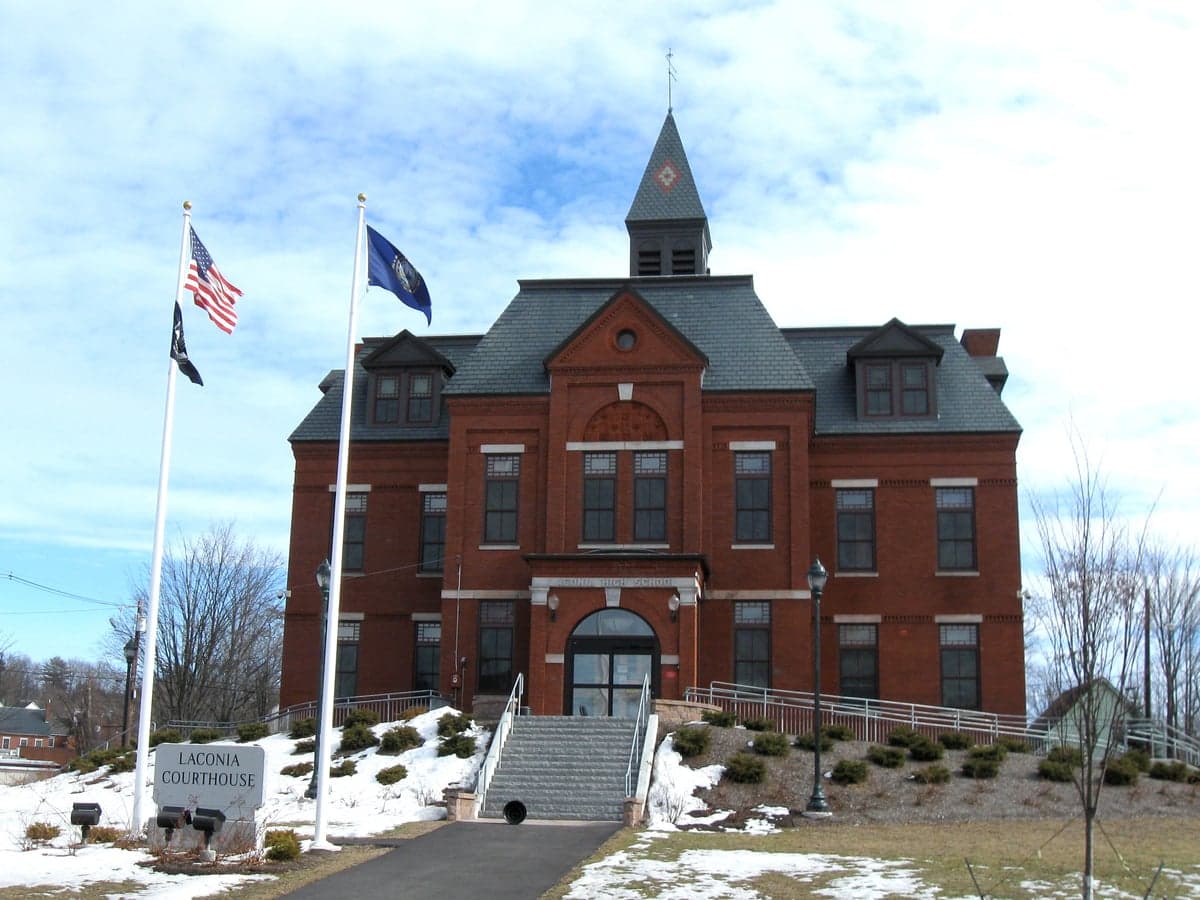
Photo: Wikipedia
Personal Sovereignty in Belknap County
Viable for self-reliance. Generally workable, though some barriers may limit total independence.
What does Personal Sovereignty tell us?
Personal Sovereignty measures your capacity for self-reliance and independence with minimal government friction. Higher scores mean fewer barriers between you and the way you want to live... but it assumes you have the space you need and good neighbors.
What does this tell us?
Personal Sovereignty measures your capacity for self-reliance and independence with minimal government friction. Higher scores mean fewer barriers between you and the way you want to live... but it assumes you have the space you need and good neighbors.
State Policy
Energy independence: Importer (10% of energy produced in-state)
Personal Liberty
Homesteading

Personal Liberty Analysis
Belknap County, New Hampshire, offers a notably high degree of personal sovereignty, anchored by the state's Live Free or Die ethos and a local governance structure that generally favors individual autonomy over collective mandates. For residents and relocators who prioritize self-reliance, the county presents a regulatory environment that is among the lightest in the Northeast, with no state income tax, no sales tax, and a strong tradition of local control that keeps zoning and code enforcement minimal in many towns. This combination creates a practical foundation for personal freedom that extends from financial independence to lifestyle choices, though the specific experience varies between the county's more populated lakeside communities and its rural inland towns.
Tax burden and regulatory posture in Belknap County
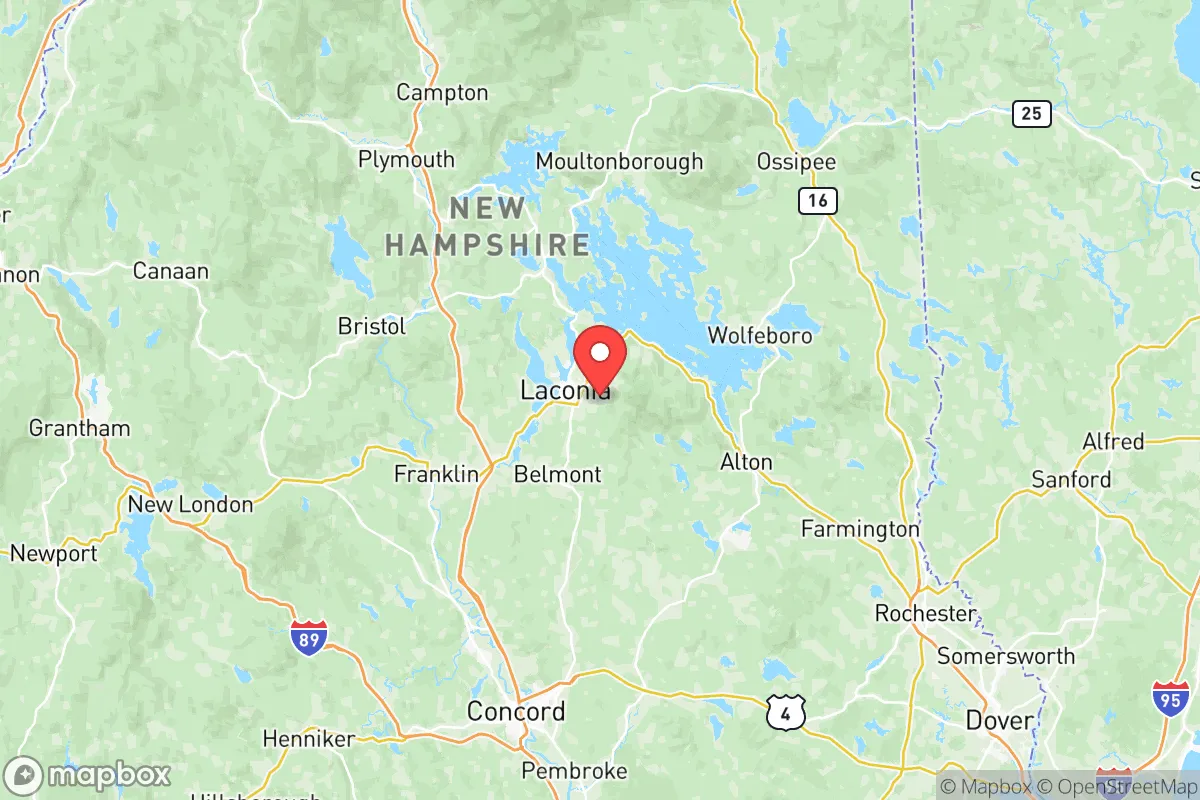
New Hampshire's absence of a broad-based personal income tax and statewide sales tax directly benefits Belknap County residents, who face only local property taxes as the primary revenue source. The county's effective property tax rate hovers around 1.8% of assessed value, which is moderate by national standards but higher than many southern states; however, the lack of other state-level levies often results in a lower overall tax burden compared to neighboring Massachusetts or Vermont. Regulatory posture is similarly restrained: the county has no county-level planning or zoning authority, leaving land-use decisions entirely to individual towns. Laconia, the county seat, enforces standard building codes and zoning for its urban core, while towns like Gilford and Meredith maintain moderate shoreline regulations around Lake Winnipesaukee. In contrast, Barnstead and Alton operate with minimal zoning, allowing for more flexible property use without extensive permitting processes. The state's Right-to-Know law and limited occupational licensing further reduce bureaucratic friction for entrepreneurs and tradespeople.
Self-defense rights and gun law specifics in the county
New Hampshire is a constitutional carry state, and Belknap County fully reflects this legal framework. Residents and visitors may carry a concealed firearm without a permit, and no state-level registration, licensing, or waiting period applies to firearm purchases. The county's sheriff's office, led by an elected official, has historically taken a supportive stance toward Second Amendment rights, and local law enforcement in towns like Gilmanton and New Hampton generally does not enforce federal firearms regulations that conflict with state law. Stand-your-ground and castle doctrine statutes are codified in state law, providing legal protection for the use of deadly force in self-defense without a duty to retreat. The county has no local ordinances restricting firearm possession beyond state law, meaning that even in more developed areas like Laconia, gun owners face no additional municipal restrictions. For target shooting and hunting, the White Mountain National Forest and numerous state-managed lands within the county provide accessible venues, though private land ownership remains the most common setting for recreational shooting.
Self-reliance and homesteading viability across Belknap County
Homesteading and off-grid living are feasible in Belknap County, particularly in its less developed townships. Minimum lot sizes vary by municipality: Barnstead requires one-acre minimums for residential development, while Alton and New Durham allow building on lots as small as half an acre in some zones, though larger parcels are common for agricultural use. Off-grid systems face no county-level prohibition, but individual towns may impose building code requirements for septic and well installations. Gilmanton is notably permissive, with no town-wide zoning ordinance and minimal enforcement of state building codes, making it a practical location for alternative energy systems, rainwater collection, and composting toilets. The county's growing season runs roughly 120 days, limiting year-round food production but supporting cold-hardy crops and livestock. Wood heat is common, with abundant local timber supply, and many properties in Strafford and Meredith already have wood stoves as primary heat sources. The primary constraint is winter access: unmaintained private roads can become impassable, so properties with year-round access command a premium.
Personal liberties in Belknap County: parental rights, medical autonomy, and property
New Hampshire law provides strong protections for parental rights, including the right to direct a child's education, medical care, and religious upbringing. Homeschooling is permitted with minimal state oversight—parents need only file a simple notification with the local school district and provide an annual evaluation, which can be a standardized test or a portfolio review. The county has several active homeschooling networks, particularly in Gilmanton and Barnstead, where cooperative learning groups and shared resources are common. Medical autonomy is supported by state law allowing residents to refuse any medical treatment, including vaccinations, without penalty for school attendance or employment, though private employers may set their own policies. The state's medical aid-in-dying law, passed in 2024, grants terminally ill adults the right to self-administer life-ending medication, reflecting a broader legal respect for individual medical decision-making. Property rights are robust: no state-level property tax on personal belongings, no estate tax, and a strong adverse possession statute that favors landowners who actively maintain their boundaries. The county's planning boards in Laconia and Meredith do enforce shoreline protection rules on Winnipesaukee, but inland properties face few use restrictions beyond basic health and safety codes.
Overall, Belknap County ranks among the most sovereignty-friendly areas in New England, comparable to rural counties in Maine or upstate New York but with the added advantage of no income or sales tax. The county's combination of constitutional carry, minimal zoning in its rural towns, and strong parental rights creates an environment where personal independence is the default rather than an exception. For relocators seeking a balance between access to lakeside recreation and the freedom to live with minimal government interference, the inland towns of Gilmanton, Barnstead, and Alton offer the highest degree of personal sovereignty, while Laconia and Meredith provide more services with moderately more regulation. The county's legal and cultural framework consistently prioritizes individual choice, making it a practical destination for those who value self-reliance as a core lifestyle principle.

* Values derived from national, state, county, city and local statistics and may differ in a specific area. Last updated: 2026-07-08T15:10:53.000Z
Narrative content on this page is AI-generated and may contain mistakes. Verify any details that matter before acting on them.
ReloMaps may earn a commission from affiliate links at no extra cost to you.

