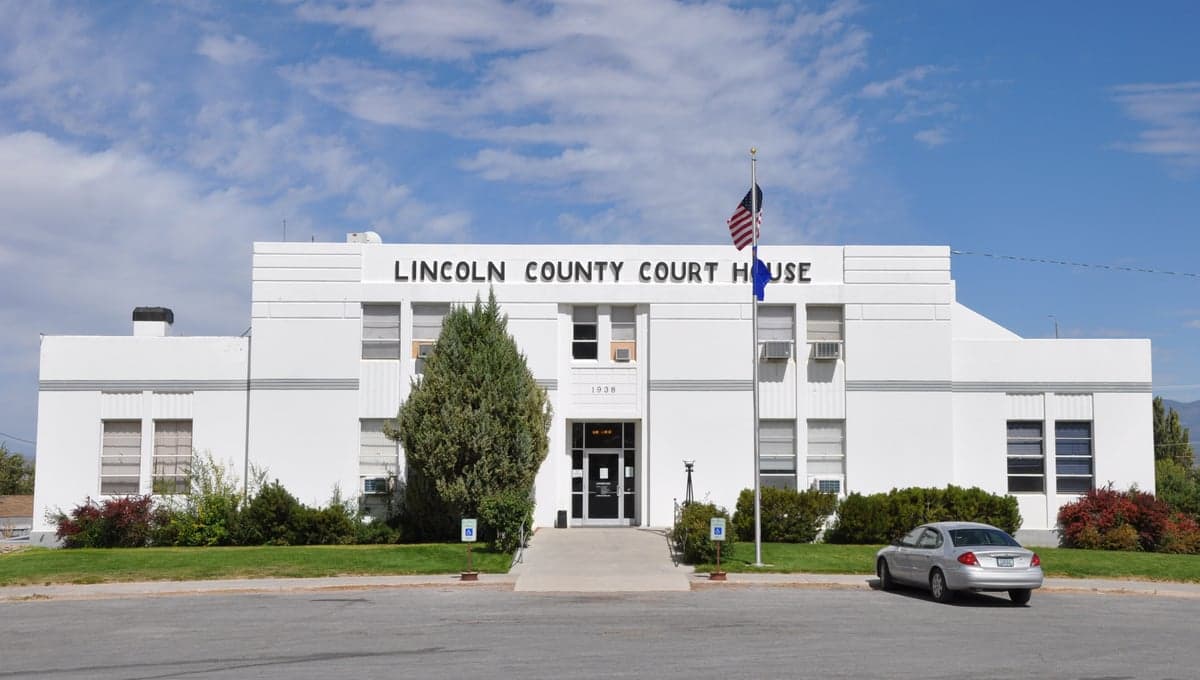
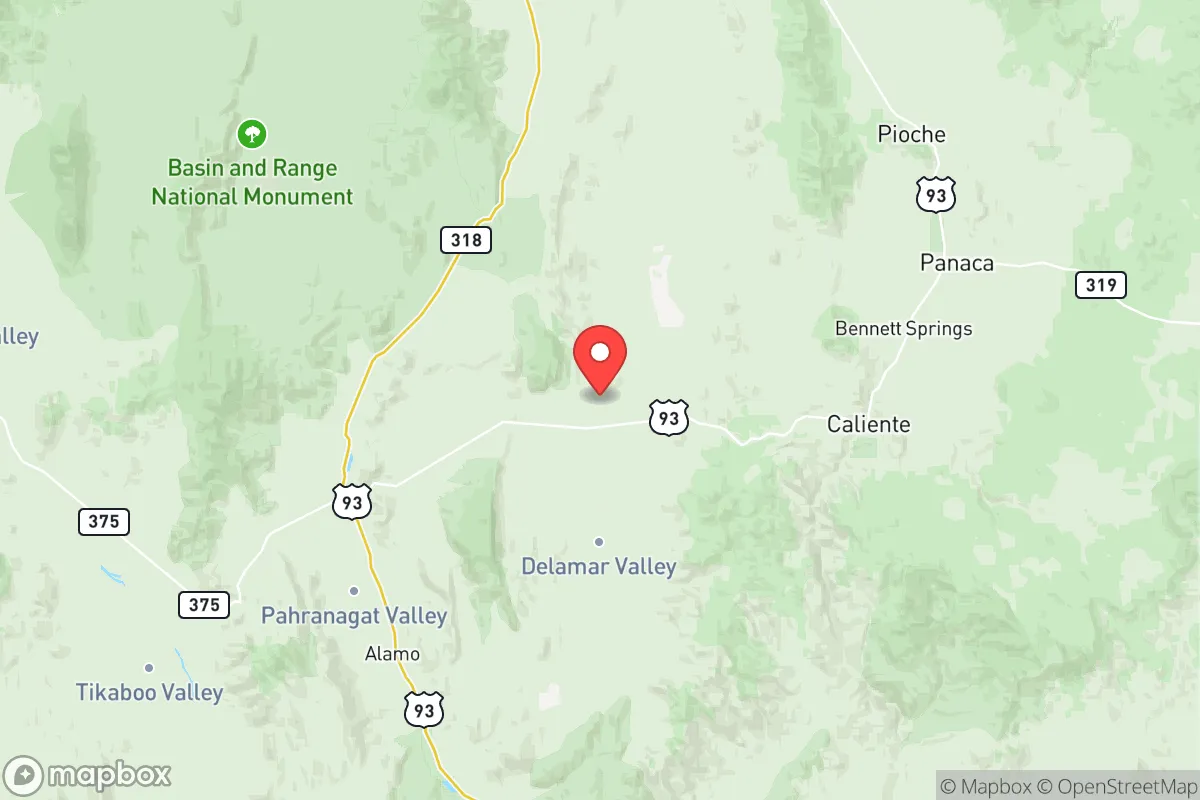
Photo: Wikipedia
Quality of Life in Lincoln County
A livable area that tracks near national norms for affordability, walkability, and neighborhood health.
What does Quality of Life tell us?
Quality of Life measures an area by evaluating factors like cost of living, nearby amenities, country club access, airport proximity, socioeconomic signals and neighborhood character. For large states, this is a general average — quality of life can vary dramatically between metro areas, suburbs, and rural communities within the same state.
What does this tell us?
Quality of Life measures an area by evaluating factors like cost of living, nearby amenities, country club access, airport proximity, socioeconomic signals and neighborhood character. For large states, this is a general average — quality of life can vary dramatically between metro areas, suburbs, and rural communities within the same state.
Cost of Living
31% below national average
116%
The Real Cost of Living in Lincoln County for 2026
| Tier | Individual | Family (4) |
|---|---|---|
| Survival | $12k | $23k |
| Comfortable | $41k | $60k |
| Luxury | $108k+ | $167k+ |
| Elite (Top 5%) | $127k+ | $196k+ |
Quality-of-Life Analysis
Lincoln County, Nevada, presents one of the starkest quality-of-life spectrums in the state, ranging from the modest services and historic core of its only incorporated town, Caliente, to the deeply remote, off-grid ranching hamlets like Alamo, Panaca, and Pioche. With a cost of living index of 69 — 31% below the national average — and a median home value of $208,900, the county attracts two distinct groups: self-sufficient retirees and remote workers seeking extreme affordability, and traditional rural families tied to mining, ranching, or regional government jobs. Daily life in Lincoln County is defined by vast distances and a reliance on one’s own resources, but the experience varies dramatically depending on whether you live in the county’s lone population center or one of its isolated unincorporated communities.
Largest town(s) & population centers
The only incorporated city in Lincoln County is Caliente, which serves as the county’s primary population center with roughly 1,000 residents. Daily life in Caliente revolves around its position as a transportation hub along U.S. Route 93, home to the historic Caliente Railroad Depot and a small but functional downtown with a grocery store, hardware store, and county services outpost. The town offers a sense of community that is rare in such a sparsely populated county — the Lincoln County School District’s administrative offices are here, and the annual Railroad Days festival draws residents from across the region. The average commute in Lincoln County is about 25 minutes, but in Caliente, many residents work locally in government, education, or retail, making the drive shorter and more predictable than elsewhere in the county. While Caliente lacks a hospital — the nearest full-service facility is in Cedar City, Utah, or Mesquite — it does have a clinic and a senior center, making it the most amenity-rich option for those who want neighbors within walking distance.
Smaller towns & rural pockets
Beyond Caliente, the county’s character shifts abruptly. Pioche, the county seat, is a historic mining town perched at 6,000 feet elevation with a population under 800. Life here feels frozen in the late 19th century, with a restored courthouse and the famous "Million Dollar Courthouse" museum, but daily realities include extremely limited shopping (no full grocery store) and a drive of nearly an hour to Caliente for basic supplies. Panaca, founded by Mormon settlers in the 1860s, is the oldest permanent settlement in Nevada and offers a quieter, agricultural lifestyle with a small population around 900. Panaca has a handful of churches, a post office, and the Panaca Elementary School, but for high school, students commute to Caliente. Alamo, at the county’s southern edge along the Extraterrestrial Highway, is a gateway to the Nevada Test Site and the remote "Alamo" service area, with a population hovering around 400. Residents here live in a stark, high-desert environment where the nearest mid-sized town is either Caliente (75 miles) or Las Vegas (90 miles). These unincorporated areas offer very low land prices — many parcels sell for under $50,000 — but come with the trade-off of few utilities, no public transit, and a near-total absence of rental housing.
Cost & lifestyle range
The cost-of-life spread across Lincoln County is narrow in dollars but wide in lifestyle. At the more affordable end, Alamo and Pioche offer median home values well below the county average of $208,900 — often between $150,000 and $180,000 for a three-bedroom home — and median rents that hover near the county-level median of $754 per month. However, these areas lack grocery stores, healthcare, and any form of restaurant or entertainment; residents must drive 45–90 minutes for a movie theater or sit-down meal. At the slightly more convenient end, Caliente sees home values closer to $230,000–$250,000 for updated properties, but the trade-off is access to a public library, a county pool, and a branch of the College of Southern Nevada. The most extreme lifestyle option in the county is living on a rural parcel in Dry Lake Valley or near Coyote Springs — areas with no municipal services, no address delivery, and property taxes as low as $300 per year on vacant land. These pockets attract off-grid enthusiasts willing to install solar panels and haul water, for whom the county’s low cost of living is a launchpad for self-directed living rather than a compromise.
The people who thrive in Lincoln County are those who value isolation, affordability, and community self-reliance over convenience and career opportunity. Remote workers with high-speed Starlink internet can enjoy a median home price that is less than a third of the national median, while retirees on fixed incomes find that their pensions stretch further in Caliente or Panaca. However, the county is not suited for anyone needing frequent medical care, dependable shopping, or a diverse job market — mining (mostly at the nearby Rayrock Mine), ranching, and county government are the primary employers. For the right person, Lincoln County offers a rare blend of frontier living and rock-bottom expenses that is increasingly hard to find elsewhere in the Mountain West.

Crime in Lincoln County
Higher crime rates than 58% of comparable U.S. locations.
Violent CrimeViolent Crime Analysis
Property CrimeProperty Crime Analysis
Crime Analysis
Lincoln County, Nevada, a vast rural area bordering Utah and Arizona, experiences a crime rate that is unusually high for a sparsely populated region, though the nature of offenses differs sharply from urban Nevada. The county’s overall violent crime rate of 381 incidents per 100,000 residents is roughly in line with the national average, but its property crime rate of 2,019.2 per 100,000 significantly exceeds both state and national figures. For context, Nevada’s statewide averages are elevated by the Las Vegas metro area, but Lincoln County’s property crime rate surpasses even that high baseline, suggesting localized drivers tied to transient populations and limited law enforcement resources.
Crime in context
When placed against state and national benchmarks, Lincoln County presents a split profile. The violent crime rate (381 per 100K) is slightly below Nevada’s 2023 average of roughly 410 per 100K but above the national rate of about 380. However, property crime in Lincoln County (2,019.2 per 100K) towers over the national average of 1,954 and is substantially higher than Nevada’s statewide rate of around 1,750. This divergence is critical: the county is statistically as dangerous for property as the Las Vegas region, yet it lacks the foot patrols, surveillance, and investigative capacity of a metro police force. The rural geography—with long stretches of U.S. Route 93 and remote areas near Caliente and Pioche—creates opportunities for theft, vehicle break-ins, and trespassing that are harder to monitor.
What residents experience
For residents of Lincoln County’s main communities, daily safety concerns revolve around property crimes rather than violent confrontations. Caliente, the largest town (population ~1,000), sees the bulk of reported thefts and burglaries, often linked to through-traffic on Highway 93. Pioche, the county seat, has a historic district that attracts tourists but also occasional vandalism and vehicle larceny. By contrast, the smaller hamlets of Panaca and Alamo report lower incident volumes, though their isolation means police response times can exceed 30 minutes. Violent crimes such as assault and robbery are rare but do occur, typically in domestic settings or among transients near the Ely-to-Caliente corridor. Residents cite the lack of a full-time prosecutor dedicated solely to the county as a concern: the district attorney operates on a part-time basis, and cases may be handled by the Nevada Attorney General’s office, which can slow judicial processing.
Neighborhood-level variation and judicial climate
Crime within Lincoln County is not distributed evenly. The unincorporated area surrounding Rachel (near Area 51) experiences minimal crime because of its extreme remoteness and tiny population. In contrast, the mixed-use zones along the railroad tracks in Caliente see elevated theft and occasional drug-related offenses. Residents in Pioche’s older residential streets report lower property crime than those living near the main commercial strip. Crucially, Lincoln County is part of Nevada’s 7th Judicial District, which covers four rural counties. While the district attorney in rural Nevada is generally considered conservative, progressive judicial influences from the Las Vegas–based Clark County courts can sometimes affect appeals or sentencing guidelines. Readers concerned about lenient treatment of property offenders should note that Lincoln County’s low population density means DA resources are stretched, and plea deals are common for non-violent crimes. This localized reality, combined with limited correctional facilities, results in a justice system that, while not as progressive as Washoe County’s, still leans toward rehabilitation over incarceration for many property crimes, potentially increasing repeat offenses in the county’s small communities.
* Values derived from national, state, county, city and local statistics and may differ in a specific area. Last updated: 2026-07-03T04:50:51.000Z
Narrative content on this page is AI-generated and may contain mistakes. Verify any details that matter before acting on them.
ReloMaps may earn a commission from affiliate links at no extra cost to you.

