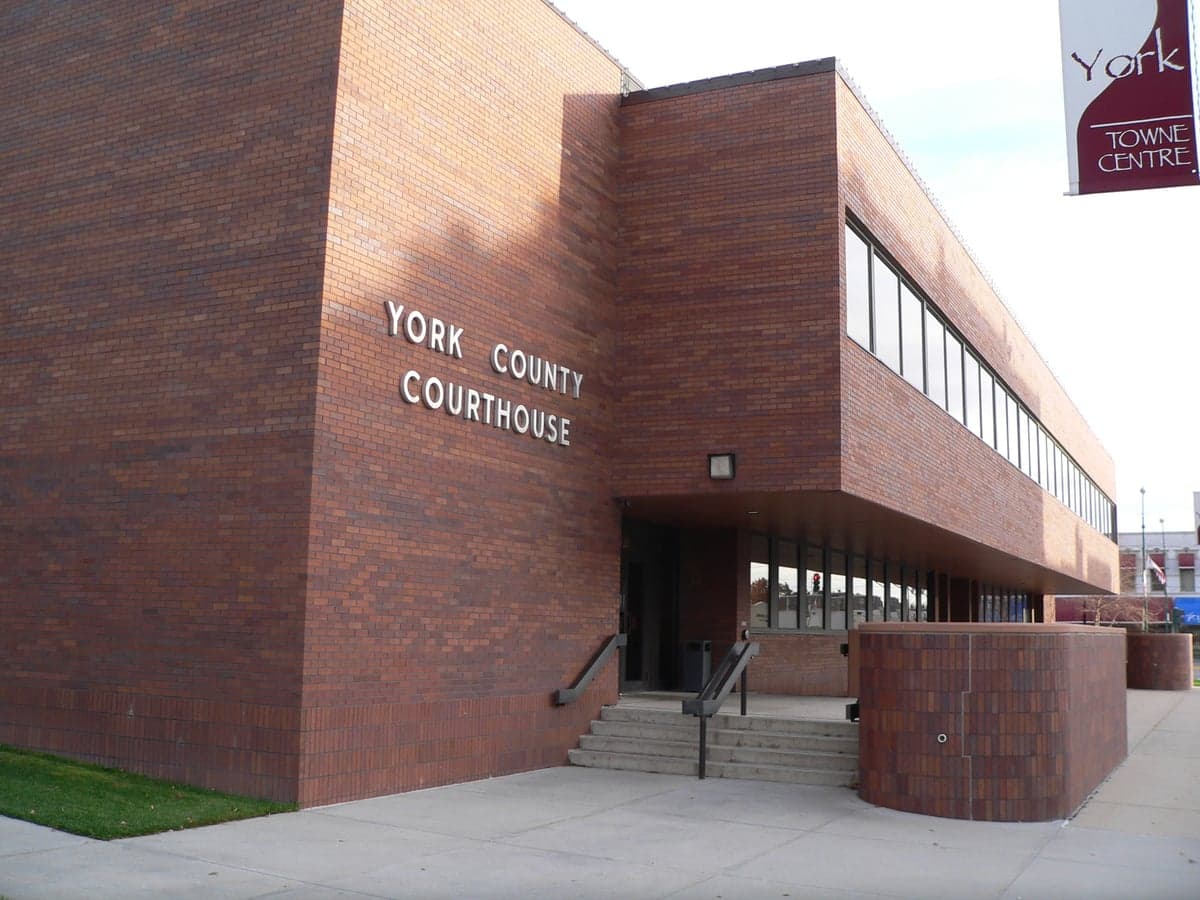
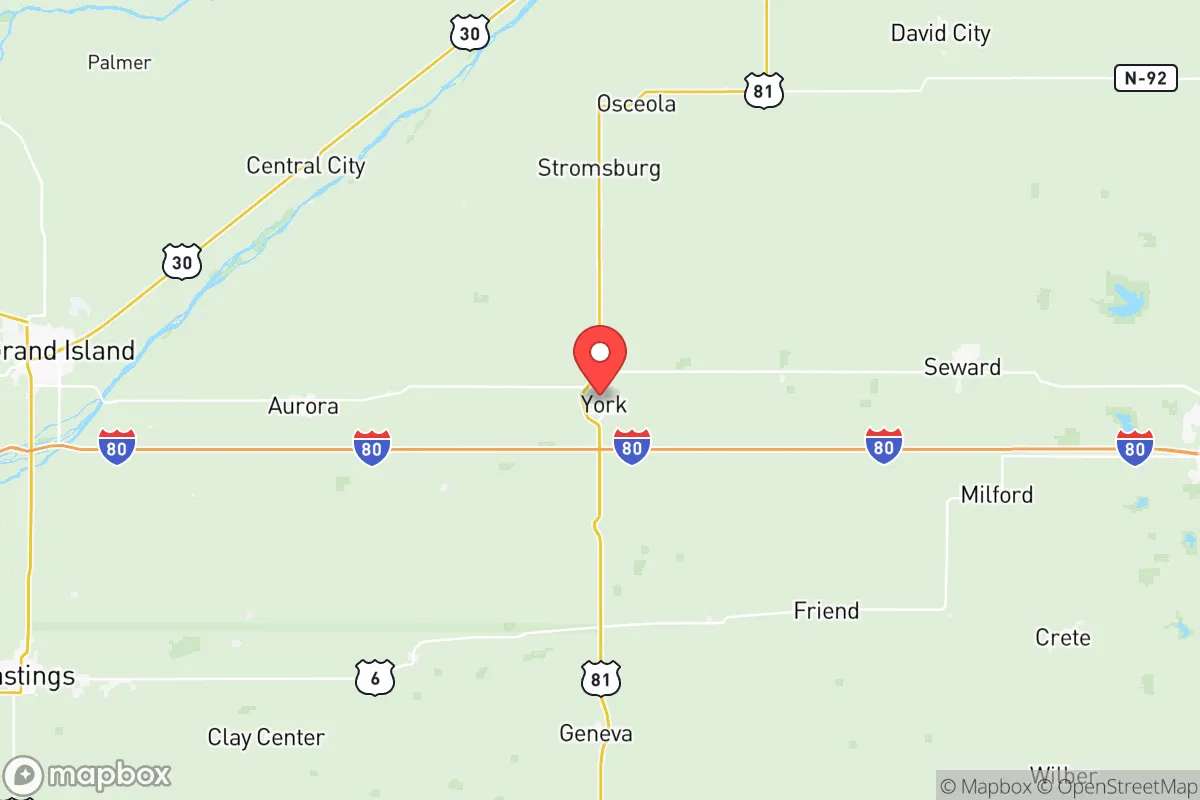
Photo: Wikipedia
Quality of Life in York County
A livable area that tracks near national norms for affordability, walkability, and neighborhood health.
What does Quality of Life tell us?
Quality of Life measures an area by evaluating factors like cost of living, nearby amenities, country club access, airport proximity, socioeconomic signals and neighborhood character. For large states, this is a general average — quality of life can vary dramatically between metro areas, suburbs, and rural communities within the same state.
What does this tell us?
Quality of Life measures an area by evaluating factors like cost of living, nearby amenities, country club access, airport proximity, socioeconomic signals and neighborhood character. For large states, this is a general average — quality of life can vary dramatically between metro areas, suburbs, and rural communities within the same state.
Cost of Living
29% below national average
147%
The Real Cost of Living in York County for 2026
| Tier | Individual | Family (4) |
|---|---|---|
| Survival | $14k | $27k |
| Comfortable | $34k | $50k |
| Luxury | $115k+ | $178k+ |
| Elite (Top 5%) | $135k+ | $209k+ |
Quality-of-Life Analysis
York County, Nebraska, offers a quality-of-life spectrum that ranges from the modest urban amenities of its county seat to the quiet, self-reliant rhythms of its small towns and open farmlands. The county’s overall cost of living index of 71 (well below the U.S. average of 100) and a median home value of $175,900 make it one of the most affordable places in the state, attracting a mix of young families seeking starter homes, retirees looking to stretch their savings, and agricultural workers who value proximity to both land and essential services. The character of daily life shifts noticeably depending on whether one lives in the largest town, a smaller village, or a rural homestead, with commute times averaging just under 14 minutes across the county, reinforcing a tight-knit, low-stress pace.
Largest town(s) & population centers
York is the county’s undisputed population and economic hub, home to roughly 8,000 residents and the majority of the county’s retail, healthcare, and employment base. Daily life here centers around the downtown square, which hosts local restaurants, a historic courthouse, and community events like the annual Yorkfest. The town is served by York Public Schools, a regional hospital (York General), and a small but active arts scene anchored by the Kilgore Memorial Library and the York Community Theatre. Housing in York is the most expensive in the county, with median home values near $200,000 in newer subdivisions, but still far below national averages. Renters find a median rent of $885, which is manageable for workers in the area’s largest employers, including York Medical Center, Hornady Manufacturing, and Nebraska Plastics. The town’s walkable core and presence of a Walmart Supercenter and several grocery chains make it the only location in the county where a car is not strictly necessary for daily errands.
Smaller towns & rural pockets
Outside York, the county’s smaller communities offer a distinctly quieter, more agrarian lifestyle. Henderson (pop. ~1,000) is a Mennonite-founded village known for its strong work ethic, well-maintained historic homes, and the Henderson Mennonite Heritage Park. It has a small grocery store, a bank, and a K-12 school system that draws families from surrounding farms. McCool Junction (pop. ~400) is a railroad town with a grain elevator and a few blocks of modest single-family homes, where the median home value drops to around $120,000. Waco (pop. ~250) and Gresham (pop. ~200) are unincorporated villages that consist mainly of older farmhouses, a church, and a volunteer fire department; residents here typically commute to York or to jobs in nearby Seward or Lincoln for work. The rural pockets between these towns are dominated by row-crop farms (corn and soybeans) and cattle operations, where homes are often set on acreages and access to high-speed internet can be inconsistent. The county’s overall population density is just 24 people per square mile, meaning that even in the smaller towns, neighbors are known by name and community events like church suppers and 4-H fairs are the social backbone.
Cost & lifestyle range
The cost-of-living spread across York County is narrow by national standards but meaningful locally. At the high end, York’s newer subdivisions (e.g., the Southridge area) feature homes priced between $250,000 and $350,000, with monthly utility costs and property taxes that still keep the overall index below 80. At the low end, rural acreages and older homes in McCool Junction or Waco can be purchased for under $100,000, with median rents falling to around $700 in those smaller communities. The trade-off is clear: York offers the widest array of amenities—grocery stores, a hospital, a movie theater, and a YMCA—while the smaller towns sacrifice convenience for space and quiet. A family living in Henderson might drive 15 minutes to York for a doctor’s appointment or a sit-down dinner, while a rural resident near Gresham may face a 25-minute commute to the nearest full-service grocery. Property taxes in the county average about 1.5% of assessed value, slightly lower than the Nebraska state average, which further stretches household budgets. The average commute of 13.8 minutes across the county underscores that even the longest drives within York County rarely exceed 30 minutes, making the entire area feel accessible.
This county is best suited for people who value affordability, community connection, and a slower pace of life over urban diversity and nightlife. Young families and first-time homebuyers find the housing market exceptionally forgiving, while retirees and remote workers appreciate the low cost of living and short commutes. Agricultural professionals and those employed in manufacturing or healthcare will find the job market stable, though opportunities outside York are limited. For anyone seeking a place where neighbors still wave from their porches and the biggest traffic delay is a tractor, York County delivers a consistent, grounded quality of life across its entire spectrum.

Crime in York County
Generally safer than 65% of comparable U.S. locations.
Violent CrimeViolent Crime Analysis
Property CrimeProperty Crime Analysis
Crime Analysis
York County, Nebraska, presents a mixed safety profile with a violent crime rate of 220.9 per 100,000 residents—slightly below the national average—but a property crime rate of 1,394.3 per 100,000 that exceeds both state and national benchmarks. The county’s overall safety picture is heavily influenced by the city of York, the county seat and largest population center, where the majority of reported incidents are concentrated. Smaller communities like Benedict, Bradshaw, and Gresham generally report far fewer incidents, though their small populations can make per-capita rates volatile.
Crime in context
York County’s violent crime rate of 220.9 per 100,000 is roughly 10% below the national average of 245.4 per 100,000, but it sits above Nebraska’s statewide rate of approximately 210 per 100,000. The property crime rate of 1,394.3 per 100,000 is significantly higher than both the national average (1,954.4) and Nebraska’s average (1,250), placing the county in a higher-risk category for theft, burglary, and motor vehicle theft. The city of York accounts for the bulk of these property crimes, with larceny-theft being the most common offense. By contrast, the unincorporated areas and smaller towns like Waco and McCool Junction see property crime rates that are a fraction of the county average, though data for these locations is often pooled into county totals due to low population counts.
What residents experience
Residents of York County are most likely to encounter property crime—particularly theft from vehicles and unlocked outbuildings—rather than violent confrontations. The city of York has a visible police presence, and the York County Sheriff’s Office patrols rural areas, but response times in outlying communities like Lushton or Thayer can be longer. The judicial system in York County operates under a conservative framework, with the York County District Court and County Court generally applying traditional sentencing standards. This is a critical factor for safety-conscious readers: unlike progressive jurisdictions in larger Nebraska counties such as Douglas County (Omaha) or Lancaster County (Lincoln), where district attorneys and judges have adopted bail reform and reduced charging for certain property offenses, York County’s justice system remains focused on accountability. This means that offenders in York County are more likely to face meaningful consequences, which helps deter repeat property crime and keeps violent offenders off the streets. Residents in the city of York should still take standard precautions—locking vehicles, securing sheds, and using outdoor lighting—while those in smaller communities like Benedict or Gresham benefit from lower overall incident counts but should not assume complete immunity.
Neighborhood-level variation
Within the city of York, crime is not evenly distributed. The downtown commercial corridor and areas near the interstate exchange (I-80) see higher rates of theft and vehicle break-ins, while residential neighborhoods on the north and east sides of town report fewer incidents. The area around York College, a private liberal arts institution, has a moderate crime rate driven largely by student-related property offenses. For those considering relocation, the safest housing options are typically found in the newer subdivisions on the city’s east side or in the rural acreages outside town limits. In the county’s smaller towns—Bradshaw, Waco, McCool Junction, and Gresham—crime is rare, and residents often leave doors unlocked, though this practice carries inherent risk. The York County Sheriff’s Office actively patrols these areas, and the conservative judicial philosophy of the county ensures that any criminal activity is met with firm prosecution, making these communities among the safest in the region for families and retirees alike.
* Values derived from national, state, county, city and local statistics and may differ in a specific area. Last updated: 2026-07-27T08:33:01.000Z
Narrative content on this page is AI-generated and may contain mistakes. Verify any details that matter before acting on them.
ReloMaps may earn a commission from affiliate links at no extra cost to you.

