
Photo: Wikipedia
Find The Best Places To Live in Douglas County
PRO TIP! You can paste a Zillow or Redfin link to get info on that property.
Best Places to Live in Douglas County
Cities & Towns in Douglas County
Cities in Douglas County
What It's Like Living in Douglas County, NE
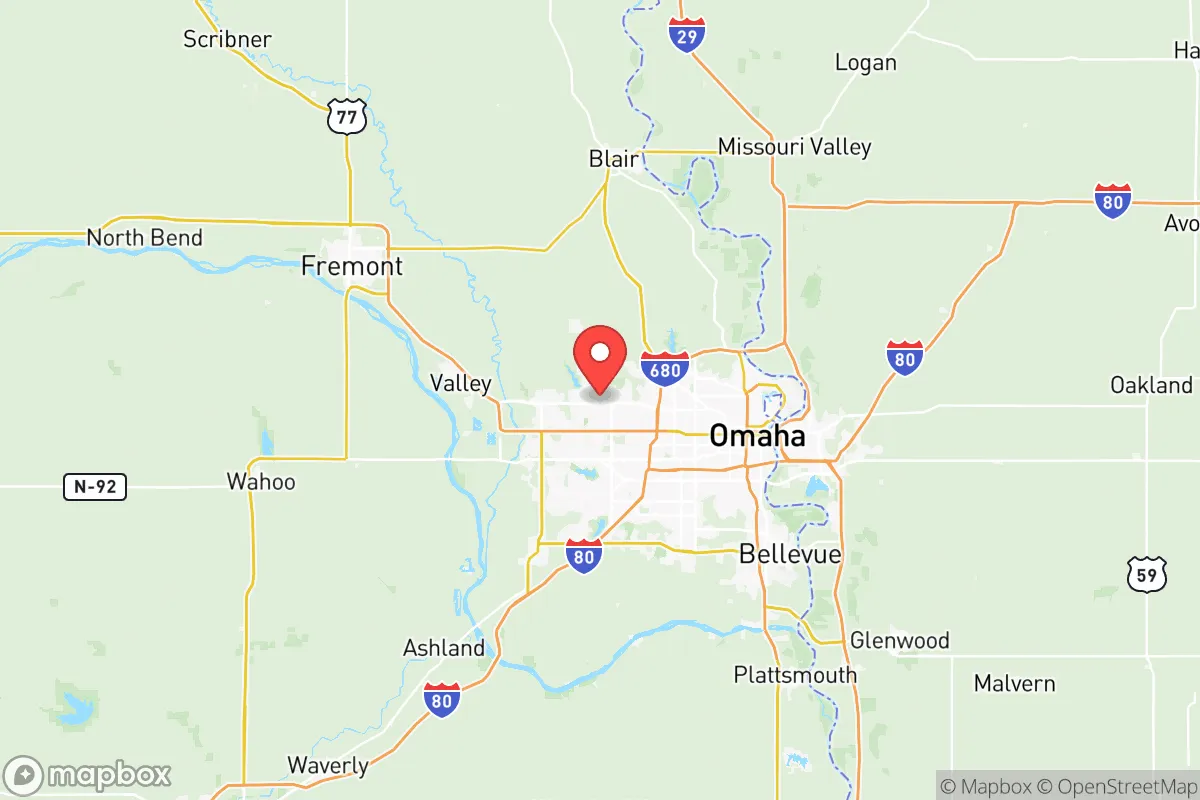
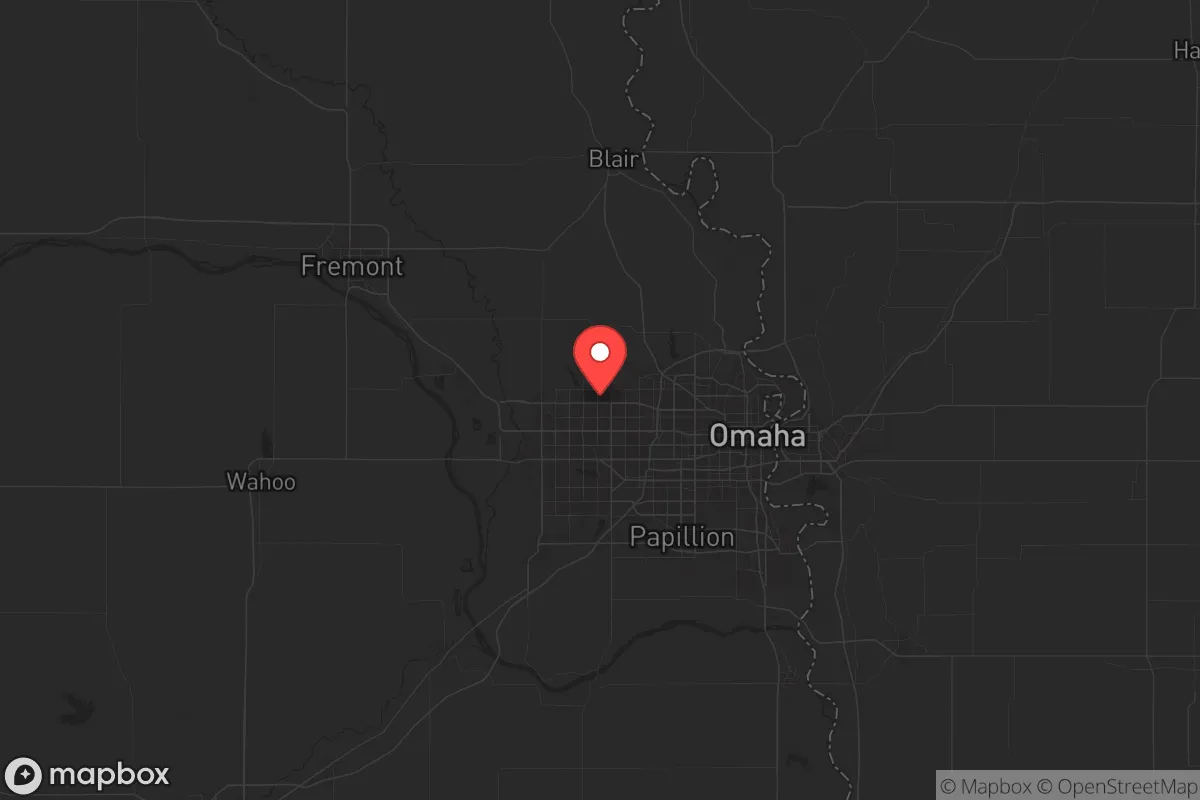
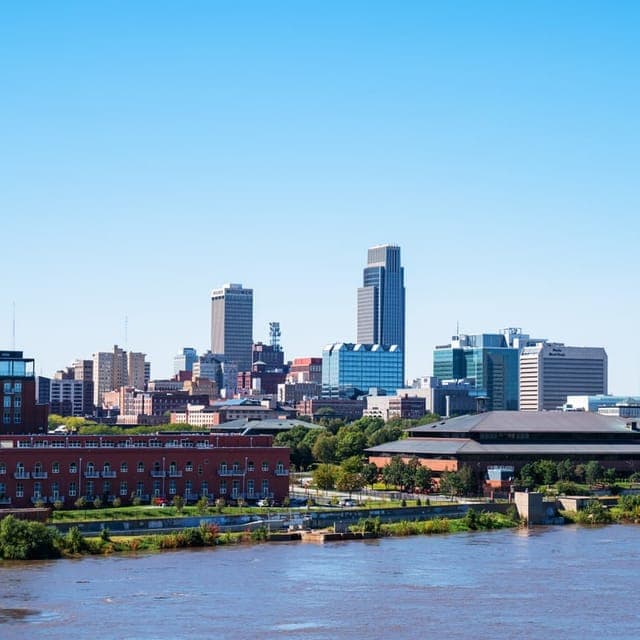
Living in Douglas County, Nebraska, feels like being part of a region that’s constantly balancing its big-city ambitions with a genuine small-town heart. Omaha is the undeniable anchor, but the county also includes communities like Elkhorn, Ralston, and Valley, each with its own distinct flavor. Whether you’re a young professional drawn to the job market or a family looking for good schools and a slower pace, this county offers a mix that’s hard to find elsewhere in the Great Plains.
The Daily Rhythm: From Omaha’s Bustle to Elkhorn’s Quiet
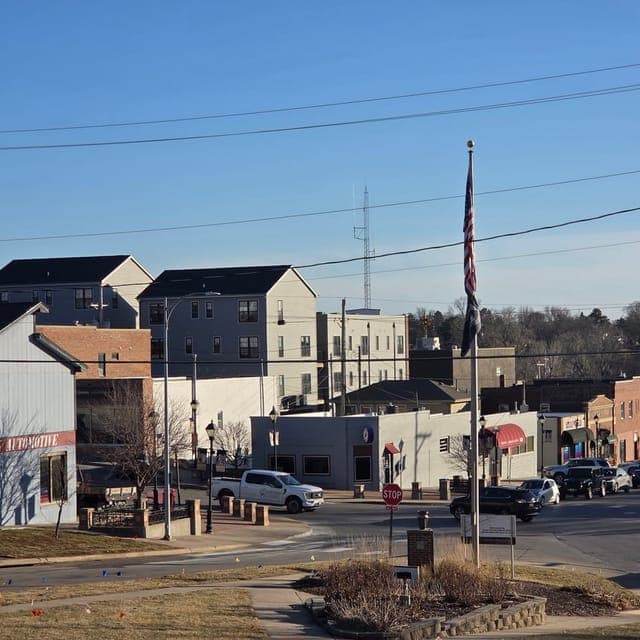
Daily life in Douglas County largely depends on which part you call home. In Omaha, the pace is steady but not frantic. People commute an average of just 20 minutes, which means you can live in a quieter suburb like Elkhorn and still be at a downtown Omaha office in under half an hour. Elkhorn, once its own town, has been absorbed into Omaha’s growth but retains a distinct identity—think newer subdivisions, strong schools, and a sense that everyone knows their neighbors. Ralston, a smaller city entirely surrounded by Omaha, has its own school district and a tight-knit, blue-collar feel that longtime residents love. For those seeking true rural living, the northern and western edges of the county, near Valley and Waterloo, offer acreages and farmland, where the commute to Omaha is a trade-off for space and quiet.
Weekends here are often about family and food. You’ll find people grabbing brunch at early-morning staples like the Dixie Quicks in Omaha or the Elkhorn Diner, then heading to a local park or the Lauritzen Gardens for a stroll. Shopping runs the gamut from the high-end Village Pointe in west Omaha to the more practical Westroads Mall. The county’s median age of 35.5 suggests a population that’s largely in its prime working and family-raising years, and the median household income of $79,081 supports a comfortable, if not extravagant, lifestyle.
Sports, Schools, and Community Pride
Sports are a major thread in the county’s social fabric. College sports dominate, with the University of Nebraska Cornhuskers in Lincoln drawing passionate fans from every corner of Douglas County. On game days, Omaha bars like Stella’s Bar & Grill in Bellevue (just south of the county) or DJ’s Dugout in Elkhorn fill up with red-clad fans. High school sports are also a big deal—Millard North and Elkhorn South are perennial powerhouses in football and basketball, and Friday nights in the fall feel like community-wide events. The Omaha Storm Chasers, the Triple-A affiliate of the Kansas City Royals, play in nearby Papillion (Sarpy County) but draw plenty of Douglas County residents for affordable, family-friendly baseball.
Schools are a central pillar of community life, especially in the suburbs. The Millard Public Schools and Elkhorn Public Schools districts are highly regarded, and many families choose their neighborhood based on school boundaries. The county’s 42.2% college-educated rate reflects a population that values education, and the presence of the University of Nebraska Omaha and Creighton University adds a youthful energy to the city’s core.
What’s There to Do: Festivals, Parks, and Local Hangouts
Entertainment in Douglas County is surprisingly robust for a region of its size. The College World Series is the crown jewel, bringing tens of thousands of visitors to Omaha every June and turning the city into a baseball-crazed festival zone. Beyond that, the Omaha Summer Arts Festival and Mahoney State Park (just west in Ashland) are popular warm-weather draws. For music, the Slowdown in Omaha’s NoDo district and the Benson neighborhood’s live music scene offer everything from indie rock to jazz. The Old Market district in downtown Omaha is the go-to for dining and nightlife, with cobblestone streets and a mix of upscale restaurants and casual pubs.
Outdoor enthusiasts have the Keystone Trail and Zorinsky Lake for biking, running, and fishing. The Fontenelle Forest in nearby Bellevue offers hiking through hardwood forests, a rarity on the plains. A notable local quirk: Nebraskans take their Runza sandwiches seriously—the fast-food chain is a regional icon, and you’ll find them in shopping centers across the county.
Pros and Cons of Living Here
- Pros: The cost of living index is 95, meaning everyday expenses are slightly below the national average, and the median home value of $245,800 is attainable for many families. The commute is short, the job market is stable (with major employers like Mutual of Omaha, Union Pacific, and Berkshire Hathaway), and the community feel in suburbs like Elkhorn and Ralston is genuine.
- Cons: The violent crime rate of 219.7 per 100,000 is above the national average, though it’s concentrated in specific Omaha neighborhoods rather than the suburbs. Winters can be harsh—January highs often hover around freezing, and snow can linger. Some residents find the cultural scene limited compared to larger metros, and the state’s conservative lean (Douglas County itself is more moderate) can feel stifling to some.
Ultimately, Douglas County works best for people who value a balanced life: a solid job, a short commute, good schools, and a community that still says hello on the street. It’s not a place for those seeking nonstop excitement or extreme urban energy, but for families and professionals who want a stable, friendly place to put down roots, it’s hard to beat.

* Values derived from national, state, county, city and local statistics and may differ in a specific area. Last updated: 2026-07-07T22:56:50.000Z
Narrative content on this page is AI-generated and may contain mistakes. Verify any details that matter before acting on them.
ReloMaps may earn a commission from affiliate links at no extra cost to you.

