
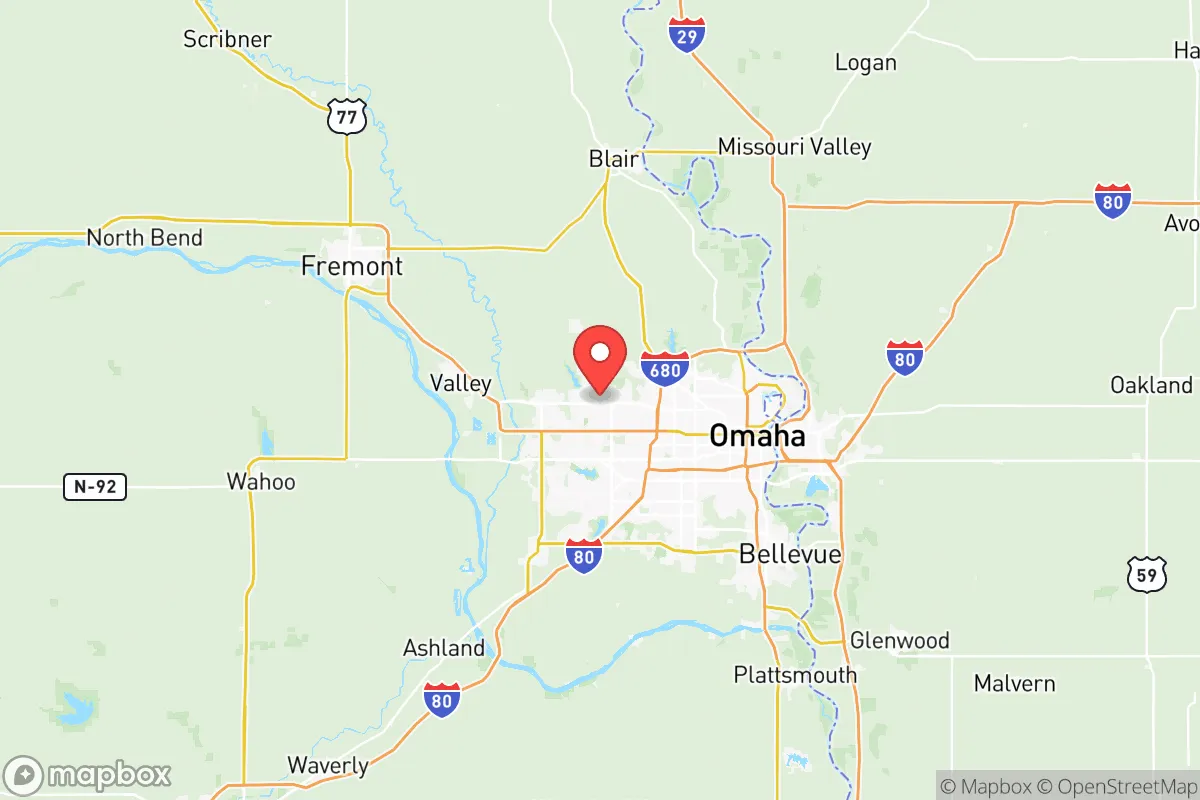
Photo: Wikipedia
Quality of Life in Douglas County
A livable area that tracks near national norms for affordability, walkability, and neighborhood health.
What does Quality of Life tell us?
Quality of Life measures an area by evaluating factors like cost of living, nearby amenities, country club access, airport proximity, socioeconomic signals and neighborhood character. For large states, this is a general average — quality of life can vary dramatically between metro areas, suburbs, and rural communities within the same state.
What does this tell us?
Quality of Life measures an area by evaluating factors like cost of living, nearby amenities, country club access, airport proximity, socioeconomic signals and neighborhood character. For large states, this is a general average — quality of life can vary dramatically between metro areas, suburbs, and rural communities within the same state.
Cost of Living
5% below national average
113%
The Real Cost of Living in Douglas County for 2026
| Tier | Individual | Family (4) |
|---|---|---|
| Survival | $19k | $35k |
| Comfortable | $48k | $70k |
| Luxury | $143k+ | $221k+ |
| Elite (Top 5%) | $187k+ | $290k+ |
Quality-of-Life Analysis
Douglas County, Nebraska, offers a broad spectrum of quality-of-life options, ranging from the dense urban core of Omaha to quiet, unincorporated farming communities and suburban bedroom towns. The county’s character shifts dramatically from east to west, drawing young professionals and nightlife seekers to its urban center, while families and those seeking more space gravitate toward the western suburbs and rural pockets. With a cost of living index of 95 (below the national average of 100), a median home value of $245,800, and an average commute of just over 20 minutes, the county provides a range of lifestyles that are both accessible and distinct.
Largest town(s) & population centers
The overwhelming population center of Douglas County is Omaha, which occupies the eastern half of the county and accounts for the vast majority of its residents. Daily life in Omaha is defined by a robust job market anchored by major employers like Mutual of Omaha, First National Bank of Omaha, and the University of Nebraska Medical Center. The city offers a dense mix of entertainment districts, including the Old Market with its cobblestone streets and independent restaurants, as well as the bustling Aksarben Village area. For those seeking a more suburban feel within the city limits, neighborhoods like Dundee, Benson, and West Omaha provide tree-lined streets, local boutiques, and strong public schools. The city’s average commute of roughly 20 minutes is notably short for a metro area of its size, allowing residents to balance urban amenities with manageable travel times. While Omaha itself is a major city, the county also includes the smaller but significant city of Elkhorn, which was annexed by Omaha in 2005 but retains a distinct, semi-rural identity with larger lots and a slower pace.
Smaller towns & rural pockets
Beyond Omaha’s footprint, Douglas County contains several smaller communities that offer a markedly different lifestyle. Waterloo, located in the western part of the county, is a small village with a population under 1,000, characterized by its historic downtown and proximity to the Platte River. Valley, just north of Waterloo, is another small town that has seen some suburban growth but still maintains a strong agricultural identity, with annual events like the Valley Days festival. Further north, the unincorporated community of Bennington has evolved from a rural crossroads into a fast-growing bedroom community, though it still retains open spaces and a small-town school system. The far western and northern reaches of the county, particularly around Boys Town (a historic village and nonprofit campus) and the rural areas near the Washington County line, are dominated by farmland, acreages, and horse properties. These pockets offer residents the ability to live on several acres while still being within a 30-minute drive of downtown Omaha.
Cost & lifestyle range
The cost of living and lifestyle options in Douglas County vary significantly by location. At the higher end, the western suburbs of Omaha—particularly areas like West Omaha near 180th Street and Pacific Street—feature newer homes, top-rated schools, and median home values well above the county average, often exceeding $350,000. These areas attract professionals and families willing to pay a premium for space and school quality. At the lower end, neighborhoods in South Omaha and parts of North Omaha offer median home values closer to $150,000 and median rents near the county average of $1,162, providing entry points for first-time buyers and renters. The rural towns like Waterloo and Valley sit in the middle, with home values typically between $200,000 and $280,000, but with lower property taxes than Omaha proper. The county’s overall cost of living index of 95 means that even the pricier suburbs remain affordable compared to national averages, while the urban core offers the highest density of rental options and walkable amenities.
Douglas County is best suited for those who want access to a major city’s employment and cultural opportunities without the high costs or long commutes typical of larger metros. Young professionals and empty nesters thrive in Omaha’s walkable neighborhoods, while families and rural enthusiasts find their fit in the western suburbs and small towns like Valley or Waterloo. The county’s 20-minute average commute ties this diverse geography together, making it feasible to live in a quiet rural pocket and work in the urban core without sacrificing significant time.

Crime in Douglas County
Generally safer than 65% of comparable U.S. locations.
Violent CrimeViolent Crime Analysis
Property CrimeProperty Crime Analysis
Crime Analysis
Douglas County, Nebraska, which encompasses Omaha and its surrounding suburbs, reports a violent crime rate of 219.7 incidents per 100,000 residents and a property crime rate of 1,391.6 per 100,000. These figures place the county in a moderate safety tier nationally, though the distribution of crime is highly uneven across the county’s diverse municipalities. Residents in western suburbs like Elkhorn and Bennington experience significantly lower crime rates than those in central Omaha or the eastern neighborhoods near the Missouri River.
Crime in context
Douglas County’s violent crime rate of 219.7 per 100,000 is roughly 40% below the national average of approximately 380 per 100,000, but it is elevated compared to Nebraska’s statewide rate of about 230 per 100,000. Property crime in the county, at 1,391.6 per 100,000, sits near the national average of 1,954 per 100,000, but is significantly higher than Nebraska’s statewide property crime rate of roughly 1,200 per 100,000. The disparity is driven almost entirely by Omaha, which accounts for the vast majority of the county’s population and crime incidents. Suburban communities such as Ralston and La Vista report property crime rates that are 30-50% lower than Omaha’s citywide figures, while Waterloo and Valley in the western part of the county see even lower rates due to their small populations and rural character.
What residents experience
For most residents, the day-to-day safety experience depends heavily on which jurisdiction they live in. Omaha’s central and northeastern neighborhoods, particularly areas around North 24th Street and the Cuming Street corridor, have historically reported higher concentrations of aggravated assault and robbery. In contrast, the Elkhorn and Bennington areas consistently report violent crime rates below 100 per 100,000, making them among the safest communities in the county. Property crime, including vehicle theft and burglary, is a more widespread concern, with Omaha’s downtown and midtown districts seeing frequent incidents of theft from vehicles and bicycle theft. The Douglas County Sheriff’s Office, which patrols unincorporated areas and provides contract services to smaller towns, has emphasized community policing and crime prevention programs in recent years, though progressive criminal justice policies in Omaha’s city government have drawn criticism from some residents who argue that lenient sentencing and reduced enforcement for low-level offenses have contributed to a perception of rising property crime. The Douglas County Attorney’s office, which prosecutes felony cases countywide, has faced scrutiny for its handling of repeat offenders, with some community groups calling for tougher sentencing guidelines to address recidivism.
Neighborhood-level variation
Crime in Douglas County is not uniformly distributed; it clusters in specific corridors and neighborhoods. The highest crime rates are concentrated in Omaha’s urban core, particularly in the Near North Side, South Omaha, and the area around the intersection of 24th and Lake Streets. These neighborhoods experience violent crime rates two to three times the county average. Meanwhile, the western suburbs of Elkhorn, Bennington, and western portions of Omaha near 180th Street and West Center Road report crime rates comparable to the safest small towns in Nebraska. The city of Ralston, a small enclave surrounded by Omaha, has invested in neighborhood watch programs and code enforcement to maintain its relatively low crime profile. For prospective residents, the choice of neighborhood within Douglas County can mean the difference between living in an area with crime rates in the bottom 10% nationally versus one in the top 25% for property crime. Real estate listings and school district boundaries often correlate closely with these safety patterns, making crime data a critical factor in relocation decisions within the county.
* Values derived from national, state, county, city and local statistics and may differ in a specific area. Last updated: 2026-07-07T22:56:50.000Z
Narrative content on this page is AI-generated and may contain mistakes. Verify any details that matter before acting on them.
ReloMaps may earn a commission from affiliate links at no extra cost to you.

