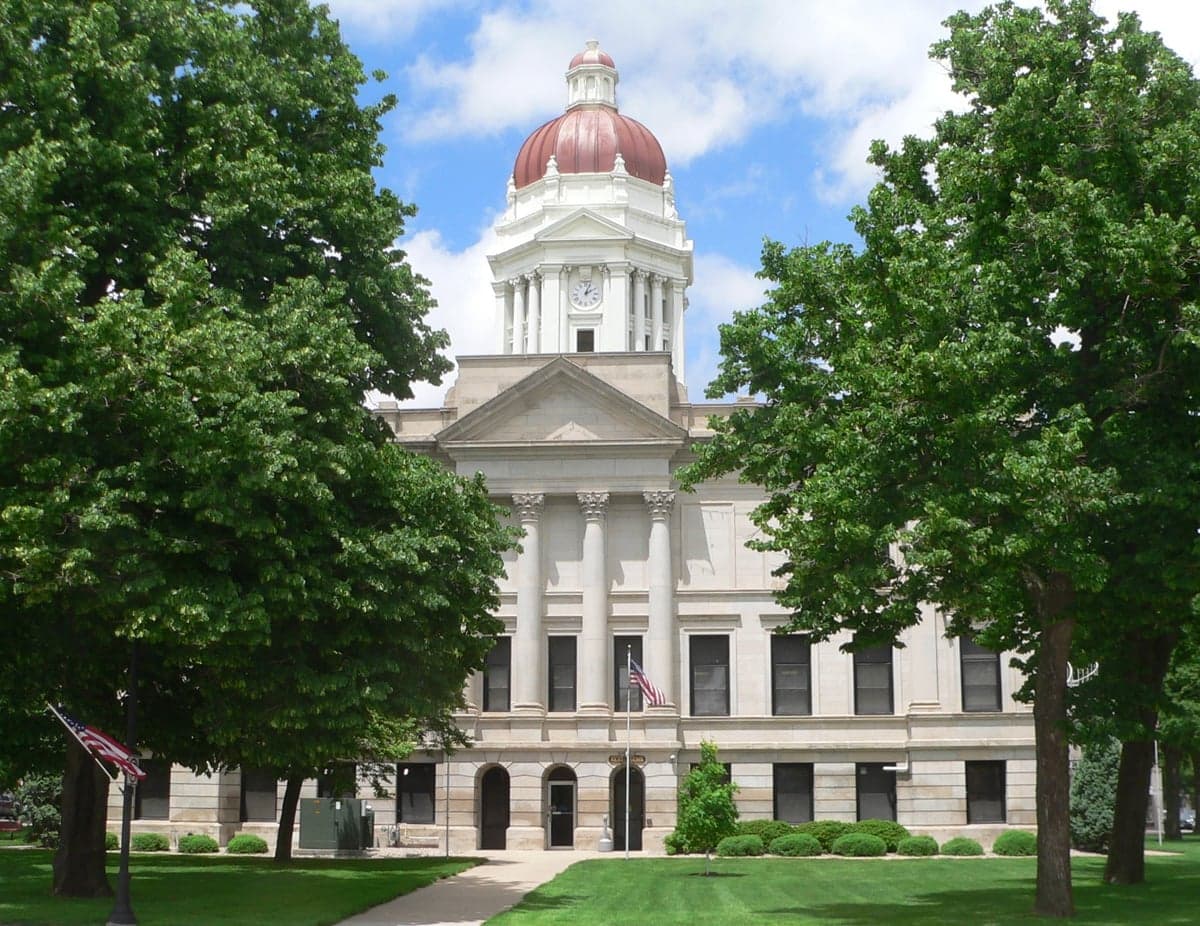
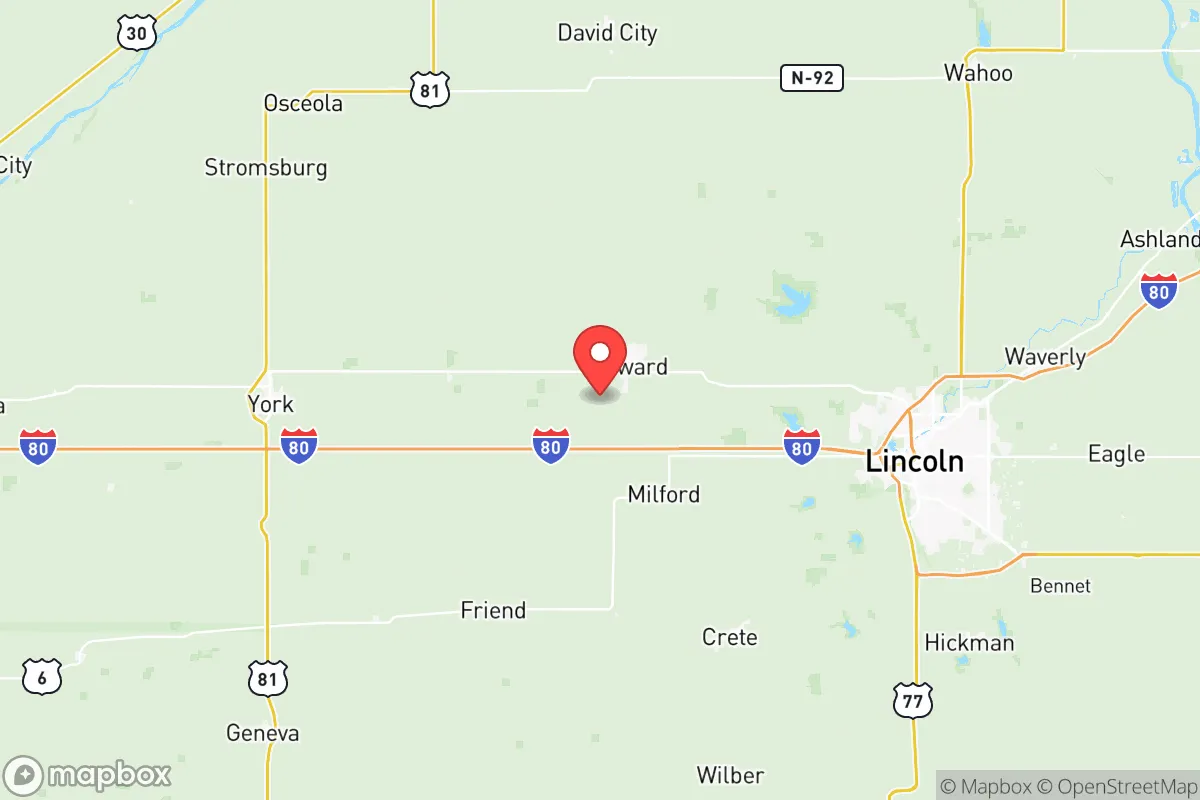
Photo: Wikipedia
Quality of Life in Seward County
A livable area that tracks near national norms for affordability, walkability, and neighborhood health.
What does Quality of Life tell us?
Quality of Life measures an area by evaluating factors like cost of living, nearby amenities, country club access, airport proximity, socioeconomic signals and neighborhood character. For large states, this is a general average — quality of life can vary dramatically between metro areas, suburbs, and rural communities within the same state.
What does this tell us?
Quality of Life measures an area by evaluating factors like cost of living, nearby amenities, country club access, airport proximity, socioeconomic signals and neighborhood character. For large states, this is a general average — quality of life can vary dramatically between metro areas, suburbs, and rural communities within the same state.
Cost of Living
17% below national average
122%
The Real Cost of Living in Seward County for 2026
| Tier | Individual | Family (4) |
|---|---|---|
| Survival | $15k | $29k |
| Comfortable | $45k | $66k |
| Luxury | $116k+ | $180k+ |
| Elite (Top 5%) | $137k+ | $212k+ |
Quality-of-Life Analysis
Seward County, Nebraska, offers a distinct quality-of-life spectrum that ranges from the college-town energy of its county seat to the quiet rhythms of its small farming communities and open countryside. The county’s overall cost of living index of 83 (well below the U.S. average of 100) and a median home value of $232,400 make it an accessible option for families, retirees, and commuters alike, while the average commute of just over 20 minutes appeals to those working in Lincoln or within the county itself. Different parts of Seward County attract different residents: professionals and academics gravitate toward the largest town, while agricultural families and those seeking deep quiet settle in the smaller villages and rural pockets.
Largest town(s) & population centers
Seward, the county seat and home to roughly 7,600 residents, is the undisputed population and economic hub. Daily life here revolves around Concordia University, a private Lutheran liberal arts college that brings a steady flow of students, faculty, and cultural events to the town. The historic downtown square features locally owned shops, restaurants, and the Seward County Courthouse, while the annual Nebraska State 4-H Horse Expo and Seward's Fourth of July celebration (one of the state's largest) draw visitors from across the region. Housing options range from older Craftsman homes near the square to newer subdivisions on the town's edges, with median rents around $969 aligning with the county's affordable profile. Seward's schools, part of Seward Public Schools, consistently perform well academically, and the town's proximity to Interstate 80 makes it a practical bedroom community for commuters to Lincoln (about 25 minutes east) or even Omaha (about 70 minutes). The town also hosts a Walmart Supercenter, a regional hospital (Seward Memorial Hospital), and several grocery stores, providing most daily necessities without leaving the county.
Smaller towns & rural pockets
Beyond Seward, the county's smaller communities each offer a quieter, more agrarian lifestyle. Milford (pop. ~2,100) is the second-largest town, known for its well-regarded Milford Public Schools and the annual Milford Fun Days festival. It has a small downtown with a grocery store, hardware store, and a few eateries, but most residents commute to Seward or Lincoln for work and major shopping. Utica (pop. ~860) sits along the Big Blue River and is home to the Utica Community Center and a popular annual Czech Festival, reflecting the area's Central European heritage. Garland (pop. ~220) and Bee (pop. ~190) are unincorporated villages where life centers on local churches, volunteer fire departments, and agricultural work. The rural pockets between these towns consist of farmsteads and acreages, where residents often own several acres for horses, crops, or simply privacy. These areas lack municipal water and sewer in some cases, requiring well and septic systems, but offer land prices significantly below Seward's median home value—often under $150,000 for a fixer-upper farmhouse or a building lot.
Cost & lifestyle range
The cost-of-living spread across Seward County is notable. At the higher end, Seward itself sees median home values around $232,400, with newer construction in subdivisions like Prairie View Estates or South Ridge pushing above $300,000. Rentals in Seward average $969 per month, but two-bedroom apartments near Concordia can reach $1,100. At the lower end, a three-bedroom home in Utica or Garland might sell for $120,000–$160,000, and rental options in those villages are scarce but often under $800 per month. Property taxes in Nebraska are relatively high (around 1.5–2% of assessed value), but the lower home prices in smaller towns partially offset this. Amenities also thin out as you move away from Seward: Milford has a grocery store and a pharmacy, but Utica and Garland rely on Seward or Lincoln for most shopping and medical care. Internet access varies—Seward and Milford have reliable fiber or cable broadband, while rural areas may depend on slower DSL or satellite connections. The trade-off is space: a rural acreage in the Beaver Crossing area (a small village in the county's southwest corner) offers quiet, land, and lower taxes per square foot than anything in Seward proper.
Who thrives in Seward County? Families and professionals who want a short commute to Lincoln but prefer a smaller, safer community with good schools will find Seward itself a strong fit. Retirees and remote workers seeking affordable housing and a slower pace often choose Milford or Utica. Farmers, ranchers, and those who value privacy and land ownership gravitate toward the rural pockets around Garland, Bee, and Beaver Crossing. The county's mix of college-town amenities, agricultural heritage, and low cost of living makes it a practical choice for anyone who values community connection and doesn't need the constant buzz of a major city.

Crime in Seward County
Generally safer than 65% of comparable U.S. locations.
Violent CrimeViolent Crime Analysis
Property CrimeProperty Crime Analysis
Crime Analysis
Seward County, Nebraska, presents a mixed safety profile: its violent crime rate of 219.7 per 100,000 residents is below the national average, yet its property crime rate of 1,391.6 per 100,000 exceeds both the state and national benchmarks. Residents in towns like Seward (the county seat) and Milford benefit from largely peaceful neighborhoods, but property crime—especially theft and burglary—remains a persistent concern across the county. Proximity to Lincoln’s more liberal judicial environment also factors into local safety dynamics, as progressive policies in the larger metro area can contribute to crime spillover into adjacent jurisdictions.
Crime in context
Seward County’s violent crime rate of 219.7 per 100,000 is roughly 37% lower than the national rate of 380 per 100,000 (2023 FBI data) and also below Nebraska’s statewide average of approximately 300 per 100,000. This positions counties like Seward among the safer rural zones in the state. However, the property crime rate of 1,391.6 per 100,000 is about 20% higher than the national rate (1,160) and well above Nebraska’s average of roughly 1,200. Property offenses are driven largely by vehicle break-ins and shed/barn thefts in smaller communities such as Utica and Garland, where seasonal occupancy leaves homes vulnerable. By contrast, Staplehurst and Bee report fewer incidents due to tighter social networks.
What residents experience
Daily life in Seward County feels secure for most, especially families and retirees. Violent crime is rare and typically involves incidents among acquaintances rather than random attacks. The dominant worry is property crime—items left unlocked in driveways or farm outbuildings are targeted. Rural isolation can also delay response times from the Seward County Sheriff’s Office. The county’s judicial system, overseen by conservative judges in the 1st Judicial District, tends to impose stricter sentences than nearby Lancaster County (Lincoln), where progressive district attorneys have softened enforcement. This contrast matters: Lincoln’s lenient approach to repeat offenders has been linked to higher property crime rates there, and some of that criminal activity extends into Seward County along the Highway 34 corridor between Seward and Lincoln. Residents in towns closer to the metro line—Milford in particular—report more frequent thefts than those in the county’s eastern reaches.
Neighborhood-level variation is most apparent between incorporated towns. Seward itself, home to Concordia University, has a visible police presence and a community watch program that keeps violent crime near zero. Milford sees slightly elevated property crime due to commuter traffic. Utica and Garland are quieter but face occasional shed burglaries. Staplehurst and Bee are the safest hamlets, with virtually no reported violent crime. For newcomers, choosing a home in eastern Seward County or in a tight-knit village can significantly reduce exposure to the property crime that mars the county’s otherwise solid safety record.
* Values derived from national, state, county, city and local statistics and may differ in a specific area. Last updated: 2026-06-24T06:48:50.000Z
Narrative content on this page is AI-generated and may contain mistakes. Verify any details that matter before acting on them.
ReloMaps may earn a commission from affiliate links at no extra cost to you.

