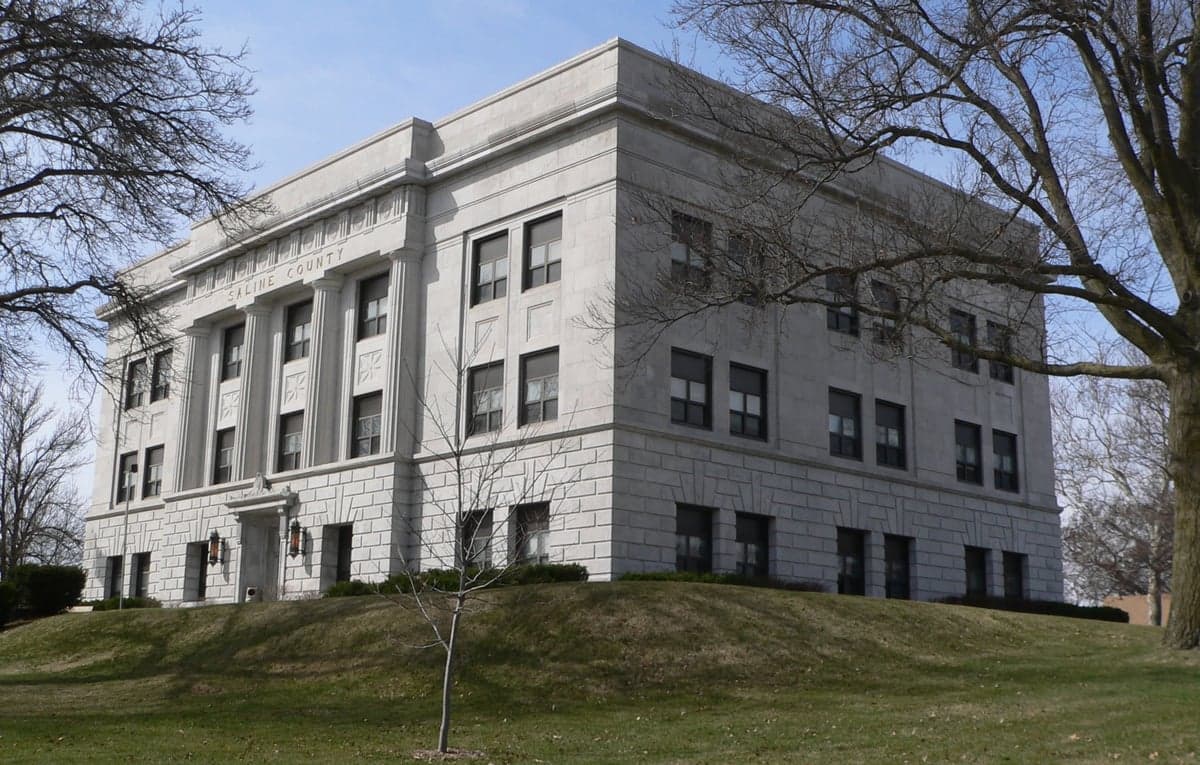
Photo: Wikipedia
Quality of Life in Saline County
A livable area that tracks near national norms for affordability, walkability, and neighborhood health.
What does Quality of Life tell us?
Quality of Life measures an area by evaluating factors like cost of living, nearby amenities, country club access, airport proximity, socioeconomic signals and neighborhood character. For large states, this is a general average — quality of life can vary dramatically between metro areas, suburbs, and rural communities within the same state.
What does this tell us?
Quality of Life measures an area by evaluating factors like cost of living, nearby amenities, country club access, airport proximity, socioeconomic signals and neighborhood character. For large states, this is a general average — quality of life can vary dramatically between metro areas, suburbs, and rural communities within the same state.
Cost of Living
31% below national average
149%
The Real Cost of Living in Saline County for 2026
| Tier | Individual | Family (4) |
|---|---|---|
| Survival | $13k | $25k |
| Comfortable | $35k | $52k |
| Luxury | $112k+ | $173k+ |
| Elite (Top 5%) | $131k+ | $204k+ |
Quality-of-Life Analysis
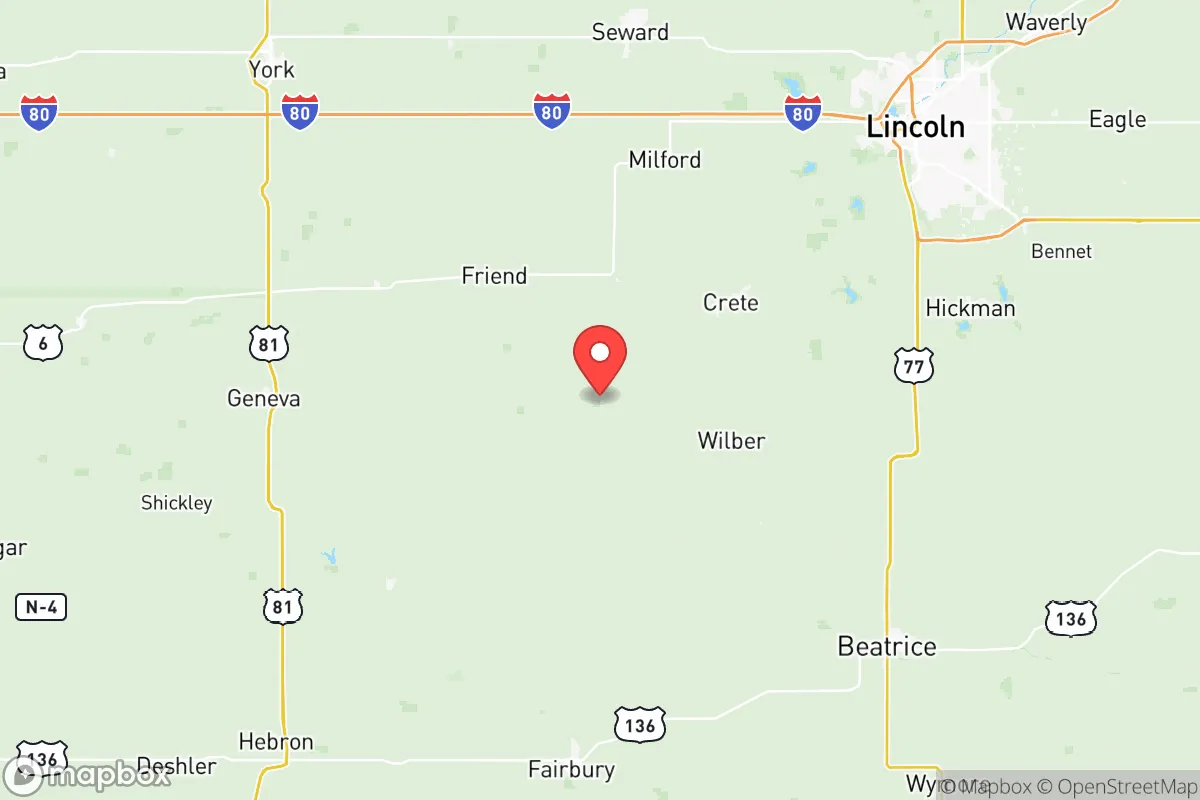
Saline County, Nebraska, offers a distinct quality-of-life spectrum that spans from the modest urban conveniences of its county seat, Wilber, to the quiet, agricultural rhythms of smaller communities like Crete, Friend, and De Witt, with vast stretches of open farmland in between. The county’s character is shaped by its Czech heritage, strong agricultural roots, and a cost of living that sits at a remarkably low 69 on the index (100 = U.S. average), making it a practical choice for families, retirees, and commuters seeking affordability without complete isolation. Residents in the larger towns tend to value walkable downtowns and local schools, while those in the rural pockets prioritize space, privacy, and a slower pace of life.
Largest town(s) & population centers
Wilber, the county seat and home to the annual Czech Festival, is the primary population center with roughly 1,900 residents. Daily life here centers around a compact, walkable downtown with a grocery store, library, and several locally owned restaurants and shops. The town’s strong Czech identity is visible in its architecture and community events, and it serves as a hub for county government services. Crete, the largest municipality in the county with about 7,200 people, offers a more diverse economy anchored by the Nebraska Correctional Center for Women and several manufacturing employers. Crete has a broader range of amenities, including a hospital, multiple grocery stores, and a public school system that serves the surrounding area. Commuters from both towns face an average commute of just over 21 minutes, with many driving to Lincoln (about 25 miles north) for work or higher-end shopping. The median home value in the county is $180,700, and median rent is $833, making homeownership attainable for many working families.
Smaller towns & rural pockets
Beyond the larger centers, Saline County is dotted with smaller communities that each offer a distinct flavor. Friend (pop. ~1,000) is a classic Plains railroad town with a preserved downtown, a strong volunteer fire department, and a quiet, family-oriented atmosphere. De Witt (pop. ~500) is even more rural, with a single main street, a post office, and a grain elevator that anchors the local economy. Western (pop. ~250) and Tobias (pop. ~100) are unincorporated villages where daily life revolves around farming, church, and neighborly connections. These pockets lack major retail but offer extremely low property taxes and land prices, with some homes selling for under $100,000. The rural areas between these towns are characterized by corn and soybean fields, scattered farmsteads, and gravel roads that require a vehicle for any errand.
Cost & lifestyle range
The cost-of-living spread across Saline County is narrow but meaningful. At the low end, rural properties near Tobias or Western can be purchased for well under the county median of $180,700, with some older farmhouses selling for $80,000–$120,000. Rent in these areas is scarce but can dip below $700 for a basic two-bedroom. At the higher end, newer subdivisions in Crete and Wilber push home values toward $250,000–$300,000, offering modern finishes and larger lots. The lifestyle range is equally distinct: residents in Crete enjoy access to a hospital, a public swimming pool, and a wider variety of dining options, while those in Friend or De Witt rely on Lincoln (30–40 minutes) for major shopping and healthcare. The average commute of 21 minutes reflects the county’s proximity to Lincoln, but rural residents often drive 10–15 minutes just to reach a grocery store. Property taxes in Saline County are moderate for Nebraska, and the lack of a state sales tax on groceries keeps everyday costs low.
This county is best suited for those who value affordability, community connection, and a slower pace without being completely isolated from urban amenities. Families who want a good school system and a safe environment will find Crete and Wilber appealing, while retirees and remote workers seeking land and quiet will gravitate toward the smaller towns and rural pockets. Commuters who work in Lincoln but want a lower cost of living and a small-town feel will find Saline County a practical and welcoming choice.

Crime in Saline County
Generally safer than 65% of comparable U.S. locations.
Violent CrimeViolent Crime Analysis
Property CrimeProperty Crime Analysis
Crime Analysis
Saline County, Nebraska, reports a violent crime rate of 219.7 per 100,000 residents and a property crime rate of 1,391.6 per 100,000, placing it in a moderate risk category relative to the state. While these figures are below the national average for violent crime, the property crime rate is notably higher than the statewide median, particularly in the county's more populated towns. The county's safety profile is shaped by its mix of small agricultural communities and the larger town of Crete, which serves as the economic and population hub.
Crime in context
Saline County's violent crime rate of 219.7 per 100,000 is roughly 37% lower than the national average of about 380 per 100,000, but it is nearly double the Nebraska state average of approximately 110 per 100,000. The property crime rate of 1,391.6 per 100,000 is about 20% higher than the national average and significantly above the Nebraska state average of roughly 1,100 per 100,000. This disparity is largely driven by incidents in Crete, the county's largest city (pop. ~7,000), which accounts for a disproportionate share of both violent and property offenses. Smaller towns like Wilber, the county seat, and Friend report far fewer incidents, with violent crime nearly absent in those communities. The county's judicial district, part of the 1st Judicial District, has not been associated with the progressive prosecutorial policies seen in larger urban areas like Lincoln or Omaha, which is a positive factor for public safety.
What residents experience
Residents in Saline County's rural areas and smaller towns generally report feeling safe, with property crimes like theft and vandalism being the most common concerns. In Crete, however, residents face a higher risk of burglary and motor vehicle theft, particularly near the downtown core and along the Highway 33 corridor. The county's violent crime is almost exclusively concentrated in Crete, with incidents of aggravated assault and robbery occurring in specific neighborhoods near the industrial park and apartment complexes. De Witt and Swanton are considered very safe, with crime rates near zero. The presence of the Crete Police Department and the Saline County Sheriff's Office provides a visible law enforcement presence, though response times in the most remote areas can exceed 20 minutes. The county's approach to criminal justice is conservative, with local judges generally imposing stricter sentences compared to the progressive policies seen in some Nebraska counties, which helps keep repeat offenders off the streets.
Neighborhood-level variation
Safety varies significantly within Saline County. The safest areas are the unincorporated communities and farmsteads surrounding Western and Tobias, where crime is virtually nonexistent. In Crete, the neighborhoods east of the Big Blue River and south of Highway 33 are generally safer, while the area around the Crete Public Schools and the industrial zone west of the railroad tracks sees higher property crime. Wilber, known for its Czech heritage, maintains a low crime profile due to its tight-knit community and active neighborhood watch programs. For those considering relocation, the rural towns offer a high degree of safety, while Crete requires standard urban precautions like securing vehicles and homes. The absence of a large, progressive metropolitan justice system in the county is a distinct advantage, as it avoids the "catch-and-release" dynamics that plague larger jurisdictions and ensures that criminal activity is met with consistent accountability.
* Values derived from national, state, county, city and local statistics and may differ in a specific area. Last updated: 2026-07-02T05:41:16.000Z
Narrative content on this page is AI-generated and may contain mistakes. Verify any details that matter before acting on them.
ReloMaps may earn a commission from affiliate links at no extra cost to you.

