Photo: Wikipedia
Quality of Life in Nebraska
A livable area that tracks near national norms for affordability, walkability, and neighborhood health.
What does Quality of Life tell us?
Quality of Life measures an area by evaluating factors like cost of living, nearby amenities, country club access, airport proximity, socioeconomic signals and neighborhood character. For large states, this is a general average — quality of life can vary dramatically between metro areas, suburbs, and rural communities within the same state.
What does this tell us?
Quality of Life measures an area by evaluating factors like cost of living, nearby amenities, country club access, airport proximity, socioeconomic signals and neighborhood character. For large states, this is a general average — quality of life can vary dramatically between metro areas, suburbs, and rural communities within the same state.
Cost of Living
15% below national average
117%
The Real Cost of Living in Nebraska for 2026
| Tier | Individual | Family (4) |
|---|---|---|
| Survival | $17k | $31k |
| Comfortable | $43k | $64k |
| Luxury | $135k+ | $210k+ |
| Elite (Top 5%) | $159k+ | $247k+ |
Quality-of-Life Analysis
Nebraska offers a surprisingly broad spectrum of quality-of-life options, from dense urban cores to remote prairie homesteads, all underpinned by a state cost of living index of 85 (15% below the national average). The median home value of $223,800 and median rent of $1,035 make homeownership and renting accessible across most tiers, while the average commute of just over 19 minutes is among the shortest in the nation. This range attracts distinct groups: young professionals and creatives to the major metros, students and remote workers to mid-size college towns, and families or retirees seeking land and quiet to the small towns and rural areas.
Major metros
Nebraska’s two major metros—Omaha and Lincoln—offer distinctly different urban experiences. Omaha, the state’s largest city with roughly 485,000 residents, is a Midwestern economic hub with a strong finance and insurance sector (home to Berkshire Hathaway, Mutual of Omaha, and TD Ameritrade) and a vibrant arts and food scene centered around the Old Market district. Its density is moderate, with walkable neighborhoods like Dundee and Benson, but it still feels spacious compared to coastal cities. Lincoln, home to the University of Nebraska–Lincoln and about 290,000 people, has a younger, more collegiate vibe driven by the university’s 25,000 students and a growing tech and startup ecosystem. Lincoln’s culture is more laid-back and bike-friendly, with the Haymarket district serving as its social anchor. Both metros offer strong public schools and job markets, but Omaha leans more corporate and Lincoln more academic.
Mid-size cities & college towns
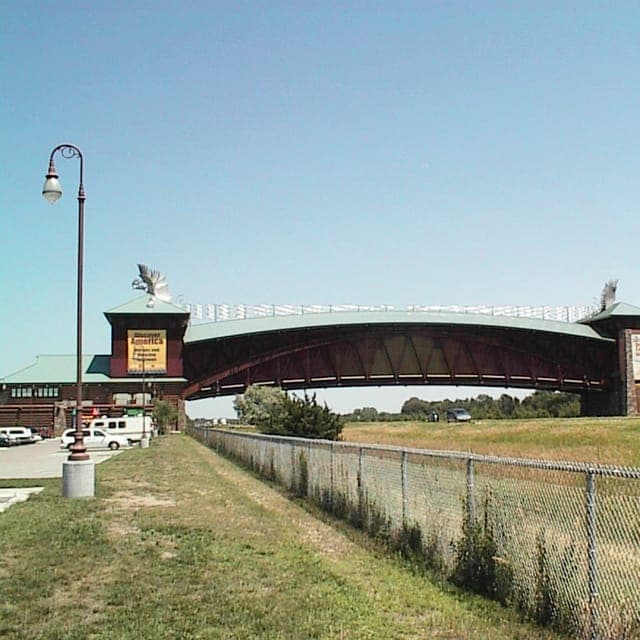
Beyond the two major metros, several mid-size cities and college towns provide a balance of amenities and affordability. Grand Island (pop. ~53,000) is a manufacturing and logistics center in the Platte River valley, known for its growing Hispanic community and the Nebraska State Fair; it appeals to those wanting a small-city feel with industrial job access. Kearney (pop. ~34,000), home to the University of Nebraska at Kearney, offers a classic college-town atmosphere with a walkable downtown, the Archway museum, and strong outdoor recreation along the Platte River. Fremont (pop. ~27,000) sits just northwest of Omaha and attracts commuters with its lower home prices (median around $200,000) and a historic downtown anchored by Midland University. Norfolk (pop. ~25,000) in northeast Nebraska is a regional healthcare and retail hub, drawing families with its low crime rates and the Faith Regional Health Services system. Hastings (pop. ~25,000) is known for its strong manufacturing base (Baldwin Filters, Dutton-Lainson) and the Hastings Museum, appealing to those who want a quiet, affordable town with a sense of history.
Small towns & rural areas
Nebraska’s small towns and rural areas offer a pace of life that is genuinely slow, with vast open landscapes and tight-knit communities. In the Sandhills region, towns like Valentine (pop. ~2,800) and Ogallala (pop. ~4,500) are gateways to the Niobrara River and Lake McConaughy, attracting outdoor enthusiasts who value hunting, fishing, and ranching. The Panhandle towns of Scottsbluff (pop. ~14,000) and Gering (pop. ~8,000) sit near Scotts Bluff National Monument and offer a high-desert landscape distinct from the eastern plains, with a lower cost of living (homes often under $180,000) and a strong agricultural economy. In the southeast, Beatrice (pop. ~12,000) and Fairbury (pop. ~3,800) provide classic small-town living with historic downtowns and access to the Homestead National Historical Park. These areas are best suited for retirees, remote workers, or those in agriculture who prioritize space and quiet over urban amenities; the trade-off is limited healthcare access and fewer job options outside farming, manufacturing, or retail.
Luxury vs. affordable living
The luxury tier in Nebraska is concentrated in a few affluent enclaves. In Omaha, the Dundee and Fairacres neighborhoods feature historic mansions and modern estates with median home values exceeding $500,000, while the suburb of Elkhorn offers new-build luxury homes on large lots, often $600,000–$1 million. Lincoln’s Country Club district and Woods Park area have similar high-end homes, with prices pushing $700,000 near the university. On the affordable end, South Sioux City (pop. ~13,000) in the northeast has median home values around $150,000 and rents near $800, drawing workers from the nearby Tyson Foods plant. Lexington (pop. ~10,000) in central Nebraska offers homes under $160,000 and a strong meatpacking industry, though it has higher poverty rates. McCook (pop. ~7,500) in the southwest has median home values around $130,000, making it one of the cheapest places to buy in the state, with a quiet, family-oriented atmosphere. The spread is wide: a luxury home in Omaha’s Fairacres can cost five times as much as a starter home in McCook, yet both are well below national averages.
The practical reality is that Nebraska’s quality-of-life spectrum is defined by trade-offs between urban opportunity and rural tranquility. Young professionals and creatives thrive in Omaha and Lincoln, where the job markets and cultural scenes are strongest. Families and remote workers often find the best balance in mid-size cities like Kearney or Fremont, where schools are solid and commutes are short. Retirees and those seeking land gravitate toward small towns in the Sandhills or Panhandle, accepting longer drives to hospitals and fewer dining options in exchange for peace and low costs. Across all tiers, the state’s low cost of living (index 85) and short average commute (19 minutes) provide a baseline of affordability and convenience that is rare nationally, making Nebraska a viable option for a wide range of lifestyles.

Crime in Nebraska
Generally safer than 65% of comparable U.S. locations.
Violent CrimeViolent Crime Analysis
Property CrimeProperty Crime Analysis
Crime Analysis
Nebraska’s overall crime rates remain below the national average, but the state’s safety picture is sharply divided between its largely rural expanse and its urban core. With a violent crime rate of 215.2 per 100,000 residents and a property crime rate of 1,378.5 per 100,000, Nebraska sits roughly 15% lower than the U.S. average for violent offenses and about 10% lower for property crimes. However, these statewide figures mask significant variation, as crime is heavily concentrated in Douglas and Lancaster counties, home to Omaha and Lincoln, while many smaller communities report rates near zero.
Crime in context
Nebraska’s violent crime rate of 215.2 per 100,000 is well below the national median of roughly 380 per 100,000, placing it among the safer states in the Great Plains region. Property crime at 1,378.5 per 100,000 also undercuts the U.S. average of about 1,950 per 100,000. The state’s relatively low population density and strong community policing in smaller jurisdictions contribute to these figures. However, Omaha and Lincoln drive the state’s totals upward: Omaha’s violent crime rate exceeds 500 per 100,000, while Lincoln’s hovers around 350 per 100,000. In contrast, communities like Kearney, Norfolk, and Grand Island report violent crime rates below 150 per 100,000, often matching the safest small cities in the Midwest. The disparity is even starker for property crime, where Omaha’s rate of roughly 2,200 per 100,000 is nearly double the state average.
What residents experience
For most Nebraskans living outside the I-80 corridor’s larger cities, daily life involves minimal exposure to violent crime. Property crime—particularly theft from vehicles and burglary—is the most common offense residents encounter, especially in suburban areas near Omaha and Lincoln. Douglas County, which includes Omaha, accounts for nearly 40% of the state’s reported violent crime and a similar share of property offenses. The county’s progressive district attorney, Don Kleine, has faced criticism for policies that emphasize diversion programs and reduced sentences for nonviolent offenders, a approach that some residents argue has contributed to repeat property crime. In Lancaster County, District Attorney Pat Condon has pursued a similar philosophy, with Lincoln seeing a 12% increase in property crime between 2020 and 2024. Residents in these metro areas report higher rates of package theft, car break-ins, and occasional gang-related violence, particularly in central Omaha neighborhoods like North Omaha and South Omaha.
Outside the urban centers, the experience is markedly different. In Scottsbluff and Columbus, residents describe a sense of security where unlocked doors remain common and neighborly watch programs are effective. The Nebraska State Patrol maintains a visible presence on highways and in rural counties, and local sheriffs’ offices in areas like Buffalo County (Kearney) and Platte County (Columbus) report clearance rates above 70% for property crimes, well above the national average of 30%. This contrast underscores how Nebraska’s safety is not uniform: the progressive judicial philosophies in Douglas and Lancaster counties create a more permissive environment for offenders, while conservative-leaning rural counties prioritize enforcement and incarceration, leading to lower recidivism.
Neighborhood-level variation
Within Omaha, safety varies dramatically by zip code. The Elkhorn and West Omaha neighborhoods report violent crime rates below 100 per 100,000, comparable to the safest small towns, while North Omaha (zip codes 68104, 68111) sees rates exceeding 1,200 per 100,000—nearly six times the state average. Lincoln’s Downtown and Near South areas have elevated property crime due to foot traffic and student populations, while South Lincoln and East Lincoln remain very safe. In smaller cities like Fremont and Beatrice, crime is almost entirely limited to isolated incidents, with residents reporting high trust in local law enforcement. For those considering relocation, choosing a neighborhood in a conservative-leaning county or a smaller city with a strong sheriff’s office offers the best protection against the lenient justice trends seen in Nebraska’s largest metros.
Top Cities for Quality of Life in Nebraska


* Values derived from national, state, county, city and local statistics and may differ in a specific area. Last updated: 2026-04-18T23:38:45.000Z
Narrative content on this page is AI-generated and may contain mistakes. Verify any details that matter before acting on them.
ReloMaps may earn a commission from affiliate links at no extra cost to you.

