Photo: Wikipedia
Personal Sovereignty in Nebraska
Viable for self-reliance. Generally workable, though some barriers may limit total independence.
What does Personal Sovereignty tell us?
Personal Sovereignty measures your capacity for self-reliance and independence with minimal government friction. Higher scores mean fewer barriers between you and the way you want to live... but it assumes you have the space you need and good neighbors.
What does this tell us?
Personal Sovereignty measures your capacity for self-reliance and independence with minimal government friction. Higher scores mean fewer barriers between you and the way you want to live... but it assumes you have the space you need and good neighbors.
State Policy
Energy independence: Importer (35% of energy produced in-state)
Personal Liberty
Homesteading

Personal Liberty Analysis
Nebraska offers one of the strongest environments for personal sovereignty in the Great Plains, particularly for those seeking to minimize government overreach in daily life. The state’s constitutional protections, low population density, and historically independent political culture create a legal landscape where individual autonomy is the default rather than the exception. For conservatives, preppers, and homesteaders, Nebraska’s practical freedoms—from gun rights to property use—routinely outperform coastal states, though the degree of liberty varies significantly between the eastern urban corridor and the vast western rangelands.
Tax burden and regulatory posture: how Nebraska compares to surrounding states
Nebraska’s tax structure is a mixed bag for sovereignty-minded individuals. The state imposes a progressive income tax with a top marginal rate of 6.84%, which is higher than neighboring South Dakota (which has no income tax) and Wyoming (also no income tax). Property taxes are among the highest in the nation, averaging roughly 1.5% of assessed home value, a burden that hits landowners in counties like Lancaster (Lincoln) and Douglas (Omaha) hardest. However, the regulatory posture is markedly lighter than in blue states. Nebraska has no state-level rent control, no universal background check law for private firearm sales, and no statewide zoning preemption that forces counties to accept high-density development. For those looking to escape California or New York-style overreach, cities like Scottsbluff and North Platte in the west offer significantly lower regulatory friction than Lincoln or Omaha. The state’s right-to-work law (enacted in 1947) further reduces union influence on private employment, giving workers more freedom to negotiate individually. Overall, the tax burden is moderate but the regulatory climate is friendly to small business and self-employment, especially in rural counties where county commissions rarely enforce nuisance ordinances against home-based enterprises.
Self-defense and gun law specifics: constitutional carry and castle doctrine
Nebraska is a strong Second Amendment state, having adopted constitutional carry (permitless concealed carry) in 2023 for residents 21 and older. This means no permit is required to carry a concealed handgun anywhere in the state, though reciprocity with other states varies. The state’s castle doctrine is robust: there is no duty to retreat in one’s home, vehicle, or place of business, and deadly force is presumed justified if an intruder unlawfully enters. Stand-your-ground protections extend to any place where a person has a legal right to be, which covers private property, public streets, and even campsites. For preppers concerned with self-defense during societal disruption, Nebraska’s laws are favorable. However, there are local nuances: Omaha and Lincoln have historically had more restrictive city ordinances regarding open carry and firearm storage in vehicles, though state preemption largely overrides these. In contrast, Kearney and Grand Island have gun-friendly cultures where open carry is common and rarely questioned. Magazine capacity is not restricted at the state level, and there is no state-level red flag law as of 2026, though local advocacy groups continue to push for one in the legislature. For those prioritizing self-reliance, the legal framework supports stockpiling ammunition and maintaining a well-armed household without fear of confiscation orders.
Self-reliance and homesteading viability: lot sizes, zoning, and off-grid feasibility
Nebraska’s vast geography makes it one of the most viable states for off-grid living and homesteading, but the feasibility depends heavily on location. In the Sandhills region and the Panhandle, counties like Cherry County and Sioux County have minimal zoning—often none at all—allowing landowners to build without permits, install solar panels, drill wells, and compost human waste without county interference. Lot sizes for unincorporated land start at 1 acre in many western counties, but 5- to 40-acre parcels are common and affordable, often under $2,000 per acre. In contrast, eastern Nebraska counties like Sarpy (suburban Omaha) and Lancaster have zoning codes that require minimum square footage for dwellings, restrict livestock, and mandate connection to municipal water or sewer. For those serious about self-sufficiency, Valentine and Ogallala offer the best combination of cheap land, lax building codes, and access to the Ogallala Aquifer for water. Off-grid solar is legal statewide, but net metering policies vary by utility; rural electric cooperatives in the west are generally more accommodating than investor-owned utilities in the east. Rainwater collection is unrestricted, and composting toilets are permitted under state health codes as long as they meet basic sanitation standards. The biggest practical hurdle is the harsh winter climate, which demands serious insulation and backup heating—but that’s a matter of preparation, not government permission.
Personal liberties: parental rights, medical autonomy, speech, and property
Nebraska’s legal environment strongly favors parental rights in education and healthcare. The state has no laws requiring schools to hide a child’s gender identity from parents, and the 2023 “Parents’ Bill of Rights” (LB 705) explicitly affirms that parents have the fundamental right to direct their child’s upbringing, education, and medical care. This includes the right to opt children out of any curriculum or activity without penalty. Medical autonomy for adults is less clear: Nebraska has no state-level vaccine mandate for adults, but private employers can require them. The state does not have a right-to-try law for terminally ill patients (though federal law covers that), and there is no explicit protection for alternative medicine practitioners. Property rights are strong under Nebraska’s constitution, which prohibits eminent domain for private economic development (a response to the Kelo decision). This means your land cannot be seized for a shopping mall or corporate campus. Free speech protections are robust, with no state-level hate speech laws that criminalize political expression. For those concerned about government overreach during emergencies, Nebraska’s emergency powers statute (Neb. Rev. Stat. § 81-829.36) limits the governor’s ability to suspend laws or order quarantines without legislative approval—a check that proved meaningful during the COVID-19 response. In Fremont and Columbus, local governments have resisted federal grant conditions that would infringe on Second Amendment rights, reflecting a culture of localism that preppers value.
Compared to the rest of the country, Nebraska ranks in the top tier for personal sovereignty among non-mountain West states. It lacks the extreme libertarian lean of New Hampshire or Alaska, but it offers a more practical, middle-American balance: low regulatory friction in rural areas, strong gun and property rights, and a political culture that still respects the individual over the collective. For those willing to live outside the Omaha-Lincoln orbit, the state provides one of the last affordable frontiers for self-reliant living without constant government interference. The trade-off is higher property taxes and a colder climate, but for sovereignty-minded individuals, Nebraska’s legal framework is a solid foundation to build upon.

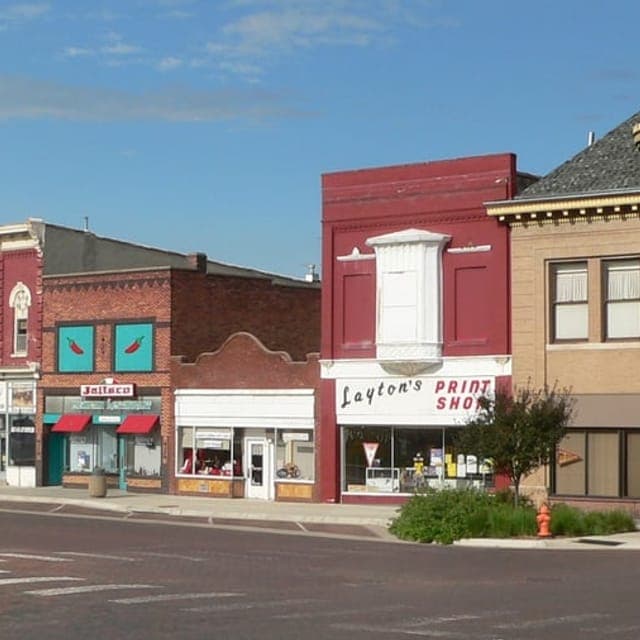
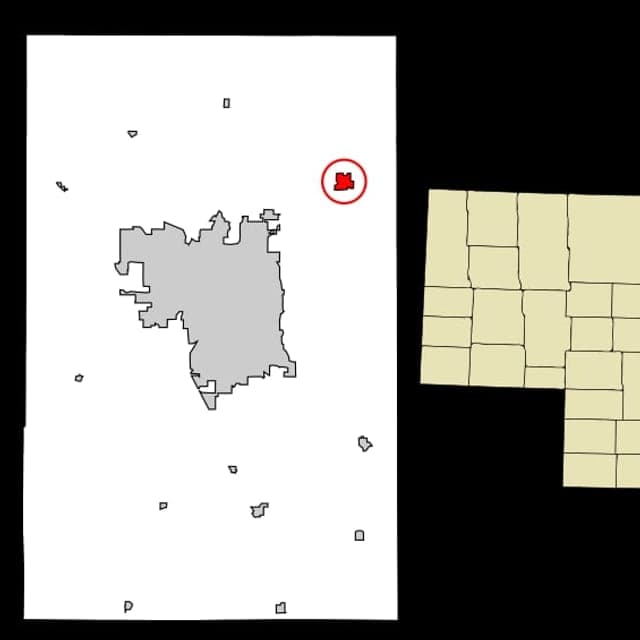
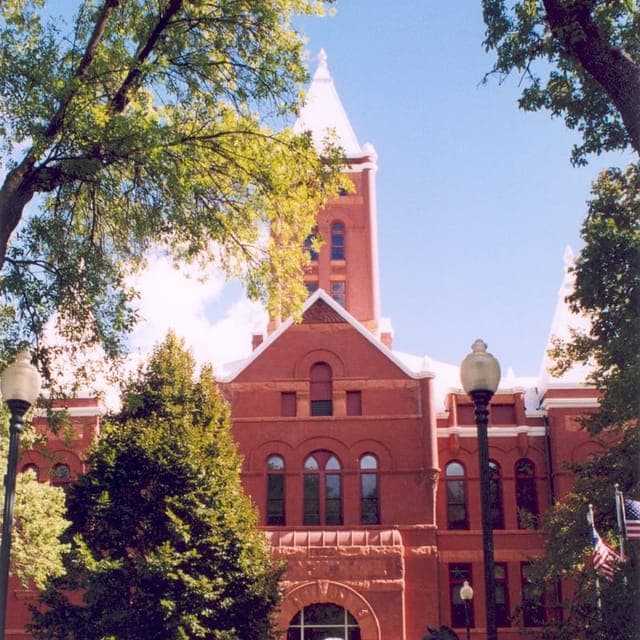
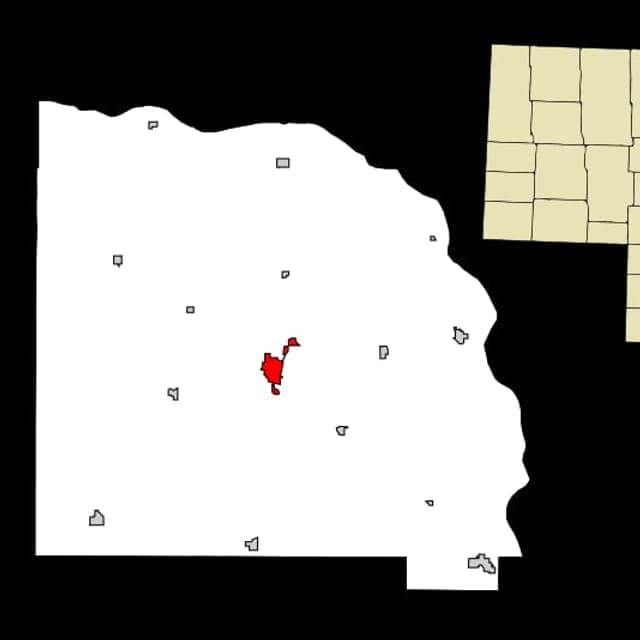
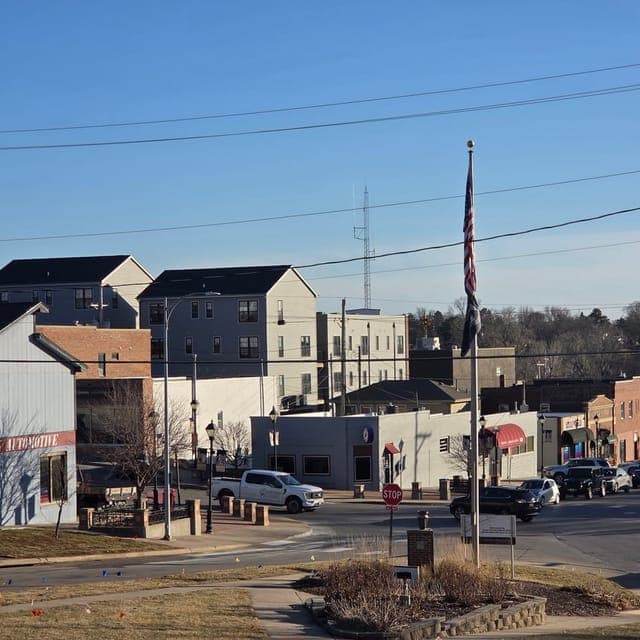
Top Cities for Personal Sovereignty in Nebraska

* Values derived from national, state, county, city and local statistics and may differ in a specific area. Last updated: 2026-04-18T23:38:45.000Z
Narrative content on this page is AI-generated and may contain mistakes. Verify any details that matter before acting on them.
ReloMaps may earn a commission from affiliate links at no extra cost to you.

