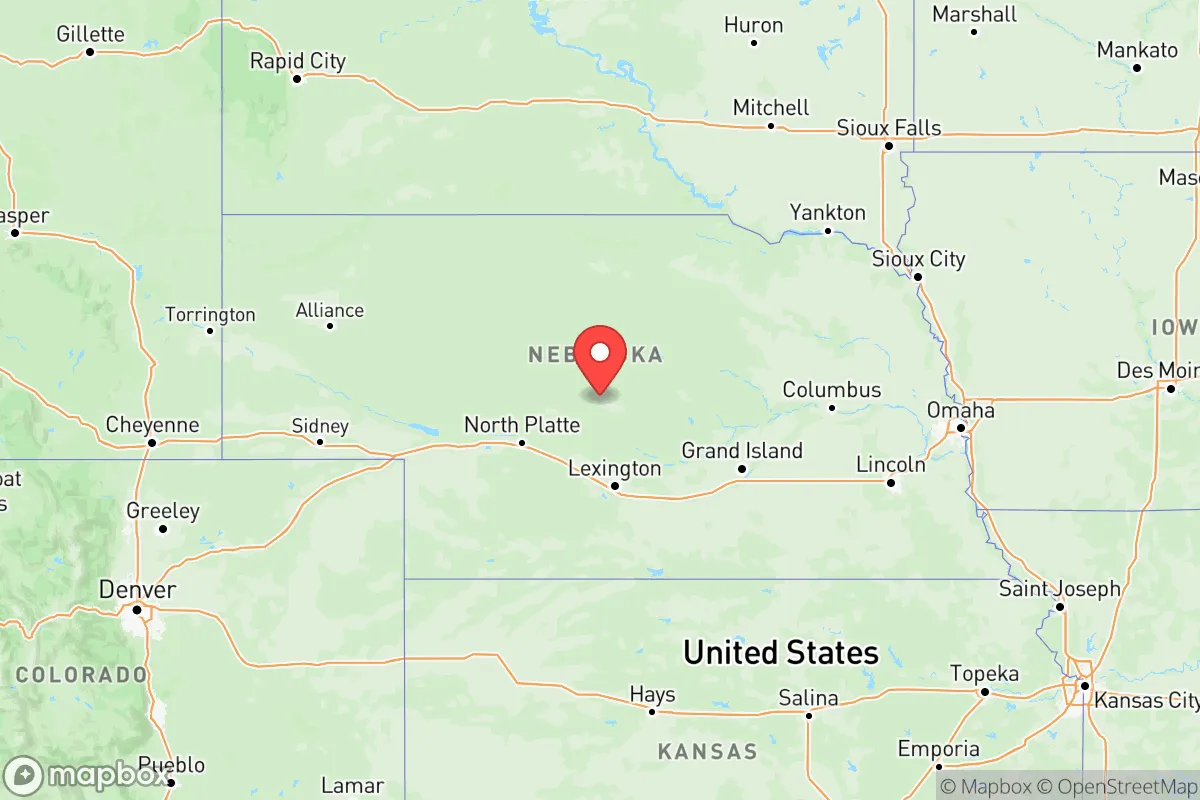
Photo: Wikipedia
Strategic Assessment of Nebraska
Strong survivability profile. Good buffer from population centers, with manageable environmental and tactical risks.
What does the Strategic Assessment tell us?
Our Strategic Assessment grades tactical survivability of an area. Major population centers, military targets, fallout zones, natural disasters, and border exposure all drive risk — lower exposure means a more defensible position in a crisis.
This is heavily inspired by Joel Skousen's Strategic Relocation book. Highly recommended you checkout the book ($)What does this tell us?
Our Strategic Assessment grades tactical survivability of an area. Major population centers, military targets, fallout zones, natural disasters, and border exposure all drive risk — lower exposure means a more defensible position in a crisis.
This is heavily inspired by Joel Skousen's Strategic Relocation book. Highly recommended you checkout the book ($)Regional Safe Places
Below is our recommended "safe zones" in Nebraska and the surrounding area based on our strategic heuristics. For most people, it's unrealistic to live in a “safe zone” full-time due to work, family or other personal reasons. They tend to be more rural. However, many of these areas are perfect for second homes and retreat properties that double as a vacation home or even a short-term rental.
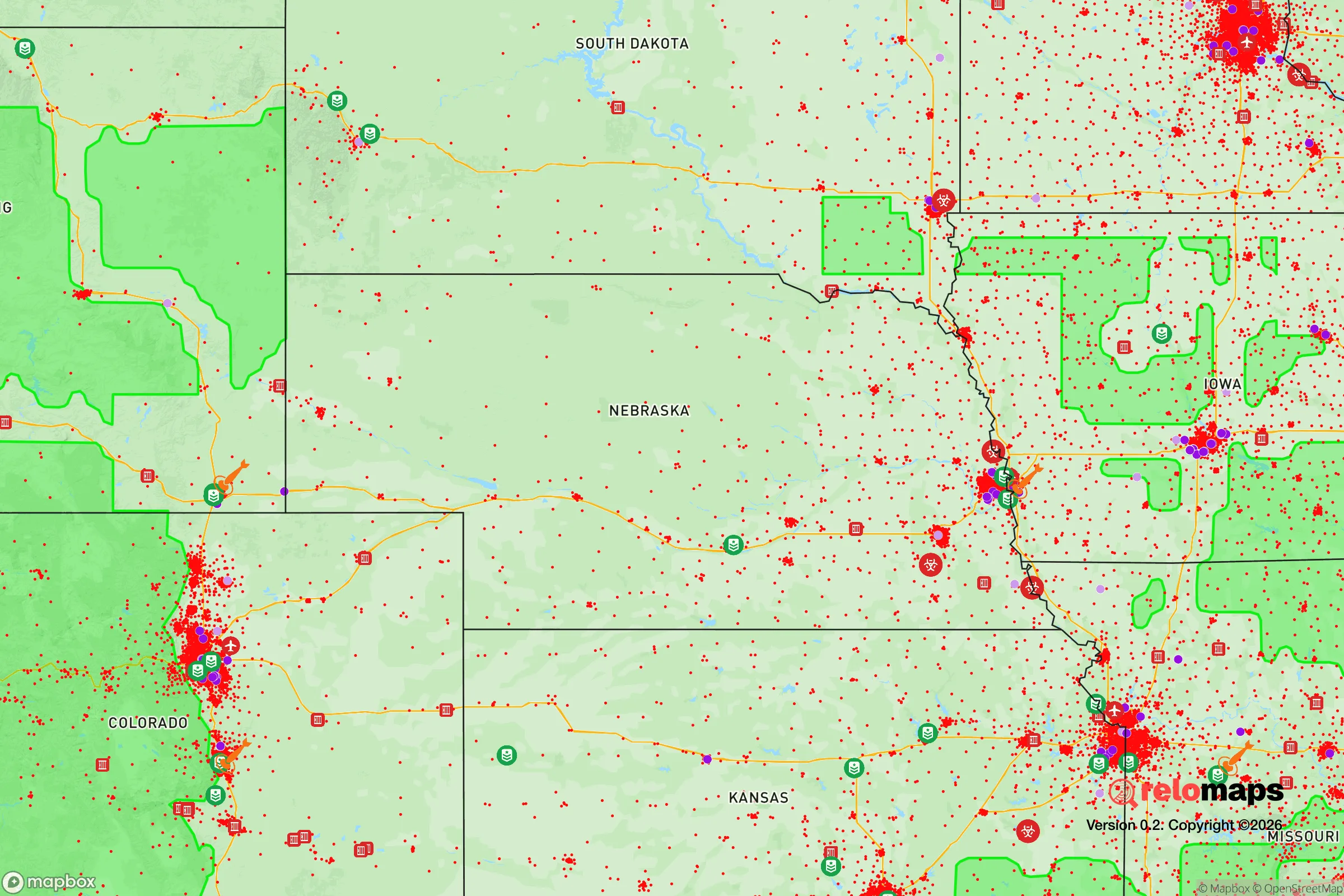
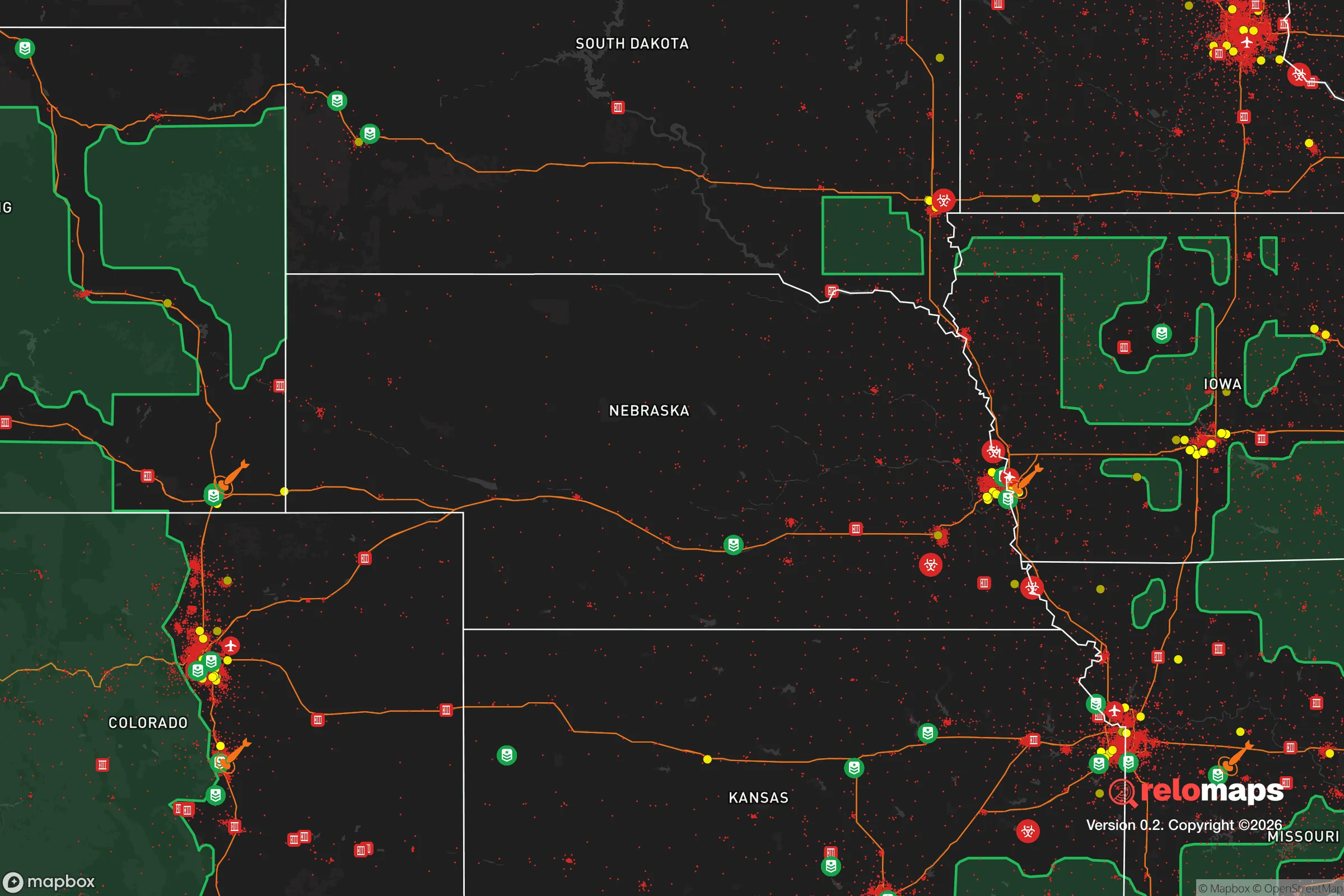


Important Note: For informational purposes only. This does not mean nothing bad ever happens in the green zones. Please use common sense. This is based on public data and modeled with AI. We tried to take a conservative approach but mistakes happen. We update this regularly as new information becomes available.
Solar Generator Recommendations
Backup power matters more here than in safer locations. We've picked three solar generators across budgets and capacity tiers — start with the budget unit if you only need a few essentials, or step up if you want to run a fridge and HVAC for days at a time.

Jackery Portable Power Station Explorer 300
Budget OptionPower on the Go: Weighing only 11 lbs, it's convenient to set up and store with book-sized foldable solar panels

BLUETTI Portable Power Station AC180
Designed for both indoor and outdoor scenarios, AC180 is highly capable as it has a robost capacity and continuous output power.

EF ECOFLOW DELTA Pro Ultra Power Station
Upgraded PickEcoFlow DELTA Pro Ultra is a whole-home energy system designed to grow with your family. Integrated with the Smart Home Panel 2, it scales to meet your evolving energy needs — keeping your home powered, intelligent, and secure through every stage of life.
We earn a commission, at no additional cost to you.
Strategic Assessment Analysis
Nebraska offers a strategic relocation option for those prioritizing resilience, offering a blend of geographic isolation, agricultural self-sufficiency, and low population density that makes it a standout choice for conservative-minded individuals and families preparing for civic unrest or large-scale disruptions. The state’s position in the Great Plains, far from coastal megacities and major fault lines, provides a natural buffer against many of the cascading failures that could affect more densely populated regions. With a population density of just 25 people per square mile—compared to the national average of 94—Nebraska gives relocators breathing room, both physically and logistically, while still maintaining access to essential infrastructure and community networks.
Geographic position and natural advantages for long-term security
Nebraska’s central location in the U.S. is its first line of defense. It sits over 1,000 miles from both the Atlantic and Pacific coasts, placing it well outside the immediate fallout zones of major port cities like Los Angeles or New York. The state is also far from the seismic risks of the West Coast and the hurricane-prone Gulf Coast, with the nearest active fault line being the New Madrid Seismic Zone over 400 miles to the southeast. The Ogallala Aquifer, one of the largest freshwater reserves in the world, lies beneath much of western and central Nebraska, providing a reliable water source that is less vulnerable to surface contamination than rivers or reservoirs. Key towns like North Platte and Ogallala sit directly over this aquifer, offering relocators access to groundwater that could sustain a household or small community for decades without municipal dependence. The Platte River system, running east-west across the state, adds another layer of water security, with tributaries like the Loup and Elkhorn Rivers providing redundancy. For energy, Nebraska is a net exporter of electricity, thanks to a mix of coal, natural gas, and wind power, with the Fort Calhoun nuclear plant (though decommissioned in 2016) and the Cooper Nuclear Station near Brownville still providing baseload capacity. This energy surplus means that even during a grid disruption, rural areas are less likely to face the prolonged blackouts seen in states like California or Texas.
Risks, exposures, and proximity to fallout-relevant landmarks
No location is without risk, and Nebraska has its share of vulnerabilities that a strategic relocator must weigh. The state’s eastern edge, particularly around Omaha and Lincoln, is the primary concern. Omaha is home to Offutt Air Force Base, headquarters of U.S. Strategic Command (STRATCOM), which oversees the nation’s nuclear arsenal. In a major conflict or terror event, this facility becomes a high-value target, with potential fallout zones extending 20-30 miles downwind. Lincoln, as the state capital and a regional economic hub, also carries elevated risk from secondary effects like mass evacuation or supply chain disruption. The Kearney area, while more isolated, sits near the Union Pacific rail yard, a critical node for transcontinental freight that could become a choke point during unrest. On the positive side, Nebraska has no major oil refineries, chemical plants, or deepwater ports, which are common targets in asymmetric attacks. The state’s primary industrial hazards are concentrated in the Sioux City area (just across the Iowa border) and the Beatrice region, where fertilizer and ethanol plants operate. For a relocator, the strategic play is to avoid the I-80 corridor east of Grand Island, which funnels traffic and risk from Omaha westward. Instead, focus on counties like Cherry, Hooker, or Arthur in the Sandhills region, where population density drops below 1 person per square mile and the nearest target-worthy landmark is over 100 miles away.
Practical resilience for a relocator: food, water, energy, and defensibility
Nebraska’s agricultural output makes it one of the few states where a relocator can achieve genuine food sovereignty. The state is the nation’s top producer of Great Northern beans, popcorn, and beef, with over 45,000 farms covering 45 million acres. For a family looking to homestead, counties like Custer or Valley offer affordable land—often under $2,000 per acre—with soil that supports row crops, pasture, and orchards. Water access is straightforward: the Ogallala Aquifer provides consistent yields through shallow wells, and surface water from the Platte, Republican, and Niobrara Rivers can be diverted for irrigation with minimal regulatory friction compared to Western states. Energy resilience is equally strong. Nebraska’s wind potential ranks among the top five in the nation, and many rural counties allow small-scale wind turbines without the permitting headaches seen in coastal states. Solar is viable year-round, with an average of 220 sunny days per year in the Panhandle region. For defensibility, the Sandhills region offers natural cover: rolling dunes, sparse road networks, and limited cell coverage make it difficult for large groups to navigate or coordinate. The Chadron area in the northwest, near the Pine Ridge escarpment, provides elevation and forest cover—rare in Nebraska—that can be used for observation and concealment. Local law enforcement in these counties is often understaffed, but the strong culture of mutual aid and volunteer fire departments means that communities self-organize quickly during emergencies. The downside is that medical care is sparse; the nearest trauma center for a resident of Hyannis (population 165) is over 100 miles away in North Platte, so a relocator must plan for self-sufficient first aid and telemedicine.
The overall strategic picture for Nebraska is one of calculated trade-offs. It offers exceptional natural resources, low population density, and distance from primary targets, making it a strong candidate for a long-term resilience base. The risks are real but manageable: avoid the Omaha-Lincoln axis, secure your own water and energy, and build relationships with neighbors who share your preparedness mindset. For the conservative relocator who values self-reliance and community over convenience and connectivity, Nebraska provides a solid foundation—just be ready for the isolation, the winters, and the fact that the nearest Home Depot might be a two-hour drive away.

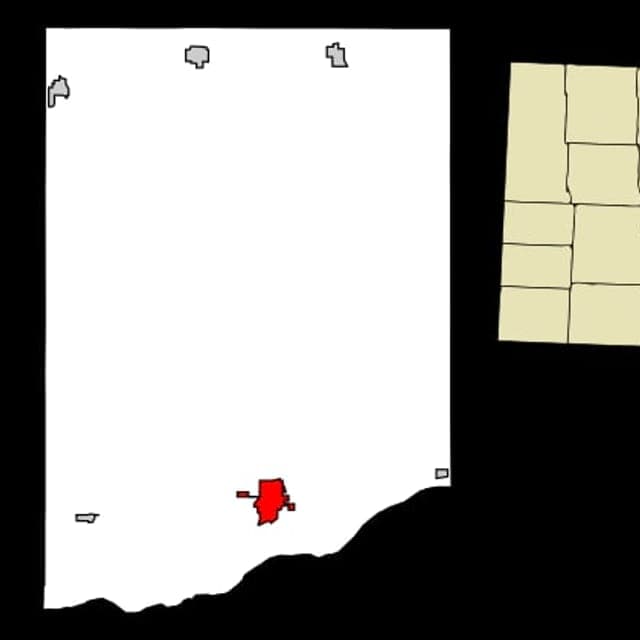
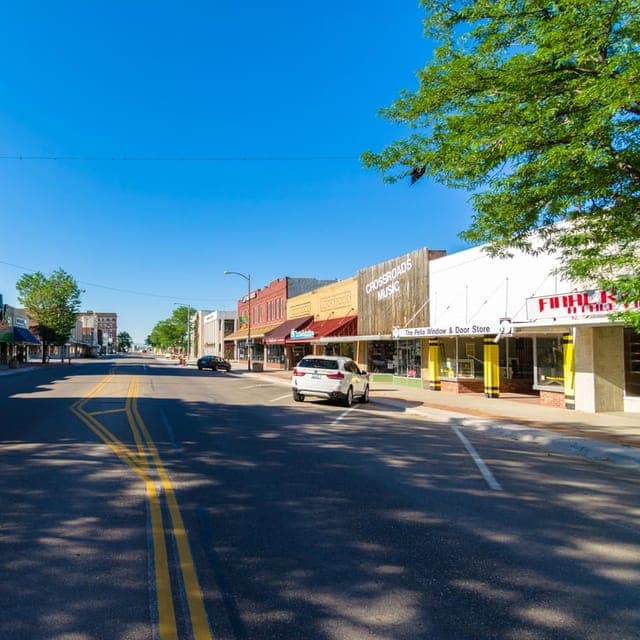
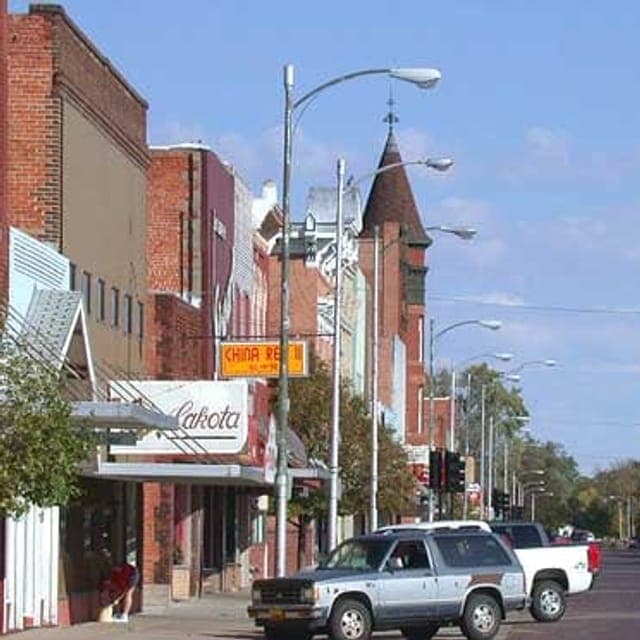
Top 10 Cities by Strategic Assessment in Nebraska
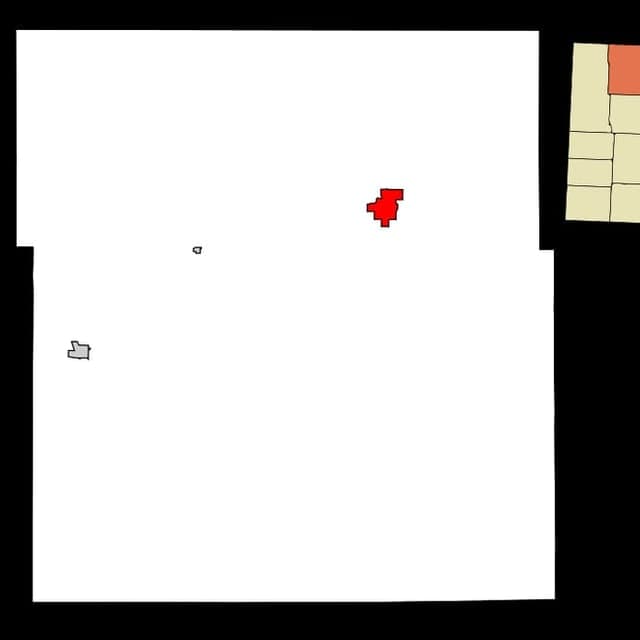
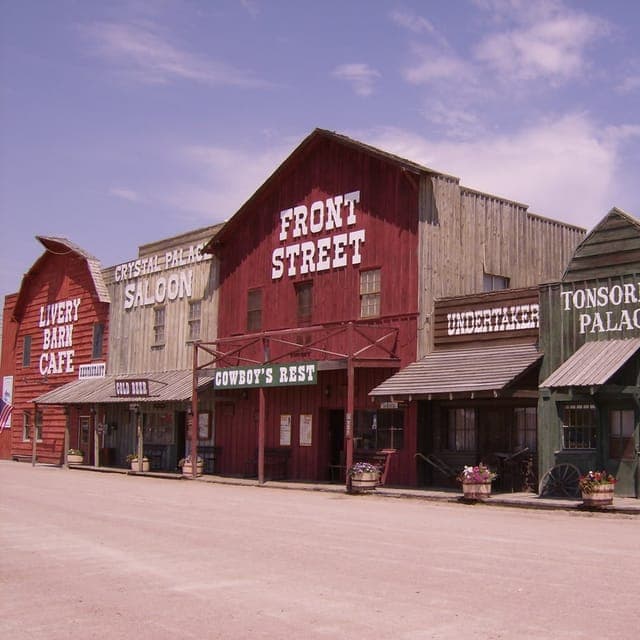
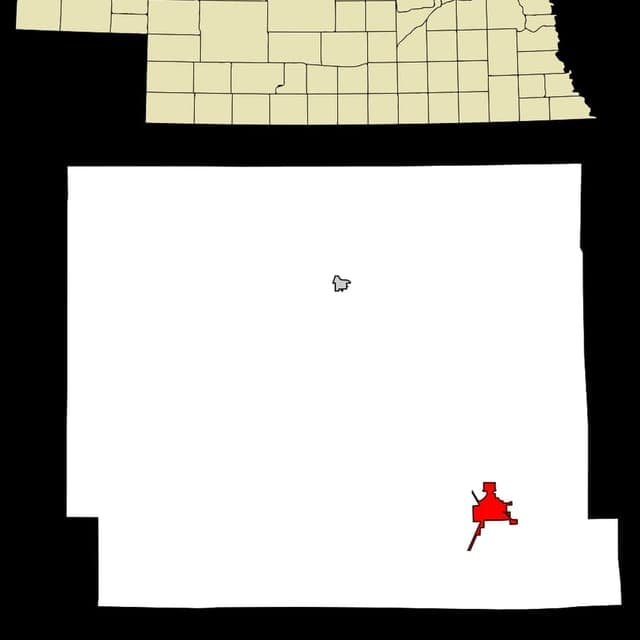
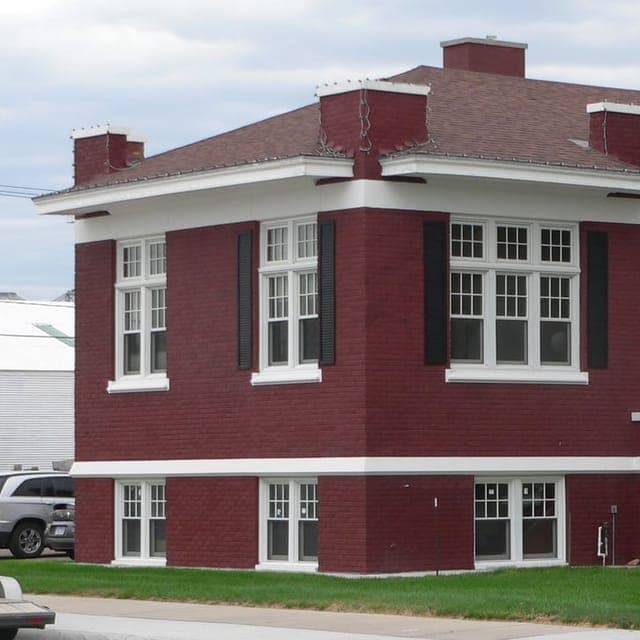
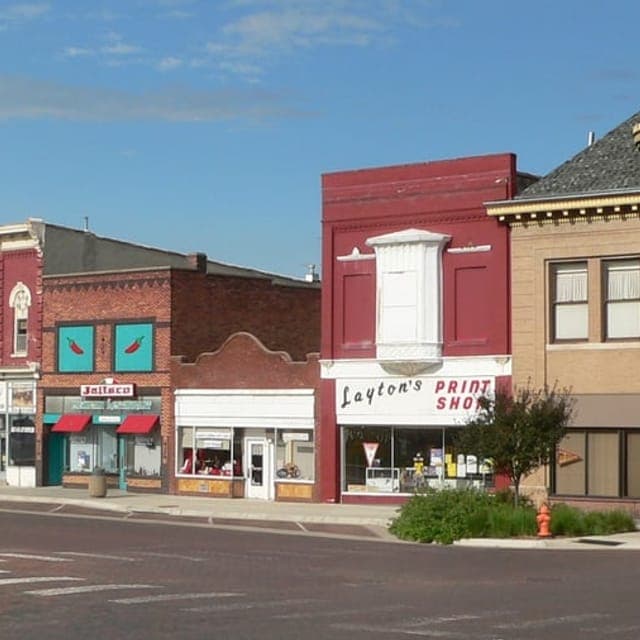
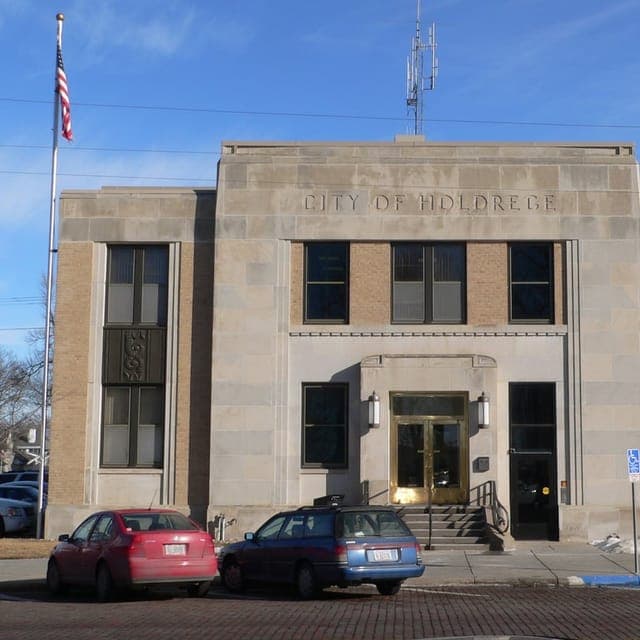
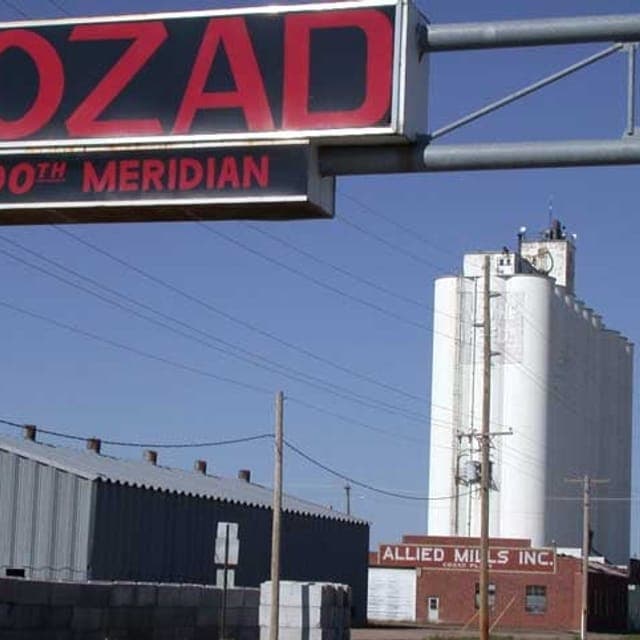
* Values derived from national, state, county, city and local statistics and may differ in a specific area. Last updated: 2026-04-18T23:38:45.000Z
Narrative content on this page is AI-generated and may contain mistakes. Verify any details that matter before acting on them.
ReloMaps may earn a commission from affiliate links at no extra cost to you.

