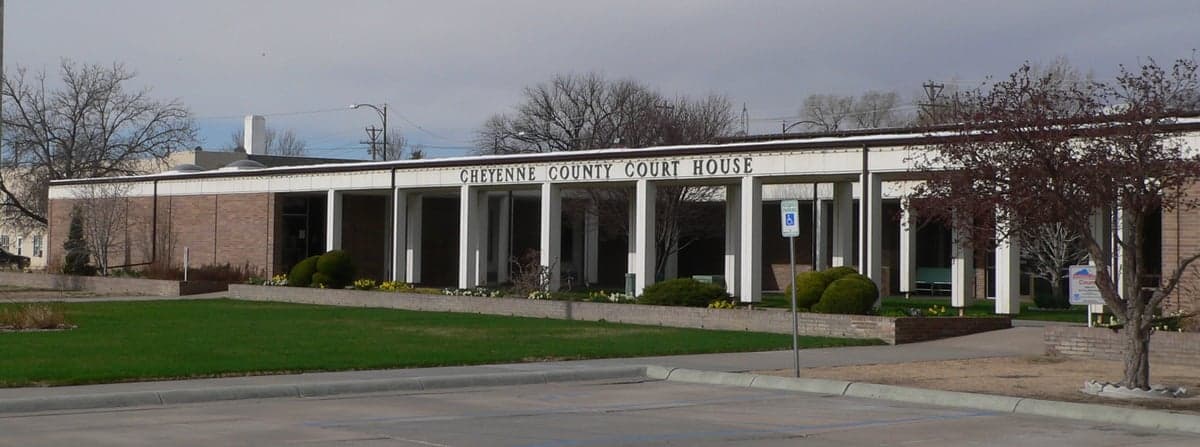
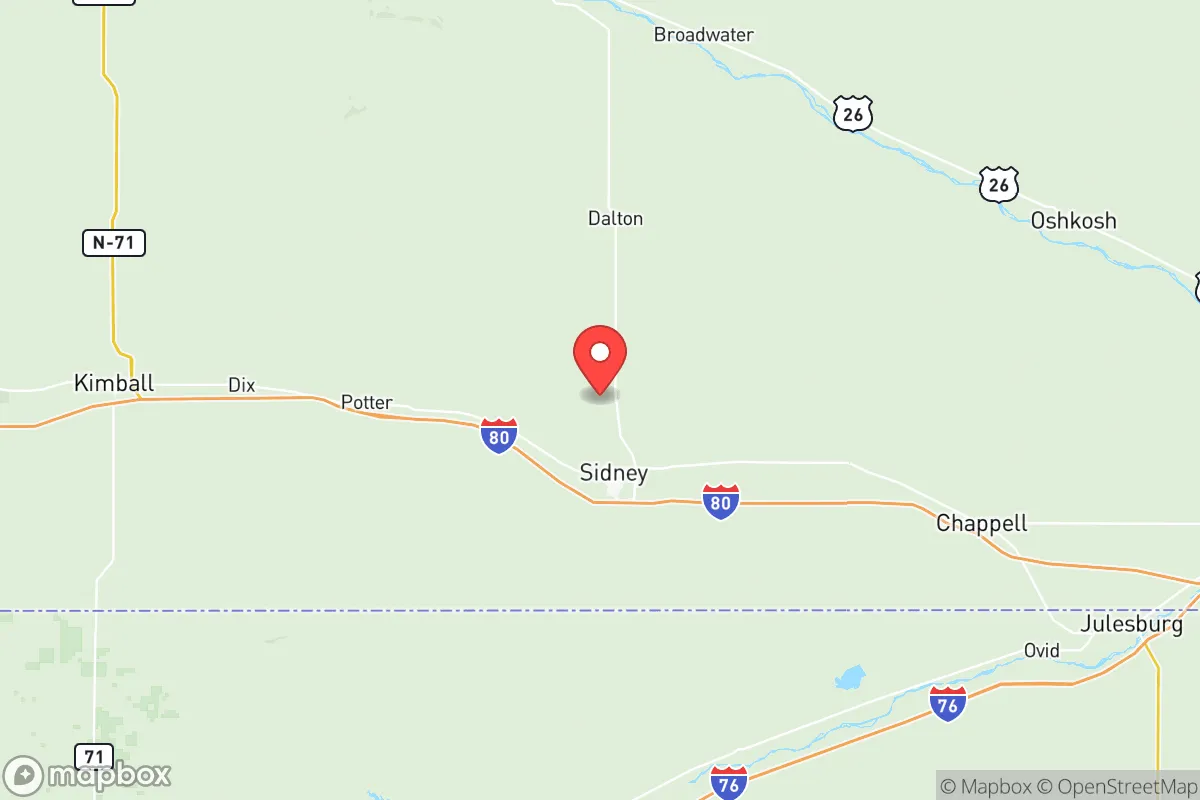
Photo: Wikipedia
Quality of Life in Cheyenne County
A livable area that tracks near national norms for affordability, walkability, and neighborhood health.
What does Quality of Life tell us?
Quality of Life measures an area by evaluating factors like cost of living, nearby amenities, country club access, airport proximity, socioeconomic signals and neighborhood character. For large states, this is a general average — quality of life can vary dramatically between metro areas, suburbs, and rural communities within the same state.
What does this tell us?
Quality of Life measures an area by evaluating factors like cost of living, nearby amenities, country club access, airport proximity, socioeconomic signals and neighborhood character. For large states, this is a general average — quality of life can vary dramatically between metro areas, suburbs, and rural communities within the same state.
Cost of Living
35% below national average
156%
The Real Cost of Living in Cheyenne County for 2026
| Tier | Individual | Family (4) |
|---|---|---|
| Survival | $15k | $27k |
| Comfortable | $25k | $37k |
| Luxury | $104k+ | $161k+ |
| Elite (Top 5%) | $122k+ | $189k+ |
Quality-of-Life Analysis
Cheyenne County, Nebraska, offers a quality-of-life spectrum that spans from the modest urban amenities of its county seat, Sidney, to the quiet self-reliance of unincorporated hamlets and open-range ranchland. With a cost-of-living index of 65 (35% below the national average) and an average commute of just over 15 minutes, the county attracts a mix of workers tied to the region's transportation, agriculture, and manufacturing sectors, as well as retirees and remote professionals seeking affordable space. The character of daily life shifts noticeably depending on whether a resident lives within Sidney's city limits, in a smaller village like Potter or Gurley, or on a farmstead outside Lodgepole.
Largest town(s) & population centers
Sidney is the county's undisputed hub, home to roughly two-thirds of Cheyenne County's population. Daily life here centers around the Cabela's headquarters and distribution center, which anchors the local economy, along with regional healthcare at Sidney Regional Medical Center and the public school system. Residents have access to a grocery store, a movie theater, a municipal golf course, and a handful of chain and local restaurants along U.S. Highway 30. The median home value in the county sits at $129,100, and while Sidney's housing stock is slightly pricier than the county's rural fringe, it remains deeply affordable compared to the national median. The town's paved streets, reliable utilities, and presence of a Walmart Supercenter make it the go-to location for families and workers who want convenience without a long drive.
Smaller towns & rural pockets
Outside Sidney, the county's smaller communities each have a distinct character. Potter (population roughly 350) sits along the Union Pacific rail line and offers a quiet, walkable village core with a post office, a bar, and a grain elevator. Gurley (population around 200) is similarly compact, with a volunteer fire department and a strong sense of neighborly interdependence. Lodgepole, named for the nearby state recreation area, draws a handful of outdoor enthusiasts and seasonal visitors. Further west, the unincorporated area of Brownson and the ghost town of Sunol represent the most remote end of the spectrum, where residents rely on well water, septic systems, and gravel roads. These pockets appeal to those who prioritize privacy, land ownership, and a slower pace over proximity to retail or healthcare.
Cost & lifestyle range
The cost-of-living spread across Cheyenne County is narrow in dollar terms but meaningful in lifestyle trade-offs. In Sidney, median rent is $912, and a typical mortgage on a $129,100 home is manageable even on a single manufacturing or retail wage. Utility costs and property taxes are consistent across the county, but the real savings come in the smaller towns and rural areas, where land is cheaper and housing stock is older. A buyer can often find a fixer-upper in Potter or Gurley for under $80,000, whereas a newer or renovated home in Sidney might push toward $180,000. The trade-off is access: Sidney residents have a 5-minute commute to work or school, while a resident near Lodgepole might drive 20 minutes to reach a grocery store. For those who value land and quiet, the rural fringe offers acreage and lower property costs; for those who value walkability and services, Sidney is the clear choice.
The resident who thrives in Cheyenne County is typically someone who values financial breathing room, short commutes, and a community where neighbors know each other by name. Workers in logistics, agriculture, and healthcare find stable employment, while remote workers and retirees benefit from the low cost of living and minimal traffic. The county's range of options — from Sidney's small-city amenities to the solitude of a Brownson farmstead — means that nearly anyone seeking an affordable, low-stress life on the High Plains can find a niche that fits their budget and lifestyle preferences.

Crime in Cheyenne County
Generally safer than 65% of comparable U.S. locations.
Violent CrimeViolent Crime Analysis
Property CrimeProperty Crime Analysis
Crime Analysis
Cheyenne County, Nebraska, reports a violent crime rate of 219.7 incidents per 100,000 residents and a property crime rate of 1,391.6 per 100,000, placing it in a moderate safety tier relative to both state and national benchmarks. The county seat of Sidney serves as the primary population and economic hub, while smaller communities like Potter, Gurley, and Lodgepole experience significantly lower incident volumes due to their sparse populations. Overall, the county presents a mixed safety picture where property offenses drive the majority of reported crime, while violent incidents remain infrequent but not negligible.
Crime in context
Cheyenne County’s violent crime rate of 219.7 per 100,000 sits roughly 40% below the national average of 380 per 100,000, but slightly above the Nebraska state average of approximately 210 per 100,000. Property crime in the county, at 1,391.6 per 100,000, exceeds both the national average (around 1,950) and the Nebraska average (roughly 1,500), indicating that theft and burglary are the more pressing public safety concerns. The county’s location along Interstate 80, a major east-west freight corridor, contributes to transient property crime, particularly vehicle break-ins and cargo theft near truck stops and hotels in Sidney. By contrast, violent offenses such as aggravated assault and robbery are concentrated in a small number of incidents, often tied to domestic disputes or alcohol-related altercations rather than random street crime.
What residents experience
Residents of Cheyenne County report that property crime is the most visible safety issue, with unlocked vehicles and outbuildings being common targets in both Sidney and the smaller towns. The Sidney Police Department and the Cheyenne County Sheriff’s Office maintain a visible presence, and clearance rates for violent crimes are generally high due to the close-knit nature of the community. However, the county’s judicial district, part of Nebraska’s 12th Judicial District, has not adopted the progressive prosecutorial policies seen in larger urban areas like Lincoln or Omaha. District attorneys in Cheyenne County have historically pursued charges and sentencing consistent with state guidelines, avoiding the lenient plea-bargaining or diversion-heavy approaches that critics argue embolden repeat offenders in more liberal jurisdictions. This conservative legal environment means that convicted offenders are more likely to face incarceration, which contributes to the county’s relatively low violent crime rate and provides a deterrent effect that residents appreciate.
For families and retirees considering relocation, the practical experience of safety in Cheyenne County is shaped by daily routines rather than fear of victimization. Schools in Sidney report few security incidents, and community events like the county fair and high school sports draw large crowds without significant police intervention. The main caution for newcomers is property crime prevention: locking vehicles, securing sheds, and installing outdoor lighting are standard practices. In Potter and Gurley, where populations are under 500, residents often leave doors unlocked during the day, but nighttime property crime does occur, particularly targeting farm equipment and tools.
Neighborhood-level variation within Cheyenne County is modest but discernible. Sidney’s older residential areas near the downtown core and the industrial zone along U.S. Highway 30 see slightly higher property crime rates than the newer subdivisions on the town’s east side. The rural areas surrounding Lodgepole and Brownson experience almost no violent crime, but agricultural theft—such as fuel siphoning and equipment burglary—remains a periodic concern. Overall, Cheyenne County offers a safety profile that is better than the national average for violent crime, with property crime as the primary risk, and a judicial system that prioritizes accountability over progressive leniency.
* Values derived from national, state, county, city and local statistics and may differ in a specific area. Last updated: 2026-07-02T15:29:05.000Z
Narrative content on this page is AI-generated and may contain mistakes. Verify any details that matter before acting on them.
ReloMaps may earn a commission from affiliate links at no extra cost to you.

