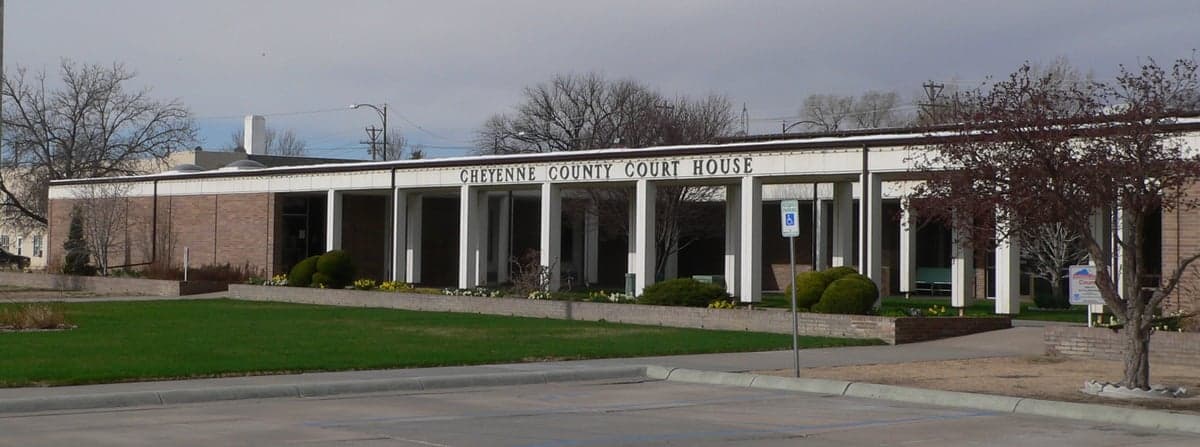
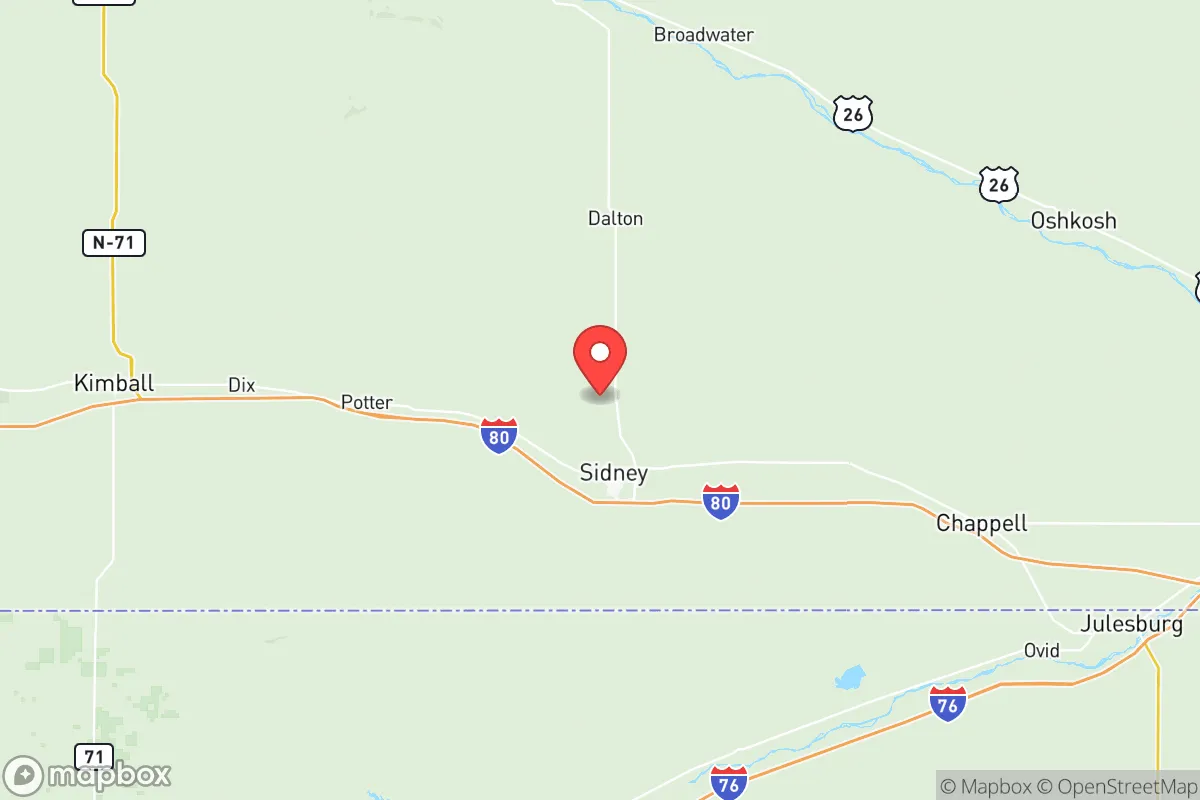
Photo: Wikipedia
Find The Best Places To Live in Cheyenne County
PRO TIP! You can paste a Zillow or Redfin link to get info on that property.
Best Places to Live in Cheyenne County
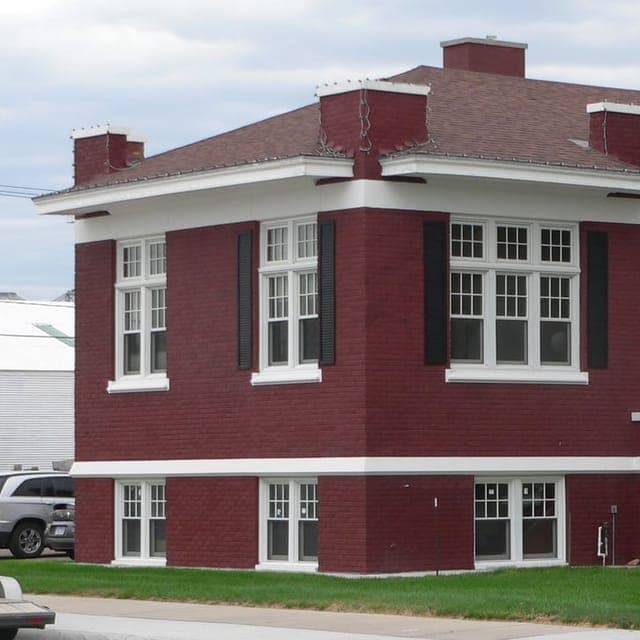
Cities & Towns in Cheyenne County
Cities in Cheyenne County
What It's Like Living in Cheyenne County, NE
Living in Cheyenne County, Nebraska, feels a lot like stepping into a version of the Great Plains where the pace is slow, the people are direct, and the nearest traffic jam is a line of tractors at harvest time. With just over 9,400 residents spread across the county seat of Sidney, the smaller town of Potter, and the rural stretches in between, this is a place where you know your neighbors by name and the high school football game on Friday night is the main event. It’s a community built around agriculture, the railroad, and a quiet self-reliance that appeals to folks looking for a lower cost of living and a life with fewer distractions.
Daily Rhythm in a County of Wide-Open Spaces
For most people in Cheyenne County, the day starts early. In Sidney, you’ll see workers heading to Cabela’s headquarters—still a major employer here—or to the local hospitals and schools. The average commute is just over 15 minutes, which means you’re not burning gas or time getting to work. In Potter, a town of fewer than 400 people, daily life revolves around the grain elevator and the local co-op. Shopping for groceries or a new pair of boots usually means a trip to Sidney’s Walmart or one of the smaller Main Street shops. The median home value sits at $129,100, and with a cost of living index of 65—well below the national average—a family on a median income of $57,594 can actually afford a decent house and a reliable truck. The kind of person who fits in here is someone who doesn’t mind a long winter, values hard work over flash, and prefers a quiet evening at home to a night out on the town.
Sports, Community, and What People Do for Fun
High school sports are the heartbeat of Cheyenne County. On fall Fridays, the stands at Sidney High School’s football field are packed with parents, grandparents, and former players. The Sidney Red Raiders are a source of genuine pride, and the rivalry with nearby Scottsbluff or Gering can draw the whole county out. In Potter, the Panthers play six-man football, and the whole town turns out for games. Beyond sports, the community gathers for the Cheyenne County Fair in August, which brings carnival rides, 4-H livestock shows, and a rodeo that feels like a genuine slice of rural life. For outdoor recreation, locals head to Oliver Reservoir, just south of Sidney, for fishing, camping, and boating in the summer. Winters are quieter, but ice fishing and snowmobiling have their dedicated crowds. The biggest cultural quirk? People here are fiercely independent but will drop everything to help a neighbor haul hay or fix a fence—it’s a code that’s lived, not talked about.
Pros and Cons of Life in Cheyenne County
Living here comes with clear trade-offs. On the plus side, the cost of living is almost absurdly low compared to the rest of the country. A family can buy a three-bedroom home in Sidney for well under $150,000, and property taxes, while not trivial, are manageable. The violent crime rate of 219.7 per 100,000 is slightly above the national average, but most residents will tell you it’s concentrated in specific situations and that they feel safe leaving their doors unlocked in Potter or the rural areas. The schools—Sidney Public Schools and Potter-Dix Public Schools—are small enough that teachers know every student by name, and parent involvement is high. On the downside, entertainment options are limited. There’s no major music venue, no shopping mall, and the nearest city with a real nightlife scene is Cheyenne, Wyoming, about 90 minutes west. Winters can be brutal, with wind chills that make you question your life choices, and summers bring the occasional drought. For single people in their twenties, the dating pool is shallow, and many young adults move to Lincoln or Denver after high school. But for families who want their kids to grow up with space to roam and a community that looks out for them, Cheyenne County delivers.

* Values derived from national, state, county, city and local statistics and may differ in a specific area. Last updated: 2026-07-02T15:29:05.000Z
Narrative content on this page is AI-generated and may contain mistakes. Verify any details that matter before acting on them.
ReloMaps may earn a commission from affiliate links at no extra cost to you.

