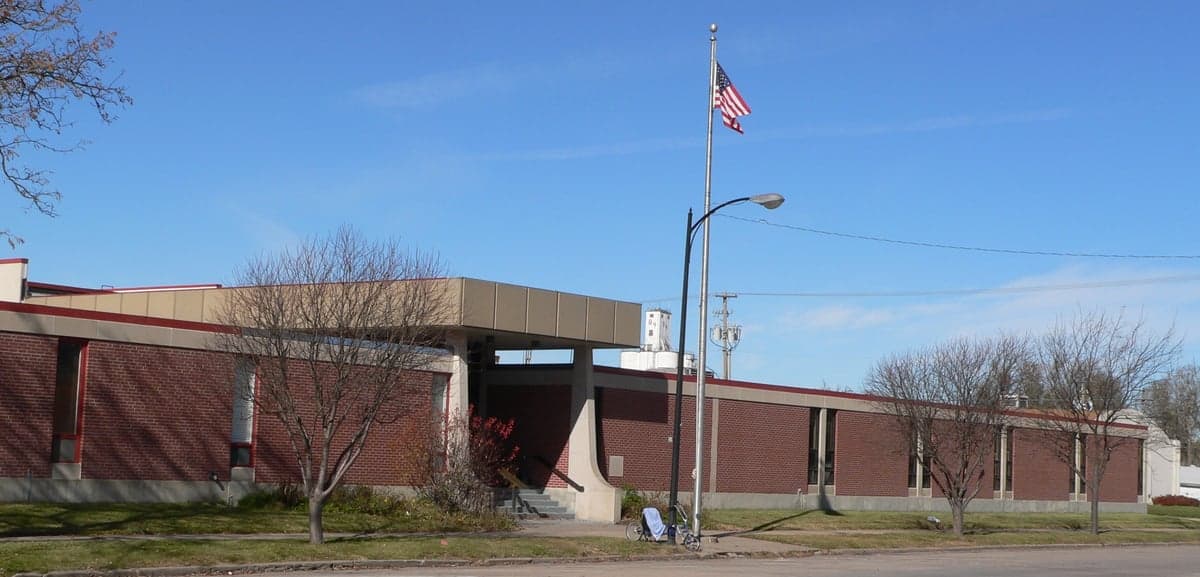
Photo: Wikipedia
Personal Sovereignty in Buffalo County
Viable for self-reliance. Generally workable, though some barriers may limit total independence.
What does Personal Sovereignty tell us?
Personal Sovereignty measures your capacity for self-reliance and independence with minimal government friction. Higher scores mean fewer barriers between you and the way you want to live... but it assumes you have the space you need and good neighbors.
What does this tell us?
Personal Sovereignty measures your capacity for self-reliance and independence with minimal government friction. Higher scores mean fewer barriers between you and the way you want to live... but it assumes you have the space you need and good neighbors.
State Policy
Energy independence: Importer (35% of energy produced in-state)
Personal Liberty
Homesteading

Personal Liberty Analysis
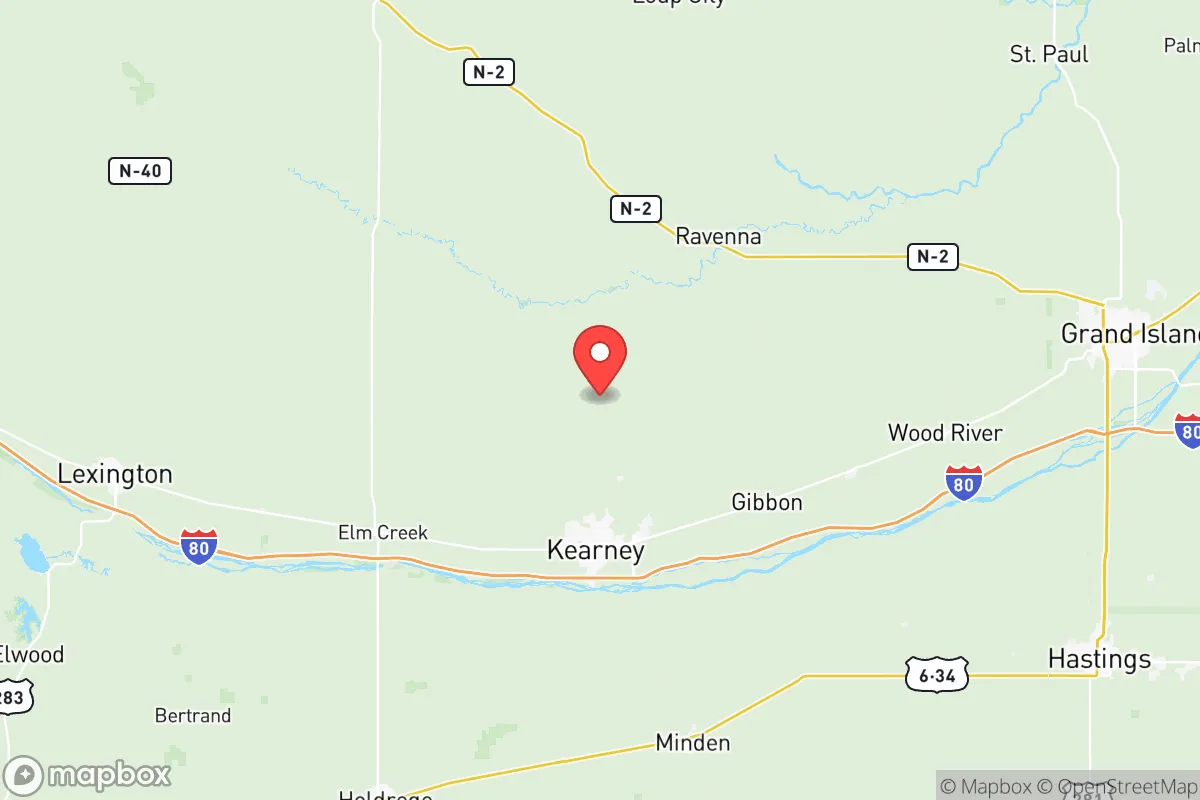
Buffalo County, Nebraska, offers a notably high degree of personal sovereignty, grounded in a state-level philosophy of limited government intervention and local control. The county’s regulatory environment is light-touch, its tax burden is among the lowest in the nation, and its legal framework strongly supports self-defense, parental rights, and property autonomy. For individuals and families prioritizing independence over convenience, the area—anchored by the city of Kearney and extending to smaller communities like Gibbon, Ravenna, Shelton, and Amherst—presents a landscape where self-reliance is not just permitted but structurally encouraged.
Tax burden and regulatory posture in Buffalo County compared to neighboring areas
Nebraska’s state-level tax structure is moderate, but Buffalo County benefits from a relatively low property tax levy compared to eastern Nebraska counties. The combined state and local sales tax rate in Kearney is 7.0% (state 5.5% + local 1.5%), which is competitive with rural Nebraska averages. Property taxes in Buffalo County average around 1.5% of assessed home value, slightly below the state median. The county’s regulatory posture is permissive: there is no county-wide zoning in unincorporated areas, meaning landowners in townships near Amherst or Pleasanton face minimal bureaucratic hurdles for building, fencing, or land use changes. The city of Kearney has zoning for residential and commercial development, but the permitting process is straightforward and typically completed within weeks, not months. Business licensing is simple—a general business license in Kearney costs $50 annually and requires no special approvals for most retail or service operations. Compared to Lincoln or Omaha, Buffalo County’s regulatory climate is markedly lighter, with fewer layers of county-level oversight on construction, environmental review, or land subdivision.
Self-defense and gun law specifics for Buffalo County residents
Nebraska is a shall-issue state for concealed carry permits, and Buffalo County fully aligns with state preemption on firearms regulation—meaning no local ordinances can restrict gun ownership beyond state law. The county sheriff’s office in Kearney processes concealed handgun permits efficiently, with a typical turnaround of 30 days. Nebraska law permits open carry without a permit for anyone legally allowed to possess a firearm, and Buffalo County has no local restrictions on open carry in public spaces. Stand-your-ground provisions are codified in state statute, allowing the use of deadly force without a duty to retreat if lawfully present. The county’s gun culture is robust: shooting ranges like the Kearney Rifle and Pistol Club and private land near Ravenna and Gibbon are common. There are no magazine capacity restrictions, no assault weapon bans, and no waiting periods for firearm purchases in Nebraska. For residents of Buffalo County, the legal environment for self-defense is among the most permissive in the Midwest, with no local impediments to carrying or storing firearms.
Self-reliance and homesteading viability: lot sizes, zoning, and off-grid feasibility
Homesteading and off-grid living are highly viable in Buffalo County, particularly outside incorporated city limits. In unincorporated areas, there are no county-wide zoning ordinances, so residents near Amherst or Pleasanton can build without minimum lot size requirements, use alternative energy systems, and keep livestock without permits. The minimum lot size for a single-family home in Kearney’s zoning code is 6,000 square feet, but rural parcels commonly range from 1 to 40 acres, with prices averaging $3,000–$5,000 per acre for raw land. Off-grid solar and wind systems are legal statewide, and Nebraska has no net metering requirement that would force grid connection—meaning residents can fully disconnect from utility power. Rainwater collection is unrestricted, and composting toilets are permitted under state plumbing codes. The county’s agricultural heritage means that raising chickens, goats, or cattle on rural property is standard practice, with no nuisance complaints from neighbors. For those seeking a self-sufficient lifestyle, the area around Shelton and Gibbon offers affordable land with minimal regulatory interference, making it a practical choice for off-grid homesteading.
Personal liberties: parental rights, medical autonomy, speech, and property
Nebraska law strongly protects parental rights, including the right to direct a child’s education, medical care, and religious upbringing. Buffalo County has no local mandates that override these state-level protections. Homeschooling is legal with minimal reporting requirements—parents must file a simple notification with the local school district and provide annual assessment results, but there is no curriculum approval or home inspection. Medical autonomy is supported by Nebraska’s lack of a state vaccine mandate for adults and a 2023 law prohibiting COVID-19 vaccine mandates by private employers. The county’s healthcare system, centered on CHI Health Good Samaritan in Kearney, respects patient choice in treatment decisions. Free speech is robustly protected under Nebraska’s state constitution, which has been interpreted to provide broader protections than the First Amendment in some contexts. Property rights are strong: eminent domain is rarely used for private development, and the county’s assessor’s office provides transparent appeal processes for property valuations. There are no local ordinances restricting short-term rentals, signage, or political expression on private property. Compared to more regulated urban areas, Buffalo County offers a legal environment where personal choices in education, health, and expression face minimal government interference.
Overall, Buffalo County’s sovereignty profile ranks among the highest in Nebraska for personal autonomy. The combination of low taxes, permissive gun laws, minimal rural zoning, and strong protections for parental and property rights creates an environment where self-reliance is the default. While Kearney provides urban amenities with moderate regulation, the outlying communities of Gibbon, Ravenna, Shelton, and Amherst offer even greater freedom for those seeking a truly independent lifestyle. For relocation readers who prioritize personal sovereignty over convenience, Buffalo County represents a strategic choice—a place where the law supports individual decision-making rather than constraining it.

* Values derived from national, state, county, city and local statistics and may differ in a specific area. Last updated: 2026-06-29T01:20:52.000Z
Narrative content on this page is AI-generated and may contain mistakes. Verify any details that matter before acting on them.
ReloMaps may earn a commission from affiliate links at no extra cost to you.

